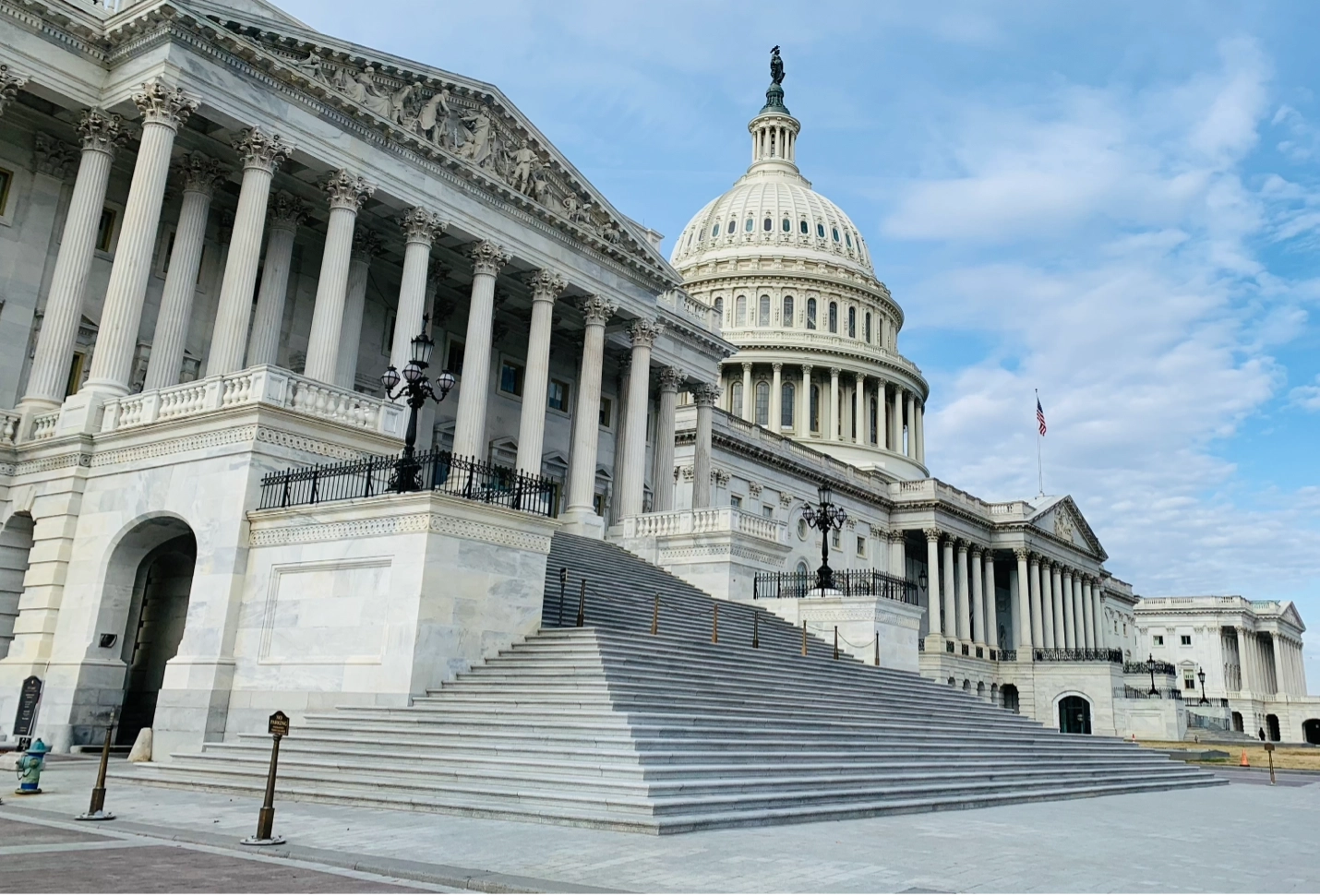
WASHINGTON DC – The US Congress on Friday passed its $832 billion defense appropriations bill for the next fiscal year – a significant legislative step that, while not directly allocating new funds to Kyiv, underscored the ongoing political landscape surrounding US support for Ukraine.
The bill largely maintains defense spending at FY25 levels and refocuses the Pentagon on its core mission of delivering combat-ready military forces.
JOIN US ON TELEGRAM
Follow our coverage of the war on the @Kyivpost_official.
It prioritizes the fight against China, allocates funds for Taiwan’s security, and invests in modernizing the military through various programs, including those for 5th and 6th generation aircraft and innovation initiatives.
Despite the absence of explicit new aid for Kyiv within the appropriations bill, Ukraine was a focal point of debate during its passage. A key moment came with the resounding defeat of an amendment proposed by Rep. Marjorie Taylor Greene (R-GA), which sought to prohibit any funding in the bill from being used for Ukraine.
This amendment, defeated by a bipartisan vote of 353-76, was largely symbolic, as House appropriators had not included direct funding for Ukraine in the spending bill to begin with.
Republican Congressman Don Bacon (R-NE) hailed the vote, stating on a social media post: “This morning, the House overwhelmingly voted to continue providing military support to Ukraine by a 353-76 vote.” However, the discussion around the defeated amendment highlighted the strategic considerations for future Ukraine aid. Rep. Ken Calvert (R-CA), chairman of the House Appropriations Defense Subcommittee, argued that even a symbolic prohibition could diminish leverage for US President Donald Trump to increase Ukraine spending as a means of pressuring Russia.
Trump Just Showed Ukraine and NATO What ‘Ally’ Really Means to Washington
This suggests that while direct appropriations were not made in this bill, the path for potential future aid remains open, subject to executive action and subsequent legislative discussions. The bill’s passage, with five Democrats joining Republicans and three GOP members opposing, demonstrates a complex political calculus.
While Rep. Betty McCollum (D-MN), the top Democrat on the subcommittee, expressed reservations about the bill being drafted without a detailed budget request from the Trump administration, the defeat of the Ukraine-related amendment signals a continued, albeit evolving, consensus on the importance of the conflict in Eastern Europe to US national security goals. The bill also faced criticism for its social issue provisions, including language prohibiting military health care facilities from providing abortion services, bans on transgender medical care and surgeries, and the elimination of diversity and equity programs.
Additionally, the plan includes a cut of about 45,000 individuals from the Defense Department’s civilian workforce. This House version of the FY26 defense budget is not the final word. It will now need to be reconciled with the Senate’s forthcoming spending bill, where further debates on defense priorities and potential aid to Ukraine are anticipated.
You can also highlight the text and press Ctrl + Enter

Zelensky Reveals Intercepted Intel From Putin’s Desk