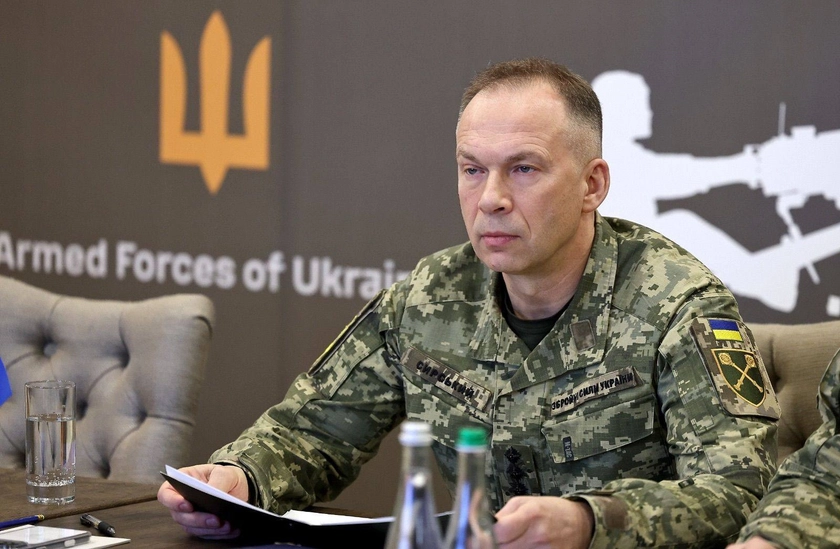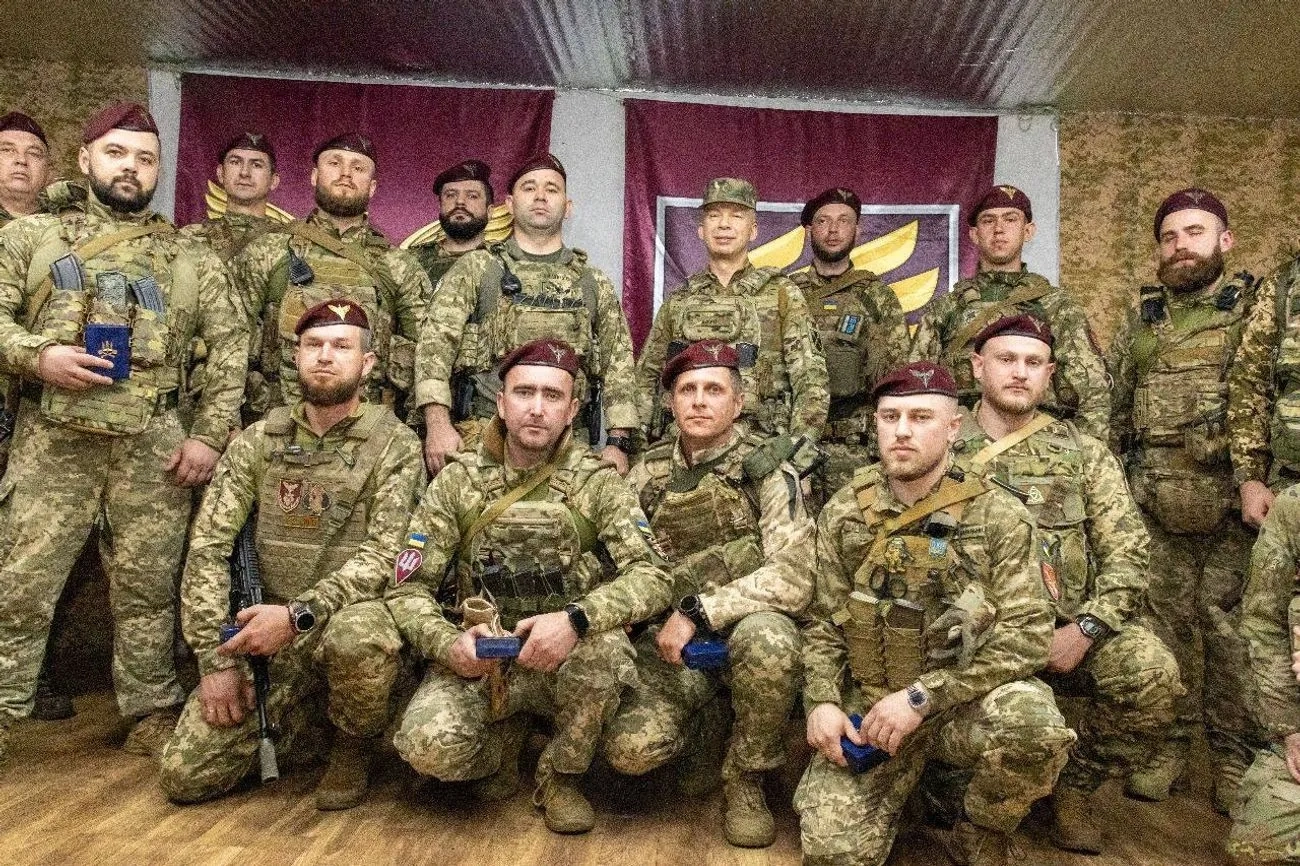
Oleksandr Syrsky, the commander-in-chief (C-in-C) of the Armed Forces of Ukraine, gave his take on the situation of the war in Ukraine in a wide-ranging interview with the Washington Post (WP) at the end of the week in which he turned 60, the usual military retirement age.
Asked about retirement he laughed off the suggestion telling the interviewers, Siobhán O’Grady and Serhii Korolchuk, that he could still do 100 push-ups without pause – despite reports that he rarely seems to sleep.
JOIN US ON TELEGRAM
Follow our coverage of the war on the @Kyivpost_official.
The main thrust of the WP piece was Syrsky’s assessment of the war and the hope that US President Donald Trump’s recent change in attitude towards Russia and Ukraine would see Kyiv receive the air defense and long-range missiles it needs to protect itself and to strike Russian military targets.
He pointed out that the latest Russian waves of drone and missile strikes “attack almost everything – airfields, settlements, infrastructure facilities,” adding that simply having the capability offered by the missiles would “give the enemy a worthy rebuff... [with] the presence of the missiles themselves a deterrent factor.”
He wouldn’t, however, be drawn on the stocks of missiles and weapons currently held by his defense forces. He merely underlined that the receipt of any new missiles would be welcome and help save Ukrainian lives.
Syrsky also talked about the Kursk operation which he said had been necessary to respond to growing criticism of the army’s performance. He described the operation as “something extraordinary” to disrupt Russian offensive plans and to ease pressure on the frontline positions of Ukraine’s Armed Forces (AFU).
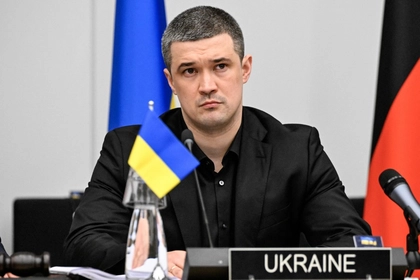
Ukraine Regained Battlefield Initiative but Needs More Aid to Keep It – Fedorov
He said that at the height of the operation around 1,300 square kilometers (500 square miles) had been occupied and that in its efforts to force the AFU out at least 80,000 Russians had been killed or wounded. Yet he balked at giving a figure for Ukraine’s casualties, saying only that they were significantly lower.
“We have highly motivated and courageous soldiers who can advance,” he said, “but they need modern, reliable means of protection.”
Syrsky gave the example of this saying that almost a year after Russia launched its offensive on the eastern city of Pokrovsk it was still being held by a resolute Ukrainian defense which saw Moscow losing around a third of its armored vehicles in the sector.
The C-in-C acknowledged that Ukraine was struggling to mobilize sufficient forces to continue to successfully resist Moscow’s superiority in numbers, which was exacerbated by a continuing shortage of artillery ammunition and armored vehicles.
Syrsky would not be drawn on issues surrounding Ukrainian mobilization, saying, “everything related to mobilization is very sensitive information.”
Despite more than a decade as a senior commander Syrsky says he prefers the company of ordinary soldiers. WP cited one of his aides who said he would probably spend his 60th birthday alongside his troops on the front line.
Asked if that was true, he said it was too early to tell – “That’s up to God,” he said, “and my president.”
You can also highlight the text and press Ctrl + Enter

Russia Hit by 660-Drone Overnight Barrage Targeting Moscow, Crimea and Key Military Sites