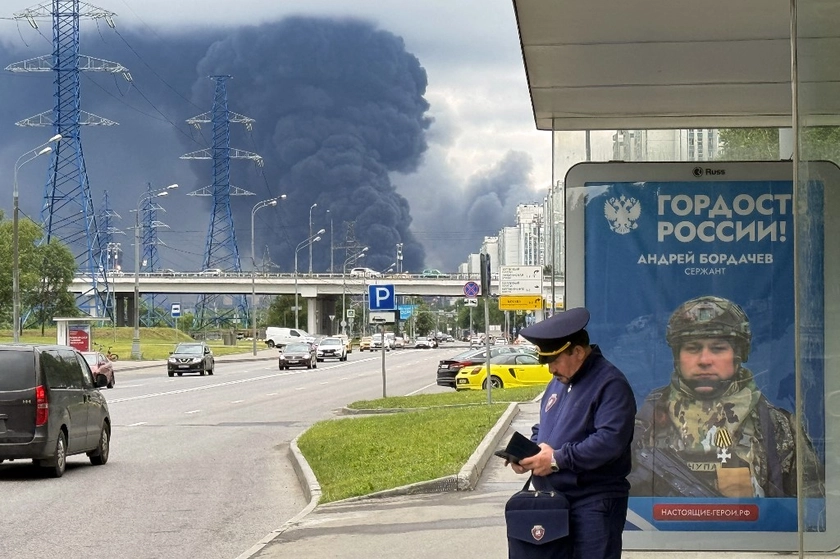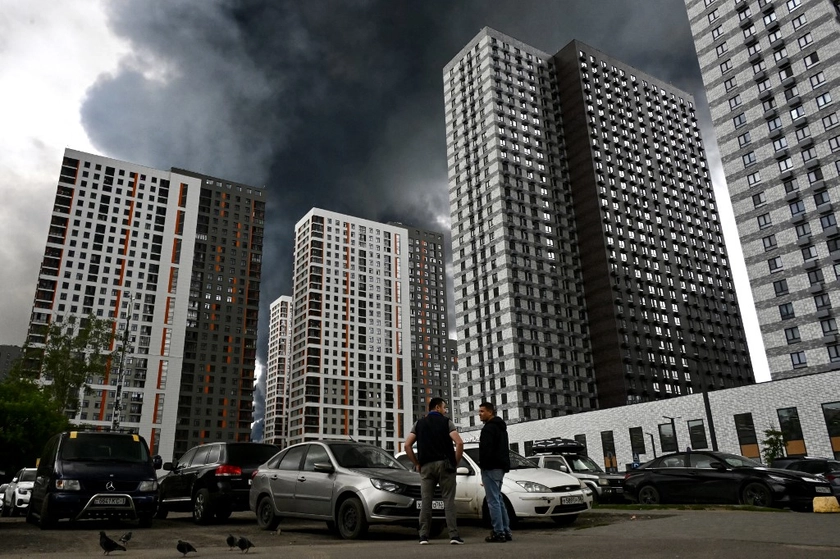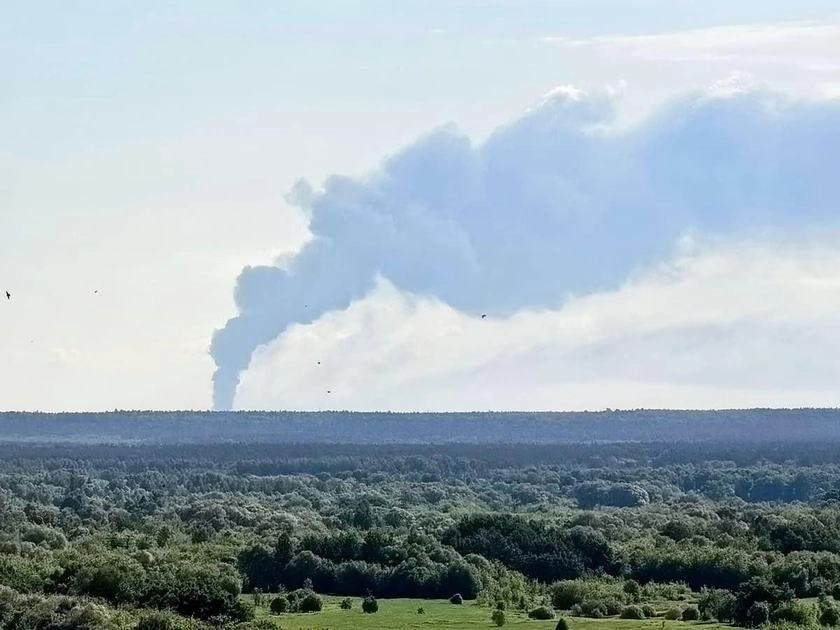
Russia is rapidly reinforcing its air defenses around Moscow, rebuilding its Cold War-era air defense rings in response to frequent Ukrainian drone attacks.
An investigation by Radio Liberty, based on satellite imagery and OSINT data, reveals over 50 new surface-to-air missile (SAM) positions built in two years across the Moscow region.
JOIN US ON TELEGRAM
Follow our coverage of the war on the @Kyivpost_official.
As per the report, this reconstruction of Moscow’s layered defense system began after Ukrainian drones first struck the capital in May 2023.
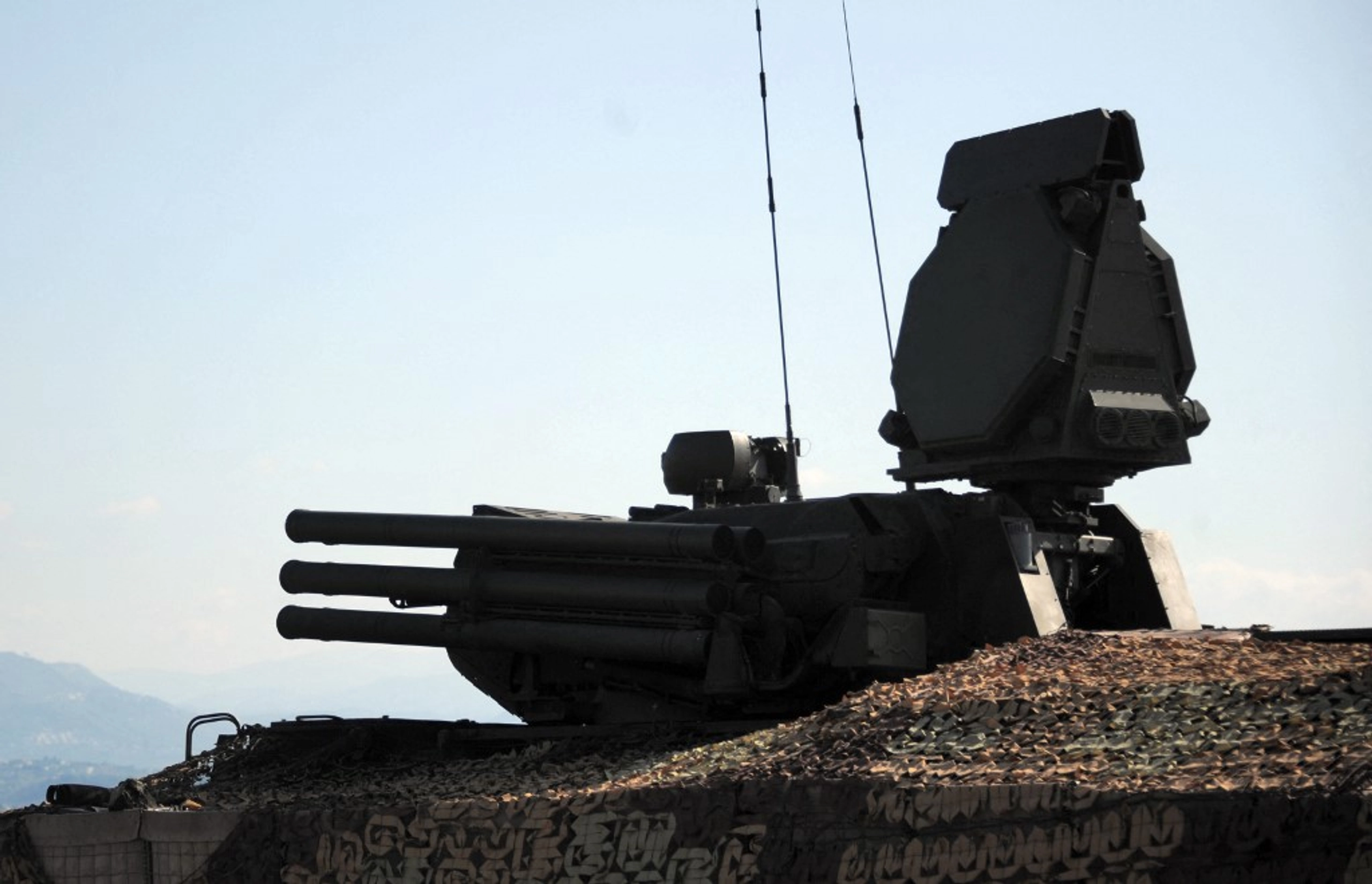
Some Pantsirs are placed atop landfill mounds or rooftops (including the Russian Ministry of Defense building), while others protect larger S-300/S-400 batteries.
The Pantsir is a self-propelled surface-to-air missile and anti-aircraft artillery system designed to protect military, industrial, and government facilities from aerial threats. It is particularly effective at low altitudes against aircraft, helicopters, precision munitions, cruise missiles, and unmanned aerial vehichcles (UAVs).
According to open sources, the Pantsir’s export price ranges between $13.15 million and $14.67 million per unit.
However, the resurgence of this Cold War architecture comes with new dangers, the report reads.
Many of these SAMs are now located near dense urban developments, which didn’t exist when the Soviet rings were built. As a result, falling missile boosters and unexploded ordnance from intercepted drones have caused civilian damage – sometimes more than the drones themselves.
Ukraine’s Russian Volunteer Corps Eliminates Kremlin Forces on Zaporizhzhia Front
For instance, during the most recent drone attack on Moscow, an unexploded warhead from the Pantsir’s new TKB-1055 missile was found in Zelenograd.
However, satellite imagery confirms that the construction of SAMs has continued into 2025, with Pantsir positions increasingly built near the “small concrete road” and the Central Ring Road (TsKAD), a Soviet-era military transport route.
Many of these Pantsir turrets have been installed next to – or directly atop – former positions of the Soviet-era S-25 Berkut air defense system, which was developed in the 1950s and largely abandoned by the late 1980s.
“In this way, the Russian Defense Ministry is essentially recreating the Soviet system of layered air defense for Moscow,” the report states.
Back in the fall of 2024, Radio Liberty reported that new air defense systems were once again being constructed in “rings” around Moscow – one of which lies even closer to the capital than the original Soviet-era “small air defense ring.”
An OSINT researcher on X (formerly Twitter), posting under the handle jembob, analyzed Sentinel satellite imagery and identified more than 15 additional Pantsir positions built as recently as summer 2025.
These new sites are located along the TsKAD and the small concrete road, including one near Zelenograd, where Pantsirs were filmed in action during the Ukrainian drone attack on the night of May 28.
Zelenograd ... your RADAR channels pray for you! pic.twitter.com/Tc2HrnGqy5
— ✝ ⚔️ Hunter UA ✠ 🇺🇸🇺🇦 (@UaCoins) July 20, 2025
Some of the key locations include:
- Gzhel: Inside an interchange on the Central Ring Road
- Near Podolsk: Adjacent to a former S-25 position
- South of the Moscow region: Approximately 8 kilometers (5 miles) from Domodedovo Airport
- Near Ramenskoye: South of Zhukovsky Airport
- Near Naro-Fominsk: At the site of a former radio engineering center
- Near the Central Research Institute of Precision Engineering’s shooting range
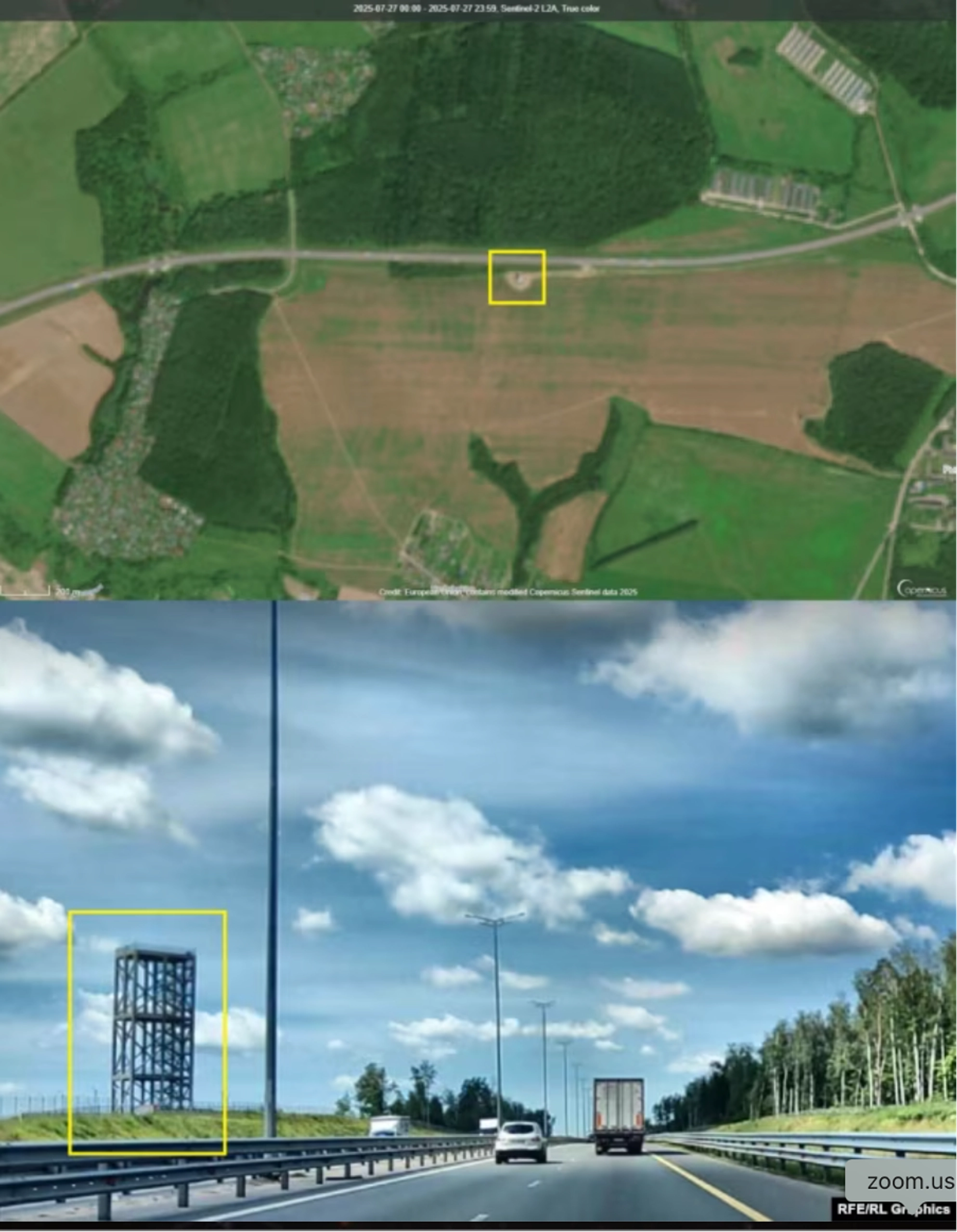
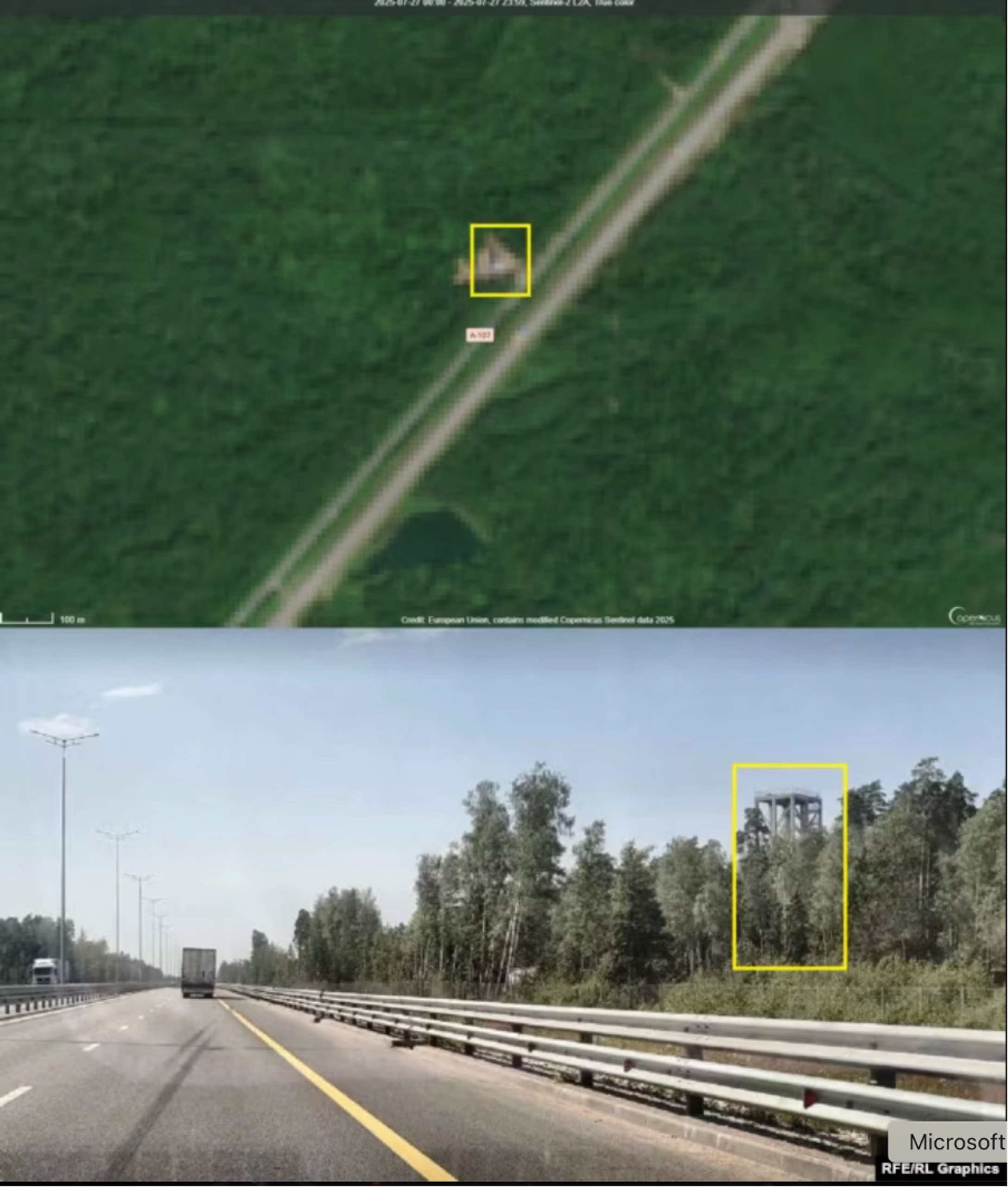
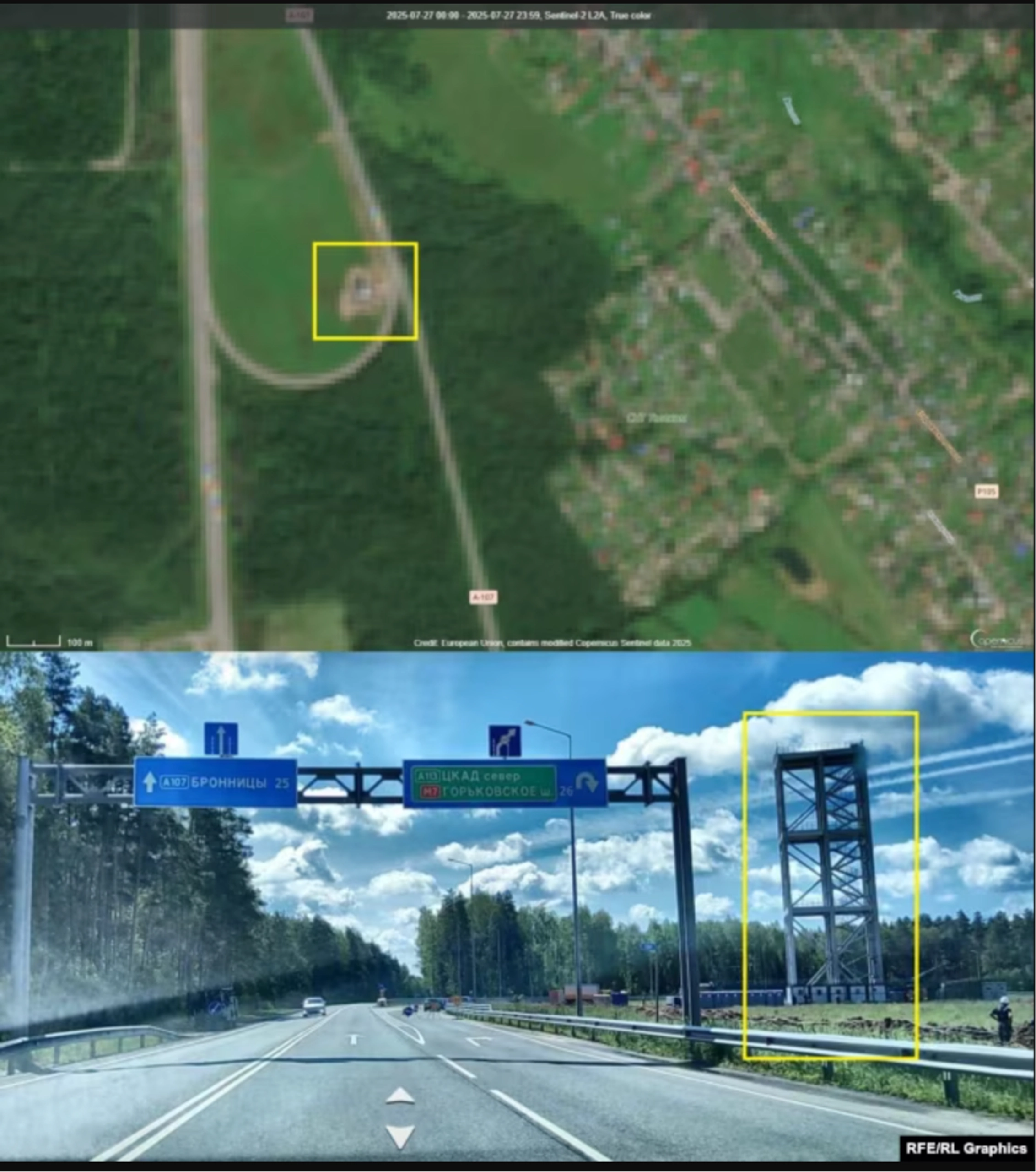
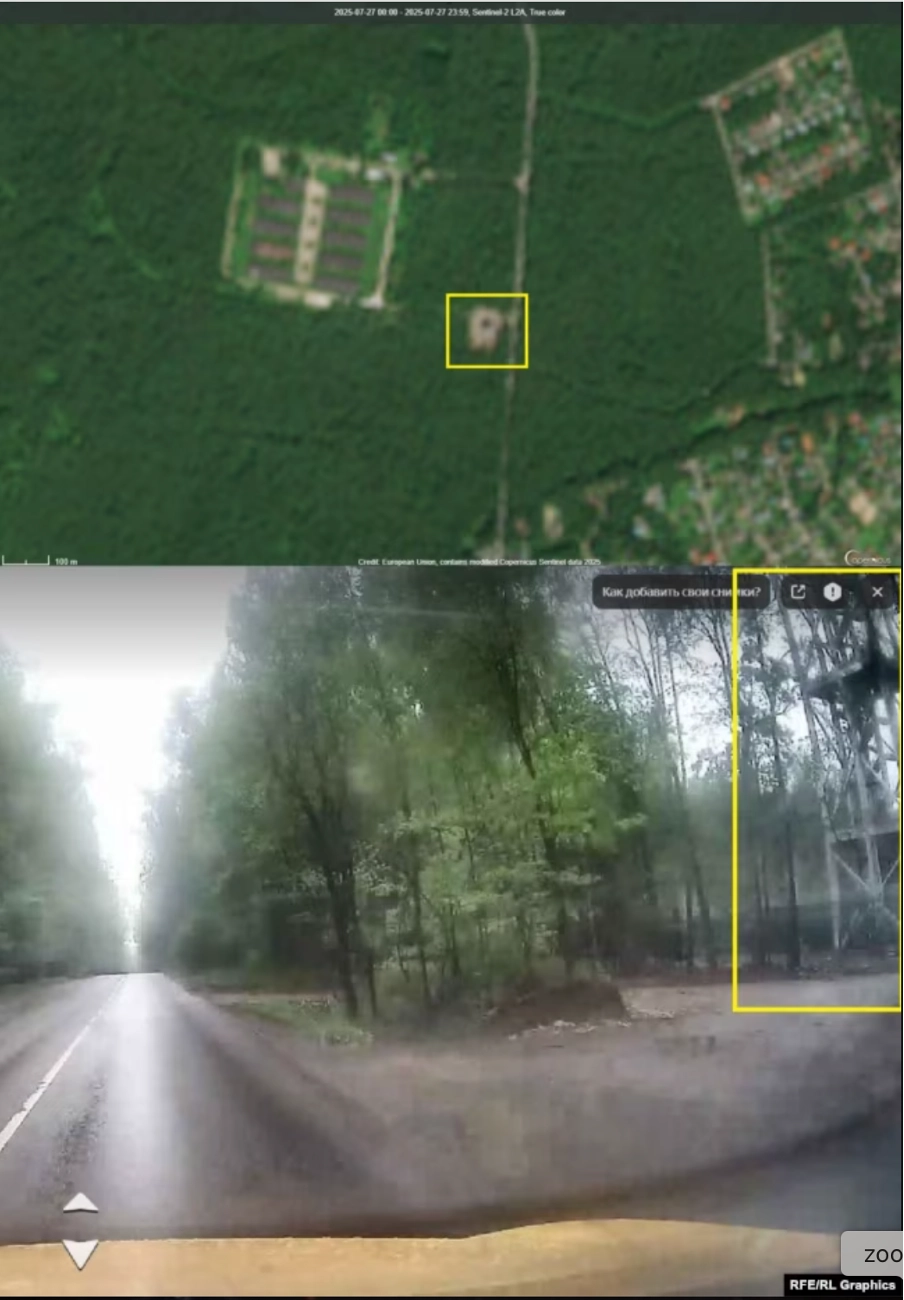
Some of these Pantsir systems are likely intended to protect nearby S-300 and S-400 air defense units, and were also placed on former S-25 sites, the investigation notes.
While the threats have changed since Soviet times - shifting from NATO cruise missiles to low-flying Ukrainian drones - the current priorities for Russian air defense include protecting airfields (both civilian and military, such as Chkalovsky), high-value SAM installations, and other military infrastructure, the investigators reveal.
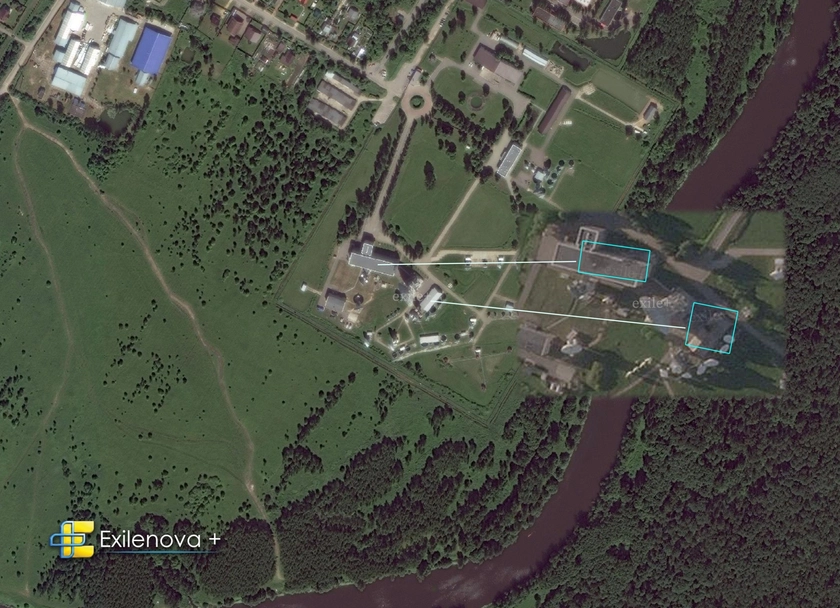
The report also highlights the protection of elite residential areas: “Several Pantsirs were installed on towers in 2024 around President Putin’s residence in Valdai,” it states, indicating that the homes of high-ranking officials have also become priority targets for aerial defense.
In late August of 2024, the Atesh guerrilla movement reported that Russian authorities had deployed several Pantsir-S1 systems near the Russian Interior Ministry building in St. Petersburg. The partisans called the move “very foolish” but acknowledged that Moscow and St. Petersburg remain Russia’s most heavily defended cities.
“To protect these cities, the Russian military command seems willing to sacrifice frontline regions. Meanwhile, residents of Kursk, Bryansk, and Belgorod are left to fend for themselves,” the group said.
Earlier, in June 2024, Atesh also identified a Pantsir-S1 system guarding President Putin’s dacha in Sochi.
Increasingly, reports indicate that Russia is relocating Pantsir systems to major cities and occupied Crimea to counter frequent long-range drone attacks by Ukraine.
You can also highlight the text and press Ctrl + Enter

Russia Hit by 660-Drone Overnight Barrage Targeting Moscow, Crimea and Key Military Sites

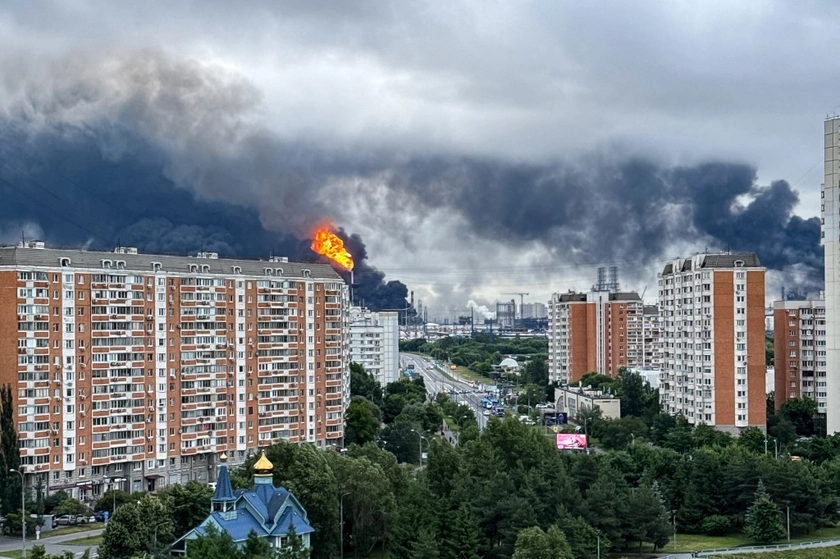
Russia Hit by 660-Drone Overnight Barrage Targeting Moscow, Crimea and Key Military Sites