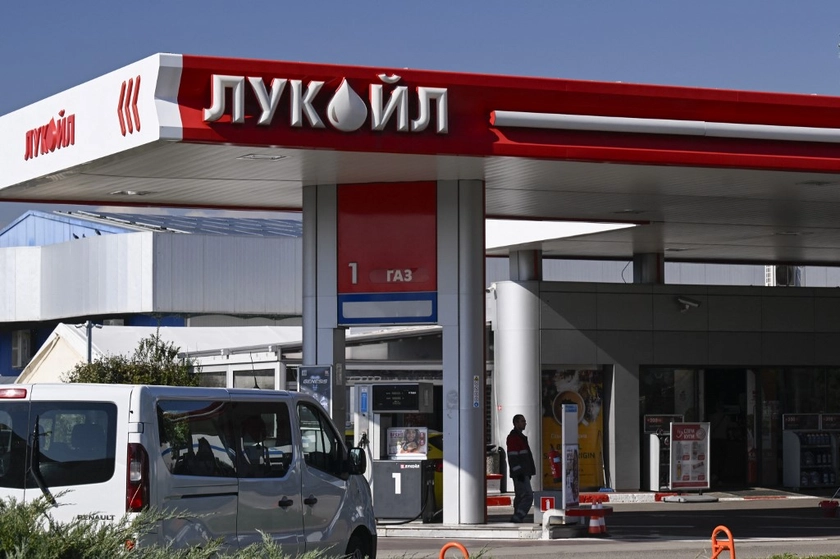
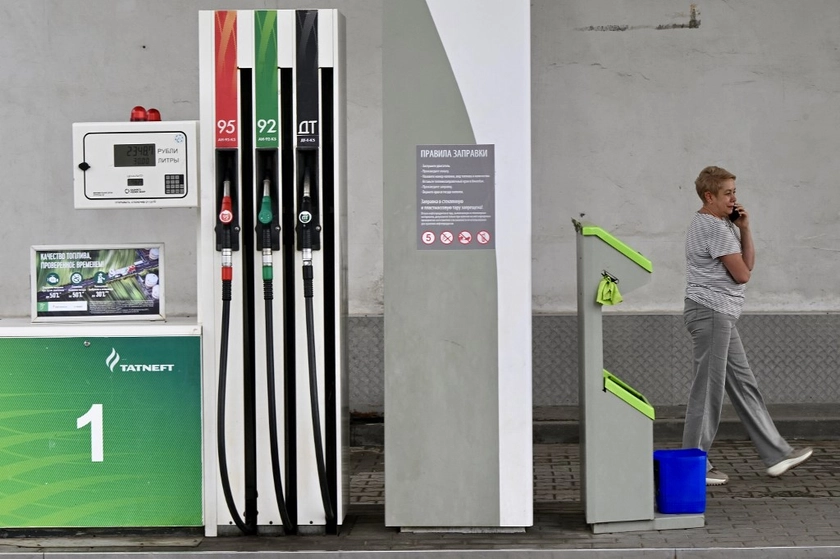
The export of fossil fuels is an important pillar of the Russian economy – and some countries are funding it.
In July 2025, China and India bought respectively €6.2 billion ($7.3 billion) and €3.5 billion ($4.1 billion) of Russian fossil fuels, according to the analysis from the Centre for Research on Energy and Clean Air (CREA).
JOIN US ON TELEGRAM
Follow our coverage of the war on the @Kyivpost_official.
NATO member Turkey is the third-biggest buyer of fossil fuels from Russia at €3.1 billion ($7.3 billion). Europe is also still buying Russian fossil fuels – mainly gas – for an amount of €1.3 billion ($1.5 billion).
By importing fossil fuels from Russia, trade partners indirectly support Russia’s war efforts.
US President Donald Trump imposed 25% tariffs on all goods imported from India, citing New Delhi’s Russian oil purchases as the reason. On Aug. 4, days before hitting India with another 25% tariffs, Trump posted on his social media platform, Truth Social, that India doesn’t “care how many people in Ukraine are being killed by the Russian War Machine.”
EU policy
Since Russia’s full-scale invasion of Ukraine in 2022, the EU has imported fossil fuels from Russia while supporting Ukraine.
Reports from the Kiel Institute show that Europe is a top contributor in terms of aid for Ukraine. It said that between Jan. 24, 2022, and June 30, 2025, Europe allocated € 167.4 billion ($196 billion) in aid for Ukraine, with an additional pledge of €90 billion ($105 billion).

Ukrainian Drone Maker Buys Seized Apartment of Russian Propagandist
But on the other hand, Europe is still indirectly funding Russia’s war efforts. Since February 2022, the EU has reduced Russian fossil fuel imports but still imported €10.27 billion ($12 billion) worth (based on data from CREA) in the first seven months of 2025.
In July, the EU was the largest importer of Russian liquefied natural gas (LNG) and pipeline gas, totaling €930 million ($1.1 billion), according to CREA. The leading EU importers were Hungary, France, Slovakia and Belgium.
In a proposal dated June 17, 2025, the European Commission aims to fully end the imports of fossil fuels from Russia by the end of 2027, but countries led by leaders with pro-Russian leanings and heavy reliance on Russian gas, such as Slovakia under Robert Fico and Hungary under Viktor Orbán, are likely to oppose this initiative.
You can also highlight the text and press Ctrl + Enter

Russia Hit by 660-Drone Overnight Barrage Targeting Moscow, Crimea and Key Military Sites