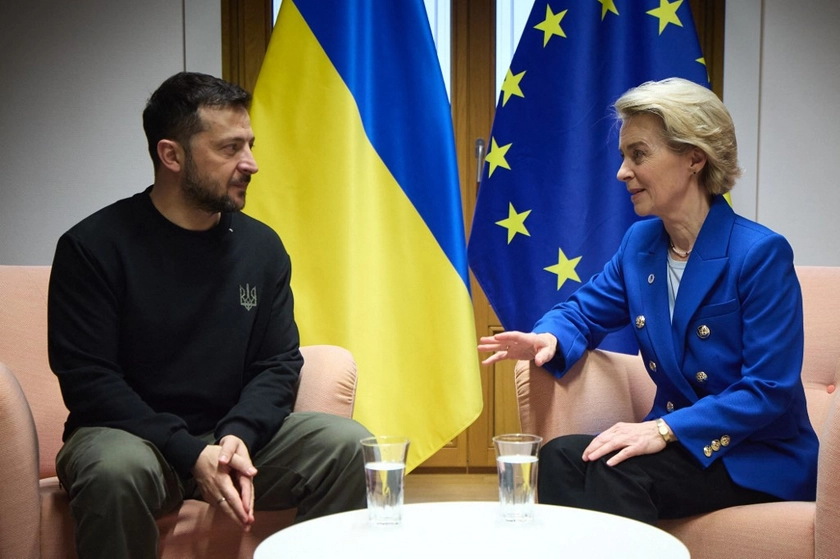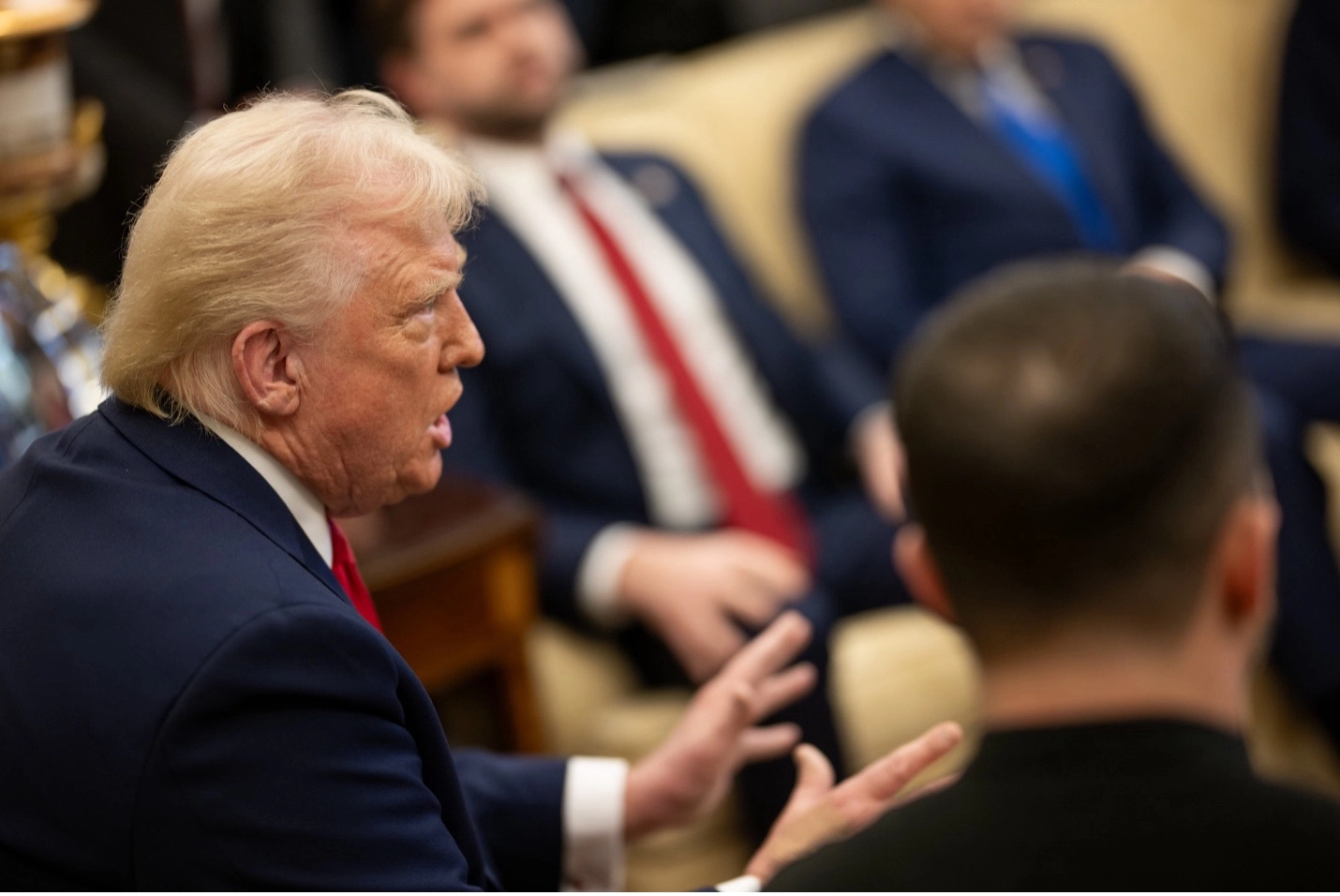
WASHINGTON DC – Ukrainian President Volodymyr Zelensky is poised to meet with US President Donald Trump at the White House this afternoon, in a highly anticipated summit that analysts warn could force Kyiv into a peace deal on Russia’s terms.
The meeting follows a recent US-Russia summit in Alaska, which was criticized by some as a win for the Kremlin.
JOIN US ON TELEGRAM
Follow our coverage of the war on the @Kyivpost_official.
As the talks are set to begin, a chorus of European leaders, who also arrived in Washington DC to attend today’s talks, have called for a unified front between the US, Europe, and Ukraine to avoid showing weakness to Russia.
However, retired US military analysts, speaking to Kyiv Post, have offered stark and at times scathing assessments of what they believe will be the primary objectives of the meeting.
Alaska summit a “tour de force” for Putin
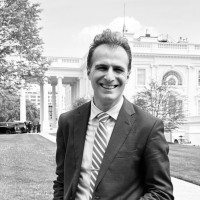
Retired US Army Colonel Richard Williams, a veteran of NATO leadership, has blasted last week’s Alaska summit as a “tour de force result for Putin!” Speaking to Kyiv Post, Williams argued that the meeting failed to produce a ceasefire, deadlines for the Russian president, or increased sanctions. He concluded that Trump “adopted the entire Russian agenda.”
Williams’s analysis extended to what is believed to be Putin’s latest conditions for a peace deal. This perspective stands in contrast to some public reporting on the recent Alaska summit.
Williams outlined a scenario where a peace agreement would require Ukraine to “reluctantly concur [with the] illegal Crimea annexation,” on the condition that “pre-2014 borders are totally and legally restored and all Russian Forces are withdrawn from the remainder of Ukraine sovereign territory.”
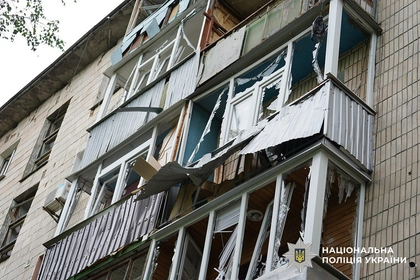
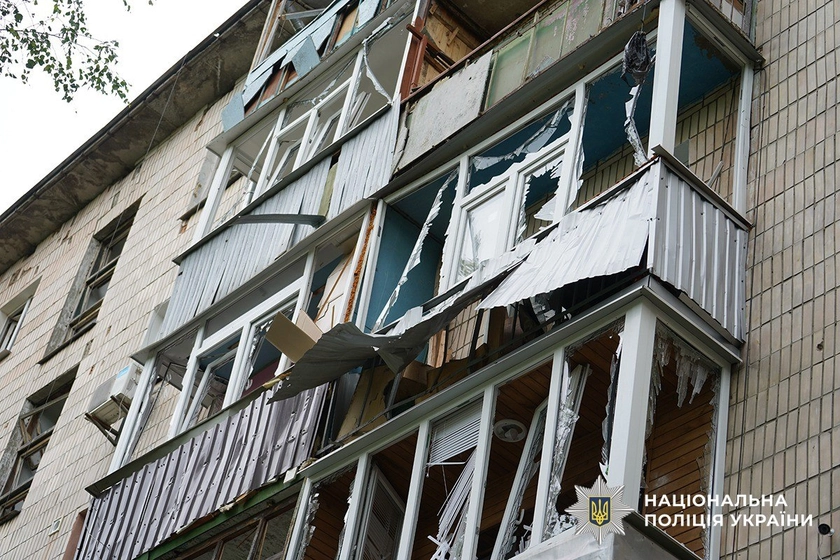
Modified Russian Drone Strikes on Sumy Injure 11
The conditions, Williams added, would also stipulate that “Ukraine will forego formal membership in NATO indefinitely,” but with a major caveat. The peace deal would include a “peacekeeping coalition of the willing,” with NATO’s Article 5 applying to this coalition and its territory. “NATO forces will be included in perpetuity... on or near the original 2014 Ukraine borders,” Williams said.
He also stated that a demilitarized zone would be established near the 2014 borders, extending 50 kilometers into Russian territory.
Territory for peace?
Williams fears that the next step will be to apply pressure directly on Kyiv. “Now, Trump will likely cut off American sale of weapons to Europeans, intended for Ukraine, to pressure Kyiv and Zelensky to capitulate to the Kremlin’s demands!” he warned.
Regarding Zelensky’s visit, Williams was equally direct about the need for a difficult compromise. He stated that the Ukrainian leader “will have to ultimately offer territory for peace” due to a number of factors, suggesting Crimea would be “hardest to win back,” while insisting that Eastern Ukraine must not be surrendered to Russia.
Trump might strong arm Zelensky
Offering a similarly candid, albeit distinct, perspective, retired US Army Lieutenant Colonel Amos Fox, a fellow at Arizona State University’s Future Security Initiative, told Kyiv Post he expected Trump to “strong-arm Zelensky into accepting Russia’s demands.”
Fox explained that given the military realities – specifically “the lack of ground forces Ukraine has available to retake and hold that terrain, and Russia’s ability to regenerate combat power to counter any Ukrainian offensive” – Zelensky has limited options to reclaim occupied territory.
He believes Trump will use this as leverage, potentially threatening to cut off US support to compel a deal.
Fox’s forecast for the meeting was bleak. “I’d expect the Zelensky meeting to be inconclusive, at best,” he said, adding that the worst-case scenario would see Zelensky refuse to give in to Russian demands, leading to a “tantrum” from Trump and a complete cutoff of US support.
Critical question for long-term security
On the broader question of a peace deal, Fox warned against a politically expedient solution that might be “strategically short-sighted.”
He posed a critical question for long-term security: “Does ending the conflict now, and let’s say allowing Putin to keep the Donbas, the ‘land bridge to Crimea,’ and Crimea, not just provide Russia with the time it needs to rest, refit, and reposition forces only to re-attack in say five years?”
The analyst concluded by arguing that for the “good guys,” it might be better to continue the current war of attrition, which is “currently managing in an okay-enough manner,” rather than being “caught off guard again in the future.”
You can also highlight the text and press Ctrl + Enter