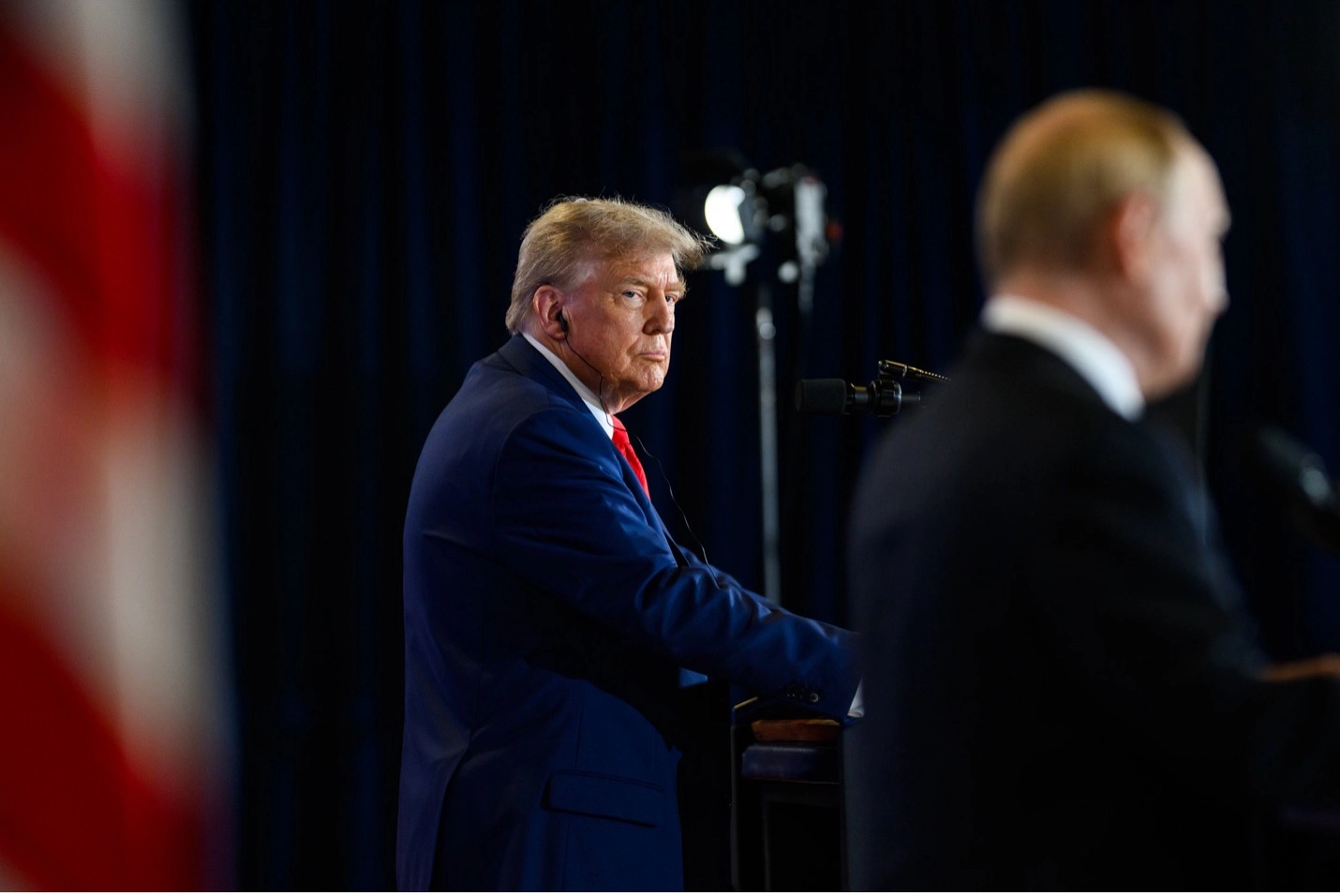
WASHINGTON DC – The US capital finds itself navigating a complex diplomatic landscape after President Donald Trump’s recent White House summit with Ukrainian President Volodymyr Zelensky and key European allies.
While a shared desire for peace in Ukraine is evident across the aisle, the reactions from American lawmakers reveal a palpable tension, particularly concerning the approach to Russian President Vladimir Putin and the effectiveness of the peace talks.
JOIN US ON TELEGRAM
Follow our coverage of the war on the @Kyivpost_official.
Democratic concerns: Calls for tougher action
The Democratic voices on Capitol Hill, in particular, have been quick to voice their concerns, signaling an uneasy alliance with the administration’s current strategy.
Senator Jeanne Shaheen (D-NH), the leading Democrat and Ranking Member of the Senate Foreign Relations Committee, commended President Zelensky’s demonstrable commitment to peace, starkly contrasting it with Putin’s perceived obstructionism.
In a statement on Tuesday, Shaheen underscored the critical need for “US-backed security guarantees and continued assistance” to protect Ukraine’s sovereignty, aligning with European allies who insist a ceasefire must precede any substantive negotiations.
Her statement also brought a humanitarian focus, echoing the call by First Ladies Olena Zelenska and Melania Trump for the return of kidnapped Ukrainian children within any peace framework.
Crucially, Shaheen delivered a clear warning: if President Trump cannot “hold Putin’s feet to the fire,” Congress is prepared to act with sanctions and legislative measures to bolster Ukraine’s defenses and curb Chinese military support for Russia. This sentiment of skepticism regarding Putin’s intentions was amplified by Congressmember Gregory Meeks (D-NY), Ranking Member of the House Foreign Affairs Committee.
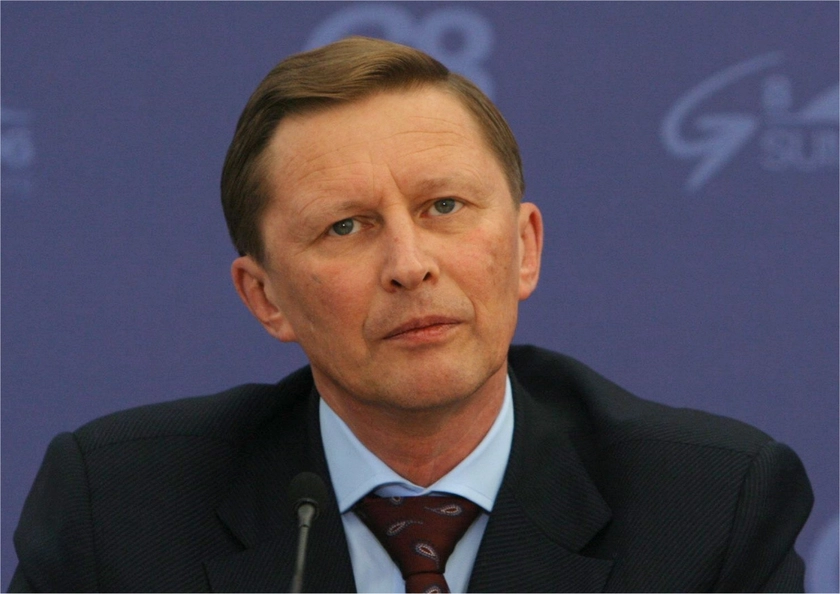
Former Russian Defense Minister Sergei Ivanov Dies at 73
Meeks directly criticized President Trump’s perceived leniency toward Putin, noting that Russia launched a fresh attack killing civilians “just hours before President Zelensky arrived at the White House.”
For Meeks, the idea that Putin will engage in good faith is a “delusion,” urging Trump to apply “real pressure” to ensure a “just and durable peace rather than one dictated by Putin.”
Bipartisan discontent: Rejecting capitulation
The call for a tougher line, however, is not confined to Democratic benches. Republican Congressmember Don Bacon (R-NE), writing on social media, emphasized the importance of “moral clarity” in negotiations, asserting that merely offering peace if Ukraine “wants” it amounts to asking them to “capitulate to Russia’s invasion.”
His stance underscores a bipartisan agreement that rewarding Russia’s “barbarity” is unacceptable.
Similarly, Senator Roger Wicker (R-MS) directly appealed to Trump on social media, highlighting that “Putin lies and kills” and that Trump’s “leadership will be key to keep Ukraine, US, and Europe together against Putin’s delays and deceptions.”
Distrust of Putin’s intentions: Tactic for time?
Adding another layer of distrust, Democratic Senator Richard Blumenthal (D-CT), the co-author of “Russia Sanctions Act,” explicitly warned on Tuesday that Putin is attempting to “play Trump for more time, more territory, more treasure from oil and gas sales.”
This suggests a widespread belief among lawmakers that Putin’s engagement in peace talks without a ceasefire is a tactic to solidify gains rather than genuinely seek a resolution.
Pivotal moment for transatlantic cohesion
In essence, while the White House summit aimed to project a path towards peace, the immediate aftermath on Capitol Hill reveals a deep-seated apprehension. Lawmakers from both parties, albeit with differing rhetorical approaches, are pressing for a more assertive and unified strategy against Russia.
The challenge for the Trump administration will be to navigate these demands while attempting to secure a peace that satisfies the multifaceted concerns of both Ukrainian and American political leaders.
What happens next, particularly regarding concrete US-backed security guarantees and a firm stance on a ceasefire, will be pivotal not only for Ukraine’s future but also for the fragile cohesion of the transatlantic alliance.
You can also highlight the text and press Ctrl + Enter