Ukraine’s real GDP grew by 1.7% in the second quarter of 2025, according to the Institute for Economic Research and Policy Consulting (IER).
Growth accelerated compared to the first quarter, when GDP rose by only 0.8% year-over-year, based on May estimates from the IER – an independent economic research think tank.
JOIN US ON TELEGRAM
Follow our coverage of the war on the @Kyivpost_official.
After 1.5% growth in June, Ukraine’s economy shrank 1% year-over-year in July, mainly due to weaker agricultural output from smaller harvests.
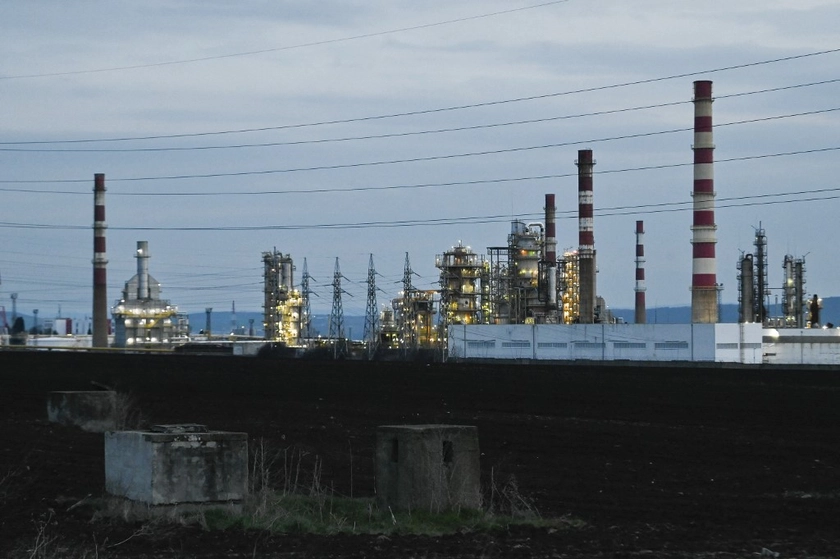
The IER noted that GDP growth was supported by metallurgy, construction materials, and light manufacturing (clothing and footwear), while agriculture, coal mining, and oil processing weakened. Industrial production contracted 1.6% year-over-year in May, following a 6.4% decline in April, with manufacturing output showing a modest rebound of 0.8% after a sharp, 4.5% fall the previous month.
Mining output contracted at a slower pace (-7.8% vs. -17.5% in April) as oil and gas extraction partially recovered from strike-related disruptions. Coal mining continued to shrink due to the loss of mines in Pokrovsk and Selidove to Russian occupation in late 2024. Meanwhile, construction materials production increased, supported by stronger demand in the building sector.
Sectoral trends were mixed:
- Oil processing fell further due to reduced sunflower supplies.
- Clothing and footwear output rose, likely on military demand.
- Metallurgy continued to expand, supported by exports via rail and sea.
- Machinery production stayed flat compared to last year, though military equipment output likely increased.
Value added in manufacturing grew 1.4% in July, up from 1% in June, driven by domestic demand and defense orders. Mining contracted 10% due to losses in coal, although gas extraction and construction materials showed some recovery. Trade growth remained steady at 2.6%.

Russian Guided Bombs in Kharkiv Kill Teen, Wound 32, Including Children
Agriculture and Trade Pressures
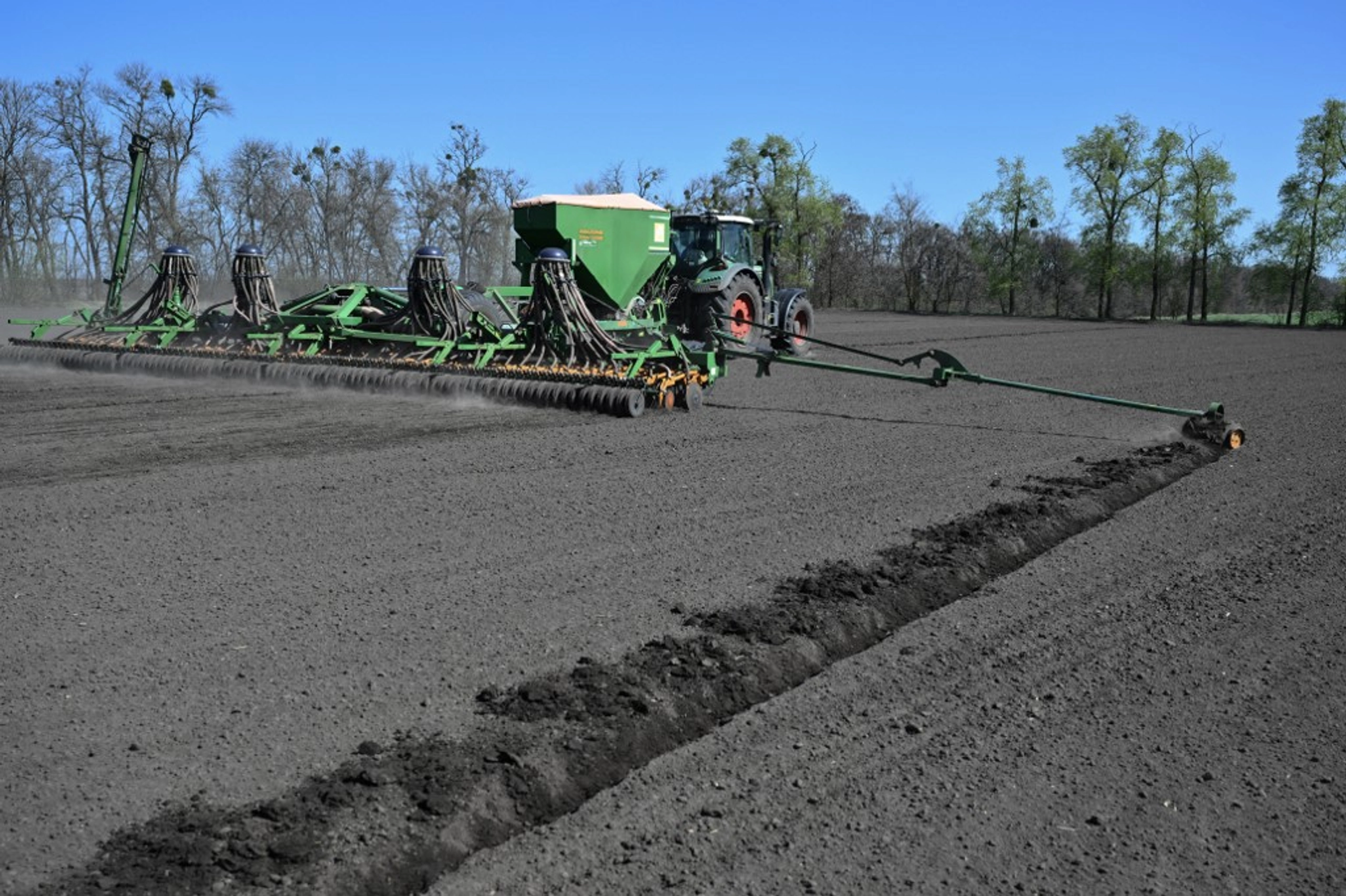
The agricultural sector faced a sharp contraction. Real value added fell 26% year-over-year in July, reflecting lower harvest volumes and yields. Ukraine’s grain and flour exports dropped 57.7% in the opening weeks of the 2025/26 marketing year, falling to 2.3 million tons from 5.5 million tons a year earlier, according to the Ministry of Agrarian Policy.
The decline stemmed from two key factors:
- A smaller harvest following the 2024 drought.
- The reintroduction of EU export quotas, restricting access to European markets.
Energy and Industrial Shifts
Energy trade was dynamic in July: electricity exports rose 16% month-on-month to 282.2 thousand MWh, with Moldova accounting for 41% of shipments. Imports climbed 24.7%, led by Hungary.
Natural gas storage remains a critical challenge. As of Aug. 5, underground facilities held just 10 bcm, or 32.3% capacity – the lowest level in 12 years. Russian strikes earlier in 2025 cut domestic gas production by half, though Ukraine has since restored about 50% of capacity.
The country will need to import more gas for the heating season from Europe. To meet winter needs, at least 13 bcm must be stored by Nov. 1; as of July 17, reserves stood at just over 9 bcm, according to ExPro.
State-owned gas giant Naftogaz is seeking alternative sources to secure winter supplies. The company is also speeding up gas injection into Ukraine’s underground storage facilities.
Recent drone strikes on the Orlivka compressor station further underscored the vulnerability of Ukraine’s new gas corridor, designed to mitigate energy shortages ahead of winter.
Transport and Infrastructure
Transport activity fell nearly 9% year-over-year, driven by lower rail shipments and the cessation of Russian gas transit through Ukraine as of Jan. 1, 2025. State-owned railway company Ukrzaliznytsia reported reduced grain transport as older stockpiles from 2021-2022 were exhausted.
Revised Outlook
Despite Q2 improvements, Ukraine’s growth outlook has weakened.
The IER and the German Economic Team (GET) revised their forecast for 2025 down to 2%, while projecting growth of 2.8% in 2026.
The National Bank of Ukraine (NBU) lowered its GDP forecast to 2.1% for 2025, with gradual acceleration to 2.3% in 2026 and 3% in 2027.
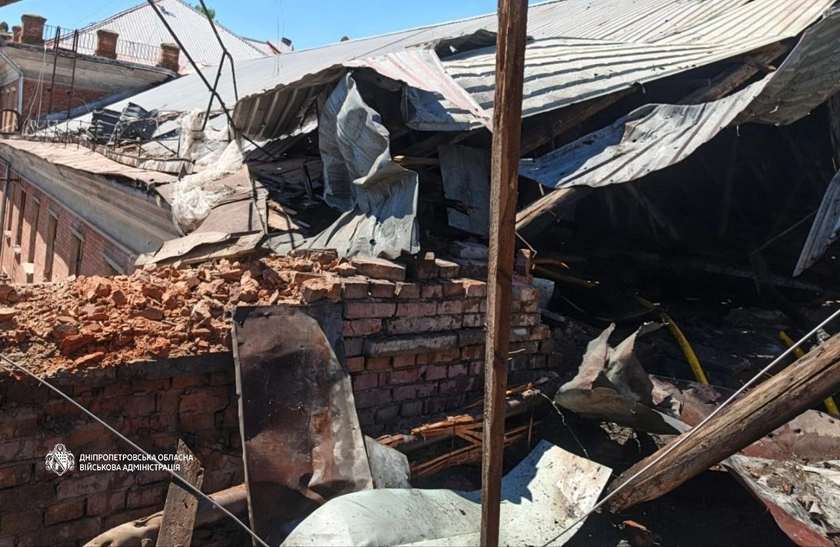
The revisions reflect July’s 1% GDP contraction and the growing toll of the war. Russian air and drone strikes surged 152% year-over-year in Q2, while frontline combat engagements rose 81%, according to ACLED data cited by the NBU. Repeated attacks on gas infrastructure remain a significant drag on growth.
Structural Constraints
Ongoing destruction of industrial facilities, infrastructure, and housing has intensified migration pressures and labor market strains. The NBU stressed that the pace of recovery will depend on the course of the war. A rapid stabilization could trigger stronger private investment and consumption, offsetting the constraints of heavy defense-driven fiscal spending.
You can also highlight the text and press Ctrl + Enter