The UK has escalated its maritime enforcement against Russian sanctions evasion, executing a military operation to board and seize a Russian “shadow fleet” oil tanker in the English Channel early Sunday morning, June 14, UK Prime Minister Sir Keir Starmer confirmed on X.
The six-hour boarding operation
The interception of the SMYRTOS marks the first time London has authorized a direct, physical boarding operation against a sanctioned Russian tanker in its waters. According to the UK Ministry of Defence (MoD), the operation lasted for six hours and was executed in close coordination with French authorities.
JOIN US ON TELEGRAM
Follow our coverage of the war on the @Kyivpost_official.
The boarding party comprised elite Royal Marines and specially trained officers from the National Crime Agency (NCA).
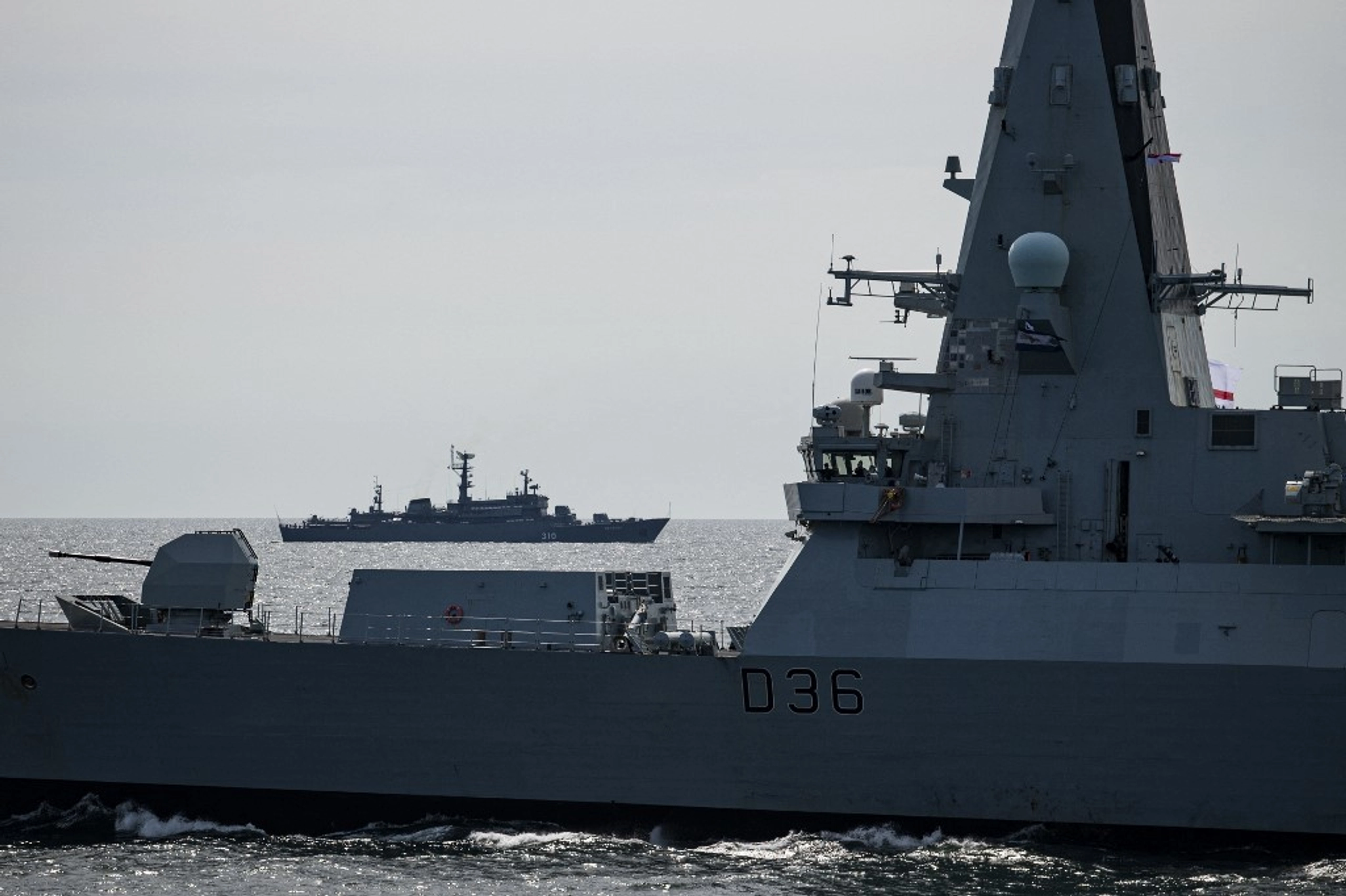
To secure the vessel safely, the UK military deployed an umbrella of air and naval support, which included the Type 23 frigate HMS Sutherland and the mine countermeasures vessel HMS Ledbury, as well as Royal Navy Chinooks, Merlin Mk4, and Wildcat helicopters, alongside an RAF P-8 Poseidon maritime patrol aircraft overhead.
Following the boarding, the Ministry of Defence confirmed that the SMYRTOS was temporarily diverted to an anchorage off the southern coast of England. There, British authorities will conduct thorough inspections to assess the aging vessel for severe environmental and security risks.
The MoD stressed that all actions within UK territorial waters were executed in accordance with national and international law.
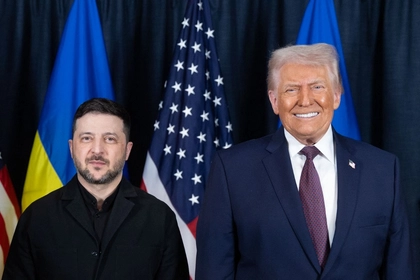
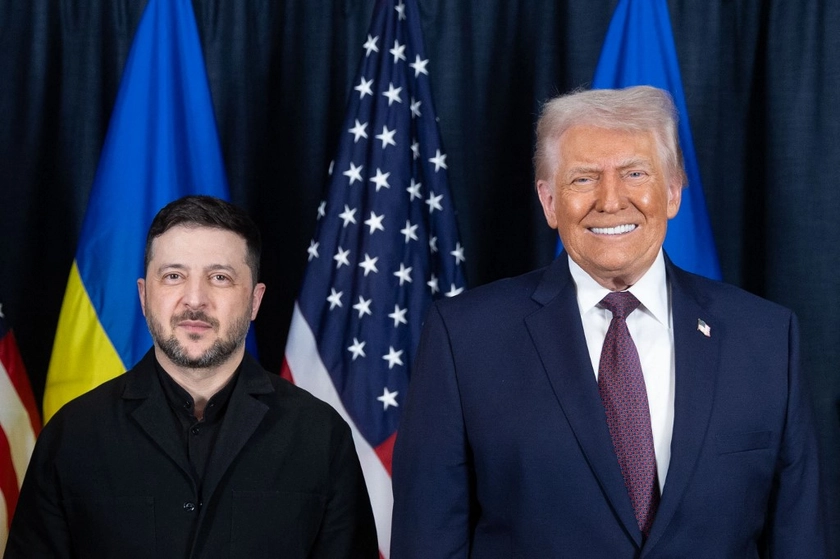
Trump to Join Zelensky for G7 Working Session on Ukraine Peace Conditions
Striking at Putin’s war chest
The operation was ordered by UK Prime Minister Sir Keir Starmer, who framed the interception as a vital step in cutting off the financial lifelines that sustain the Russian military.
“This successful operation delivers yet another blow to Russia and reminds those fueling [Russian President Vladimir] Putin’s war in Ukraine that we will not let them hide,” Starmer wrote on X. “I want to thank those involved, including our Armed Forces and law enforcement officers who keep this country safe 24 hours a day, 365 days a year.”
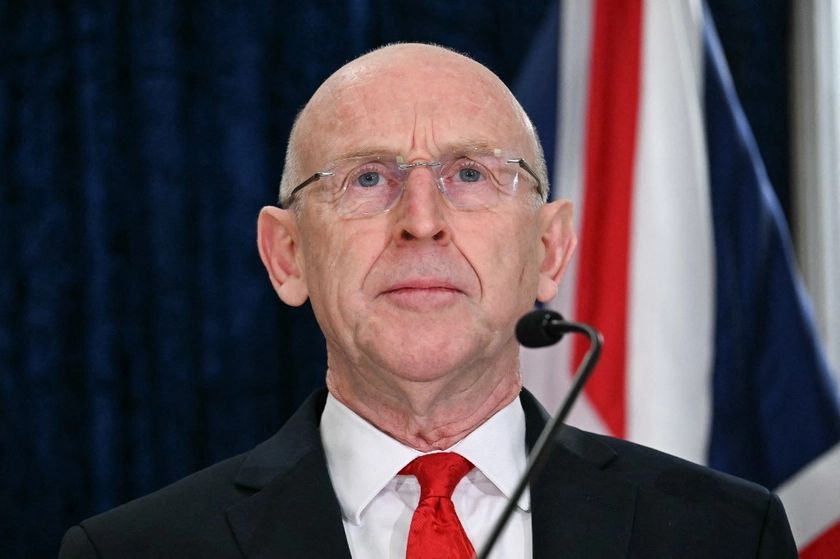
Newly appointed UK Defence Secretary Dan Jarvis echoed the Prime Minister’s statement, emphasizing the economic damage the operation inflicts. “Russia relies on its shadow fleet to finance the conflict in Ukraine, and our operation strikes a blow against Putin’s illegal war,” Jarvis said.
He also noted that the interception builds on the UK’s recent strategic support of allied operations, utilizing Royal Air Force and Royal Navy assets to back US and French maritime enforcement.
In the early hours of this morning, I directed our Armed Forces to intercept a shadow fleet oil tanker attempting to pass through the English Channel.
— Keir Starmer (@Keir_Starmer) June 14, 2026
This successful operation delivers yet another blow to Russia and reminds those fueling Putin's war in Ukraine that we will not…
A broadening European blockade
The boarding of the SMYRTOS comes days after the EU announced an expansion of its own maritime enforcement capabilities. EU foreign policy chief Kaja Kallas recently confirmed that Operation IRINI, the bloc’s naval mission in the Mediterranean, has changed its rules of engagement to actively permit the detention and inspection of foreign ships suspected of belonging to the shadow fleet.
On May 31, France and the UK intercepted the tanker Tagor in the Atlantic, suspecting it of carrying Russian or Iranian oil under a false Cameroonian flag. Meanwhile, Sweden has maintained the arrest of the cargo ship Caffa in Trelleborg since March, following allegations from Kyiv that the vessel transported stolen Ukrainian grain to Syria in 2025.
Earlier in 2025, Germany and Estonia seized the Eventin and Kiwala tankers after they were added to EU sanctions lists. This crackdown builds on previous actions, such as Finland’s detention of the Eagle S in late 2024 over its suspected involvement in damaging undersea cables in the Gulf of Finland.
Moscow has repeatedly condemned the escalating Western interceptions. The Russian Foreign Ministry has accused EU and NATO states of engaging in state-sponsored “piracy,” arguing that the Western designation of a “shadow fleet” holds no legal basis under international maritime law.
You can also highlight the text and press Ctrl + Enter