WASHINGTON DC - European leaders on Sunday voiced strong condemnation after a Russian drone violated Romanian airspace over the weekend, the latest in a series of incursions that have heightened fears of a direct spillover of the war in Ukraine into NATO territory.
In a social media post on Sunday, European Commission President Ursula von der Leyen called the incident a “blatant violation of EU sovereignty and a serious threat to regional security.”
JOIN US ON TELEGRAM
Follow our coverage of the war on the @Kyivpost_official.
She added, “We are working closely with Romania and all Member States to protect the EU territory. Suntem solidari cu România,” a phrase that translates to “We are in solidarity with Romania.”
Europe’s top diplomat, Kaja Kallas, echoed this sentiment, writing on social media that the drone breach was “yet another unacceptable breach of an EU Member State’s sovereignty.”
She warned that this “continued reckless escalation threatens regional security” and confirmed she was in “close contact with the Romanian government.”
Spillover fears intensify
The violation, which prompted Romania to scramble F-16 fighter jets to track the unmanned aircraft, occurred as Russia launched a renewed barrage on Ukrainian ports.
As Kyiv Post reported earlier, the drone operated in NATO airspace for nearly an hour. Romania’s foreign minister, Oana Toiu, described the activity as “unacceptable and reckless” and stated that “Romania condemns Russia’s behavior and takes the necessary measures to protect its sovereignty and security.”
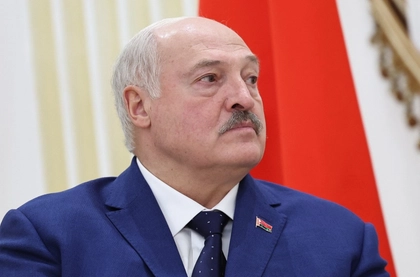
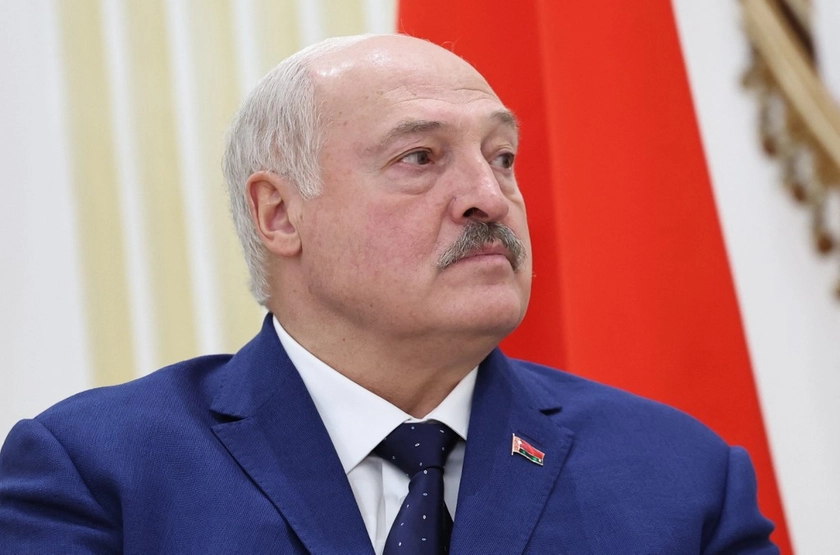
Belarus’s Lukashenko Does a 180 on Ukraine, Abandons Russian Victory Rhetoric
The incident follows a similar, more extensive violation earlier this week when nearly 20 Russian drones crossed into Polish airspace.
Poland: Russia is testing NATO with “dud” drones
On Wednesday, Poland’s military, with the support of other NATO countries, shot down three of the drones. Moscow has denied targeting the NATO country, but the events have intensified the already high tensions between the alliance and the Kremlin.
NATO Secretary-General Mark Rutte said the incursions were “not an isolated incident” and that the alliance was implementing new measures to shore up its eastern flank. Polish Prime Minister Donald Tusk said the incident brought Warsaw “the closest” it had been to open conflict since World War II.
Polish Foreign Minister Radosław Sikorski told The Guardian over the weekend that the drones were “all duds, which suggests to me that Russia tried to test us without starting a war.”
US: Lawmakers challenge Trump’s view
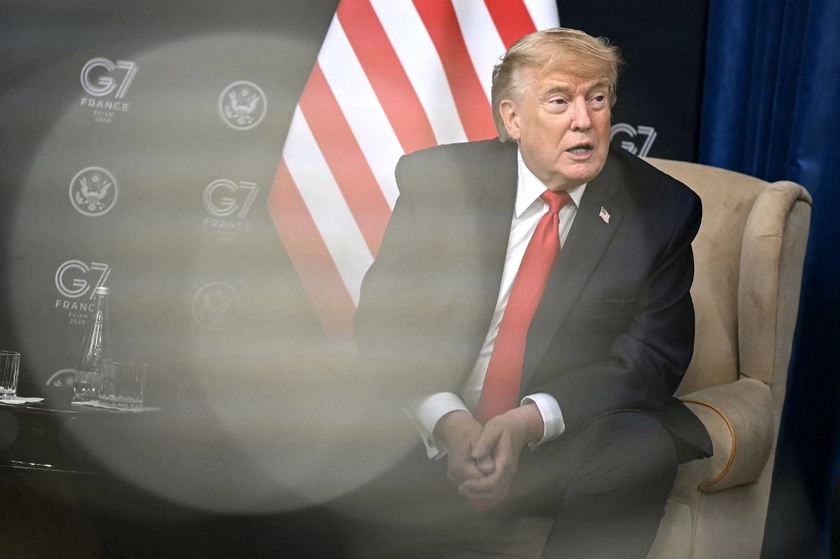
The incursions have also exposed a sharp divide in Washington, where some lawmakers offered a starkly different view from President Donald Trump. Republican Congressman Michael McCaul (R-TX), a former chairman of the Homeland Security and Foreign Affairs committees, dismissed Trump’s assertion that the violation of Polish airspace may have been a mistake.
“I don’t think that was a mistake. I think Putin is testing the resolve of NATO,” McCaul told ABC’s This Week. He added that the incidents show “how aggressive Putin is getting in the region.”
McCaul also expressed concern about Trump’s approach to the situation, suggesting that “Putin is manipulating the president, as a KGB officer would.” He said that the more Putin “irritates the president,” the better it is for the defense of NATO and Ukraine.
Congressman Adam Smith (D-WA), the ranking Democrat on the House Armed Services Committee, also offered a similarly sharp critique of Trump’s stance. Appearing on Fox News Sunday, Smith labeled Russia’s actions as “intentional,” designed to “ramp up the cost for NATO” and “divide us.”
“If one part of NATO says one thing, the other part of NATO says another thing, that divides us when the focus needs to be on defending Ukraine and supporting Ukraine,” Smith said, urging a unified response.
He warned against “tak[ing] that bait and stay[ing] united and stay[ing] focused on protecting and defending Ukraine.”
Smith’s comments underscore the deep concerns among some lawmakers that Russia is deliberately testing the resolve of the alliance, using military incursions and diplomatic posturing to create discord.
You can also highlight the text and press Ctrl + Enter