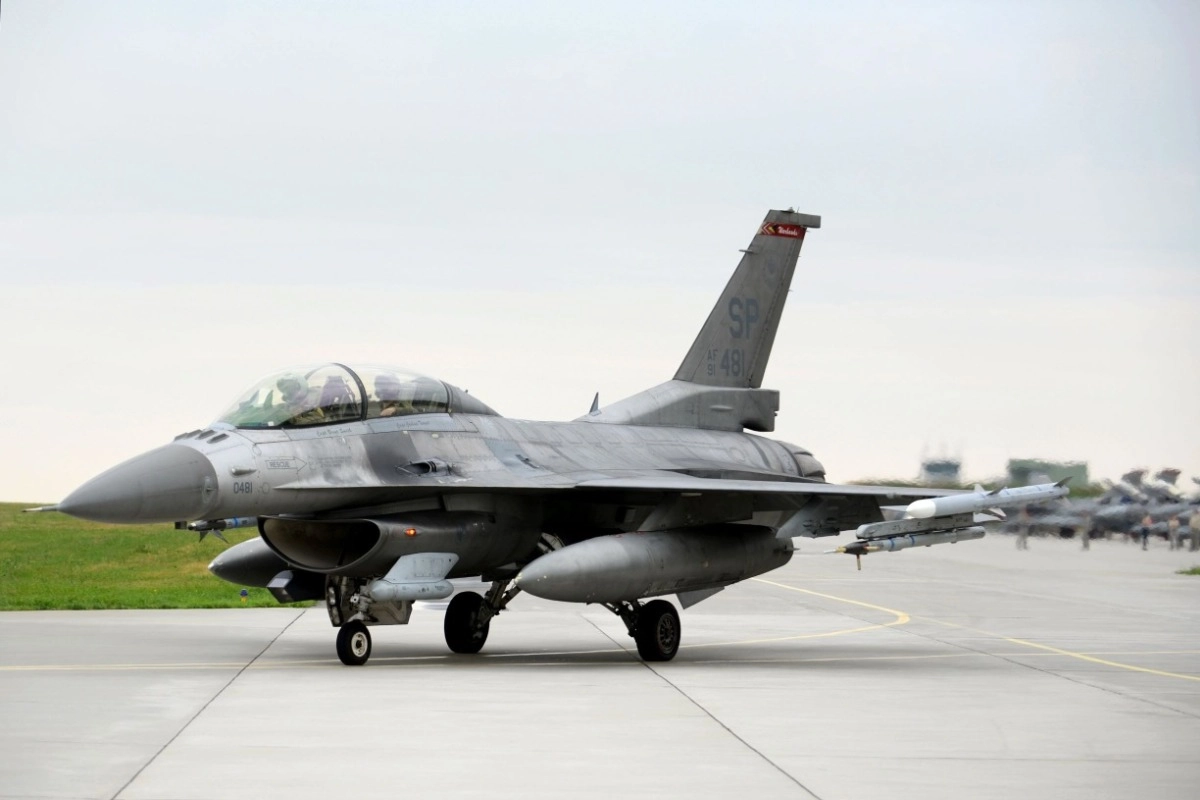
WASHINGTON DC – A Russian drone violated NATO airspace on Saturday, prompting Romania to scramble F-16 fighter jets to track the unmanned aircraft for nearly an hour.
This latest incursion, which occurred as Russia launched a renewed barrage on Ukrainian ports, has intensified fears of a direct spillover of the war and has drawn strong condemnation from allied nations.
JOIN US ON TELEGRAM
Follow our coverage of the war on the @Kyivpost_official.
Romania’s response
Romania’s Ministry of National Defense confirmed that the country’s airspace was breached by a drone during a Russian attack on infrastructure in neighboring Ukraine.
Two F-16 fighter jets were deployed and successfully “detected a drone in national airspace,” tracking it until it “disappeared from the radar” near the village of Chilia Veche.
The ministry reassured the public that the drone did not fly over populated areas and did not pose an “imminent threat,” though teams were prepared to search for possible debris.
This incident highlights a new reality for Romania, which has had several drone fragments crash on its soil previously.
In a forward-looking move, the country’s parliament adopted a law in February making it possible for its military to shoot down drones breaching its airspace.
The reactions from officials underscore the gravity of the situation. “Romania condemns Russia’s reckless behavior, which threatens regional stability,” wrote Romanian Minister of National Defense Ionut Mosteanu on social media.
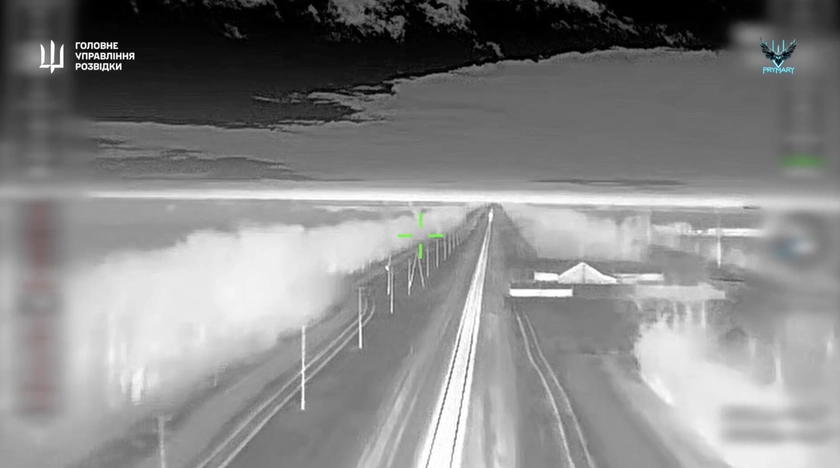
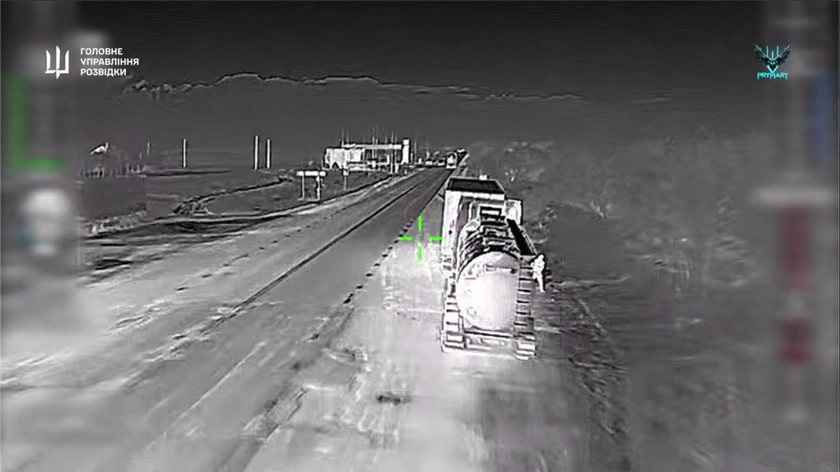
WATCH: Ukraine’s ‘Ghosts’ Burn Russian Fuel, Ammo, Supply Routes in New Footage
“Together with our NATO Allies, we remain vigilant and ready to defend every inch of Allied airspace,” he added.
Poland’s precedent and broader implications
This latest incursion comes on the heels of similar events that have put Poland and Romania on high alert.
Days prior, Poland was forced to shoot down Russian drones that had entered its territory, marking the first known shots fired by a NATO member at a Russian asset in the war. The Polish military called on Moscow to avoid further “provocations.”
This precedent was referenced by Polish Prime Minister Donald Tusk, who issued a stark warning following the incident. “I have no reason to claim we’re on the brink of war, but a line has been crossed, and it’s incomparably more dangerous than before,” Tusk said.
“This situation brings us the closest we have been to open conflict since World War Two,” he added.
Ukraine’s forceful condemnation
President Volodymyr Zelensky delivered the most direct and forceful condemnation. In a social media post, he claimed the drone penetrated “about 10 kilometers into Romanian territory and operated in NATO airspace for around 50 minutes.”
According to Zelensky, the drone’s route was “always calculated” and was not a “coincidence, a mistake, or the initiative of some lower-level commanders.”
He concluded by calling it “an obvious expansion of the war by Russia” and urged allies to take “preventive” action.
This view was echoed by the Ukrainian Foreign Ministry, which stated the Russian military knows “exactly where their drones are headed” and demanded a “strong and decisive response – tougher sanctions, tariffs against Russian trade, and a reliable defense system.”
Allied support and NATO’s new initiative
The incident has resonated across the continent. Sweden’s Minister of Foreign Affairs, Maria M. Stenergard, offered her country’s support, writing in a social media post, “Another unacceptable violation of NATO airspace. Sweden stands in full solidarity with Romania as a NATO Ally and EU Member State.”
In response to the pattern of violations, NATO recently announced a new initiative, “Eastern Sentry,” to bolster the defense of its eastern flank, signaling a new, more aggressive posture against Russian aerial threats.
Retired US Army Colonel Richard Williams, a former deputy director in NATO’s Defense Investment Division, told Kyiv Post on Saturday: “In my view, the Romanian incident confirms that these drone attacks were intentional. They were a part of a deliberate Russian campaign to test the responses of the nations concerned and NATO.”
Varied US response
Kyiv Post reached out to the White House and the State Department on Saturday but hasn’t heard back by the time of this publication.
In the wake of a similar incident involving drones over Poland, US Ambassador to NATO Matthew Whitaker last week issued a strong statement, saying the US would “defend every inch of NATO territory.”
US President Donald Trump last week offered a more ambiguous initial response to the Polish drone incursion, writing, “What’s with Russia violating Poland’s airspace with drones? Here we go!”
He later suggested the incident “could have been a mistake,” though he added that he was “not happy” with the situation.
Polish officials, however, insisted the incursion was deliberate.
You can also highlight the text and press Ctrl + Enter

Putin’s Worst Nightmare
Zelensky Reveals Intercepted Intel From Putin’s Desk