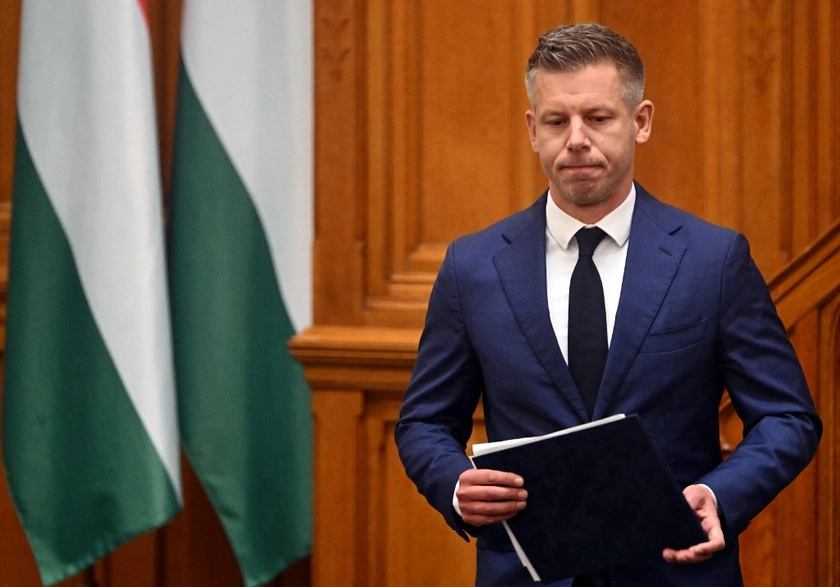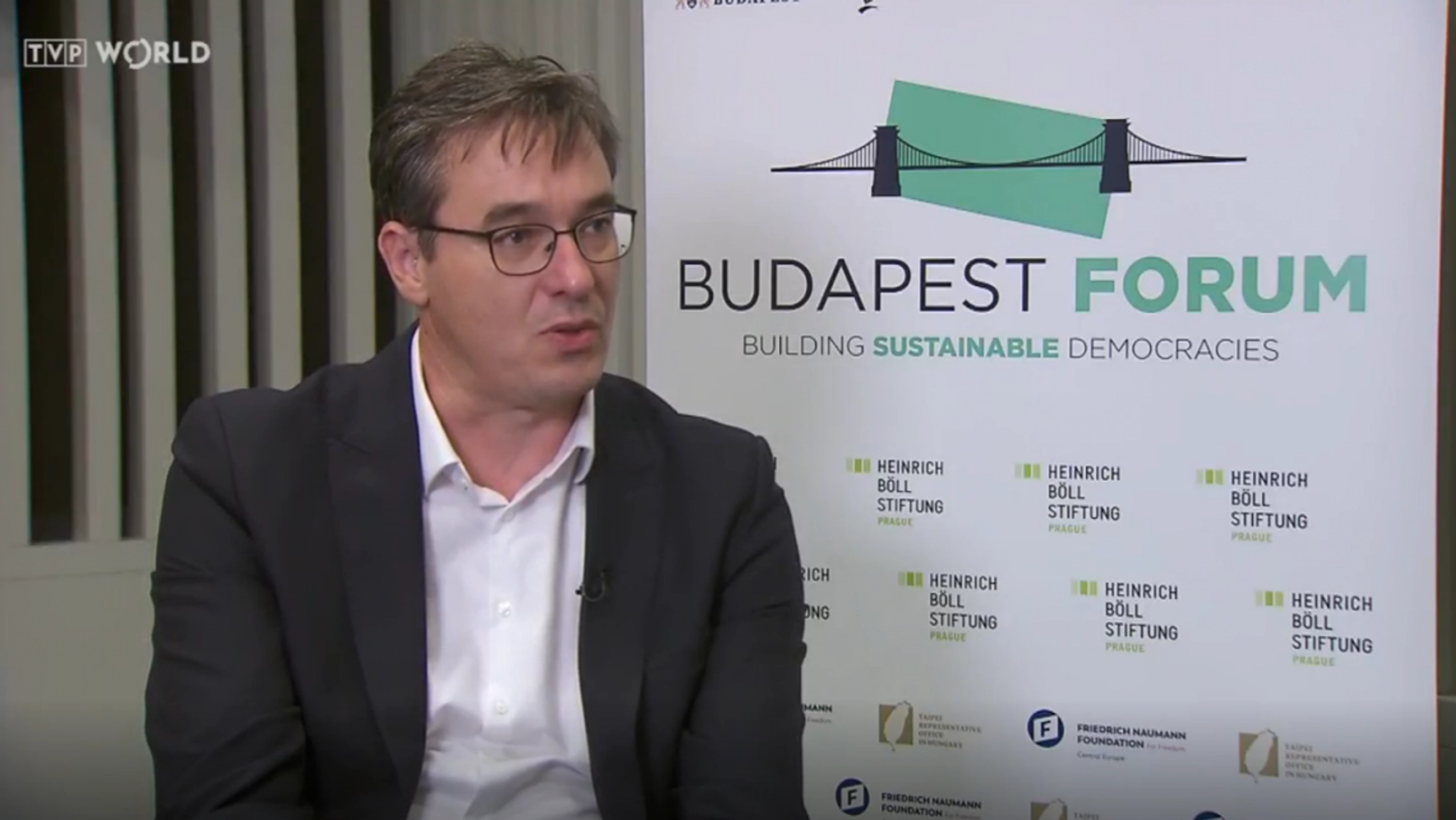
“My great-grandparents were taken away to forced labor camps by Russian soldiers, and they never returned alive. And there are many such stories engraved in the soul of Hungarians,” Karácsony told TVP World after speaking at the Budapest Forum for Building Sustainable Democracies conference, on Wednesday.
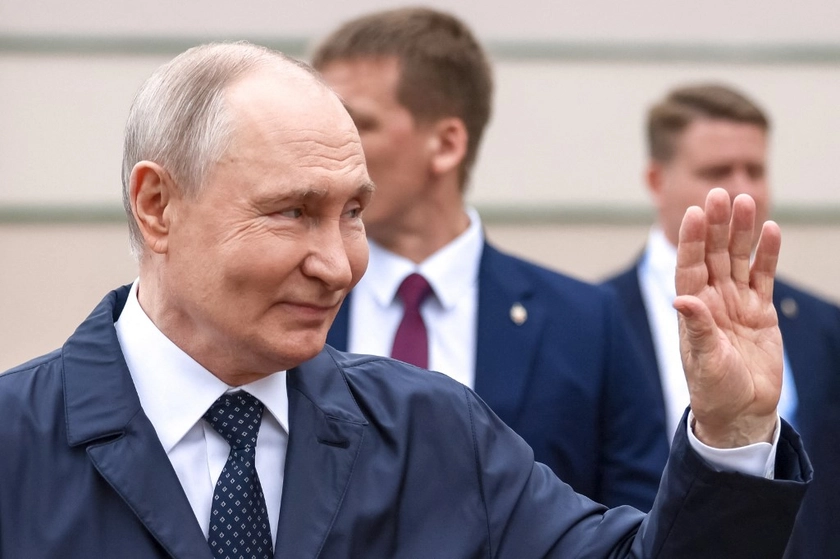
Karácsony’s comments are in sharp contrast to Hungary’s nationalist Prime Minister Viktor Orbán, who has positioned himself as one of Europe’s closest allies of Russian President Vladimir Putin, calling Western support for Kyiv a mistake and even saying that “Russia has won the war and Ukraine has lost it.”
JOIN US ON TELEGRAM
Follow our coverage of the war on the @Kyivpost_official.
His government has often blocked or diluted EU measures aimed at punishing Moscow and remains a vocal critic of sanctions.
Karácsony has been the liberal mayor of Hungary’s capital city since 2019 and was narrowly reelected in 2024; now, he is running for prime minister against Orbán in the 2026 parliamentary election.
Pro-Russian Hungary… how is that possible?
“It is absolutely clear that the Hungarian government should have a clear policy against Russia, against Russian aggression, and in support of Ukraine. This follows directly from Hungarian history,” Karácsony said.
Karácsony said he could not explain “how it was possible to convince a significant part of Hungarian society” to support Moscow’s position, given Hungary’s history of suffering under Russian military interventions.
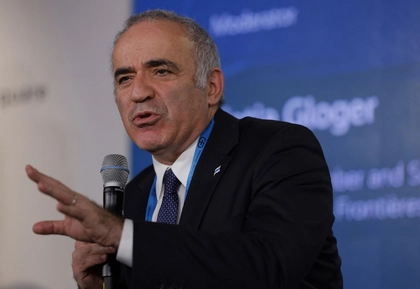
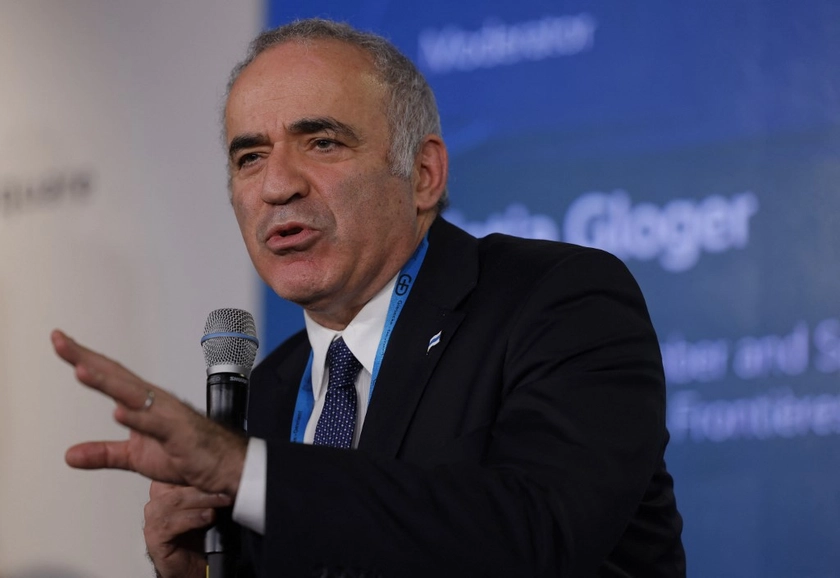
Kasparov: Ukrainian Flag in Sevastopol Is the Shock Russia Needs to Accept Empire Is Dead
According to Karácsony, the government had fostered a mood in which “Hungarians have adopted a kind of survival reflex: not to want to pick a fight with such a powerful country,” but warned that “it is obvious that this is not the long-term interest of either Europe or Hungary.”
The capital – public enemy no.1
The mayor also accused Orbán’s ruling Fidesz party of being hostile to the capital.
“Hungary has a government that practically cannot tolerate any kind of social autonomy, and among these autonomous institutions, the Budapest Municipality, which I lead, is actually the largest form of social autonomy in Hungary,” he said.
In June, tens of thousands of people resisted the ‘intolerance’ of Orbán’s Hungary. They marched through Budapest with rainbow flags and anti-government banners after police banned the city’s Pride event under a child protection law, turning it into one of the biggest anti-government demonstrations in years.
Karácsony attempted to circumvent the police ban by organizing it as a municipal event, giving it an air of legitimacy in the process – and reaffirming Budapest’s role as an opposition center in Hungary’s political theater.
At the rally, he told the crowd, “The message is clear, they have no power over us.”
Moving beyond the Budapest-Countryside dichotomy
Karácsony said in the interview that the government, backed mainly by rural voters, carries “an element of anti-Budapest sentiment” into its policies and often pits rural voters against the more progressive residents of the capital, a city of 1.7 million that is home to 17% of all Hungary’s citizens.
Despite this, Karácsony rejected portraying Budapest as opposed to the countryside, describing it instead as “the nation’s capital, which brings Hungary back into Europe.”
Karácsony, once known for calling Budapest an “island of freedom” in a land ruled by Orbán’s Fidesz, said he has stopped using the phrase, arguing that it only deepens the kind of polarization that fuels populism.
Hungary will hold parliamentary elections in spring 2026. Peter Magyar’s center-right Tisza party has consistently led Viktor Orbán’s nationalist right-wing party, Fidesz, in voter surveys since October.
Karácsony’s party, Dialogue - The Greens’ Party (Párbeszéd – A Zöldek Pártja), currently polls at around 2%, according to Politico’s poll of polls for September 12.
See the original here.
You can also highlight the text and press Ctrl + Enter