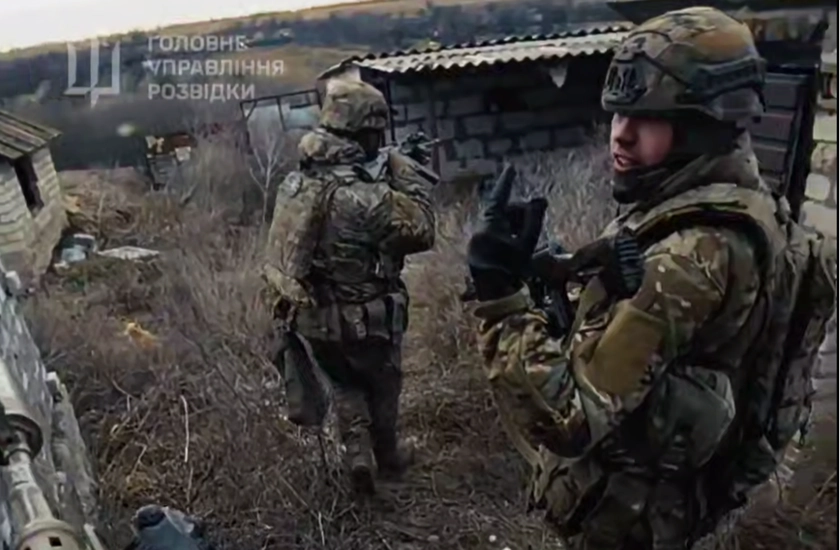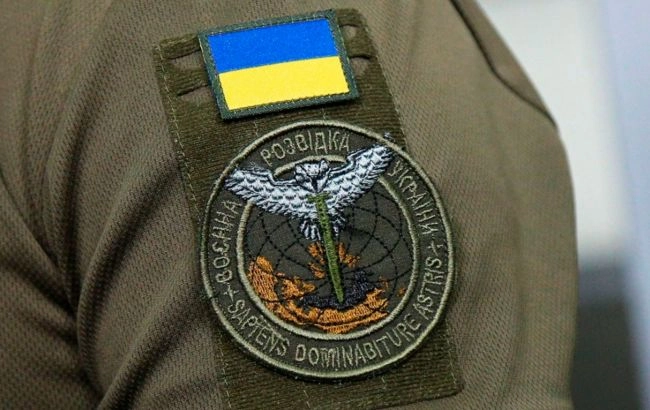
Ukraine’s military intelligence directorate (HUR) says its cyber specialists have successfully breached the servers of the Russian imposed authorities in Crimea for the second time in recent months, obtaining over 100 terabytes of sensitive data.
A HUR source told Kyiv Post that the hacked files include official correspondence by the Russia-installed head of Crimea, Sergey Aksyonov, as well as internal communications between ministries and agencies of the occupation government.
JOIN US ON TELEGRAM
Follow our coverage of the war on the @Kyivpost_official.
Among the documents are lists and the personal data of Ukrainian children illegally removed from the occupied areas of the Donetsk, Luhansk, Kherson, and Zaporizhzhia regions to Crimea and Russia.
The information, which includes details about guardians and the children’s residence and schooling, has been passed to law enforcement for investigation of potential war crimes.
The operation also uncovered information on Russian military units in Crimea, including personal data of servicemen, details about relatives, lists of prisoners and casualties, and requests from so-called “SVO participants” to be allocated land plots on the peninsula.
Other files confirmed a shortage of fuel and lubricants in the region following strikes on Russian refineries, according to the source.
“This is already the second successful operation against the Crimean occupation authorities’ servers in recent months,” the source said. Following the previous breach, Russian FSB representatives reportedly visited Aksyonov and his subordinates to identify the “mole,” but were unsuccessful.
Ukraine Says Strikes on Russia’s Shadow Fleet Are Legal
The earlier operation targeted Russian systems during nationwide voting on Sept. 14, including those in other occupied Ukrainian territories.
HUR cyber specialists carried out a sweeping attack that paralyzed the digital resources of Russia’s Central Election Commission (CEC), preventing many Russians from casting ballots in gubernatorial and mayoral races.
The distributed denial-of-service (DDoS) attack also targeted the servers of the CEC’s remote e-voting platform, backbone routers of the state-owned telecom provider Rostelecom, and servers of the government services portal “Gosuslugi.”
Russian authorities confirmed disruptions had occurred. “The internet went down in the CEC building – it’s an attack,” commission head Ella Pamfilova said, according to Russian media.
The country’s internet regulator, Roskomnadzor, also acknowledged failures in remote voting services, blaming “traffic degradation on Rostelecom’s backbone network.”
You can also highlight the text and press Ctrl + Enter