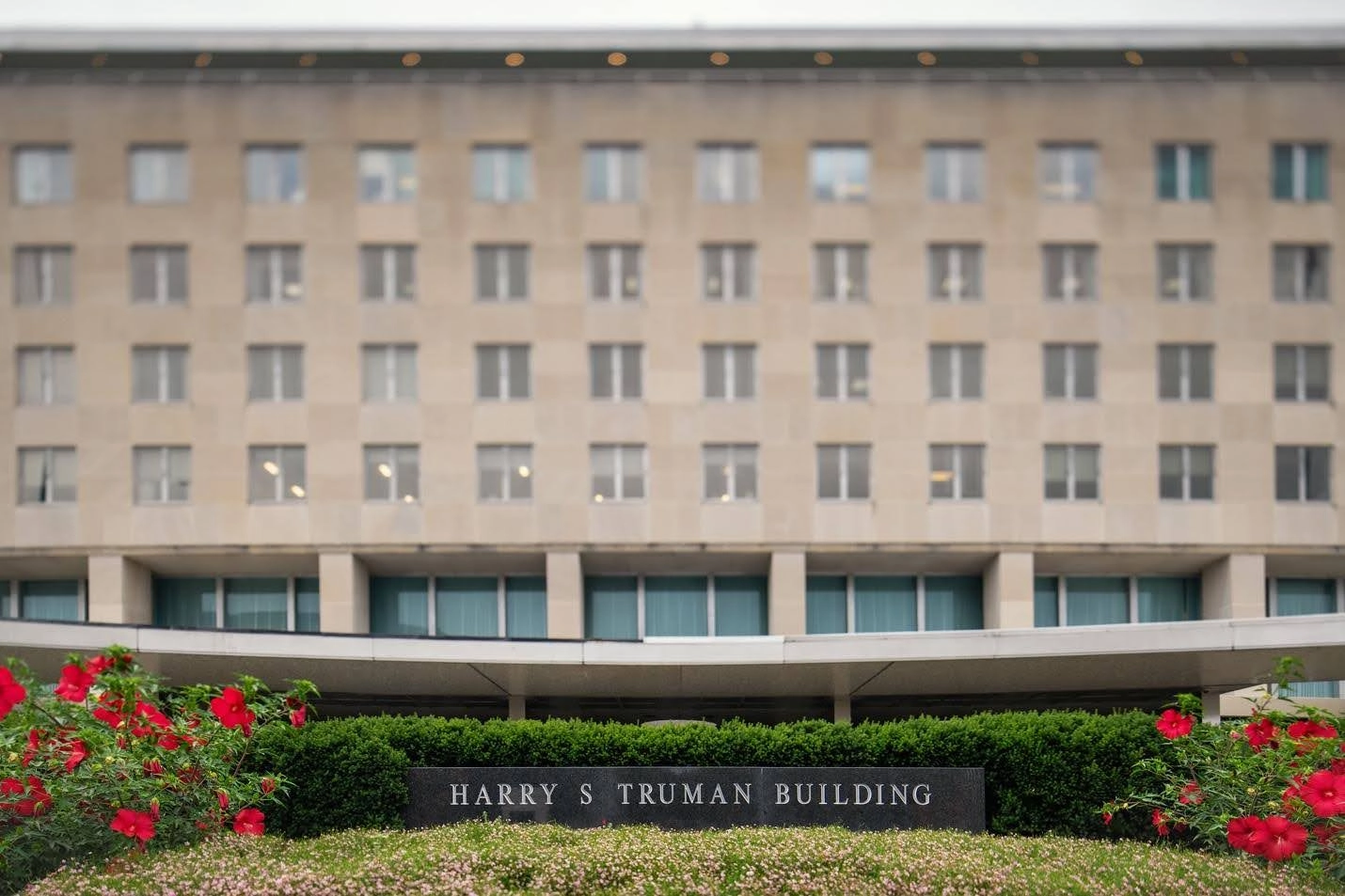
WASHINGTON DC – Russia has been identified by the US State Department for a “government policy or pattern of trafficking” of Ukrainian citizens, a damning picture laid out in the newly released 2025 Trafficking in Persons (TIP) Report.
The report, a global scorecard on modern slavery, excoriated Moscow’s actions during the war in Ukraine, leading to Russia’s continued designation as a Tier 3 country – the lowest rank, reserved for governments not making significant efforts to eliminate trafficking.
JOIN US ON TELEGRAM
Follow our coverage of the war on the @Kyivpost_official.
Meanwhile, the report acknowledged that Ukraine (Tier 2) is making “significant efforts” to fight trafficking despite facing a major war that has displaced nearly one-third of its population, underscoring the stark contrast between the two nations’ approaches to the humanitarian crisis.‘
Policy or pattern’ of state-directed exploitation
The State Department’s findings paint a grim picture of state-directed exploitation, not only in Ukraine but also involving citizens of other nations, placing Moscow at the epicenter of a widening human trafficking crisis.
The most damning section of the report highlights Russia’s calculated effort to seize and relocate Ukrainian children.
According to US officials, the Russian government’s actions have involved the “forcible transfer of tens of thousands of Ukrainian children to Russia,” a practice that includes tearing some children away from their parents or guardians.
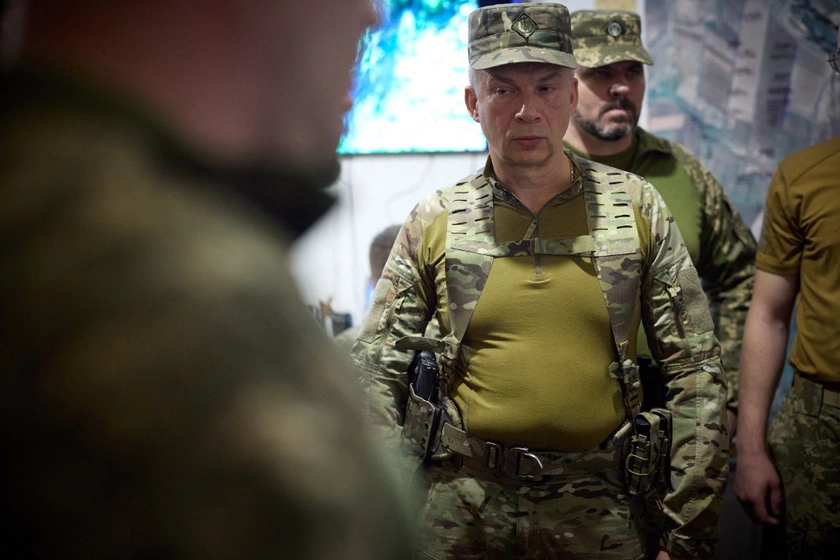
Ukraine’s General Syrsky: AFU Is Making Fair Progress vs Russia But No Victory Soon
The report is explicit: this policy “significantly increased their vulnerability to trafficking.” Once in Russia, these children are often illegally placed for adoption or with Russian foster families, essentially erasing their Ukrainian identity and ties—a grave violation that international bodies have previously condemned.
Forced labor, military coercion, and systemic state crimes
The TIP Report details a sprawling, coercive system of exploitation targeting numerous populations for the war effort and economic gain.
The Russian government is cited for operating a massive “filtration operation and detention system that included the use of forced labor.”
Detainees, including Ukrainian civilians, are reportedly forced into manual labor, including digging trenches and mass graves, repairing facilities, and working on town improvement projects; Russia’s martial law decree in occupied territories explicitly grants authorities the power to force people to work “for defense needs.”
Moscow is also documented using coercion and deception to recruit and exploit soldiers, including convicts and foreign nationals from South and Central Asia, Cuba, and Syria, to fight in the war, often with promised pardons and salaries that are never fully delivered.
Russian authorities are accused of expanding efforts to train Russian and Ukrainian children in occupied territories for possible future conscription, and reports indicate Russian-led forces have used Ukrainian children as informants and forced other children to sew clothes and bandages for Russian soldiers.
Furthermore, Russia is called out for continuing to host and exploit North Korean workers in violation of UN Security Council resolutions, with thousands subjected to forced labor conditions without being screened for trafficking indicators.
The report notes Russia’s historical support to the Kremlin-backed Wagner Group, which has previously recruited and used child soldiers in places like the Central African Republic (CAR), and while the government did facilitate the return of some Russian children from Syria who were potentially trafficking victims, it failed to report screening them for trafficking indicators upon return.
Failure to prosecute and protect
For the reporting period, the Russian government shockingly reported zero investigations, prosecutions, or convictions of any traffickers under its statutes, and did not report identifying a single trafficking victim for the fourth consecutive year.
Compounding the problem is rampant official complicity, with the report stating that corruption and official complicity “remained a significant concern,” as officials and police reportedly accepted bribes to drop trafficking cases. Instead of aiding victims, Russian authorities routinely penalized them for “unlawful acts” – such as “prostitution” or immigration violations – that were committed solely as a direct result of being trafficked.
Ukraine: Fighting trafficking amid total war
In contrast, the report notes that the Ukrainian government has increased its anti-trafficking efforts despite the devastation wrought by the Russian invasion.
Despite the massive challenge of dealing with nearly 10 million displaced citizens – all highly vulnerable to exploitation – Kyiv “identified more trafficking victims” in 2024 than in the previous year, granting official victim status to 178 people.
The government also ramped up its cooperation with foreign governments on international trafficking investigations, developed new prosecutor guidelines for handling child trafficking cases, and conducted extensive awareness campaigns.
Furthermore, Kyiv is actively investigating and prosecuting officials allegedly complicit in trafficking crimes, including a former orphanage director and military service members, though the report notes they have not secured a conviction against a complicit official for eight consecutive years.
Ongoing challenges and US recommendations
However, the TIP Report also highlights where Ukraine continues to fall short of international standards.
Courts convicted fewer traffickers overall in 2024, and judges continue to issue lenient sentences, with only 25 percent of convicted traffickers receiving prison terms, a practice the State Department warns “weakened deterrence.”
NGOs also reported continued, systemic shortcomings in the national referral mechanism (NRM) for victims, often due to war-related capacity limitations and a lack of training for local officials tasked with victim identification.
The US is urging Kyiv to “vigorously investigate and prosecute alleged trafficking crimes and seek adequate penalties” involving significant prison terms to effectively combat the crime, particularly as its citizens remain at high risk of exploitation across Europe and in areas of conflict.
The State Department’s findings draw a clear line between a government engaged in patterns of exploitation and one struggling to protect its citizens during an existential conflict.
The Tier 3 ranking for Russia could trigger sanctions, further isolating Moscow on the world stage.
You can also highlight the text and press Ctrl + Enter