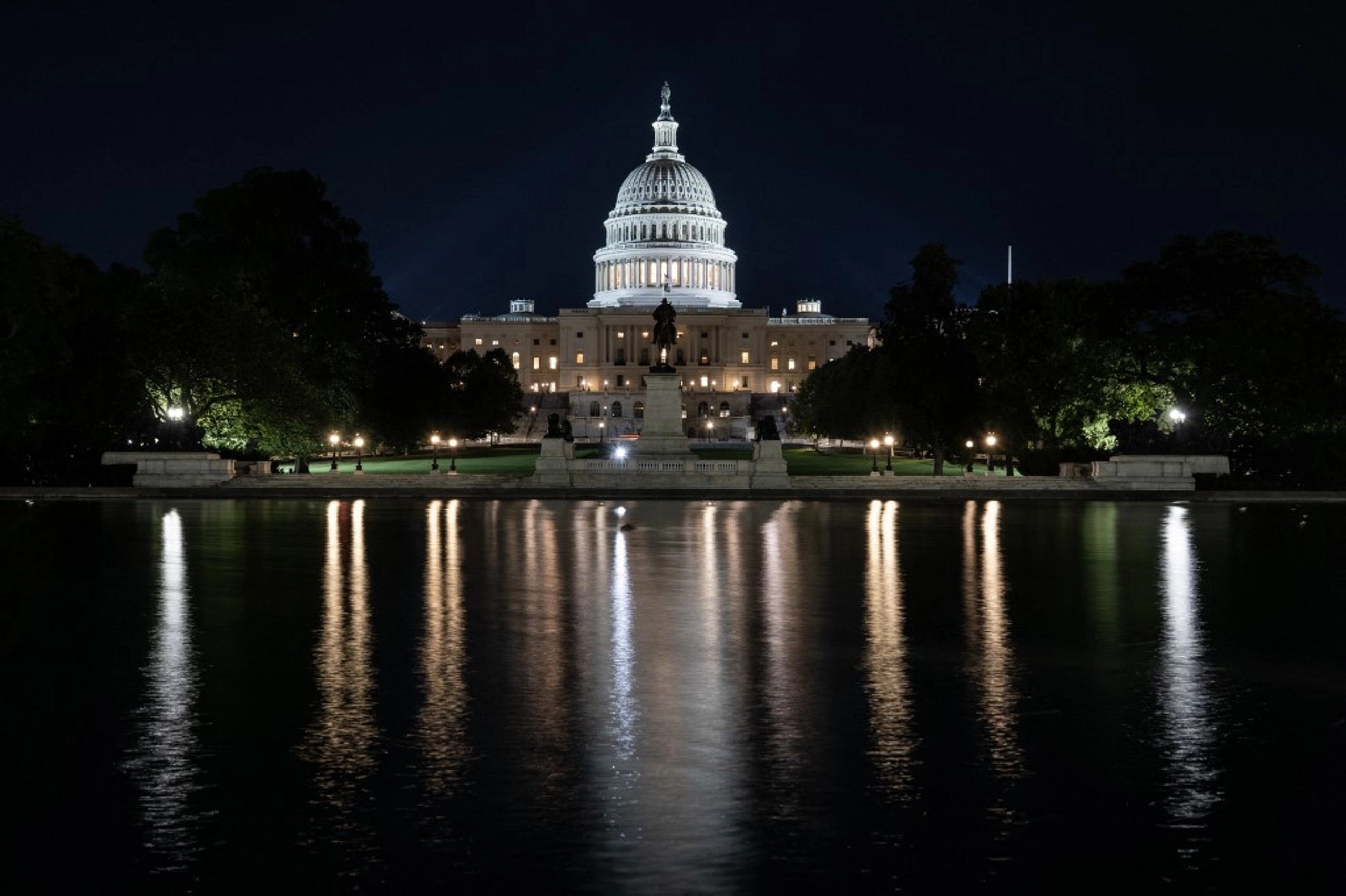
Parts of the US government shut down early Wednesday after the Senate failed to pass either of two spending bills, leaving hundreds of thousands of federal employees without pay and forcing agencies to scale back or halt operations.
The shutdown began at midnight EDT [Eastern daylight time (0400 UTC, 5 a.m. in London, 7 a.m. in Eastern Europe)] after lawmakers could not agree on a plan to fund the government, the White House confirmed.
JOIN US ON TELEGRAM
Follow our coverage of the war on the @Kyivpost_official.
Democrats lacked enough votes to push through their bill, while Republicans, despite holding a majority, fell short of the 60 votes needed override the Senate filibuster and advance their own plan.
As a result, federal agencies began sending workers home without pay. Essential services – including border security, hospital care, law enforcement, and air traffic control – will continue, but many other programs are being suspended.
National parks, food inspections, preschool programs, and processing of student loans are among the services expected to slow or stop.
The White House Office of Management and Budget confirmed the shutdown in a late-night memo, blaming Democrats.
“Affected agencies should now execute their plans for an orderly shutdown,” the memo said.
This is the first government shutdown since 2018, when a standoff over funding for Trump’s border wall lasted 36 days – the longest in US history.

What the US-Iranian Ceasefire Agreement May Mean for Ukraine
The latest battle is centered on health care funding. Democrats are demanding the extension of tax credits that make insurance more affordable, protection of Medicaid, and full funding for the CDC and NIH. Republicans have resisted, pushing instead for deeper spending cuts.
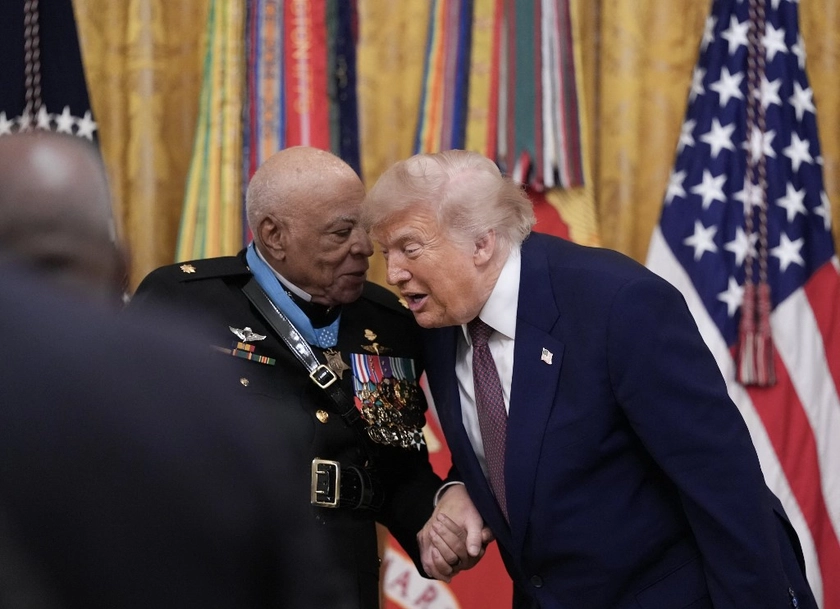
President Donald Trump and Vice President JD Vance met earlier this week with congressional leaders from both parties, but talks collapsed.
Unlike previous shutdowns, Trump’s administration has signaled it may let the closure drag on, using it as an opportunity to permanently cut federal jobs. Officials say the shutdown could help identify workers who may not be brought back.
“Now, with that being said, we can do things during the shutdown that are irreversible, that are bad for [Democrats] and irreversible by them, like cutting vast numbers of people out... cutting programs that they like,” Trump said, speaking to journalists at the White House on Tuesday.
While Social Security and Medicare payments will continue, delays are expected in benefit checks and card processing. If the standoff lasts weeks, experts warn of transportation delays and ripple effects across the US economy.
In the past 50 years, shutdowns have happened more than a dozen times, though most were short. This one comes after nine months of Trump steadily shrinking the federal workforce – and the White House appears prepared for a long fight.
You can also highlight the text and press Ctrl + Enter

Iran Reveals Details of Upcoming Peace Deal with US
Iran Rejects Trump’s Sunday Peace Treaty Timeline