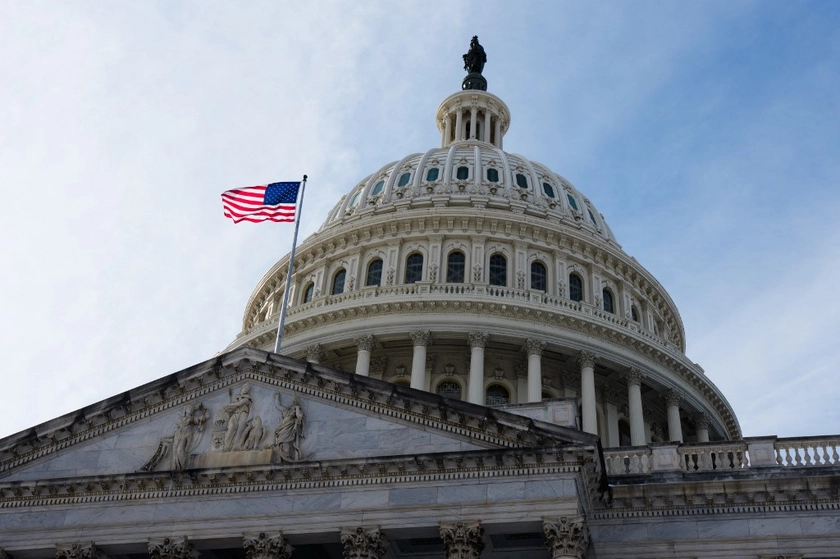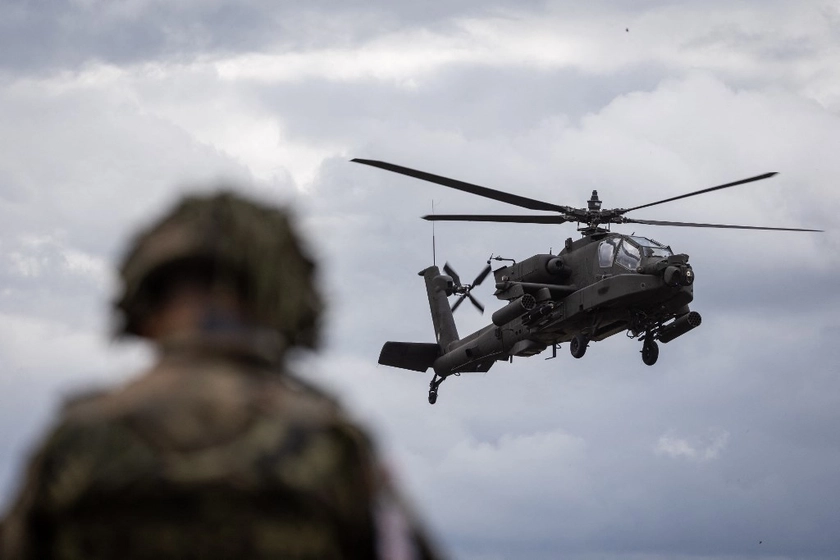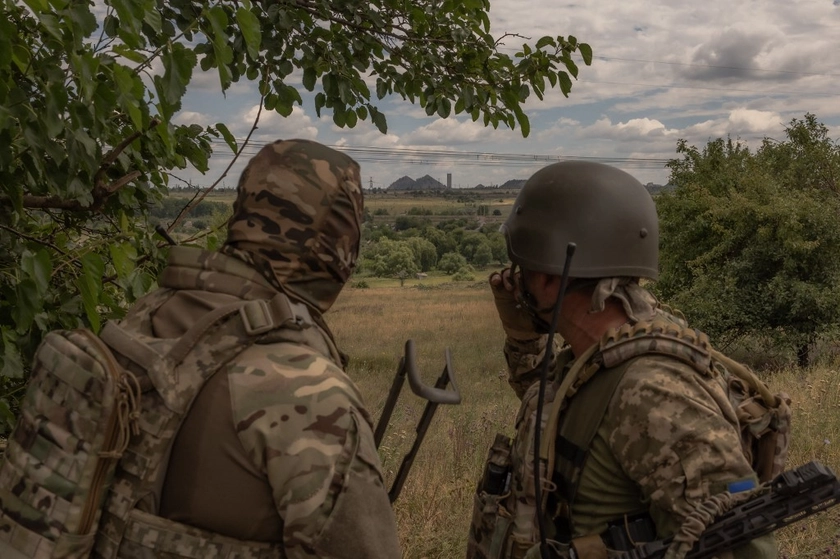
WASHINGTON, DC – Western allies must provide a “real breakthrough” in military aid to Ukraine and cease slow, incremental support to secure victory, a high-level expert panel urged Tuesday at the Atlantic Council in Washington.
Former top US, Ukrainian, and NATO officials debated the strategic value of long-range weapons such as Tomahawk missiles, stressing that fully funding Kyiv’s indigenous defense industry is the surest path to victory.
JOIN US ON TELEGRAM
Follow our coverage of the war on the @Kyivpost_official.
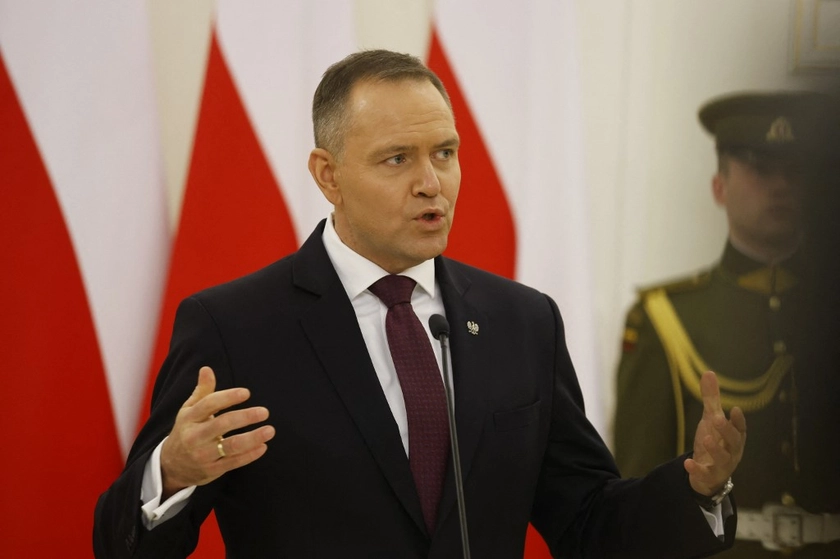
Former Prime Minister Arseny Yatsenyuk, speaking at the event, insisted that Western indecision and incremental aid had already cost Ukraine critical momentum.
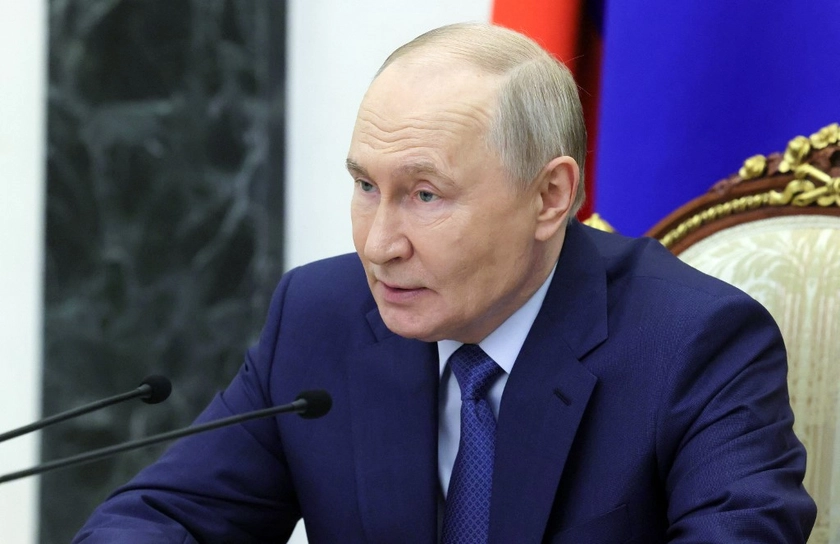
He warned that Russian President Vladimir Putin’s only acceptable outcome is “a full and unconditional capitulation and surrender of Ukraine and the Western world,” dismissing any talk of concessions or land swaps as unrealistic.
Deep division over Tomahawk missiles
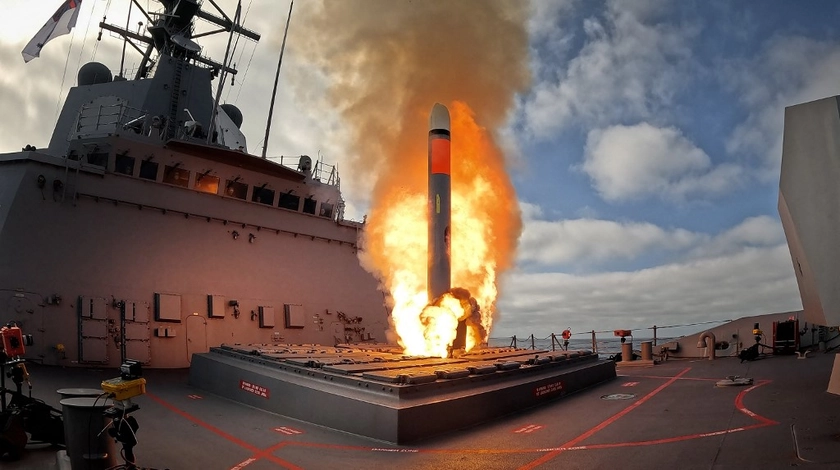
The discussion quickly centered on reports that the US is considering sending long-range Tomahawk cruise missiles to Ukraine, an idea that elicited both enthusiastic support and sharp strategic skepticism from the former American officials present.
Paula Dobriansky, a former US Under Secretary of State and National Security Council official, hailed the shift in Washington’s policy as a potential “game changer.”
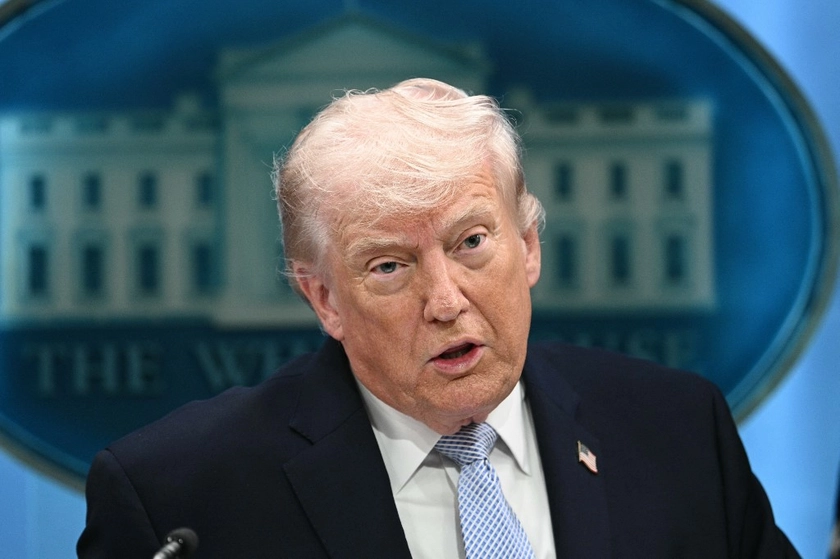
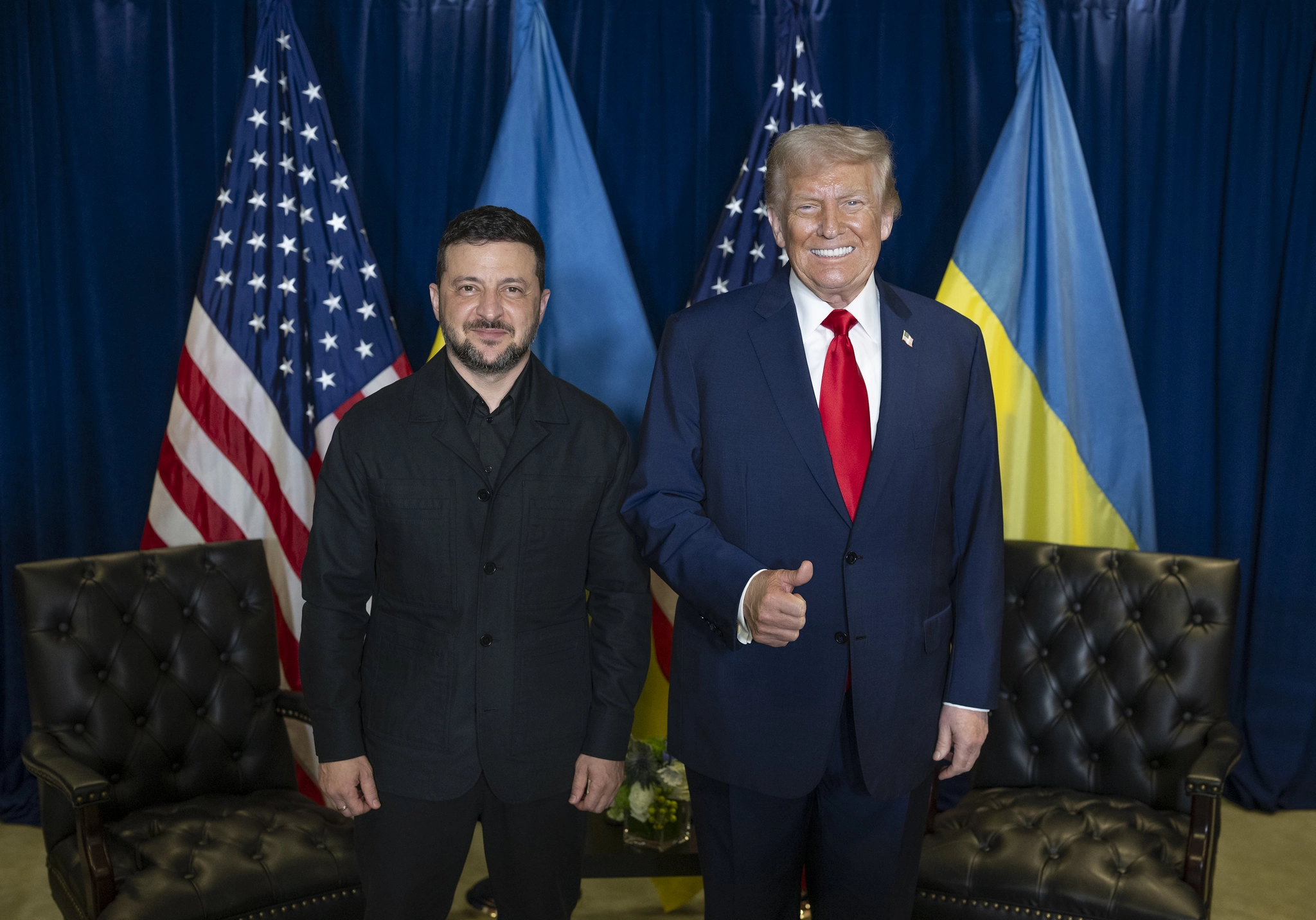
She noted that the move, coupled with recent comments from US President Donald Trump on Ukraine acquiring “all of its territory,” represented a significant evolution in American thinking.
EU: No More Protection for Ukrainian Men?
However, retired US Army Lt. Gen. and former NATO Ambassador Douglas Lute rejected the notion that the Tomahawk would be a military silver bullet.
“Look, the shorthand story of military assistance over the last three years has been one of increments,” Gen. Lute said, adding, “and none of those has dramatically changed the battlefield.”
He argued that the Tomahawks’ value is primarily “political” and not a dramatic battlefield advantage, noting that Ukraine already produces a domestically made cruise missile that is, in some ways, more capable and significantly cheaper.
Funding Kyiv’s factories is “best bang for the buck”
Despite the disagreement on specific US weapon systems, the American security experts achieved consensus on the most effective long-term strategy for Washington: investing directly in Ukraine’s manufacturing capabilities.
Gen. Lute stated unequivocally that the “best thing” the US could do is to “fully fund the emerging and flourishing domestic Ukrainian defense industry,” which he estimates is operating at less than 50% capacity today.
Kim Kagan, founder of the Institute for the Study of War (ISW), echoed this sentiment, calling investment in the defense industry an “excellent investment” for both Ukraine and the security of Europe.
Dobriansky, supporting the view, added that such investment “equates with victory in Ukraine” and is the most credible security guarantee for the country moving forward.
Yatsenyuk questioned why Western partners have withheld “cutting edge technologies” that would allow Kyiv to produce its own long-range missiles, thereby undercutting Russian claims of escalation involving US or European weaponry.
Dispelling the “stalemate” narrative
On the military situation, Kim Kagan challenged the widespread US narrative of a prolonged battlefield “stalemate.”
“This war is not stalemated. This war is positional,” Kagan explained.
She noted that Russia is making small, incremental gains using drone-supported infiltrations along the 1,200-kilometer (745-mile) front line.
Kagan warned that Putin’s “theory of victory” is based on the idea that he will simply outlast Western support.
She concluded her assessment by stressing the existential nature of the conflict for US interests: “I think it is vital for US national security that the Ukrainians win.”
You can also highlight the text and press Ctrl + Enter

OPINION: The New Line Kyiv Quietly Built Into NATO