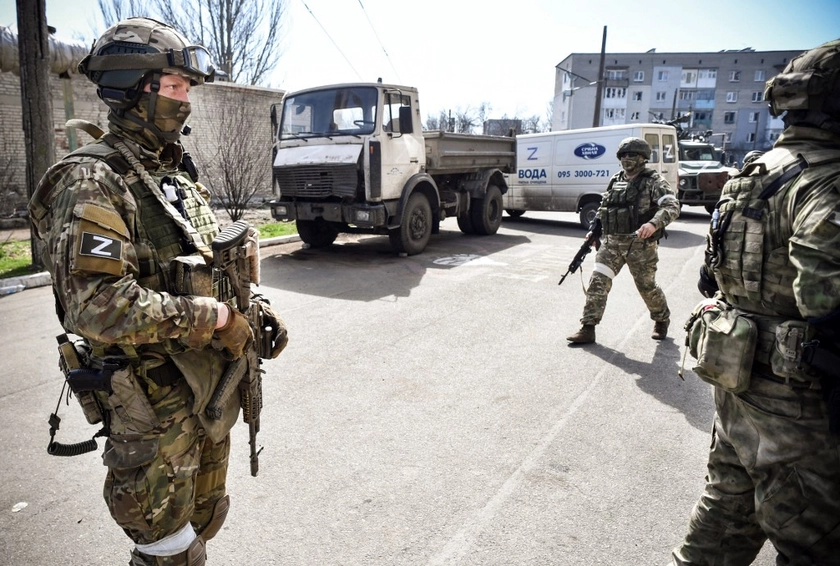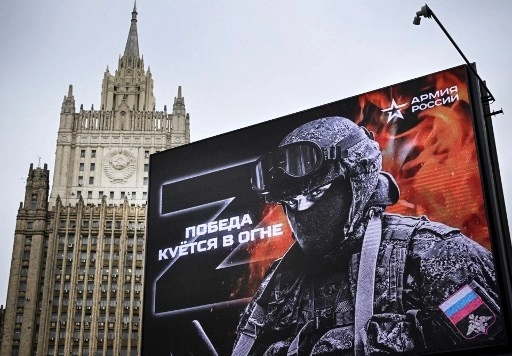
Russia’s attempts to lure new soldiers to the front with record-high cash incentives appear to be losing effectiveness, according to a new assessment by the US-based Institute for the Study of War (ISW).
Independent outlet Idel Realii reported on Oct. 12 that military recruitment offices across Russia are seeing little growth in the number of people signing contracts with the Defense Ministry, even in regions offering the largest one-time enlistment bonuses.
JOIN US ON TELEGRAM
Follow our coverage of the war on the @Kyivpost_official.
Recruiters reportedly said that “everyone who wanted to make money from the war has already signed up.”
The Khanty-Mansi Autonomous Okrug currently offers the highest bonus – 3.2 million rubles (about $39,300) – while other regions have been raising payouts to roughly 500,000 rubles ($6,100) every few months.
However, even major increases have failed to boost sign-ups. Sverdlovsk Oblast, for instance, raised its one-time payment to 3.1 million rubles ($38,100) in March 2025, but saw no surge in volunteers.
Recruiters in several Siberian regions told Idel Realii that most new applicants are of “extremely advanced age” or have chronic illnesses.
In northern Irkutsk Oblast, officials reportedly stated recruitment has been stalled for months, with most inquiries focusing on financial benefits such as debt forgiveness, loan deferments, and educational privileges for soldiers’ children.
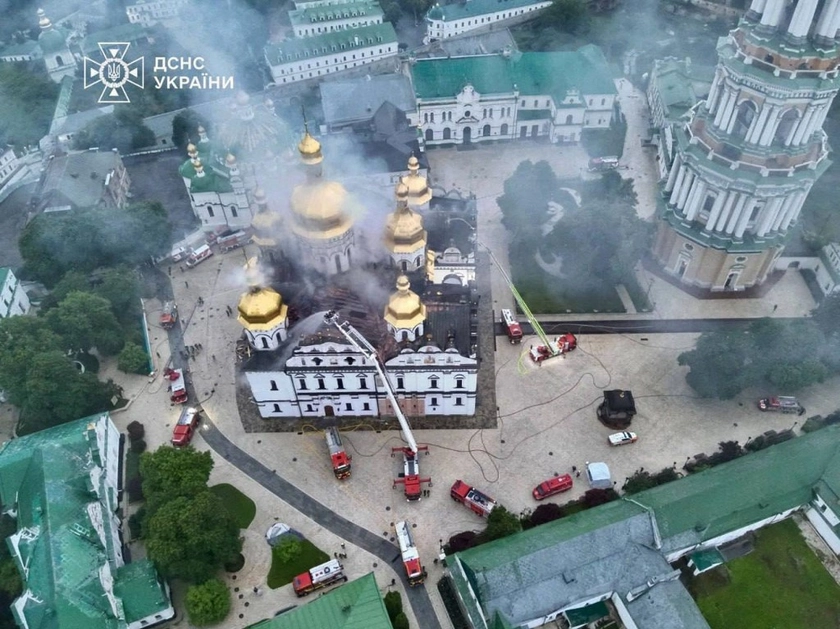
UK Signals Readiness to Support Kyiv-Pechersk Lavra Restoration
Sources also told the outlet that the Defense Ministry has been using misleading advertisements to attract recruits, claiming that a peace deal could be near and urging citizens to “get [their] millions before peace comes.”
The ministry allegedly highlights high monthly salaries earned in combat zones without disclosing that many recruits are sent directly into assault missions with life expectancies of less than a year.
ISW previously assessed in February 2025 that financial incentives alone would no longer yield major increases in enlistment, as most Russians motivated by money at available pay levels have already joined the military.
The think tank noted that Russia’s expanding bonuses and social benefits signal declining recruitment and growing pressure on authorities to find new ways to fill the ranks.
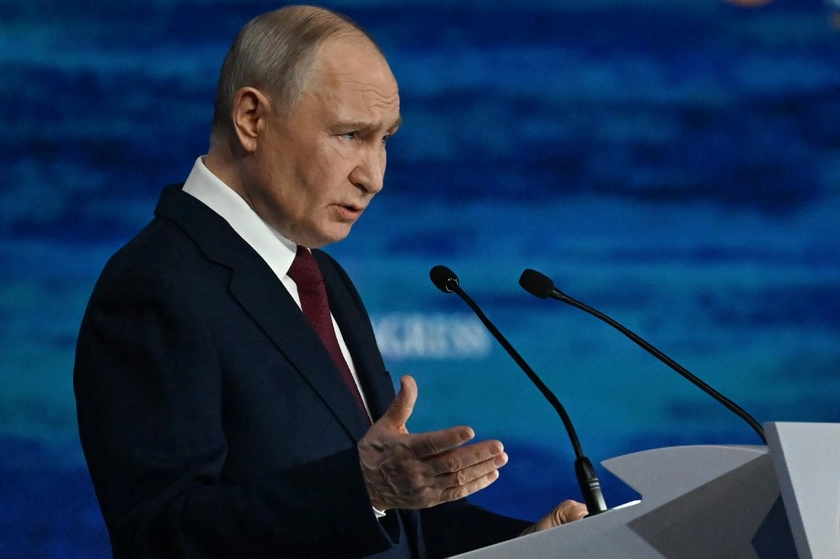
ISW warned that if Russia cannot offset its high battlefield losses through voluntary enlistment, Kremlin leader Vladimir Putin may eventually face a difficult choice between ordering an unpopular mass mobilization or entering peace talks to end the war.
Conscription system in Russia
Russia conducts conscription twice a year, in spring and fall, requiring eligible men to serve for one year.
While conscripts are usually not deployed to active combat, Moscow has relied on financial incentives, pardons, and other measures to recruit civilians for its war in Ukraine.
According to the independent news platform The Moscow Times, the unpopular September 2022 mobilization prompted up to a million Russians to flee the country. Putin has since avoided another large-scale draft.
Recent reports from Ukraine’s Center for National Resistance suggest that Russia plans to step up mobilization in temporarily occupied Ukrainian territories, targeting conscripts and even detainees.
The Center for Countering Disinformation also warned that so-called “gamer units,” reportedly trained to operate drones faster, may be part of a broader hidden mobilization effort.
Kyrylo Budanov, head of Ukraine’s Main Intelligence Directorate (HUR), earlier suggested that Russia could carry out a new mobilization drive that poses a “serious threat” to Kyiv.
“Could the Russian Federation carry out a mobilization? Yes. Could it, unfortunately, be a serious threat? Yes. It would be painful for Russia, but it is realistic. And this threat, unfortunately, exists,” Budanov said.
You can also highlight the text and press Ctrl + Enter