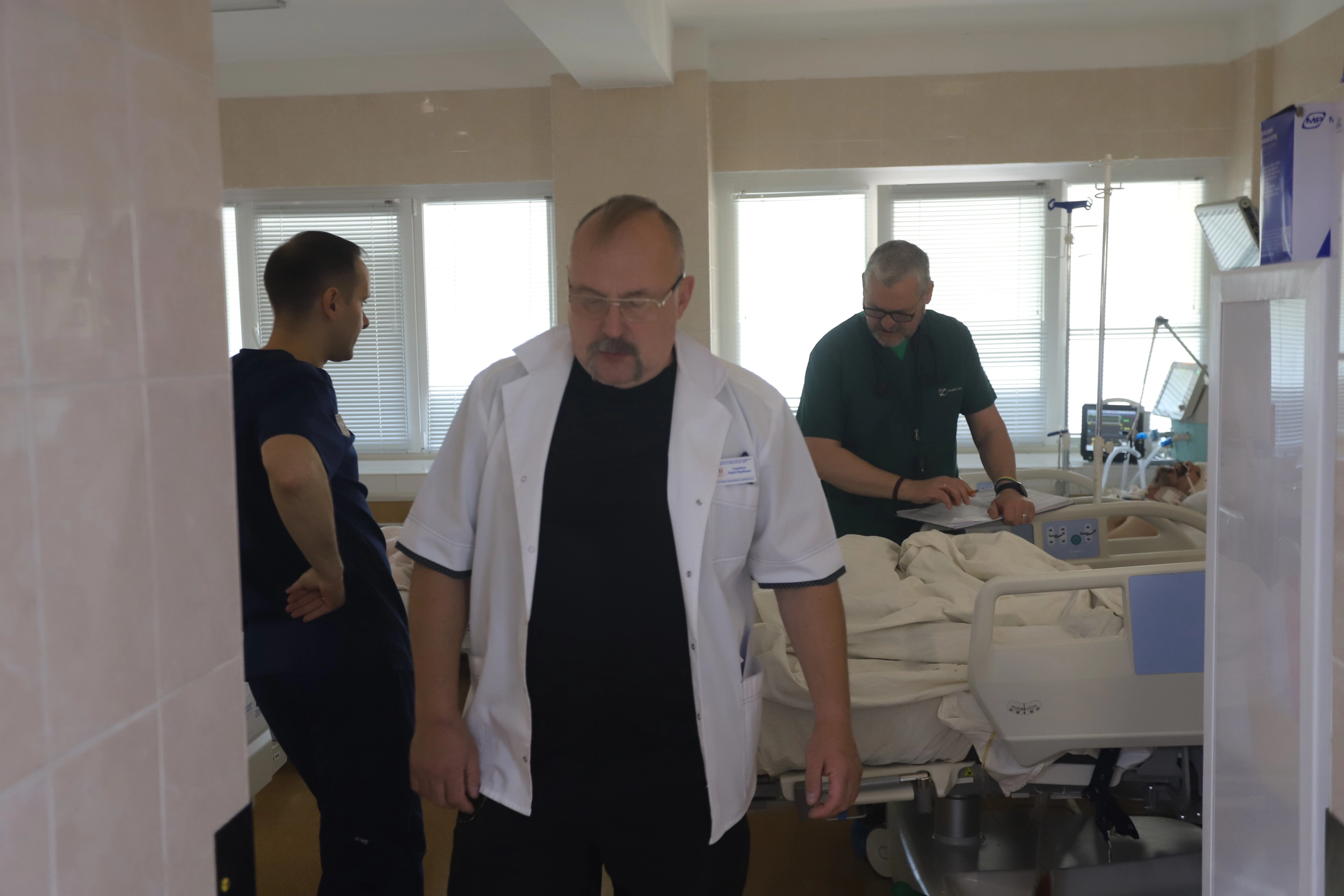
Since 2014, more than 50,000 wounded soldiers and civilians alike have passed through Ukraine’s largest hospital in Dnipro. Here, trauma surgeons confront injuries so severe that survival is never guaranteed. Many arrive straight from the front line after initial stabilization, with gunshot, mine, and explosive wounds that challenge even the country’s most experienced doctors.
Over the past 10 years of war, the number of wounded in Ukraine has reached hundreds of thousands. While most are soldiers, many civilians have also suffered injuries from enemy shelling, strikes on industrial facilities, and attacks on logistics and energy infrastructure.
JOIN US ON TELEGRAM
Follow our coverage of the war on the @Kyivpost_official.
The most severe injuries – fragmentation, gunshot, and explosive wounds – occur on the front line. At field stabilization points, wounded soldiers receive critical first aid and stabilization.
From there, those with the gravest injuries are transported to hospitals like the one in Dnipro, 100 kilometers (60 miles) from the front. Tens of thousands have passed through its doors since 2014. Here, doctors perform complex surgeries to save lives, salvage limbs, and stabilize patients who have already endured the battlefield’s worst.
Ukrainian Missile Campaign Now Reaches Across Half of Russia
Inside the hospital
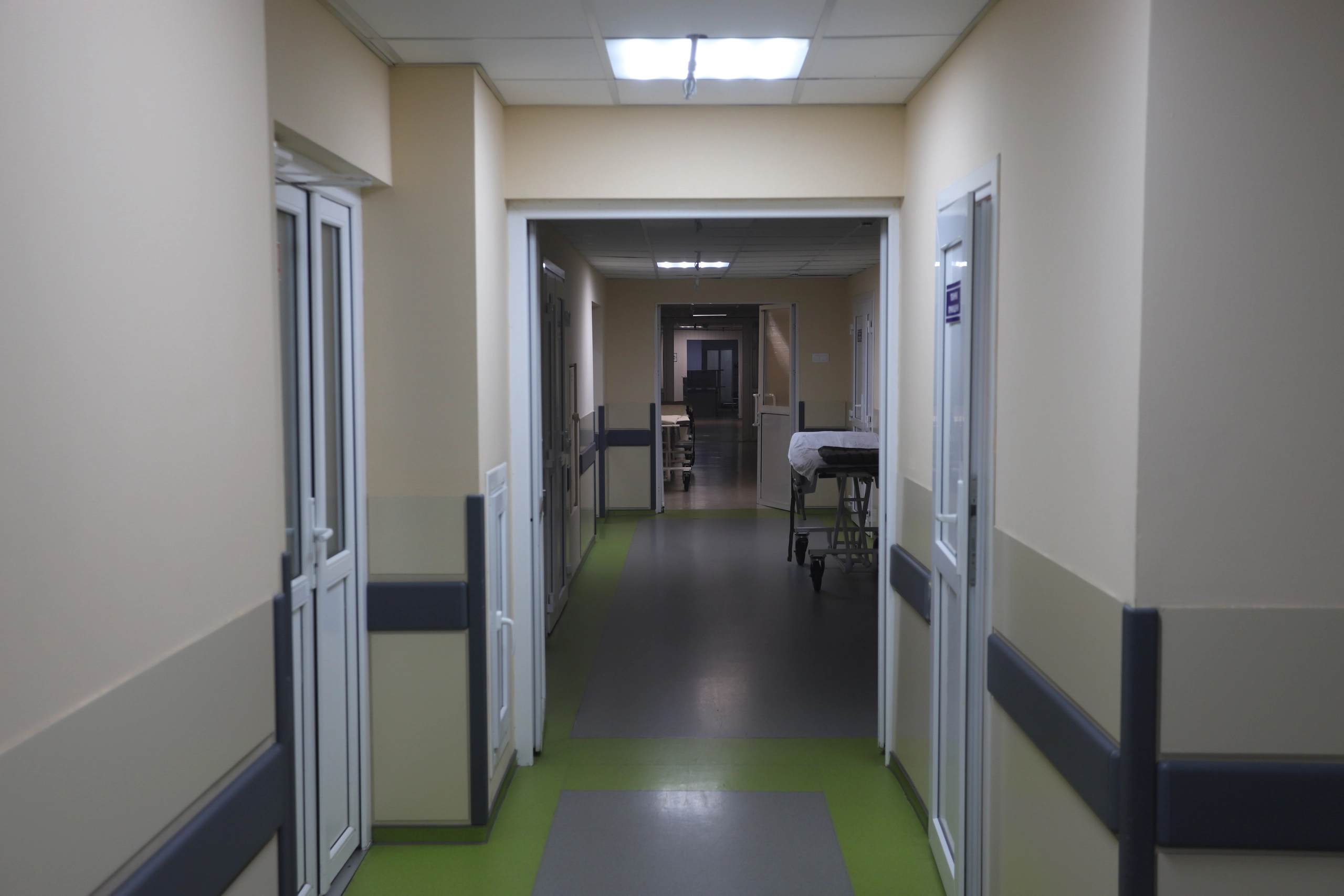
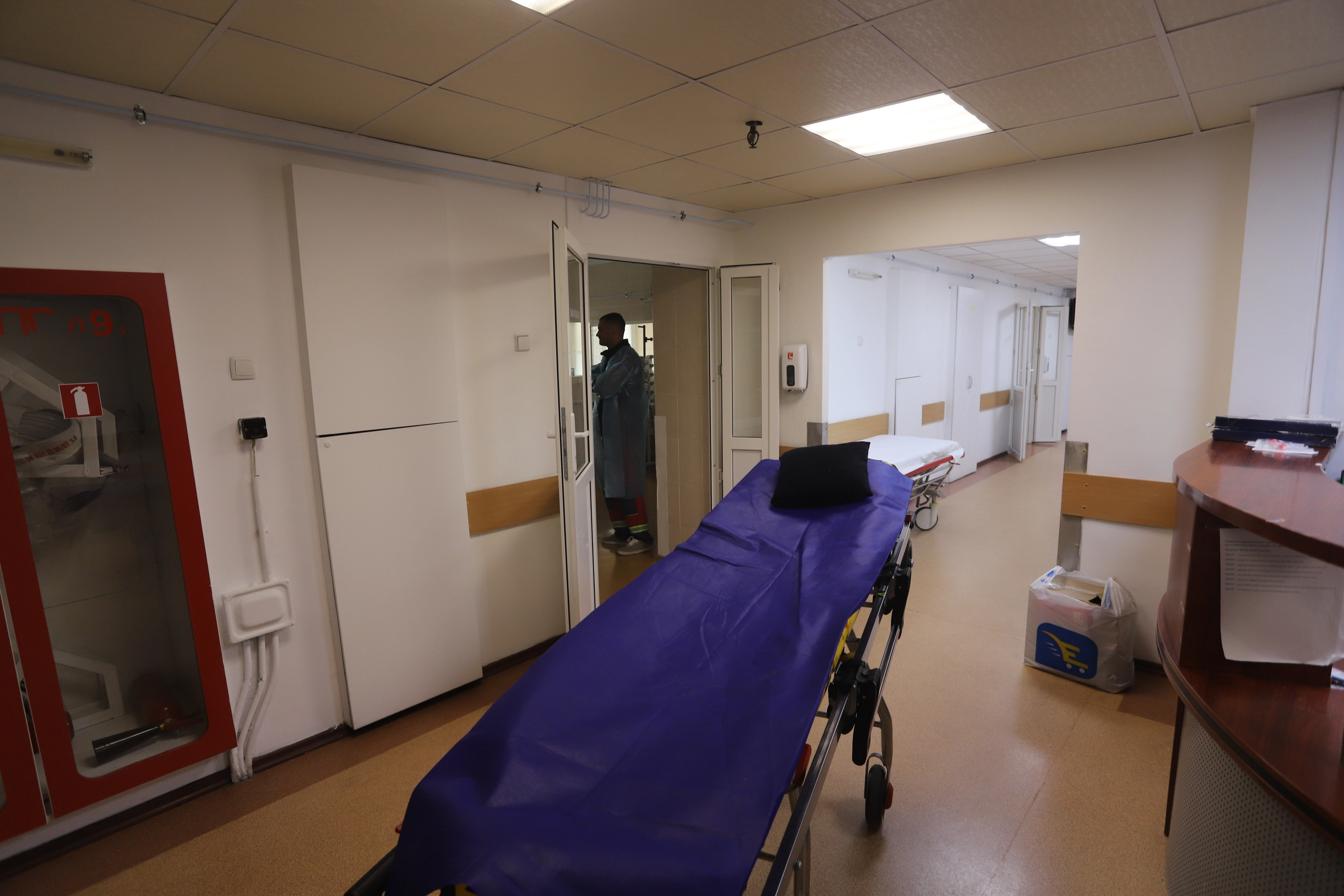
“And here we have the admission department, the box is fully equipped,” says deputy chief physician Yuriy Skrebets.
It’s morning, and the ward is quiet – but the calm is temporary. Soon, stretchers will arrive, carrying patients with severe injuries.
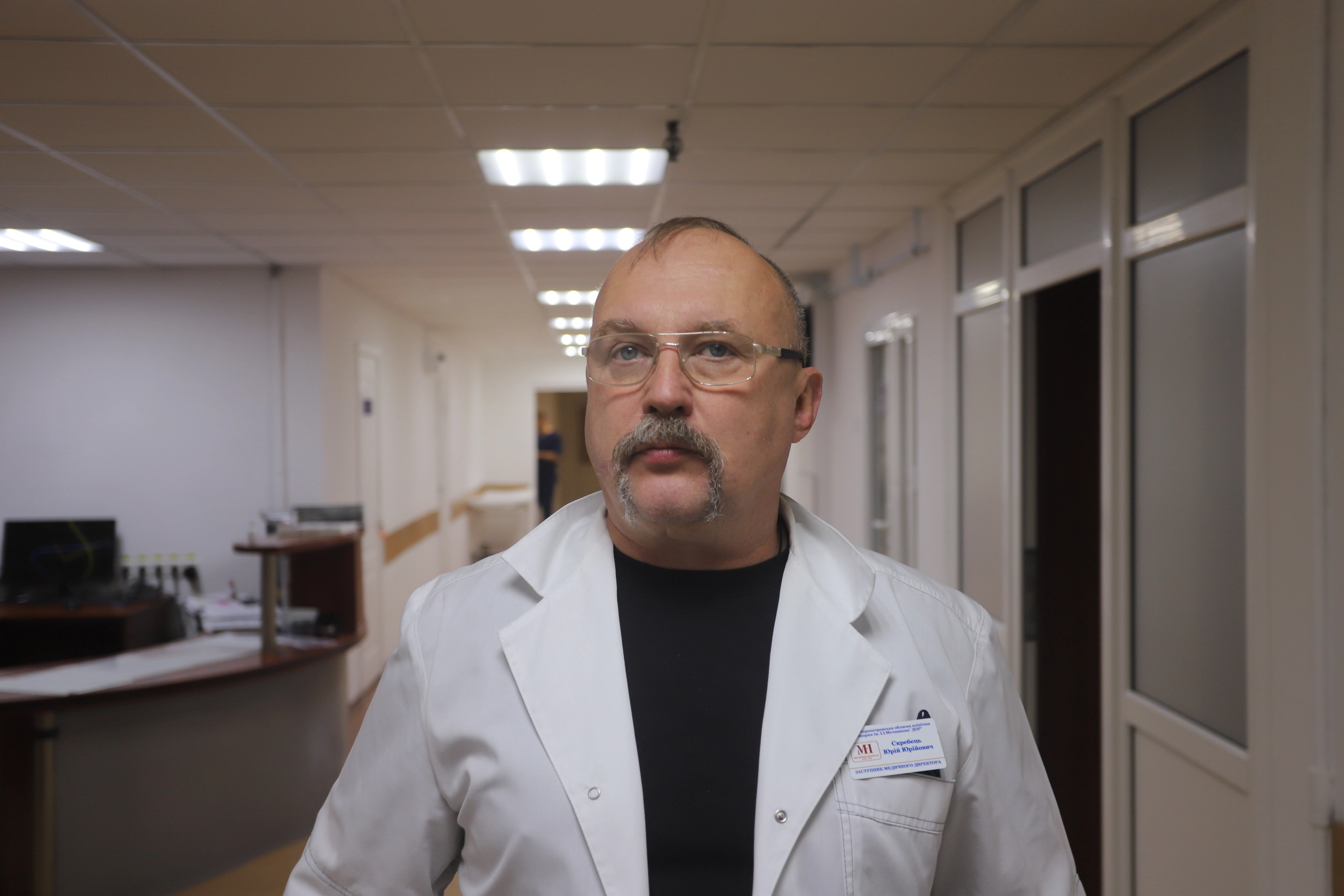
“The hospital has treated more than 50,000 wounded – both military and civilian – since 2014,” Skrebets says, walking the corridors. “That’s more than any other hospital in Ukraine. We receive very serious patients who need specialized care – neurosurgery, orthopedic trauma, purulent surgery… Unfortunately, many people, not only soldiers but civilians as well, come here days after their injuries, already with complications. That’s why we have a complication surgery center. Sadly, such complications are part of war; they come with combat.”
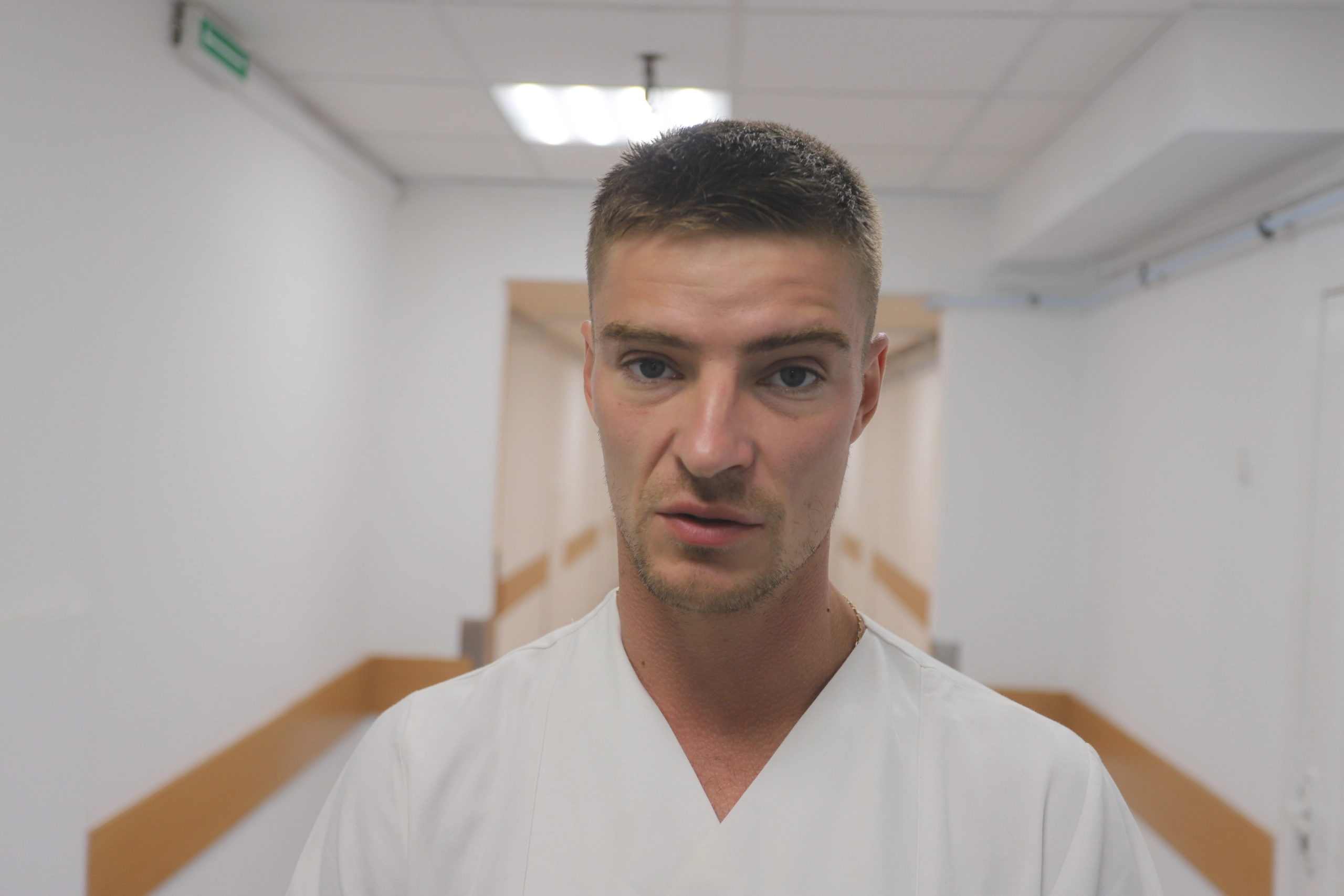
The experience accumulated by doctors here is shared with colleagues across Ukraine and Europe, Yaroslav Hetman, a surgeon, tells Kyiv Post.
“The admissions department sees all kinds of patients – sometimes up to 50 a day,” Hetman says. “I’m a traumatologist – we handle everything from fractures to amputation stumps, tourniquet syndrome, and more. The last surgery I did was on a civilian woman with a serious injury: a thigh wound and a fracture of the upper forearm. We fitted external fixation devices on both her arm and leg.”
Caring for the severely wounded
Suddenly, life in the hospital becomes more active. Some wounded are admitted to the emergency department, while others are discharged to continue treatment in hospitals deeper inside the country.
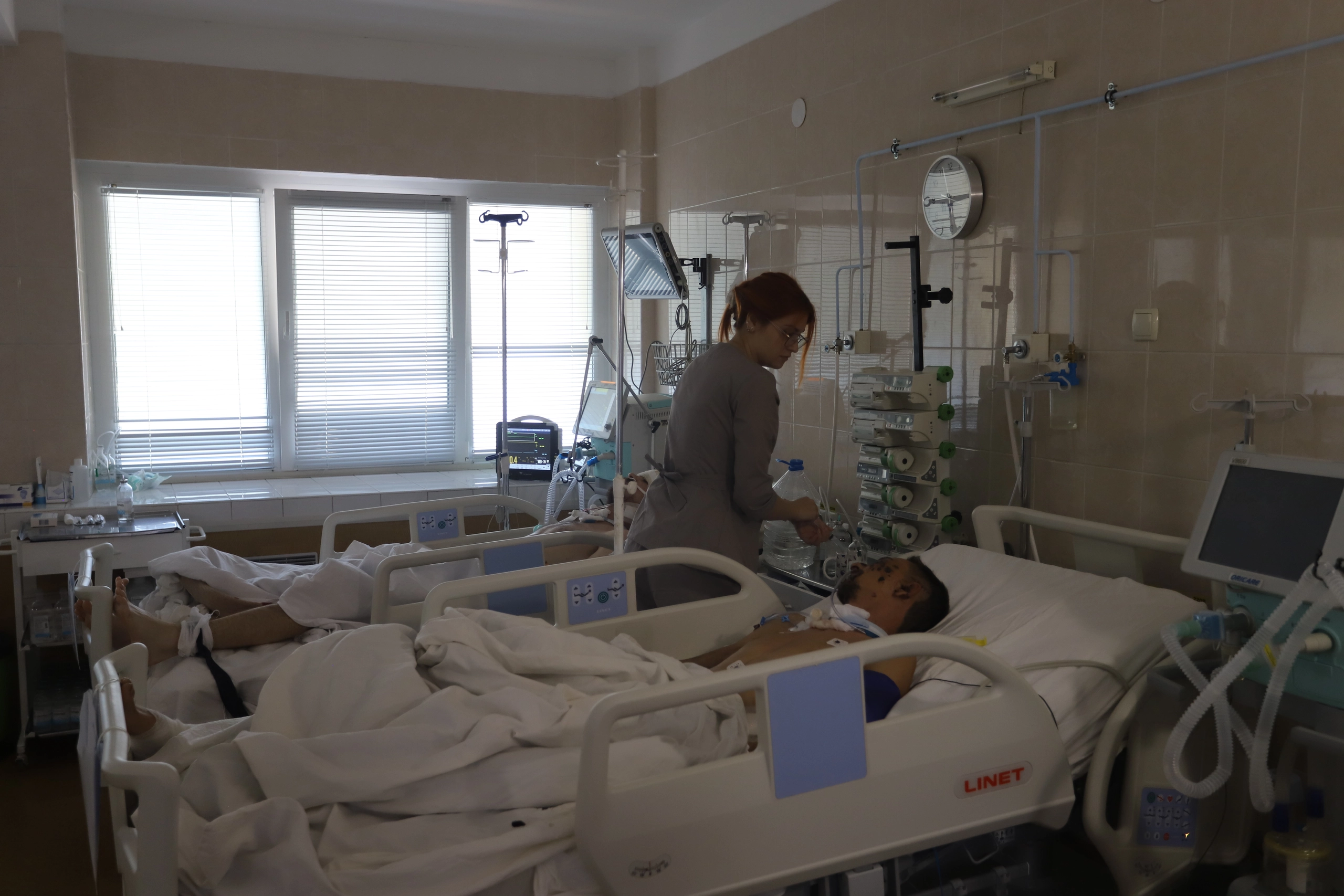
The most severe patients – those with polytrauma and multiple amputations – are treated in a separate intensive care unit. Many cannot speak, and even under sedation, every movement is painful. Nurses care for them like family, coaxing them to eat, drink, and move when possible.
“People get used to everything,” says Skrebets. “And there are certain professional habits, ways your personality changes when you work with severe injuries. You can cry into your pillow, release your emotions after work, but the overall emotional strain doesn’t go away. I was once chief of a medical unit in an assault battalion, and I’ve seen everything – unburied bodies left for a month and a half, people alive despite losing all their limbs, soldiers waiting for evacuation and ending up with amputations… and there were many such cases.”
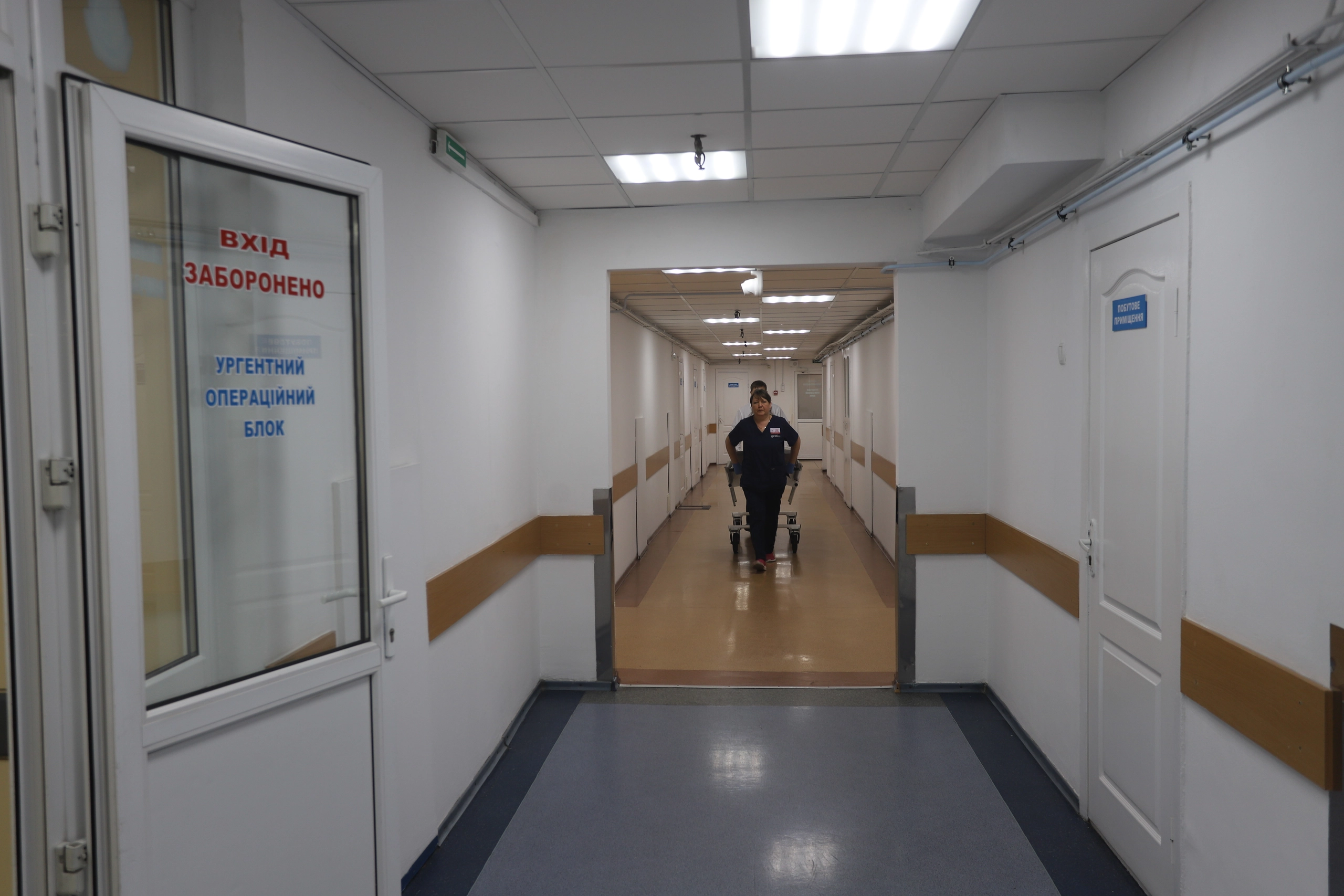
Skrebets knows his patients personally and makes rounds among those who have already undergone surgery. Having been wounded himself at the front, he returned to the hospital only a few months ago.
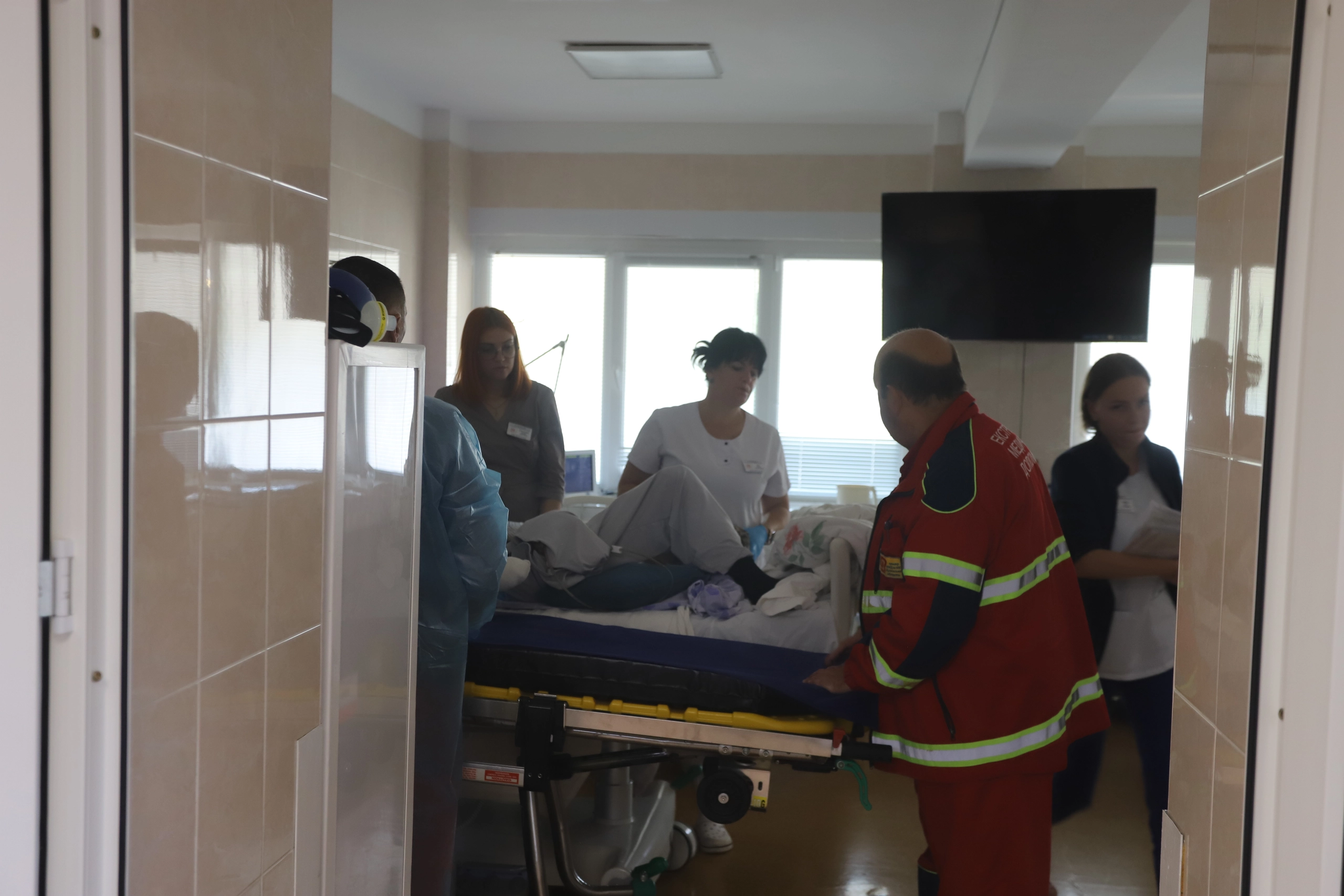
“We communicate constantly – we have rounds every day, often more than one,” Skrebets says. “We admit them, know everyone involved, and all the doctors know the patients. As deputy chief physician for veterans’ support, I need to know this. It’s not difficult – you remember the multiplication table or a foreign language your whole life, after all.”
Even severely wounded Russian prisoners are treated here, though rarely.
“These are rare cases. Our hospital primarily treats Ukrainian soldiers, and our colleagues try to keep the flows separate. But sometimes Russian prisoners need neurosurgical care that can’t be provided elsewhere. Recently, two were operated on for head injuries and then transferred to other facilities,” Skrebets explains.
Many wounded patients are visited by relatives. For those who have lost limbs, regaining consciousness can be a painful and difficult process.“It all depends on the condition – if the person is in good shape, one or two days pass, and they’re already joking, etc. But if they’re unconscious on mechanical ventilation, it could take three, five, even seven days,” says Hetman.
Artem’s story
Artem, a 23-year-old soldier from one of the National Guard brigades, is being treated in another ward, on another floor of the hospital. There are many like him here – those who suffered mine-explosive injuries but have already undergone surgery and are recovering.
“It’s hard to explain. You’re running – and suddenly you’re not. It exploded and threw me up. I didn’t even know what it was – I thought maybe a drone. But it wasn’t a strike. I knew what that felt like – I’d had strikes land 10-15 meters [33-49 feet] away. I realized it was a mine, just didn’t know which kind. I started moving toward cover—my left leg and right arm somehow worked,” he recalls.
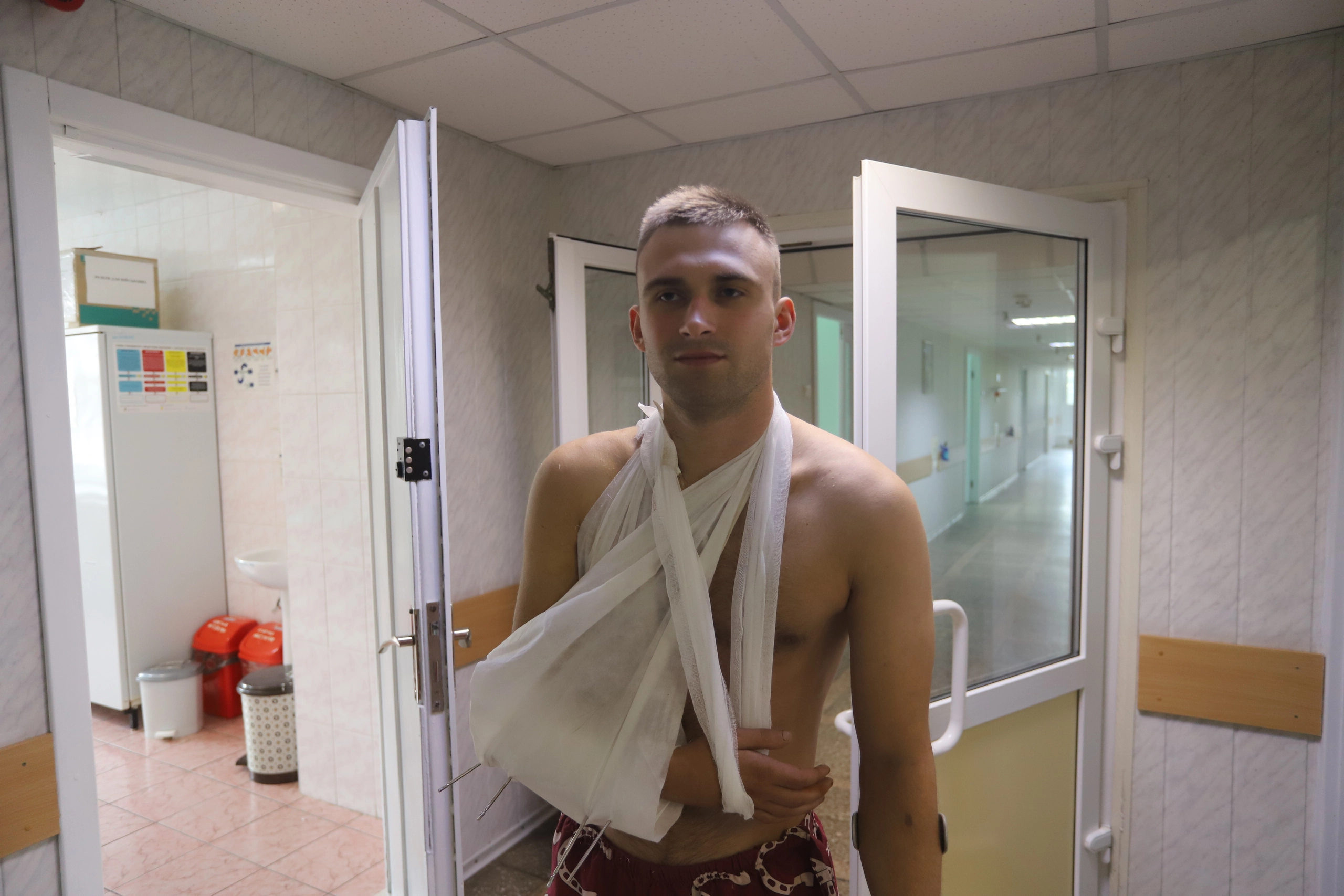
His right arm is badly damaged and pinned; fragments have been removed, though several remain. Despite the severity of his injuries, Artem remains positive.
“The worst damage is to my right arm, also my right buttock and leg – the leg got shredded, fragments in the ankle. Doctors removed fragments where I’d been injured – first in Donetsk, then here. I’m very satisfied with the care. I expected worse – I thought I’d lose the arm. The arm injuries are serious – skin, muscles, bone, all the worst. At first, I was supposed to go to Lviv for a skin graft, but the doctors here are highly skilled – they treated me right here. Every day, they check my bones and pins. I catch them on everything a dozen times a day. Today I feel much better. At first, it was awful – I could barely move, couldn’t stand, could only turn my head – even though only my arm, buttock, and leg were injured, the pain was extreme,” Artem says.
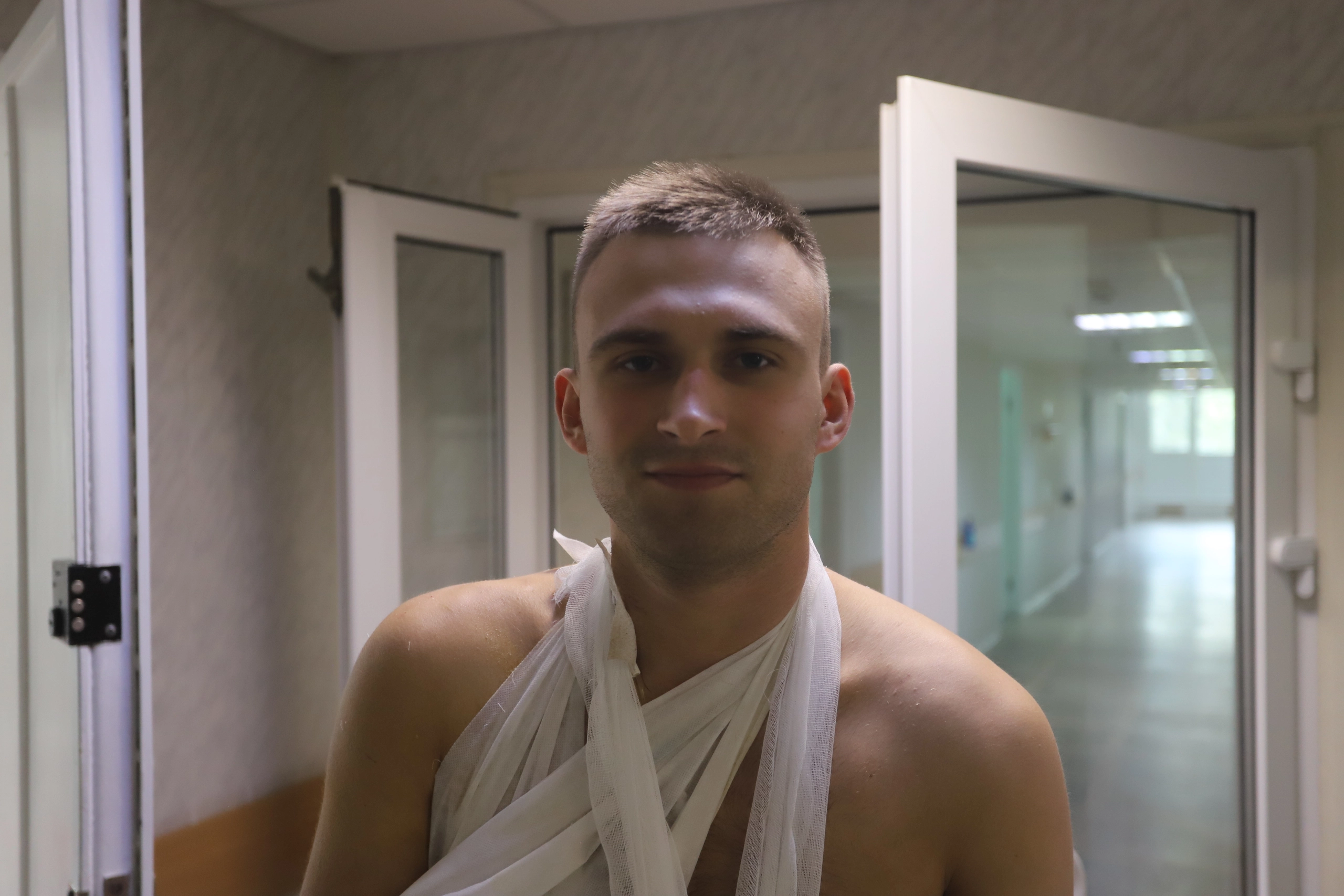
He is supported by his family, including his father. Artem insists there is nothing heroic about being wounded or dying; war is terrifying. He is grateful to the medical staff performing the near-impossible work of saving lives.
“I’m inspired to do good in this war, in these difficult times. Tragedy happens constantly – you see tears, and when you help someone and their relatives thank you, it’s inspiring,” Hetman explains.
“There are many examples – colossal burns that seem unsurvivable, combined injuries, shrapnel, head wounds – you think, this person won’t survive. But they do. Thanks to our staff, this happens often. In moments like that, you feel like your life hasn’t been lived in vain,” adds Skrebets.
You can find a recap of this story here.
You can also highlight the text and press Ctrl + Enter

Russia Hit by 660-Drone Overnight Barrage Targeting Moscow, Crimea and Key Military Sites