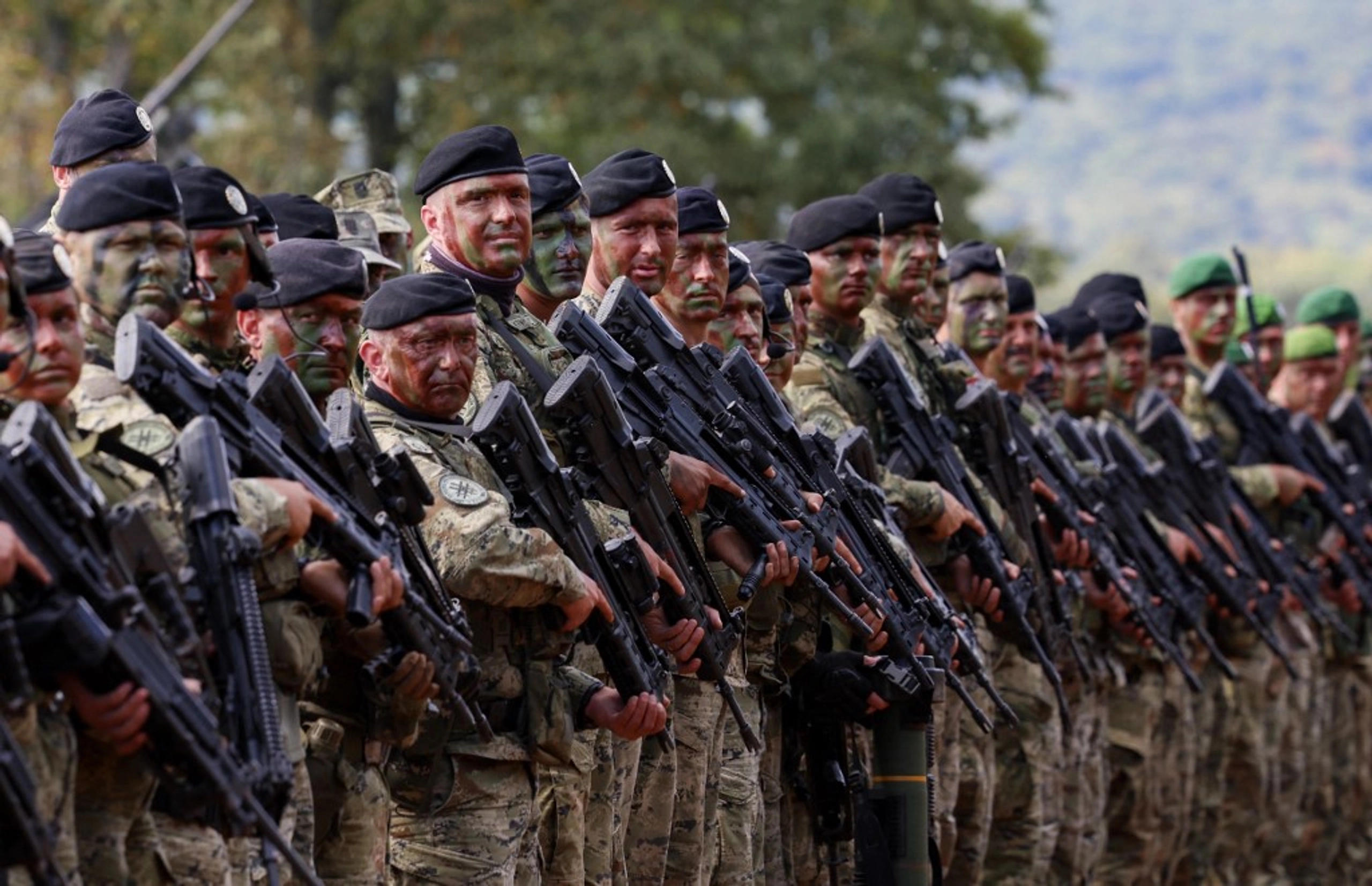
Almost two decades after it shifted to a volunteer system, Croatia will reintroduce compulsory military conscription to teach young people to manage in crisis situations.
MPs voted 84-11 in support of the change with 30 abstentions in the 151-seat parliament on Friday.
JOIN US ON TELEGRAM
Follow our coverage of the war on the @Kyivpost_official.
Military service will last two months and provide “basic military training,” public broadcaster HRT reported.
Authorities will start calling conscripts born in 2007 for medical checkups by the end of the year. It is planned to call up to 4,000 male recruits every year, and women can sign up voluntarily.
The first group of recruits will begin training in early 2026 and will receive a monthly allowance of around €1,100 (net).
They will be taught how to handle personal weapons and modern military equipment, including drones; first aid and self-defence; and the fundamentals of military organisation and tactics.
The Ministry of Defense estimates the programme will cost approximately €23.7 million annually.
Conscientious objectors can choose civilian service instead, HRT wrote.
Croatia’s Defense Ministry said the aim is to teach young people basic skills and knowledge that are “needed in crisis situations, so they would contribute to national security.”
The country suspended its mandatory conscription service in 2008.
Several other NATO countries, including Germany, are looking into the return of compulsory military service or at ways to boost their reserve armies, prompted by Russia’s full-scale invasion of Ukraine.
Russian Troops Forced to Walk 30 km After Ukraine Hits Logistics, Minister Says
You can also highlight the text and press Ctrl + Enter