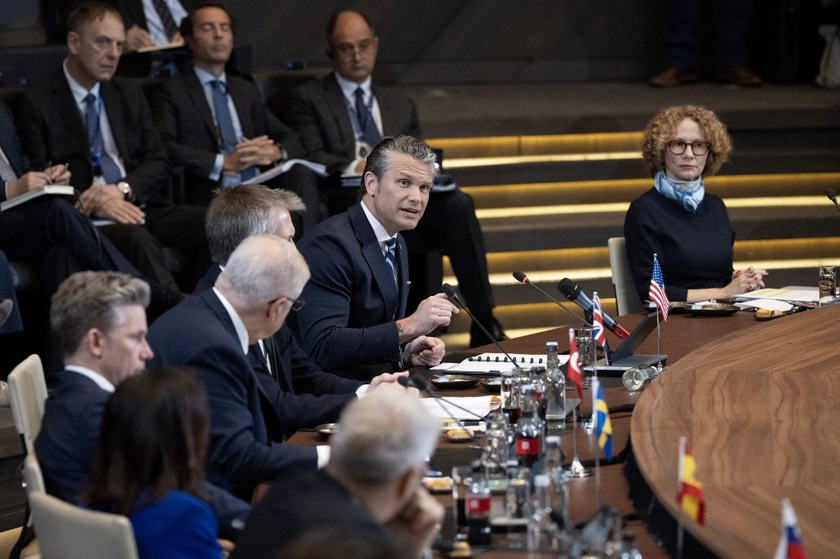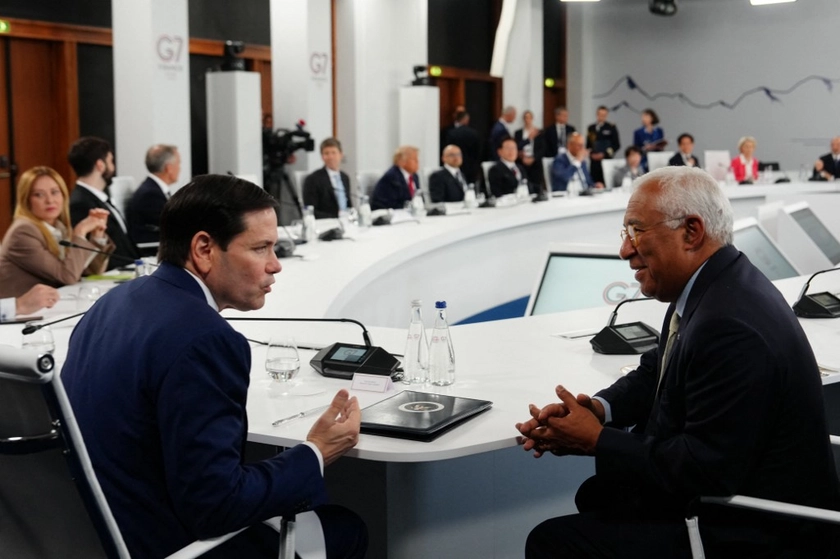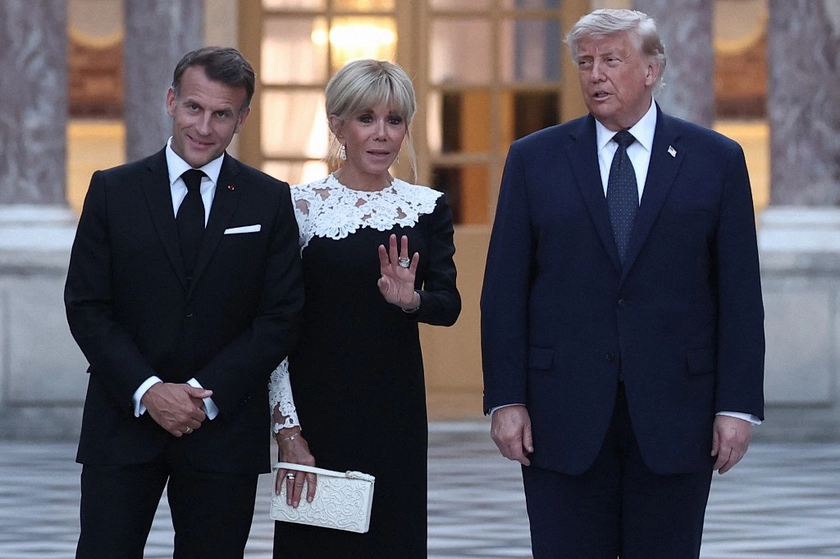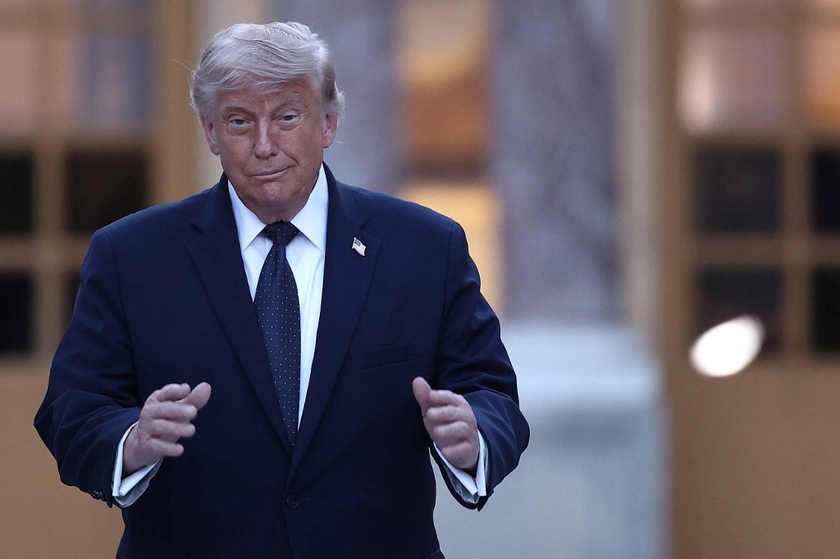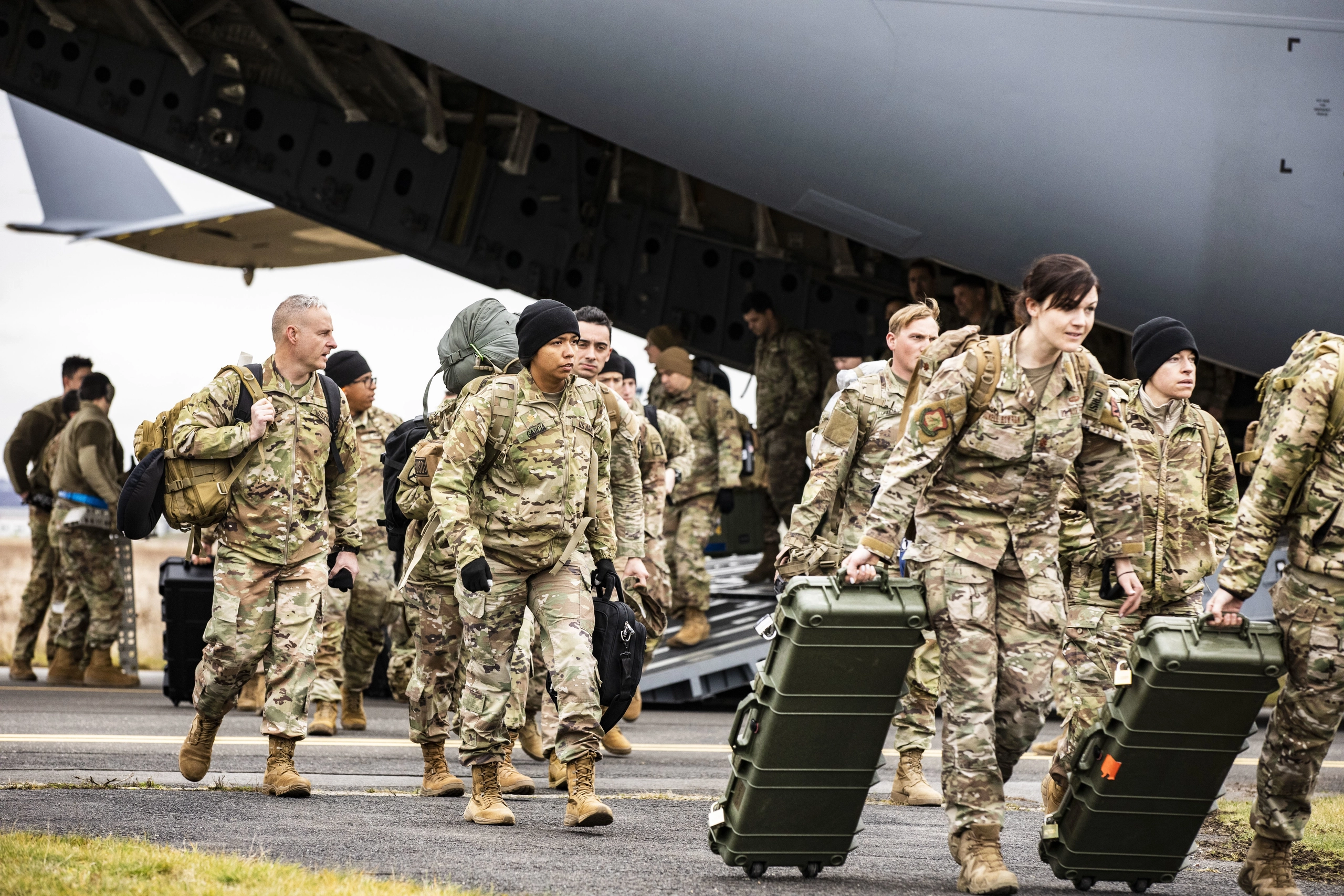
WASHINGTON, DC – The Trump administration is again testing transatlantic patience, delivering a quiet heads-up to several European capitals about its looming plan to make a marginal scale-back of US forces in Eastern Europe next month – a move that’s already prompting bipartisan blowback on Capitol Hill and fresh questions about Washington’s long-term commitment to NATO’s eastern flank.
Just as outrage builds over the planned withdrawal of a rotational US brigade from Romania, multiple sources tell Kyiv Post the adjustment is only the opening act.
JOIN US ON TELEGRAM
Follow our coverage of the war on the @Kyivpost_official.
Behind closed doors, administration officials have signaled to allies that the Romanian cuts are merely phase one, with further reductions in Bulgaria, Hungary and Slovakia expected to follow as soon as mid-December – a timeline that’s raising eyebrows among NATO diplomats scrambling to assess what it means for deterrence along the alliance’s most exposed frontier.
Two Western officials with knowledge of US discussions with European partners said the Pentagon is weighing a modest drawdown of forces in part because European land armies are now seen as better prepared than in previous years, making a limited recalibration of the US presence “appropriate.”
The officials, speaking on condition of anonymity due to the sensitivity of diplomatic communications, said allies were briefed to anticipate a “likely” chance of further adjustments next year, once current rotational deployments wind down. A US cable described the planned reductions in Romania, Bulgaria, Hungary, and Slovakia as “marginal.”
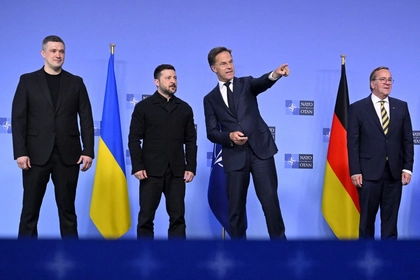
Rutte Calls Ramstein Meeting a ‘Window of Opportunity’ for Ukraine
To reassure nervous allies, administration officials emphasized that US troop levels in Poland and the Baltic states – the alliance’s most fortified eastern positions – will remain unchanged.
They highlighted those countries’ “robust” defense spending and close cooperation with American forces, underscoring that Washington’s commitment to NATO remains steadfast.
Lawmakers’ backlash: bipartisan alarm rings out
The announcement comes amid a rising bipartisan chorus of criticism over the initial Romania decision, with both Republicans and Democrats warning that the move risks emboldening Moscow and undermining alliance unity.
As Kyiv Post reported earlier, leaders of both the Senate and House Armed Services Committees have publicly rebuked the plan.
On Thursday, Rep. Mike Turner (R-OH), head of the US Delegation to the NATO Parliamentary Assembly, expressed “deep concern” over the reductions in a key NATO frontline country.
“As Head of the US Delegation to the NATO Parliamentary Assembly, I am concerned by reports of reductions of US forces in Romania,” Turner wrote on social media. He emphasized the need for a “robust and resolute” American presence in Europe, especially as Russia continues its aggressive posturing.
The congressman directly tied the troop issue to recent Russian provocations, citing intentional airspace incursions over Eastern Flank countries as evidence of Moscow’s broader ambitions.
“Russia’s aggressive actions against Eastern Flank countries through intentional airspace incursions underscore Russia’s ambition beyond Ukraine,” he warned.
Turner concluded that supporting NATO allies on the front lines is not merely about reassurance, but a matter of US national security.
On the Democratic side, Sen. Jeanne Shaheen (D-NH), Ranking Member of the Senate Foreign Relations Committee, issued a similarly blunt assessment. She called the reported cuts a “deeply misguided move that undercuts our efforts to pressure Putin to finally come to the negotiating table and to bolster our European partners’ ability to defend themselves.”
Shaheen praised Romania as a “model ally,” highlighting its hosting of US service members and its exceptional commitment to spend 5% of GDP on defense.
“This decision sends exactly the wrong signal to Vladimir Putin as he continues his murderous campaign in Ukraine and tests NATO resolve through provocations against other frontline states,” she said, adding: “Withdrawing American troops from Romania directly undermines President Trump’s recent and welcome efforts to finally ratchet up pressure on Putin to come to the negotiating table.”
The senator also questioned whether the move was fully coordinated within the administration, suggesting that Secretary of Defense Pete Hegseth and Under Secretary Elbridge Colby may have acted without input from the White House, National Security Council, State Department, or Congress.
“President Trump must clarify our commitment to allies like Romania,” Shaheen urged, warning that US credibility within NATO is on the line.
Veteran diplomat’s take: ‘Bureaucratic compromise,’ not full strategic retreat
Veteran diplomat Daniel Fried, a former assistant secretary of state and one of the architects of post-Cold War US policy in Eastern Europe, told Kyiv Post that the emerging policy reflects bureaucratic maneuvering more than a coherent strategy.
“There’s an ongoing debate inside the Trump administration about global force posture,” Fried explained. Competing factions include advocates of an “Asia First” strategy focused on China, proponents of a “Fortress North America” approach prioritizing hemispheric defense, and traditional national security conservatives who “take the Russian threat seriously.”
Fried called the drawdown “a mistake,” arguing that any visible US reduction in Europe “sends the wrong signal to Putin” at a time when Russia continues its aggression toward Ukraine and NATO. “It suggests we are not prepared to resist that aggression,” he said.
Still, Fried noted that the announced cuts are limited and largely symbolic. “The numbers are so small that they won’t change the military balance,” he said, adding: “But the signal is bad.”
He welcomed the bipartisan congressional criticism, citing remarks from Sen. Roger Wicker and Rep. Mike Rogers, Republican leaders of the Armed Services Committees, who jointly denounced the move as “uncoordinated and directly at odds with the president’s strategy.”
Fried also emphasized that not all developments were negative. “At least the administration isn’t pulling forces from Poland or the Baltic states,” he said. “Those deployments are the backbone of NATO’s defense against Russian aggression.”
The veteran diplomat described the decision as “a bureaucratic compromise” – a symbolic concession to those inside the administration pushing for far larger cuts.
“It looks like those who wanted a major European pullout got far less than they wanted,” Fried said, adding: “It’s bad symbolism, but not a strategic withdrawal.”
As for whether the decision is final, Fried offered a familiar caveat: “In Trump World, nothing is ever set. There’s always room to change course.”
He urged continued pressure from Congress and allies, praising Romania’s measured public response as “the right approach.”
Fried concluded on a cautiously optimistic note: “If these turn out to be only symbolic withdrawals, not a major drawdown, it’s not good – but it’s not disastrous either.”
You can also highlight the text and press Ctrl + Enter