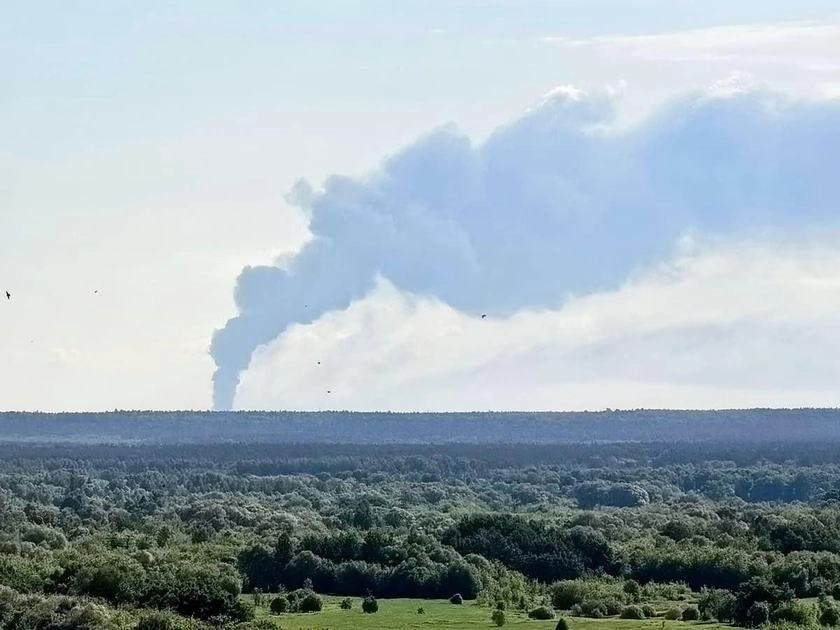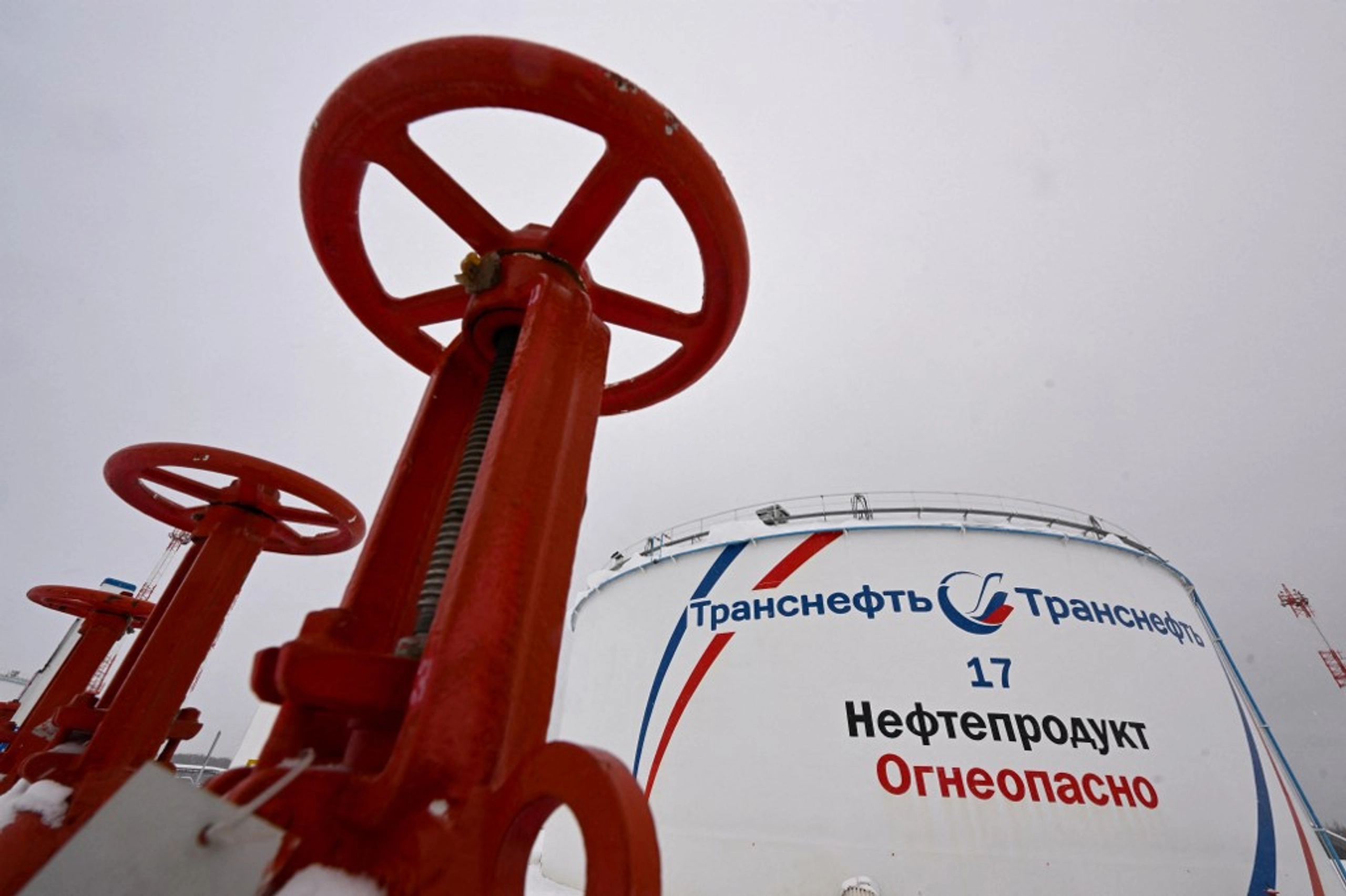
Ukraine has carried out nearly 160 strikes on Russian oil facilities since the start of 2025, significantly cutting into the Kremlin’s energy revenues used to fund its war, Ukraine’s security chief said on Friday.
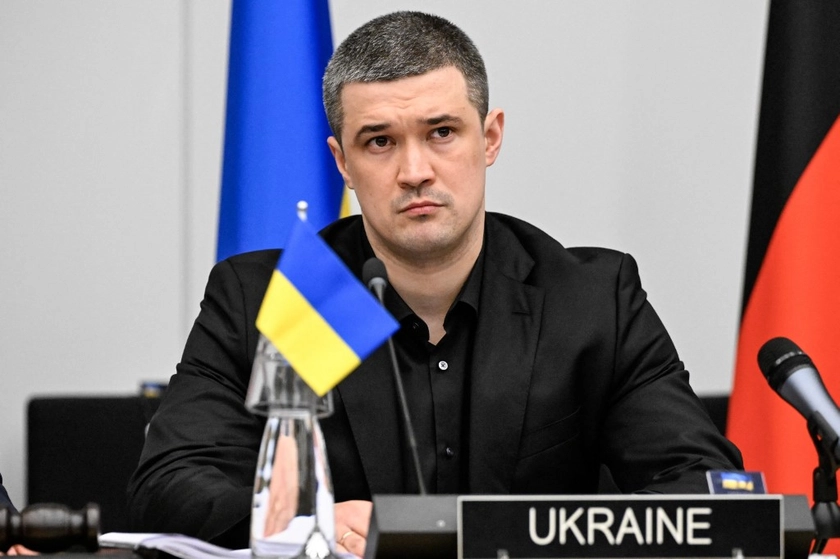
The head of the Security Service of Ukraine (SBU), Vasyl Malyuk, told President Volodymyr Zelensky that Kyiv’s drone and missile operations have successfully targeted refineries, depots, and pumping stations deep inside Russia.
JOIN US ON TELEGRAM
Follow our coverage of the war on the @Kyivpost_official.
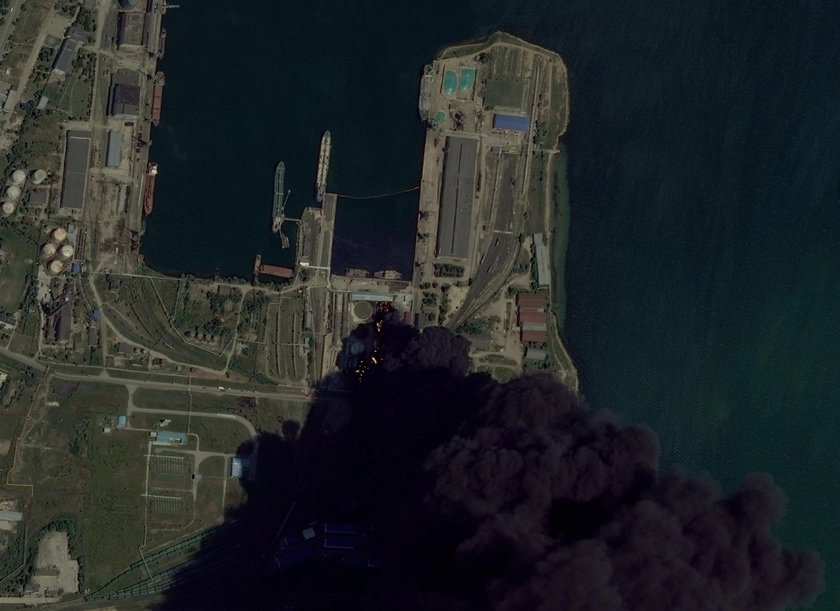
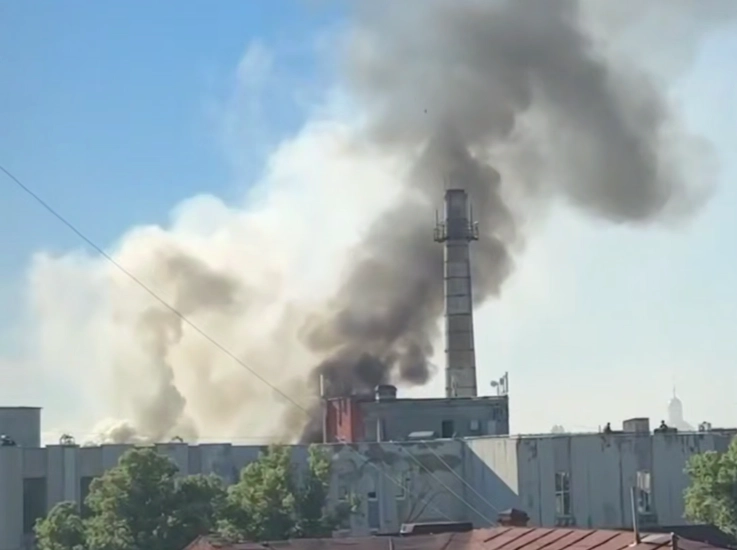
“Since the beginning of the year, there have been almost 160 successful strikes on oil extraction and oil refining facilities,” Malyuk said, speaking during the press conference.
“Among them are six refineries, two oil terminals, three oil depots, and nine oil pumping stations.”
The SBU chief said Ukraine continues to develop new methods to penetrate Russia’s increasingly fortified air defenses protecting its energy infrastructure.
Ukraine has attacked Russian oil and energy sites throughout the nearly four-year war but has sharply stepped up operations in recent months. The strikes have contributed to rising fuel prices in Russia and forced Moscow to impose a temporary ban on fuel exports, though the Kremlin has publicly downplayed their impact.
Malyuk also said that Ukraine had destroyed an Oreshnik missile system in southern Russia more than a year ago, before Moscow could deploy the experimental hypersonic weapon. He offered no further details.

Ukraine Unveils ZIRKA Interceptor Drone Built to Down Shaheds
Zelensky said earlier that Ukraine’s strikes on Russian oil facilities have cut Moscow’s refining and fuel production by around 20–27%, creating widespread fuel shortages and queues. Several refineries were damaged, forcing Russia to redistribute production across other plants.
Zelensky added that most strikes – 90–95% – deep inside Russia now use Ukrainian-made long-range weapons, with limited support from British Storm Shadow and French SCALP missiles. He said Ukraine will continue targeting facilities to weaken Russia’s war funding.
The Institute for the Study of War reported that by early October, about 38% of Russia’s refineries were offline, prompting fuel rationing in 57 regions, export bans, and imports from Belarus, China, and other countries. Gasoline prices surged 2.58% in September alone, with annual fuel inflation hitting 12.7%, the highest in 14 years.
You can also highlight the text and press Ctrl + Enter