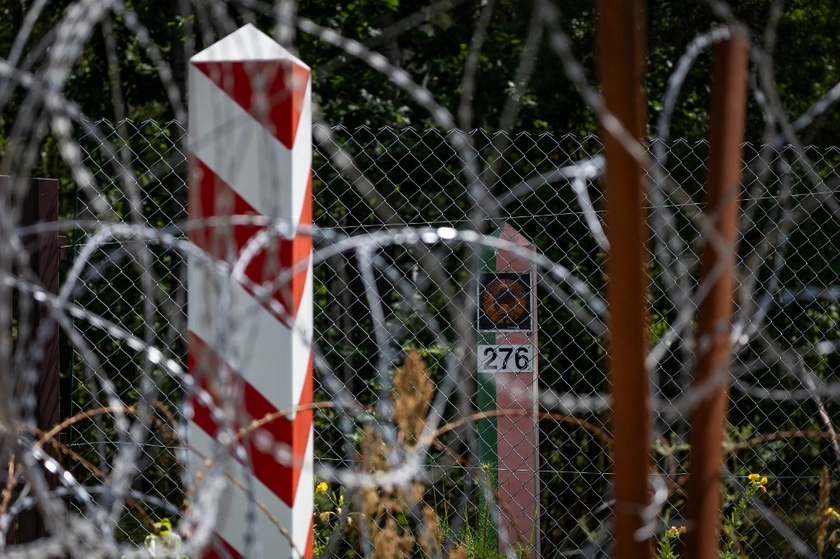
A 32-year-old resident of western Russia’s Tula region – where long-standing defense-industry facilities are located – has been detained and charged with treason for allegedly transferring cryptocurrency funds to Ukrainian armed formations.
Facing life imprisonment under treason charges
According to the independent human rights organization First Department, the Russian Federal Security Service (FSB) claimed the man sent money “in cryptocurrency” to Ukraine’s military and opened a criminal case under Article 275 of Russia’s Criminal Code – treason.“The sanction of this article provides for punishment up to life imprisonment,” the agency said.
JOIN US ON TELEGRAM
Follow our coverage of the war on the @Kyivpost_official.
No additional evidence was made public, and the FSB did not specify the alleged amount or how the transfers were detected.
Rights group: Many “transfer to the AFU” cases begin with phone checks
First Department noted that it remains unclear what the case is “built on,” but said most treason investigations related to alleged donations to the Ukrainian Armed Forces start with routine phone searches.
“Security forces initiate criminal cases for ‘transfers to the AFU’ after checking the phone,” the group wrote, adding that such checks often occur when individuals enter Russia.According to the organization, a typical pattern involves searching a person’s device, opening a preliminary case, and later detaining them at their home.
Allegations of provocation by FSB officers
The human rights group also said a “significant part” of treason cases in Russia are provoked by FSB operatives themselves.“Chekists [colloquial term for members of the Russian security services] are added to friends, impose communication, and then provoke answers that can be qualified as a crime against state security or a money transfer, which will then be declared ‘transfer to the AFU,’” First Department wrote.
Drone Attack on Moscow Triggered Sharp Rise in Anti-War Views Across Russia
Growing wave of treason cases
The reported arrest adds to the growing number of treason and “assistance to Ukraine” cases brought by Russian authorities since the full-scale invasion began – often based on minimal or ambiguous digital traces, according to human rights monitors.
You can also highlight the text and press Ctrl + Enter
Russia Hit by 660-Drone Overnight Barrage Targeting Moscow, Crimea and Key Military Sites