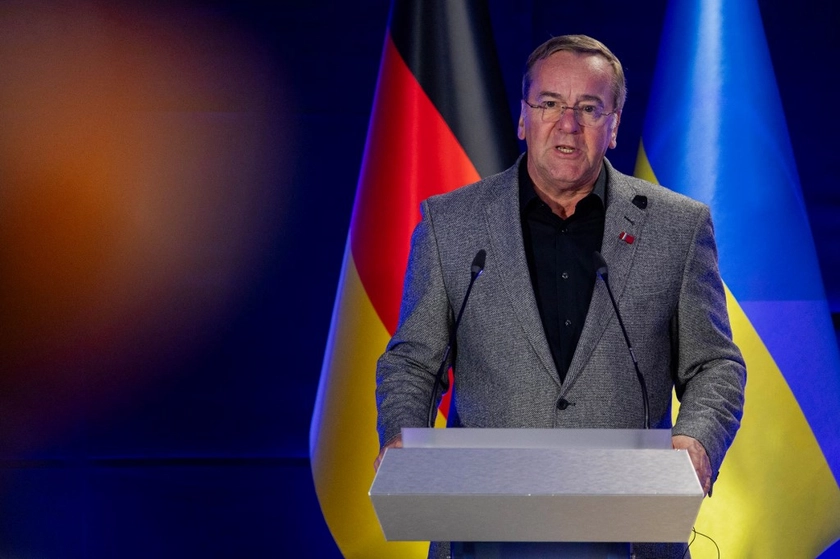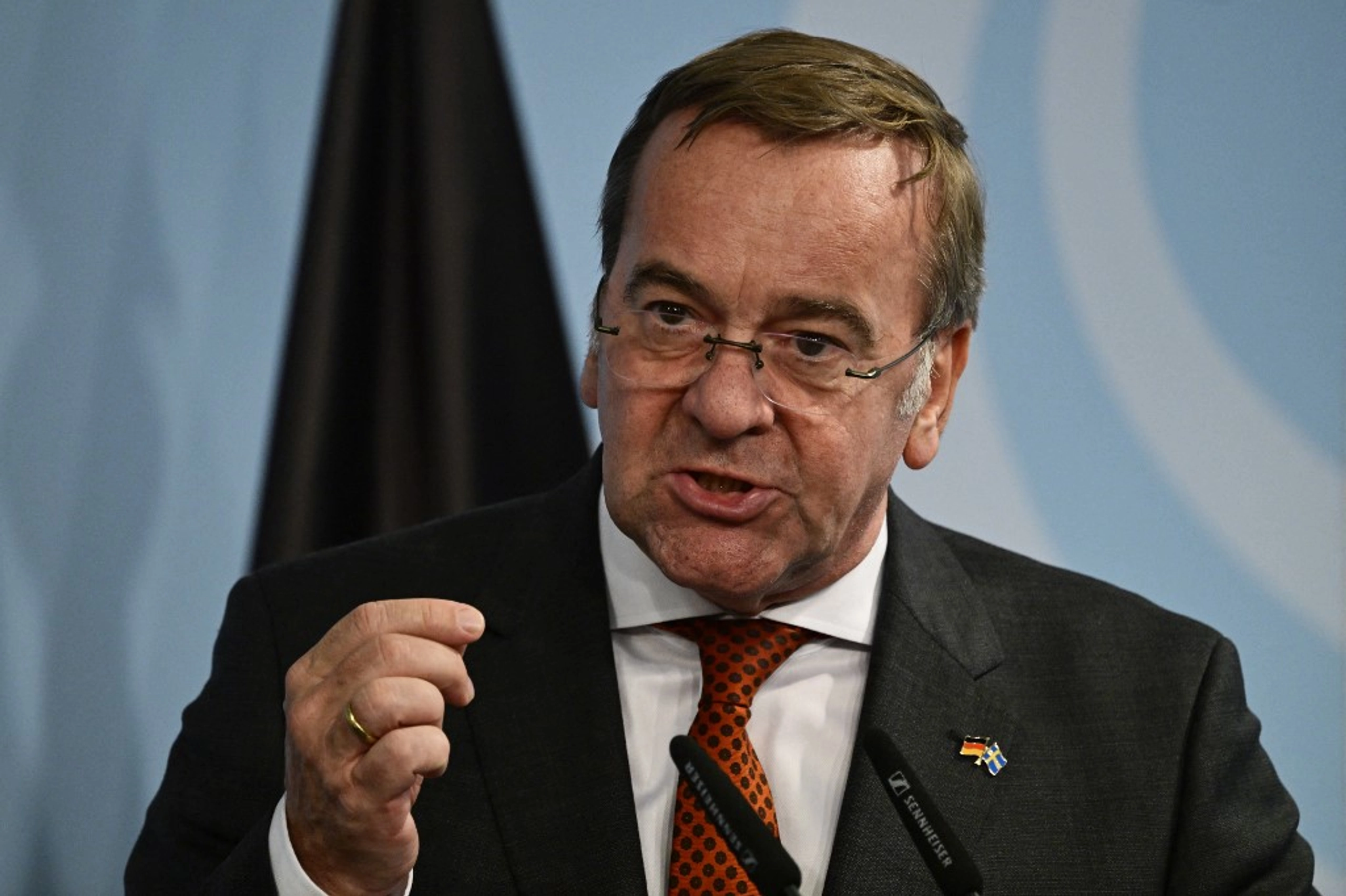
Germany’s Defense Minister Boris Pistorius has warned that Russia may be capable of launching an attack on a NATO member state as early as 2028-29, urging Europe to accelerate its military buildup in response to Moscow’s growing arsenal and openly expansionist ambitions.
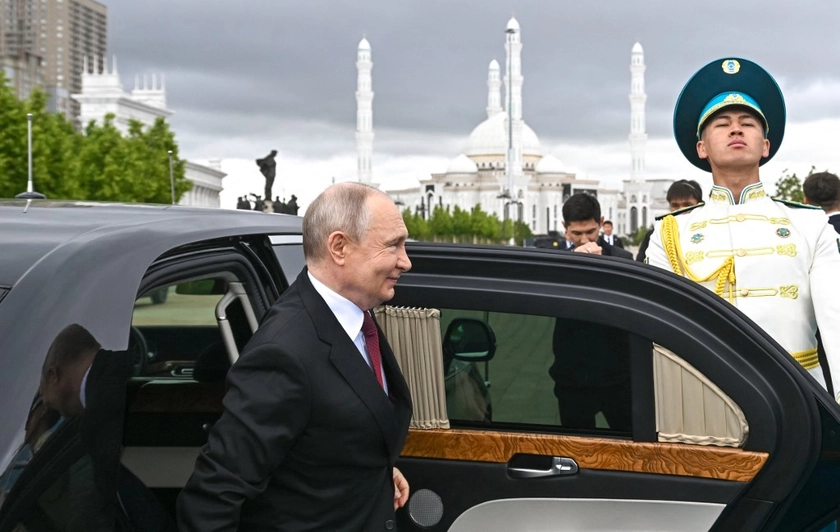
Speaking in an interview with Frankfurter Allgemeine Zeitung, Pistorius said Russian President Vladimir Putin “makes no secret” of his imperial ambitions, in which Europe’s freedoms and security “have no meaning.”
JOIN US ON TELEGRAM
Follow our coverage of the war on the @Kyivpost_official.
Germany and its European partners, he said, must respond “quickly and decisively” by strengthening their defense capabilities after decades of underinvestment.
According to Pistorius, military experts and intelligence services estimate that Russia could rebuild its armed forces sufficiently to threaten NATO’s eastern flank by 2029. But some analysts believe this could happen even sooner.
“Some now say 2028 is possible, and certain military historians even argue that last summer may have been our last in peace,” he said.
He stressed, however, that NATO remains fully capable of defending itself, both conventionally and with its nuclear deterrent. Still, the urgency is clear: “We must equip our forces even better.”
Responding to questions about the dominance of drones on the battlefield in Ukraine, Pistorius said that while unmanned systems are increasingly important – and evolving in “two- to three-month innovation cycles” – traditional capabilities such as tanks, artillery, aircraft, and cyberwarfare will continue to play essential roles.
UK to Supply Ukraine with £752M for 150,000 Drones, Air Defense
Buying massive stockpiles of drones now would be “pointless,” he said, as the technology becomes obsolete within months. Instead, Germany aims to develop new procurement systems that allow rapid mass production in a crisis.
While Ukraine requires huge numbers of drones due to active wartime needs, Germany focuses on a “smart mix of capabilities,” including reconnaissance drones, strike drones, and loitering munitions, the minister added.
Pistorius outlined his vision for the German military by 2030:
- A reserve force of more than 200,000 personnel
- An active force of 210,000-220,000
- Operational F-35s and Chinook helicopters
- Army units equipped with Leopard 2A8 tanks and Skyranger air-defense systems
- A fully deployed brigade in Lithuania as part of NATO’s eastern defense
He said he hopes that by then, NATO will retain its current unity – and that the next generation of Germans will look back “proud of their service to the country.”
Last week, President Volodymyr Zelensky warned that Russia could open a second front against another European country even before the war in Ukraine ends, describing it as part of Moscow’s broader “hybrid war against Europe.”
Speaking to The Guardian, Zelensky said Putin continues testing NATO’s red lines while escalating Russia’s offensive in eastern Ukraine. When asked whether Russia might strike elsewhere in Europe, Zelensky replied: “He can do that.”
“We must forget about the general European skepticism that Putin first wants to occupy Ukraine and then may go somewhere else,” he said. “He can do both at the same time.”
Zelensky also linked a recent surge in malign incidents across Europe – including a decoy drone incursion over Poland and drone sightings near airports in Copenhagen, Munich, and Brussels – to Russia’s lack of progress on the battlefield.
You can also highlight the text and press Ctrl + Enter

Putin’s Worst Nightmare
Zelensky Reveals Intercepted Intel From Putin’s Desk