Two days before peace talks with the US, Ukraine found itself without a delegation head.
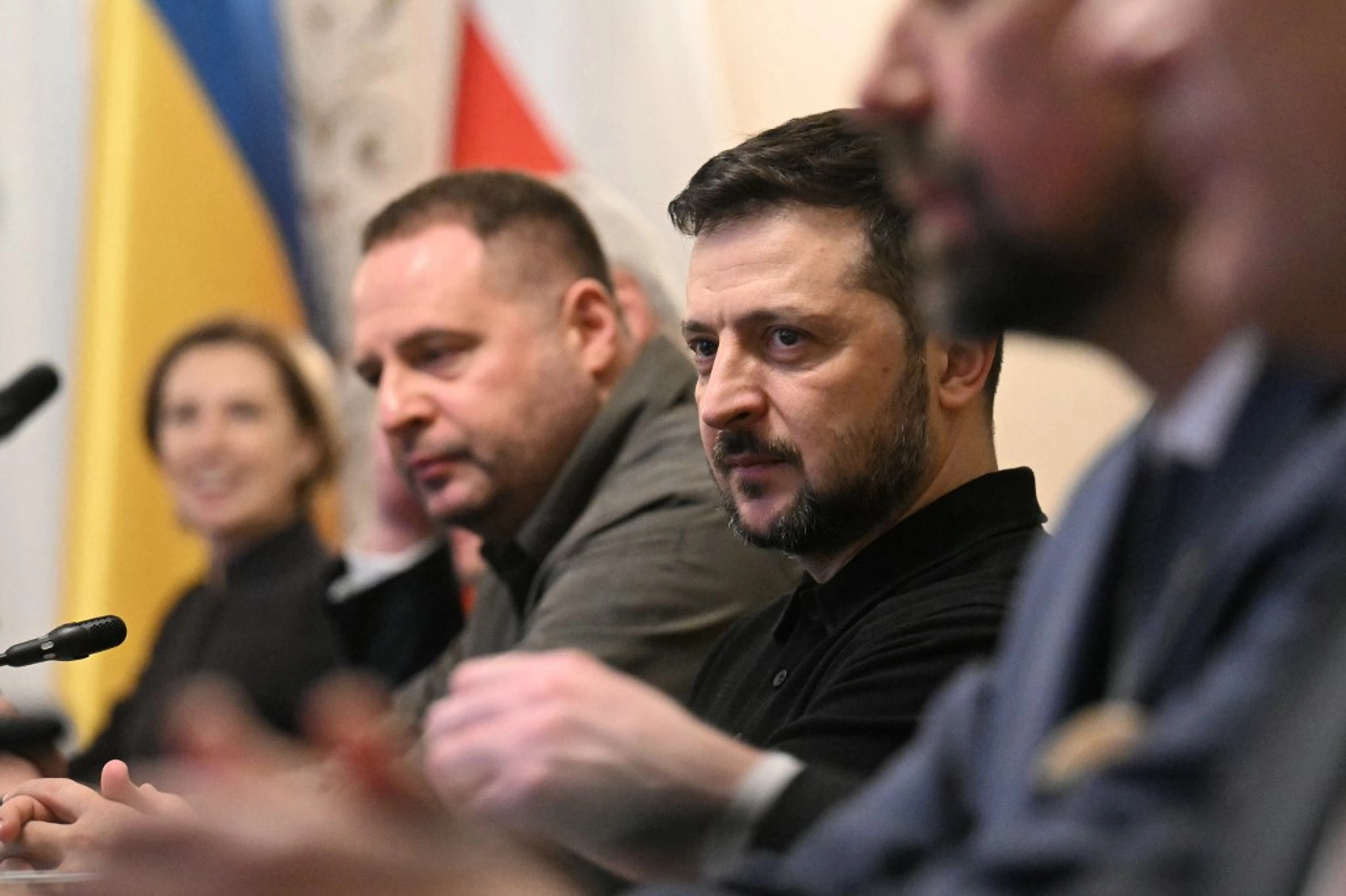
The resignation of the Presidential Office’s chief of staff, Andriy Yermak, came as a surprise to Ukrainian society and the political establishment. He stepped down just two days before he was expected to lead Ukraine’s negotiating team in the United States.
JOIN US ON TELEGRAM
Follow our coverage of the war on the @Kyivpost_official.
Moreover, Yermak had previously led several delegations, influenced key decision-making, and appeared alongside the president in almost every official event photo – even at events where only heads of state were represented.
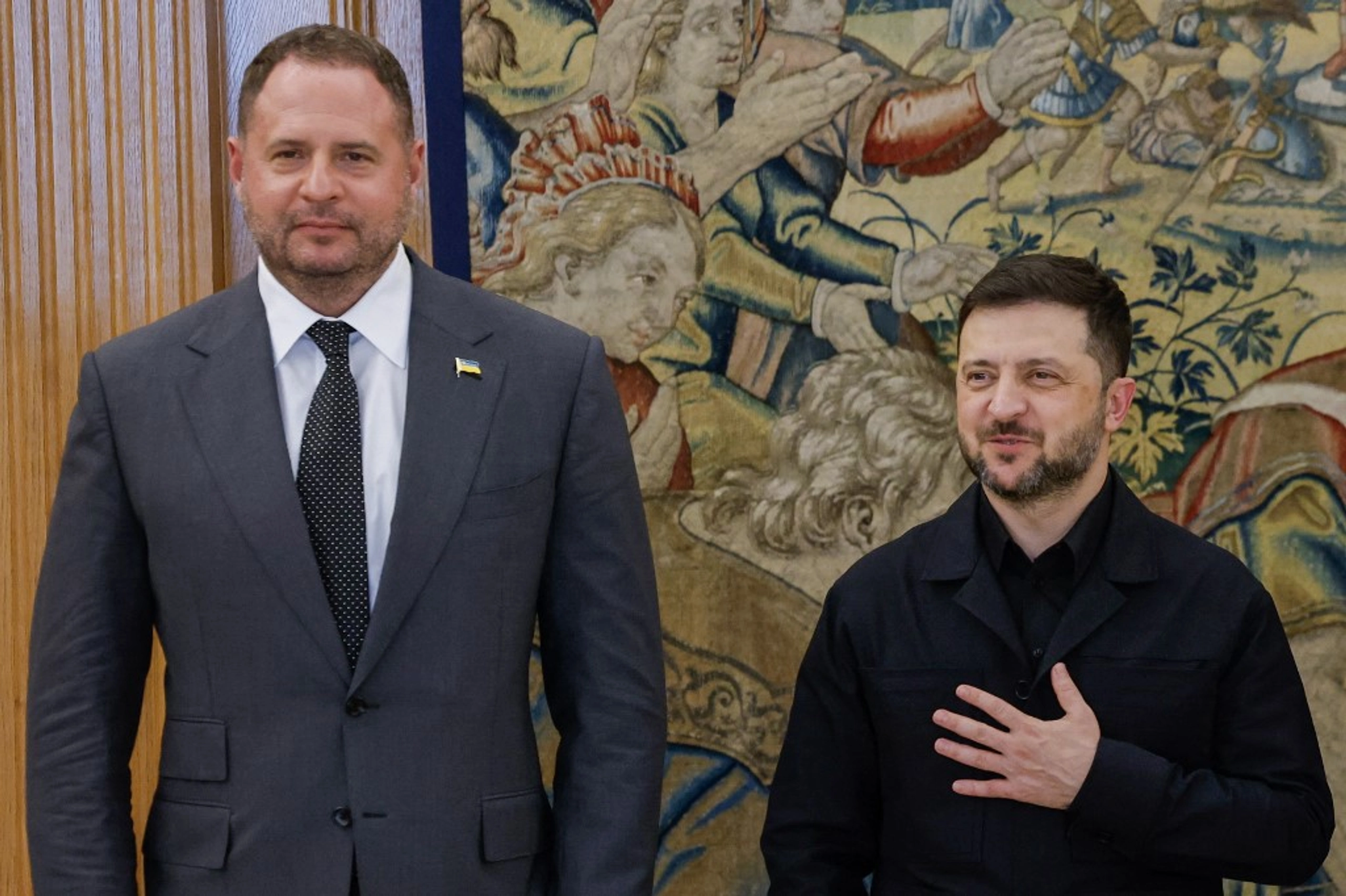
His influence was so extensive that top Ukrainian officials – formally the country’s leaders – were often described as his appointees. They included Prime Minister Yulia Svyrydenko, who spent two years as Yermak’s deputy in the Presidential Office, as well as several ministers, notably Oleksiy Kuleba, the minister of communities and territories development – a key post overseeing transport, infrastructure, and reconstruction.
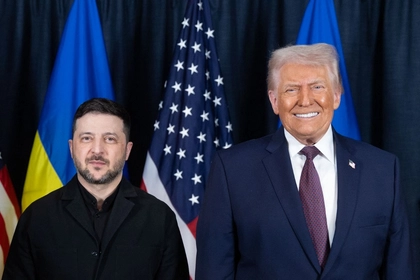
Trump to Join Zelensky for G7 Working Session on Ukraine Peace Conditions
On Thursday, Dec. 4, President Volodymyr Zelensky signaled he would soon appoint a replacement for Yermak. Government sources told Ukrainska Pravda that First Deputy Prime Minister Mykhailo Fedorov (who also serves as minister of digital transformation) and Defense Minister Denys Shmyhal (formerly the prime minister) are among the leading contenders.
However, other sources told Kyiv Post that “second-line” officials are more likely to be chosen – figures who don’t hold top positions but occupy influential mid-level roles, with the personal ambitions of top officials seen as a factor excluding them from consideration.
But before a replacement is named, the bigger questions remain: How did Yermak’s influence grow so expansive – and what happens to the presidential vertical now?
What is the Presidential Office? Why is it so powerful?
Ukrainian analytical outlet Dzerkalo Tyzhnia titled its article on Yermak’s resignation “The System collapsed.”
Perhaps this is inaccurate, because the system in which the head of the Presidential Office is more influential than the prime minister was not created by Yermak, but long before he even decided to enter politics.
It dates back to the beginning of Ukrainian statehood.
In the 2000s, it was established in several documents that “the main tasks of the Office are to ensure that the President of Ukraine exercises his constitutional powers based on openness, publicity and transparency.”
But this is precisely where the secret of its power lies.
From the earliest days of modern Ukraine, when the parliament declared independence, the office of the president was established. Without a constitution, the role of the head of state was not clearly defined.
The first president, Leonid Kravchuk, largely continued the functions of his former role as first secretary of the Communist Party of Ukraine while answering to the parliament. By 1994, political and economic crises forced him to resign.
The next president, Leonid Kuchma, who had already begun privatization as prime minister, saw the presidency as the leading role in the state. This was especially significant because the parliament, after the 1994 elections, was highly divided, split between two main groups – the national democrats of the People’s Movement and the pro-Russian communists – along with the so-called “swamp,” which occasionally sided with either faction.
Under these conditions, presidential power grew, and with it the power of the political body that served the president.
This was essentially the presidential administration. Importantly, the Ukrainian term “Presidential Administration” differs from what American readers might assume. In the US, the president’s administration effectively is the government. In Ukraine, however, a separate government existed, formed by the president but requiring parliament’s approval through a vote.
At the same time, there was also a service responsible for his daily agenda that included trips, meetings, and events. With it, the role of the person controlling the president’s schedule – deciding when, with whom, and for how long he would meet, and even whom he would not meet – grew rapidly.
Among publicists and lawmakers, a joke circulated: “Leonid Kuchma works as the president in Tabachnyk’s administration.”
The president’s leading role was enshrined in the Constitution of Ukraine, which established the country as a presidential-parliamentary republic. The document was adopted by lawmakers at night, by candlelight, under presidential pressure.
Over time, owing to the efforts of several strong and ambitious heads of the presidential administration, the president’s office – originally responsible for organizing meetings and trips – evolved into a parallel government.
The first of these figures was Dmytro Tabachnyk, who became head of the Presidential Administration (hereinafter referred to as “the Administration”) immediately after Kuchma’s election. At 31, having previously led the government’s press service and managed the media component of Kuchma’s campaign, he quickly built a management body around the president that began to expand rapidly.
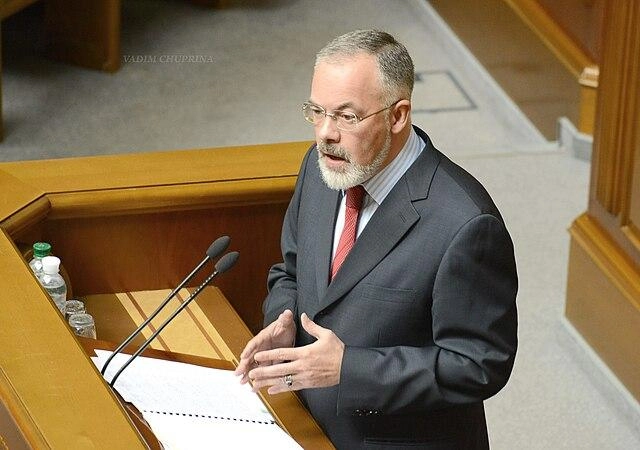
Tabachnyk wielded immense power, effectively deciding which top officials Kuchma would meet – and which he would not. Among publicists and lawmakers, a joke circulated: “Leonid Kuchma works as the president in Tabachnyk’s administration.”
Tabachnyk’s career came to an abrupt halt in 1996, when he attempted to grant himself the rank of colonel in the Ukrainian army, angering the military. That year, the Prosecutor General’s Office canceled the promotions of colonel and major, leaving him a reserve senior lieutenant. Kuchma was forced to remove his powerful organizer, though Tabachnyk remained an advisor until 1998.
Tabachnyk was a typical pro-Russian politician and lobbied Russian interests at every opportunity, irritating the national-democratic camp. His successors were similar – the representative of the “red elite” Yevhen Kushnaryov (1996-98) and Viktor Medvedchuk (2002-05). All of them became extremely influential “grey cardinals” and, after leaving the administration, became pro-Russian politicians.
Tabachnyk served as minister of education and even deputy prime minister for humanitarian affairs under former President Viktor Yanukovych – the president who was ousted in 2014’s Euromaidan. As minister, Tabachnyk publicly inserted Russian narratives even into school history curricula. Meanwhile, Kushnaryov became one of the leaders of Yanukovych’s pro-Russian party, the “Party of Regions.”
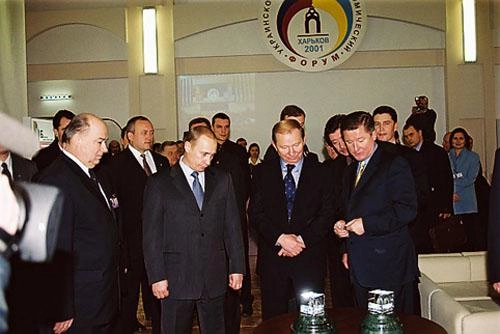
Medvedchuk became the “kum” (godfather) of Russian leader Vladimir Putin (who baptised on of the Medcedchuk’s children) and, with Russian funding, acquired Ukrainian TV channels (ZIK, NewsOne, 112) and founded his own pro-Russian political party, “Ukrainian Choice.” However, Ukrainians never elected this party to parliament.
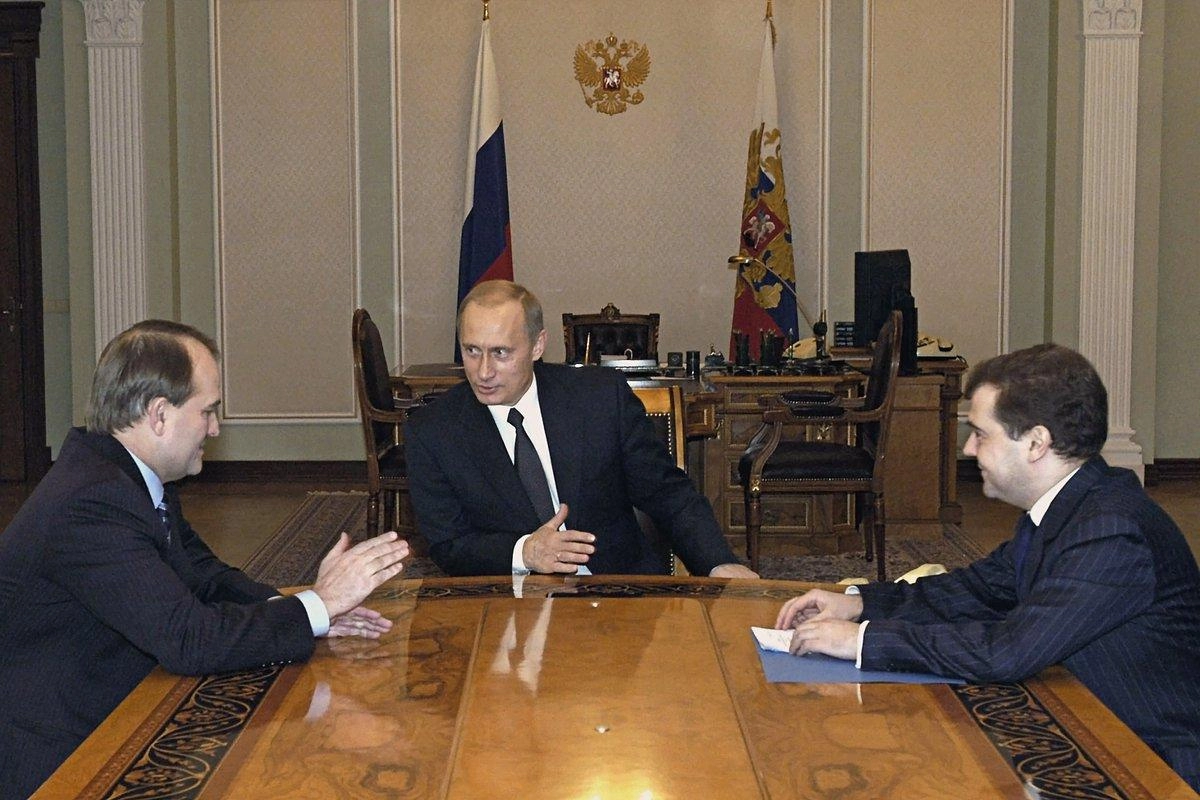
But these three raised Kuchma’s power to almost heavenly levels through manual governance and the so-called “telephone law” – when officials, judges, and local authorities received phone calls from the administration with “necessary instructions.”
Ignoring them was difficult, given that the president controlled the security bloc – the Security Service of Ukraine (SBU) and the Prosecutor General’s Office, later joined by the State Bureau of Investigations (the SBI, also known as the DBR) – which effectively combined investigative and prosecutorial powers.
The Prosecutor General’s Office long held responsibility for economic oversight, allowing it to pressure dissenting business owners or opposition politicians. This made the Administration a feared institution, earning it the nickname “horsemen of the apocalypse.”
In the early 2000s, the political opposition openly called Kuchma a dictator, and although this was not quite true, he undoubtedly wielded more power than any other Ukrainian president.
After the Orange Revolution and the rise of democratic President Viktor Yushchenko, the Presidential Administration was renamed the “Secretariat,” suggesting that its function would now be purely operational and organizational. In addition, under the 2005 constitutional amendments, Ukraine became a parliamentary-presidential republic and transferred more powers to the parliament to avoid a repeat of the Kuchma era.
Yet Yushchenko also found a way to increase his power – again through the Presidential Secretariat.
At the time, parliament was in chaos due to tushkuvannia – the buying of lawmakers willing to sell their votes – and the rivalry between Prime Minister Yulia Tymoshenko’s bloc and pro-Russian opposition leader Viktor Yanukovych.
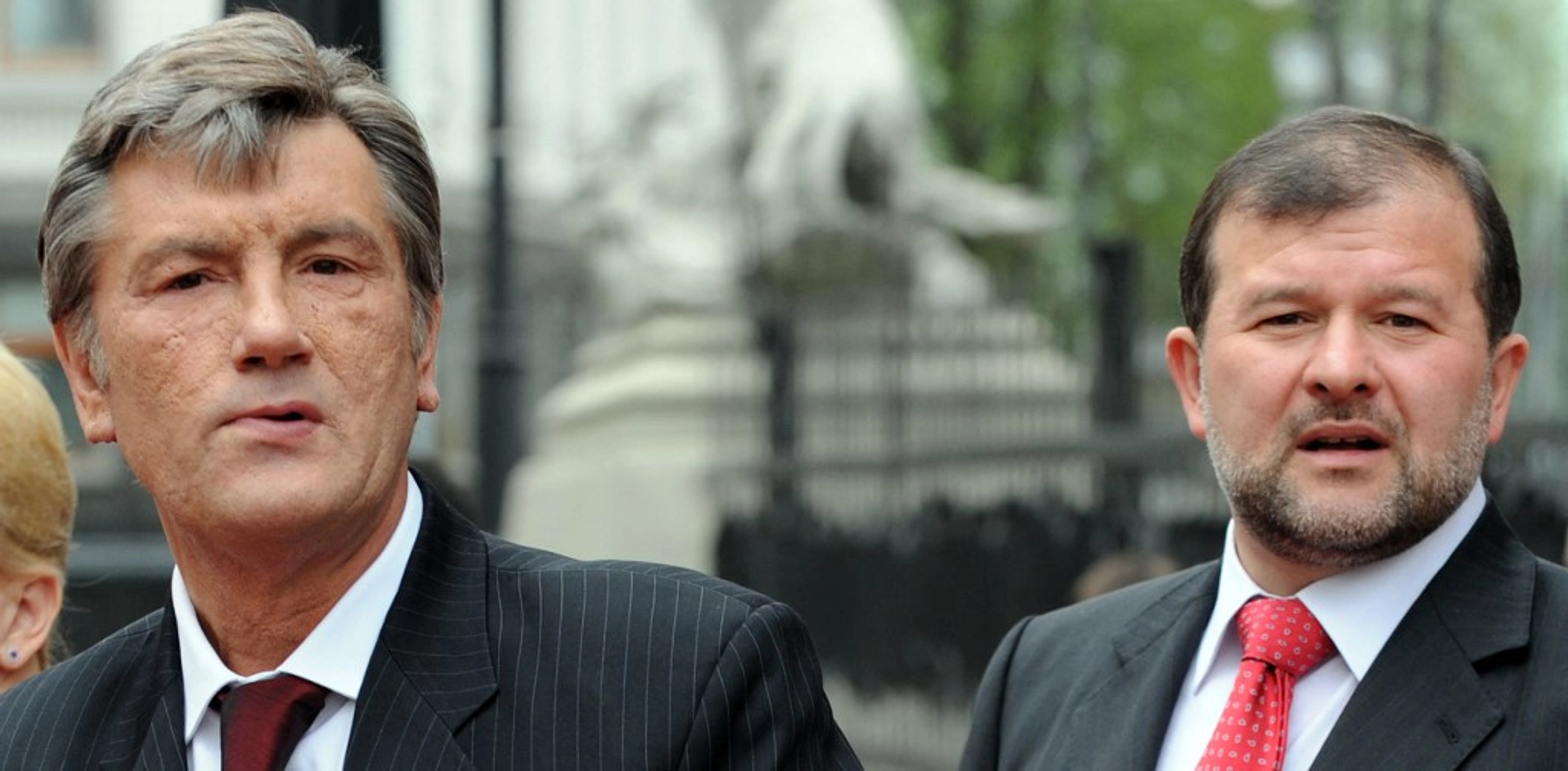
Against this backdrop, Yushchenko expanded his influence with the help of Secretariat head Viktor Baloha (2006-09), often described as a “grey cardinal.” Although Baloha held little formal authority, the president still controlled the security vertical and his own parliamentary faction, which amplified Yushchenko’s leverage – and, in turn, the power of the Secretariat.
Then came the elections, and in 2010 Yanukovych became president.
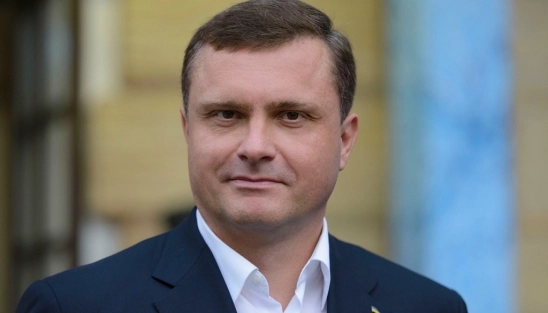
During Yanukovych’s rule, the Administration (to which the Secretariat was again renamed) was headed by the “cunning fox” Serhiy Lyovochkin (2010-14), who acted as a middleman between the moderately pro-Ukrainian and pro-Russian wings in the ruling party, the “Party of Regions.”
And under Petro Poroshenko, Ukraine’s first post-Euromaidan president, media magnate Borys Lozhkin (2014-16) headed the Administration, followed by bureaucrat Ihor Rainin (2016-19).
Rainin later turned out to be a pro-Russian politician.
Why did figures with dubious reputations – sometimes even pro-Russian – so often helm the presidential apparatus, and wield outsized power despite having little formal authority?
Duplication of the government
Kuchma, Ukraine’s second president, later justified appointing pro-Russian politicians by saying that “for a certain time they were effective bureaucrats.”
At first glance, the Presidential Office appears to be a standard support structure for the president, housing the press secretary, protocol and ceremonial services, and units that handle pardons and state awards.
But a closer look shows that the Office (formerly the Administration) contains numerous directorates and departments that effectively duplicate the work of ministries in the Cabinet of Ministers, including:
- Directorate for Foreign Policy
- Directorate for National Security and Defense
- Directorate for Justice and Law Enforcement
- Directorate for Regional Policy and Decentralization
- Directorate for Economic Policy
- Directorate for Internal and Humanitarian Policy
- Directorate for Information Policy
And the list goes on.
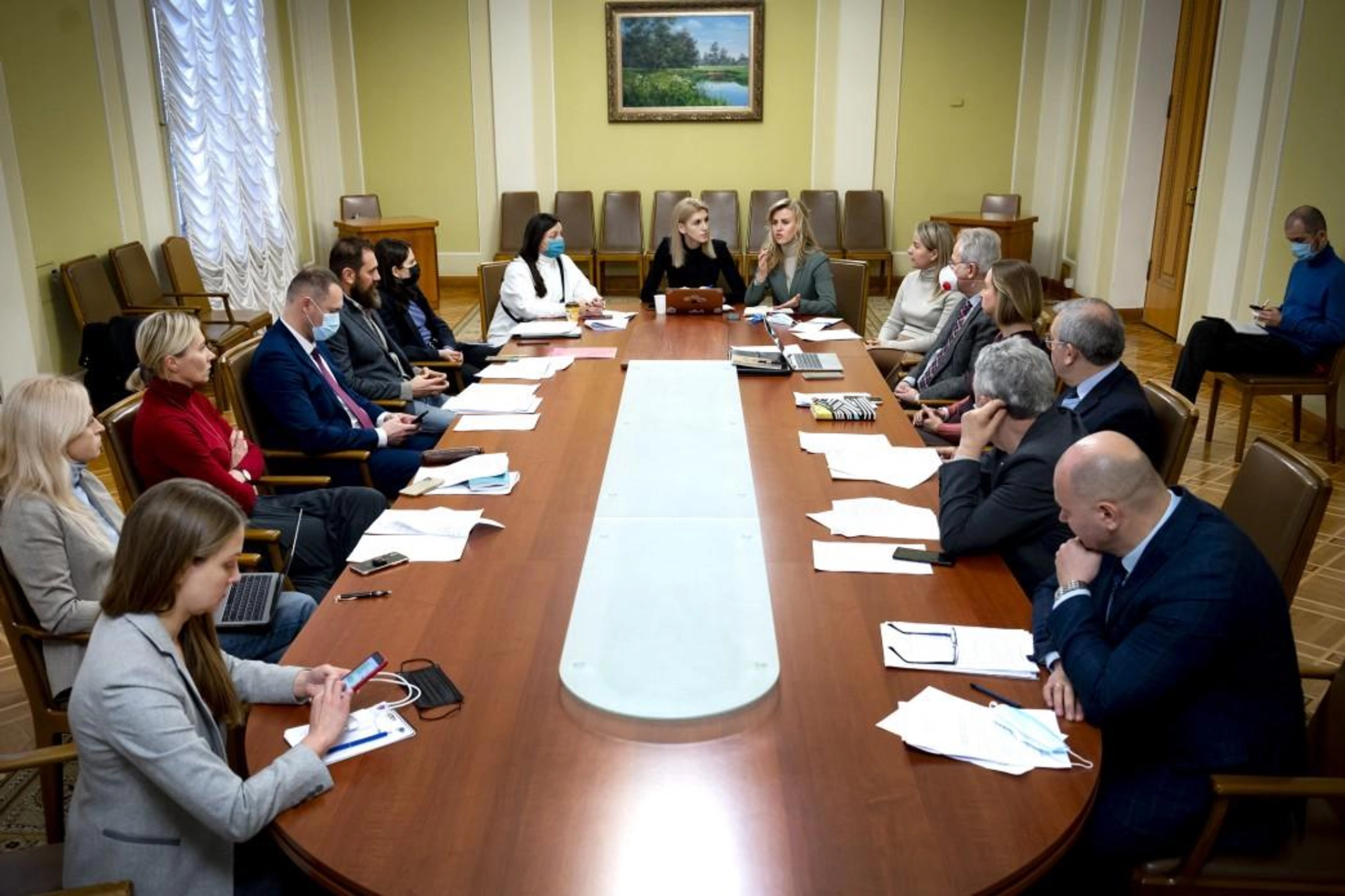
When Zelensky came into power, he signed Decree No. 417/2019 in the summer of 2019, which changed the Presidential Administration into the Presidential Office. Among other things, it introduced several functions considered potential expansions of presidential powers, including:
- The Presidential Office “analyzes acts of the Cabinet of Ministers… decisions of heads of local state administrations and, if grounds exist, submits proposals to the President of Ukraine regarding bringing them into compliance with the Constitution and laws of Ukraine, presidential acts, or suspending or canceling them.”
- It “conducts expert analysis of political, economic, social, humanitarian and other processes occurring in Ukraine and the world, and prepares proposals for the President regarding the formation and implementation of domestic and foreign policy aimed at ensuring adherence to the Constitution of Ukraine.”
This helped turn the Presidential Office – already powerful from earlier years – into a kind of standalone think tank, while the president’s control over the security apparatus strengthened Bankova officials who could influence virtually any decision.
Despite parliament’s formally superior role in the constitution, the president has consistently remained Ukraine’s dominant political figure – and during the war, with expanded commander-in-chief powers, even more so.
As a result, officials from the Presidential Office, though lacking the formal authority of the Cabinet of Ministers, exercised real influence through the president and his security vertical, making them de facto rivals to both the cabinet and parliament. This unfolded at a time when parliament was particularly weak.
President’s strength, parliamentarism’s weakness
The constitutional changes of autumn 2005 turned Ukraine into a parliamentary-presidential republic. Now the main levers of power were in parliament’s hands.
Previously, the president would form the government, and parliament would approve it; now, the president receives from parliament a pre-agreed government lineup.
A similar situation occurs with the dismissal of security agency heads – before, the president could dismiss the heads of the SBU and the Prosecutor General unilaterally; after 2005, parliamentary consent was required.
Some publicists began comparing the president to a “British queen.” As it turned out, they were premature.
Because parliamentary traditions were suppressed and political parties banned during Soviet times, Ukraine had to relearn political life in the 1990s and 2000s.
During the 2019 election, people voted for “Zelensky’s party” in some districts, not even caring who the actual candidate was.
Under these conditions, most political parties were leader-centered projects, and when people voted for a party, they often did not know who its parliamentary candidates were.
“Our Ukraine” was associated with Yushchenko, “Batkivshchyna” with Tymoshenko, the “Party of Regions” with Yanukovych, the “Petro Poroshenko Bloc” with Poroshenko himself, and “Servant of the People” with Zelensky.
During the 2019 election, people voted for “Zelensky’s party” in some districts, not even caring who the actual candidate was.
This meant that the pro-government majority in parliament was often amorphous, weak, and highly compliant, making it unable to hold the president formally accountable. A recent example appeared in “Servant of the People” meetings with Zelensky: Rather than pressing him on issues – including matters involving Yermak – lawmakers largely listened to his remarks.
Without strong parliamentary backing, the government itself remained weak. This created a unique dynamic in which the most organized body, centered around a single individual, wielded real power despite formally lacking such authority – a pattern that persisted for decades.
The peak of this power came with the formation of Yulia Svyrydenko’s current government. Previously a deputy head of the Presidential Office, her appointment drew criticism from the opposition, which mockingly dubbed her “Miss Whatever You Wish Svyrydenko,” highlighting her perceived loyalty to Yermak.
As we can see, this story did not begin with Yermak. He is one of several heads of the Presidential Office who expanded an already significant influence – a development that is unsurprising under martial law and a parliament largely loyal to the president.
Breaking the circle?
Can this circle be broken? Yes.
According to experts and politicians interviewed by Kyiv Post, there is only one way out – a strong parliament that will form a strong and independent government.
The president would move from being the top power to an equal among parliament and the government, creating a balance of authority.
This would look like democracy in its purest form. However, one should not assume that any president will willingly abandon the opportunity to have their own government at hand, even if that person is currently not the president and publicly opposes such concentration of power.
It is worth remembering that at the beginning of Zelensky’s presidency, the Presidential Office did not have such power, and during the first six months of his term, the institution was headed not by Yermak, but by the more liberal Andriy Bohdan (who, according to Office employees, was not as systematic).
Another possible path would be the opposite trend: restructuring the system into a presidential vertical similar to that of the US, where the Presidential Office functions as a government.
However, given Ukrainians’ strong aversion to concentrating too much power in a single individual – a sentiment that fueled much of the criticism of Yermak and the blame placed on him for the current government’s failings – such an approach is unlikely to gain widespread support.
You can also highlight the text and press Ctrl + Enter