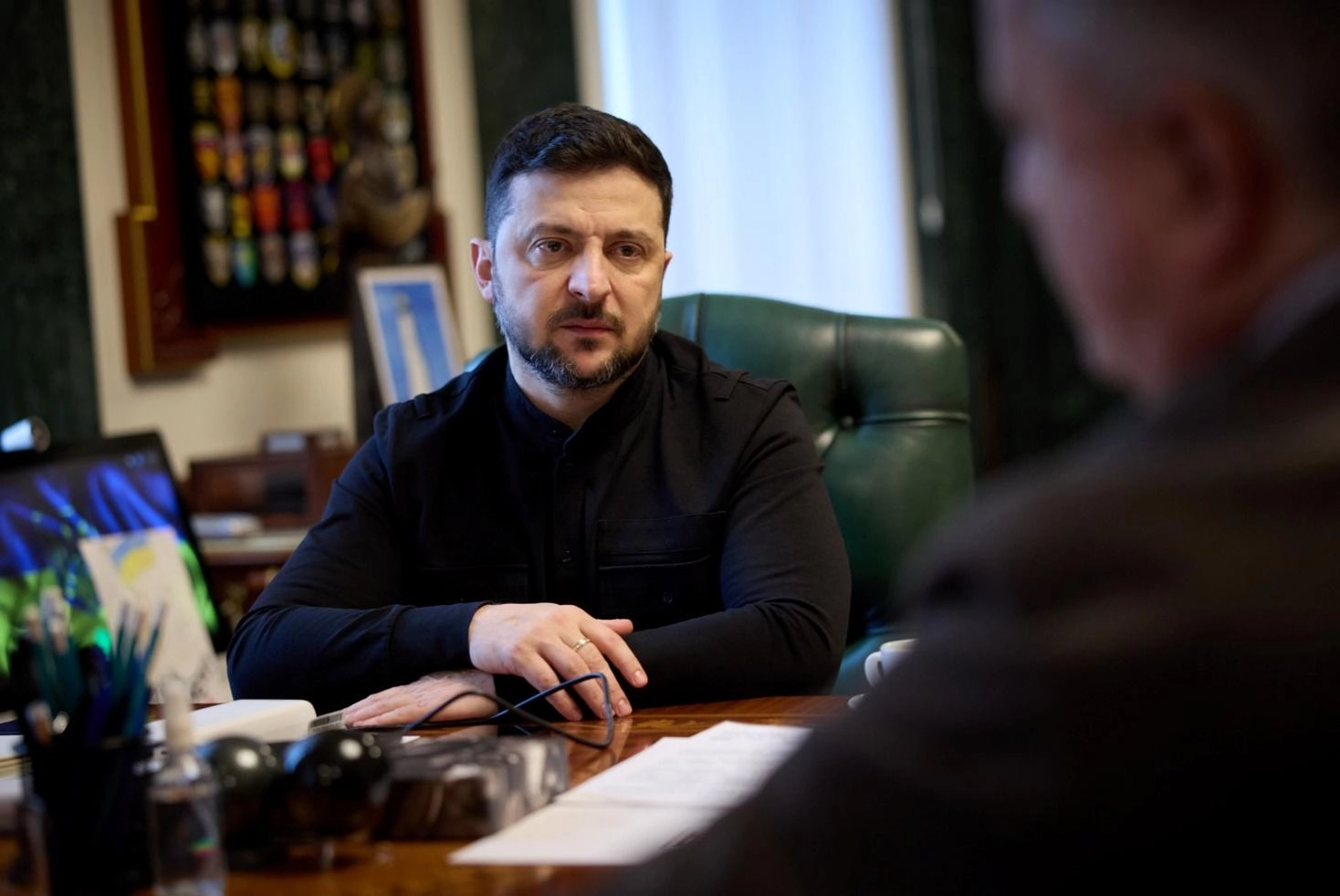
President Volodymyr Zelensky named five officials on Monday as potential replacements for Andriy Yermak, the chief of staff for the Presidential Office, who resigned in late November.
The list includes:
JOIN US ON TELEGRAM
Follow our coverage of the war on the @Kyivpost_official.
- Denys Shmyhal, defense minister (formerly the prime minister)
- Mykhailo Fedorov, deputy prime minister and minister of digital transformation
- Serhiy Kyslytsia, deputy foreign minister
- Lt Gen. Kyrylo Budanov, head of Ukraine’s Military Intelligence (HUR)
- Col. Pavlo Palisa, deputy head of the Presidential Office (formerly the commander of the 93rd Brigade)
But why them?
The importance of the role
Kyiv Post previously described the Presidential Office’s function in detail – in particular, why it holds immense power over the executive branch.
The head of the Presidential Office is more than a secretary or aide. They act like a second prime minister, answerable not to the parliament but only to the president, and play a crucial role in executing presidential powers – especially during wartime. Under martial law and with a relatively weak parliament, the head of the Presidential Office wields even greater authority.
Historically, the agency’s heads have influenced the nation through their control over the presidential vertical, particularly via the security sector. This has often led them to be referred to as de facto vice presidents.
For instance, former President Leonid Kuchma’s chief of staff, Dmytro Tabachnyk, was jokingly called the one actually running the administration, giving rise to the saying, “Kuchma works as president in Tabachnyk’s administration.”
Now on to the candidates.
Denys Shmyhal
Denys Shmyhal became the defense minister during the July government reshuffle – and before that, headed the government for five years – the longest tenure for a prime minister in Ukrainian history.
Trump to Join Zelensky for G7 Working Session on Ukraine Peace Conditions
He is 50, and he rose through the ranks from an accountant to the highest position in the executive branch.
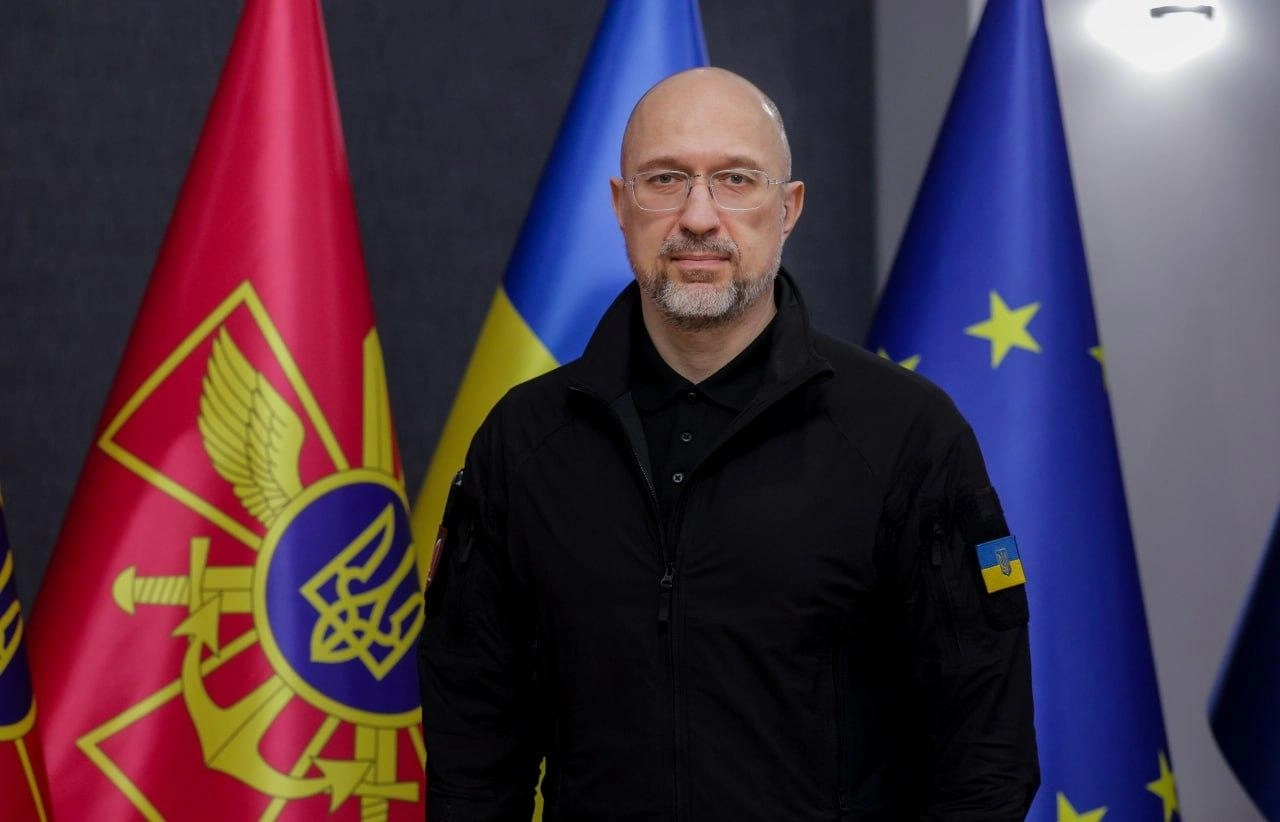
Before joining the government, Shmyhal built his career in the energy sector, heading some of Ukraine’s largest thermal power plants. He became prime minister in 2020 following his predecessor Oleksiy Honcharuk’s resignation.
As prime minister, Shmyhal earned a reputation as a skilled technocrat who focused on getting the work done, without political ambitions, concern for ratings, or a drive for the top job – even though the constitution vests the prime minister with key executive powers.
But Shmyhal might not be the defense minister for long after the July reshuffle.
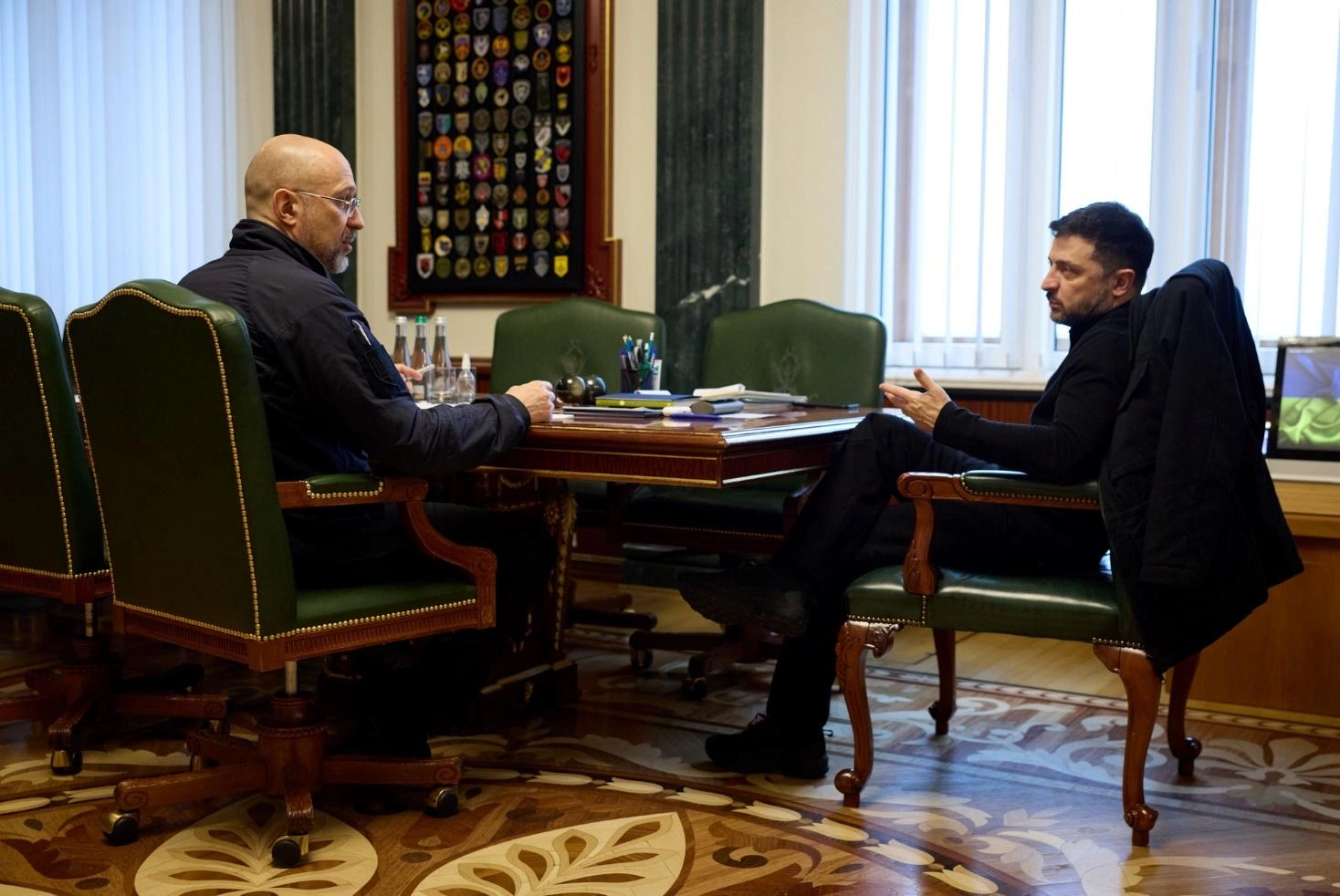
According to Kyiv Post sources, he was sent to address organizational issues at the defense ministry that emerged under his predecessor Rustem Umerov, a situation media reports described as “chaos.” His appointment reflects his bureaucratic and managerial expertise rather than a long-term political plan, suggesting his tenure in defense may be temporary.
Mykhailo Fedorov
Minister of Digital Transformation Mykhailo Fedorov is the youngest minister in Ukrainian history and studied at the Yale School of Management.
He is also one of the pioneers of Ukraine’s digitalization.
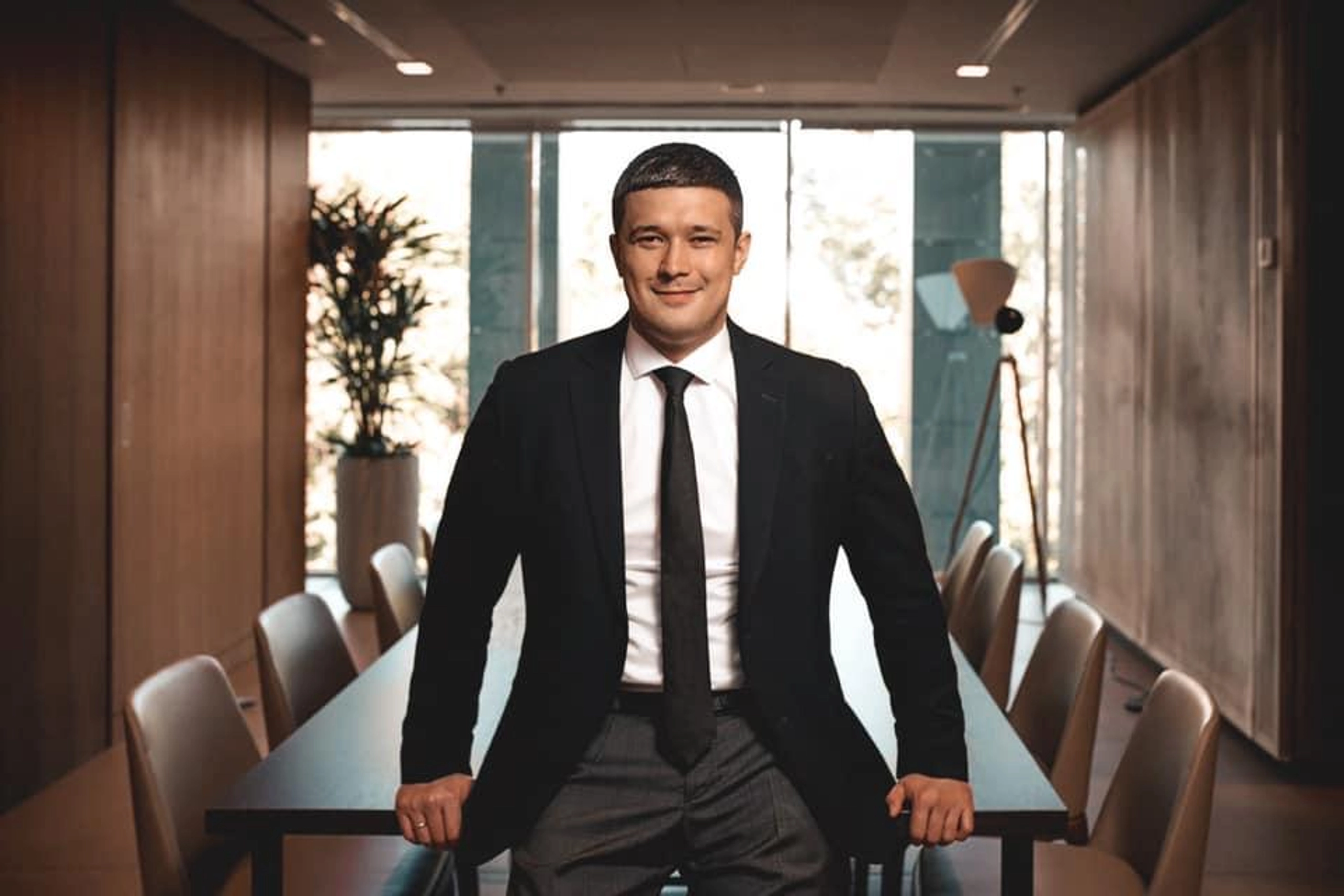
Fedorov assumed the ministerial post at just 28, and under his leadership, much of Ukraine’s paper-based bureaucracy – from documents to utility payments – was digitized within a few years. This transformation sparked a genuine revolution: The “state in a smartphone” became a reality, drawing foreign interest to Ukraine’s experience.
According to Kyiv Post sources, like Shmyhal, Fedorov has always maintained a close relationship with the president, able to meet with him directly without going through the previous chief of the Presidential Office.
Mykhailo Fedorov is widely regarded as an innovator – a sort of “Elon Musk for Zelensky” – whose vision and reliability have earned the president’s trust.

Serhiy Kyslytsya
Kyslytsya is the oldest contender on the list – a 56-year-old career diplomat whose entire professional life has unfolded on the international stage.
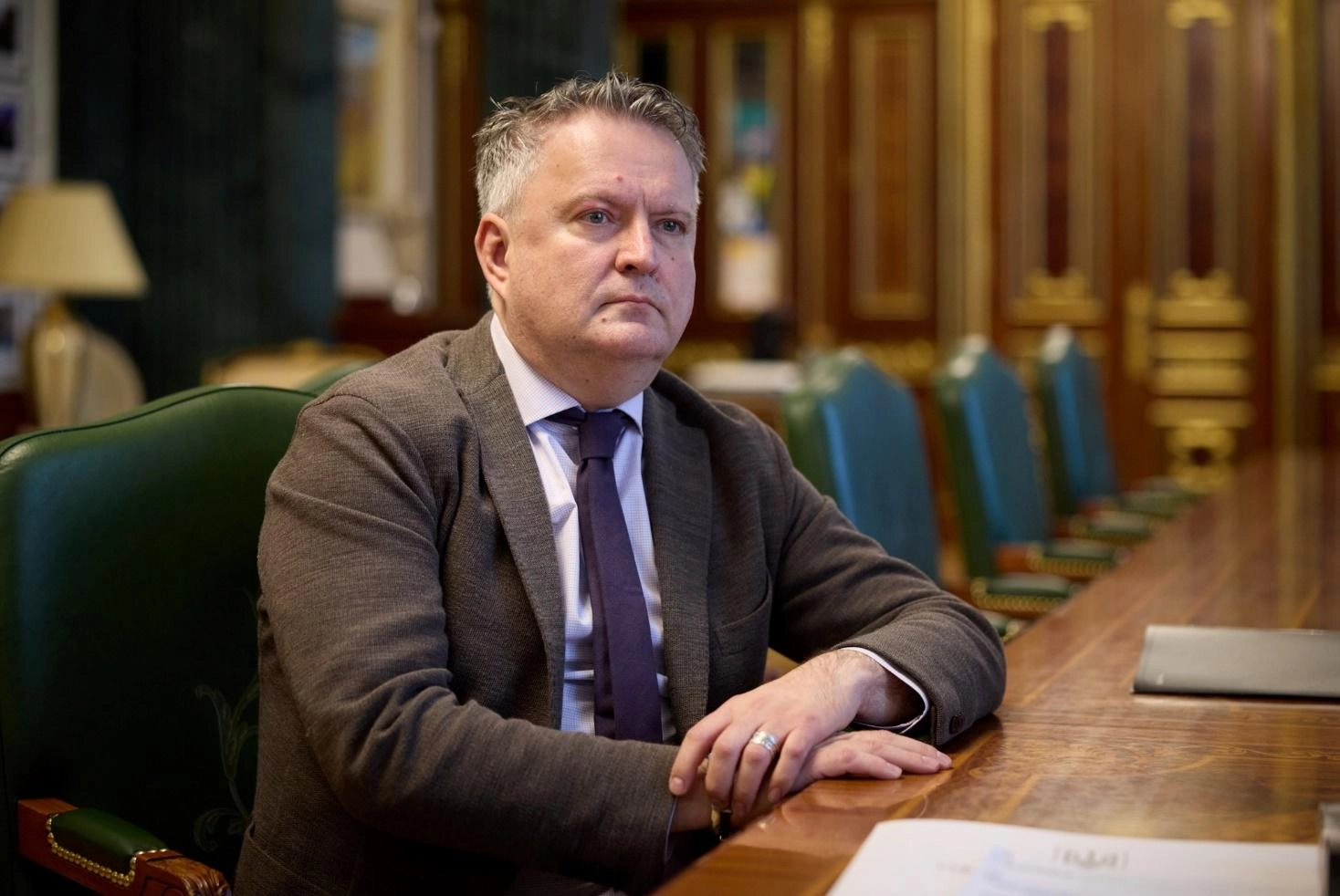
He served as Ukraine’s permanent representative to the UN from 2019 to 2024, and before that as deputy foreign minister from 2014 to 2019. His fiery speeches at the UN Security Council during Russia’s invasion – and the extensive diplomatic work organizing international summits and meetings – are largely his legacy.
Kyslytsya also took part in recent negotiations with US officials, where his notably “sour” expression (a coincidence with the Ukrainian word kyslyi, meaning “sour,” which sounds like his surname) turned into a meme. He took the joke in stride.
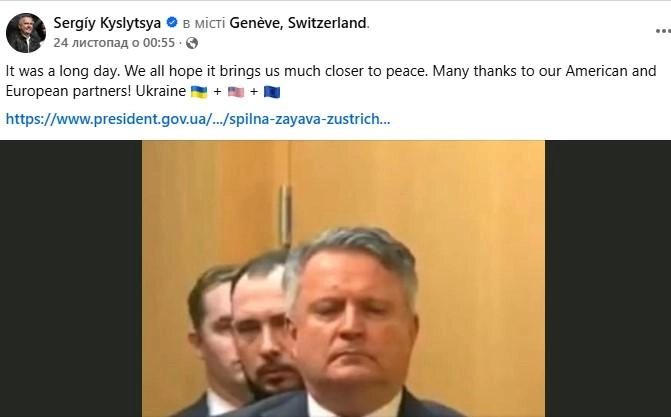
Naturally, an experienced diplomat fluent in Ukrainian, English, French, Spanish and Russian would be invaluable at a moment when the US and European tracks are decisive for the president.
If Kyslytsya is appointed, it’s likely that someone else – potentially a holdover from Yermak’s team – would take charge of the Presidential Office’s domestic operations.
Lt Gen. Kyrylo Budanov
Budanov, as Ukraine’s intelligence chief, is one of the country’s most highly regarded officials.
Deep strikes on Russian assets far behind enemy lines – that’s often the work of his agency, HUR. High-level wartime intelligence assessments – also HUR. Complex special operations on the front line – again, HUR.
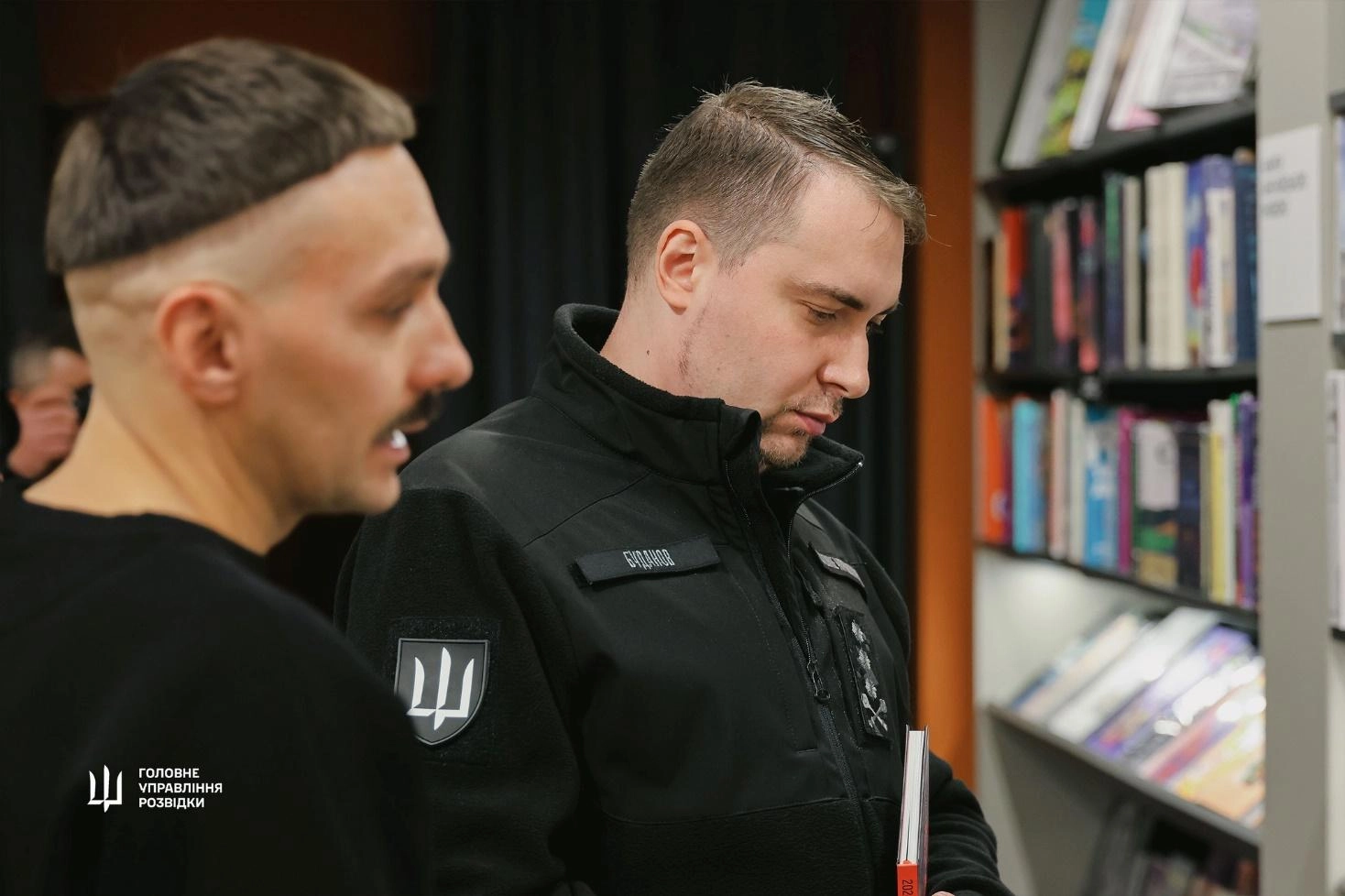
He is 38 and became the head of HUR at just 34. In that time, he has proven himself a skilled and resilient leader – someone who not only managed a large and complex intelligence agency during wartime, but also significantly expanded its capabilities.
Two other factors work in Budanov’s favor.
First, he is known for his commitment to service. Despite pressure from previous Presidential Office leadership, Budanov consistently stepped in during critical moments – most recently in Pokrovsk, where he helped stabilize the situation on the eve of difficult negotiations for Ukraine.
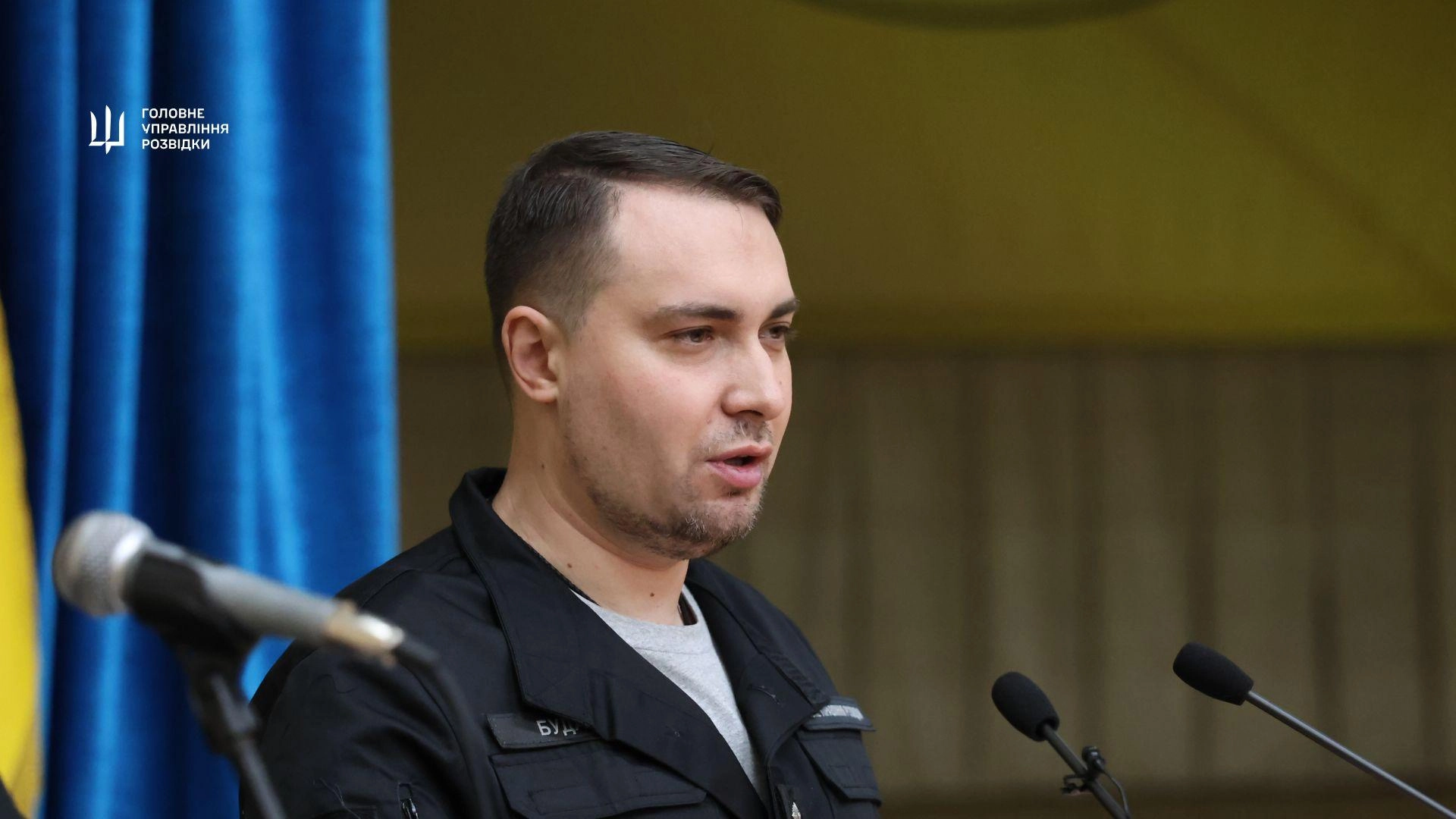
He is also widely popular – both among Ukrainians and within the military establishments of partner countries.
Unlike Yermak, Budanov has virtually no negative rating. This cuts two ways. On one hand, appointing him would bring a highly trusted figure into the president’s inner circle. On the other hand, online chatter has long suggested the emergence of a so-called “Budanov party” ahead of future elections, and polling consistently places him among the leading contenders in any postwar vote.
Budanov himself does not engage with these rumors, stressing only his commitment to service.
Col. Pavlo Palisa
Like Budanov, Palisa is relatively young – just 40.
He commanded a battalion well before Russia’s full-scale invasion and was part of the new generation of officers who helped modernize Ukraine’s military.
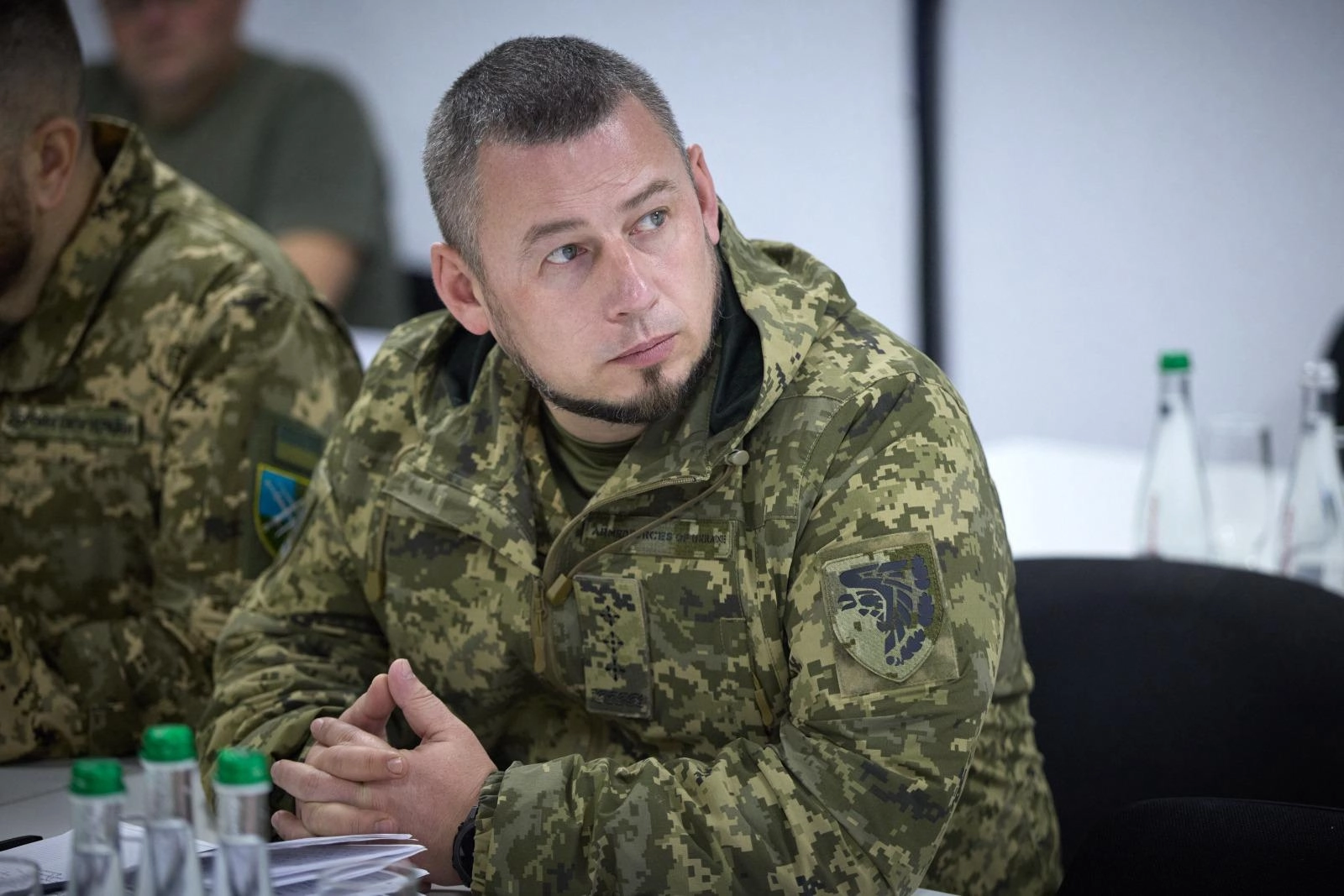
Soon after Russia’s 2022 invasion, he cut short his studies at the US Army Command and General Staff College to rejoin Ukraine’s defense. In June 2022, immediately after receiving his diploma, he returned to Ukraine to take command of the 5th Assault Regiment, which was soon expanded into the 5th Kyiv Assault Brigade.
He later led the 93rd Mechanized Brigade “Kholodnyi Yar,” a unit that had already spent a decade fighting in eastern Ukraine and was among the first to confront Russian forces in spring 2014. Under his command, the brigade fought in the Bakhmut sector and became one of the first to adopt advanced weapons systems, including drones.
In fall 2024, Palisa was appointed deputy head of the Presidential Office, where he played a key role in shaping the military policy. He accompanied Ukrainian delegations to all major negotiations in the US, including meetings at the White House.
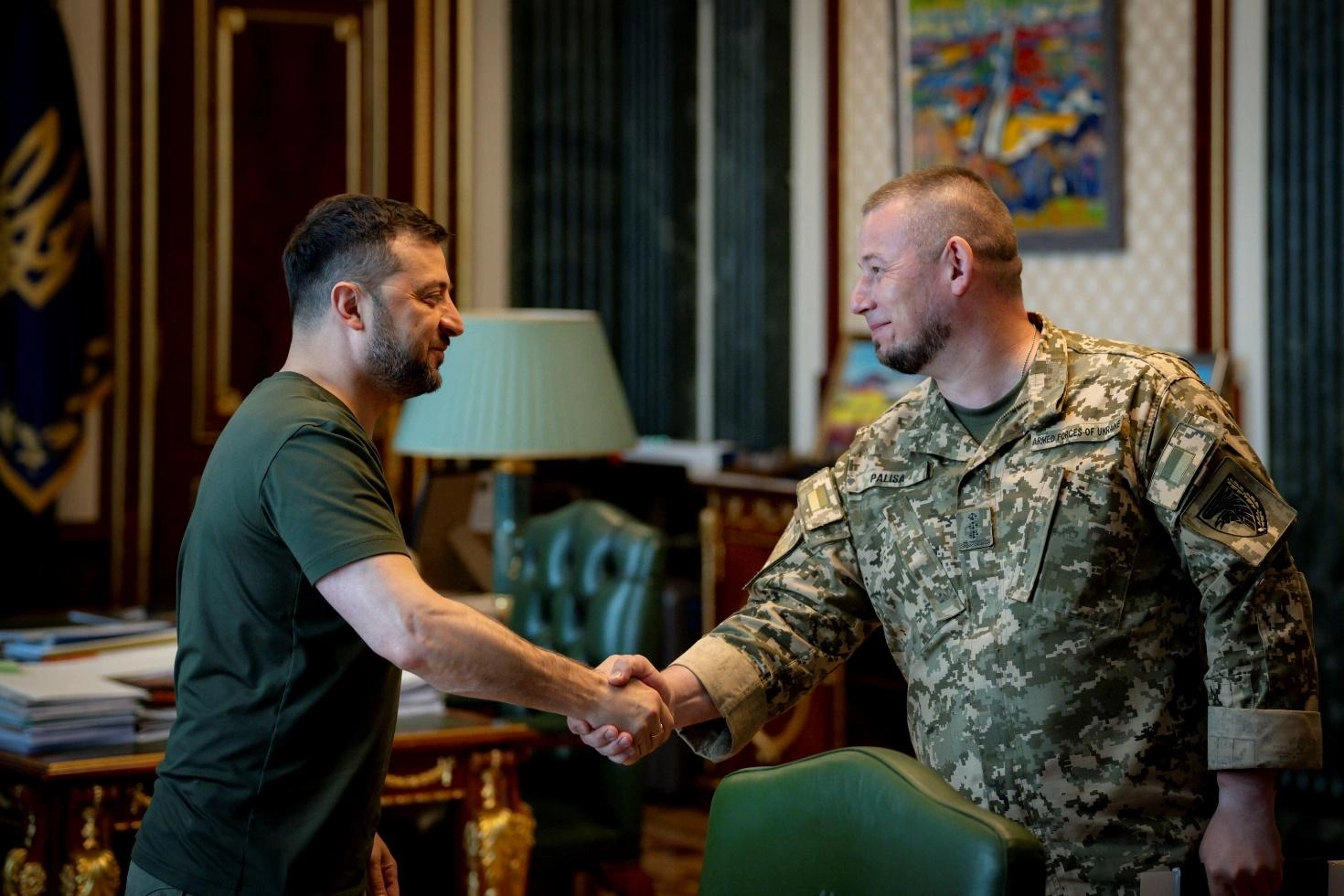
Palisa’s appointment not only strengthens the military development and brings in a popular, crisis-experienced figure, but also reinforces the president’s position on the international stage.
What they have in common
A look at the main contenders suggests Zelensky is looking for a chief of staff from among those already close to him, with Palisa as the only exception.
He likely wants a trusted professional whose abilities have been proven during wartime. None of the candidates has faced anti-corruption investigations, and all enjoy strong reputations with Kyiv’s allies.
Unlike some previous heads of the Presidential Office, these contenders are not second-tier bureaucrats. All, except Palisa, hold high-ranking positions – from a former UN permanent representative to an ex-prime minister, the head of intelligence, and the deputy head of government – signaling that Zelensky does not intend to reduce the Presidential Office’s influence, as some opposition figures have urged.
Regarding the effectiveness of the new chief of staff, all sources agree that much will depend on how many of Yermak’s staff remain, particularly in security-related positions.
You can also highlight the text and press Ctrl + Enter