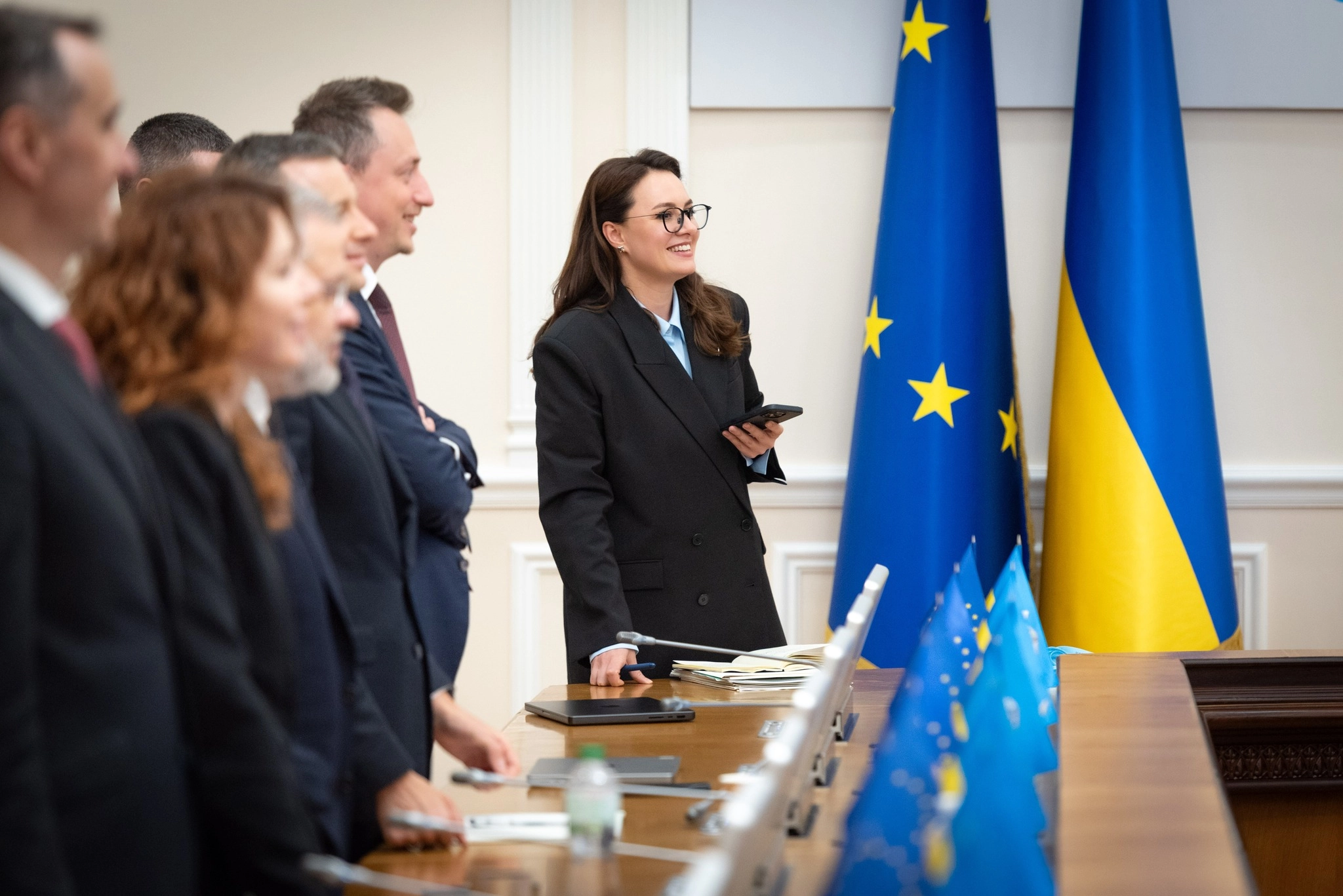
On Thursday, the Verkhovna Rada approved the candidacy of the new prime minister, Yulia Svyrydenko, and, overall, a new government.
However, calling it a “new” government might be misleading, despite there being key changes worth noting.
JOIN US ON TELEGRAM
Follow our coverage of the war on the @Kyivpost_official.
Kyiv Post gathered everything you need to know.
New–old government
What happened resembles more of a “reset” of former Prime Minister Denys Shmyhal’s government.
Around 90% of the ministers retained their positions – three ministers were replaced, two others were reassigned, and Svyrydenko, the former deputy prime minister who had already been handling many functions in the government, has now become the prime minister.
The former head of government, Shmyhal, in becoming the new defense minister, effectively took on the second most important position after the prime minister.
That’s why everyone Kyiv Post spoke with refers to it as a “reset” of an already formed team that the country’s leadership is largely satisfied with.
Uncertain vote on the president’s government
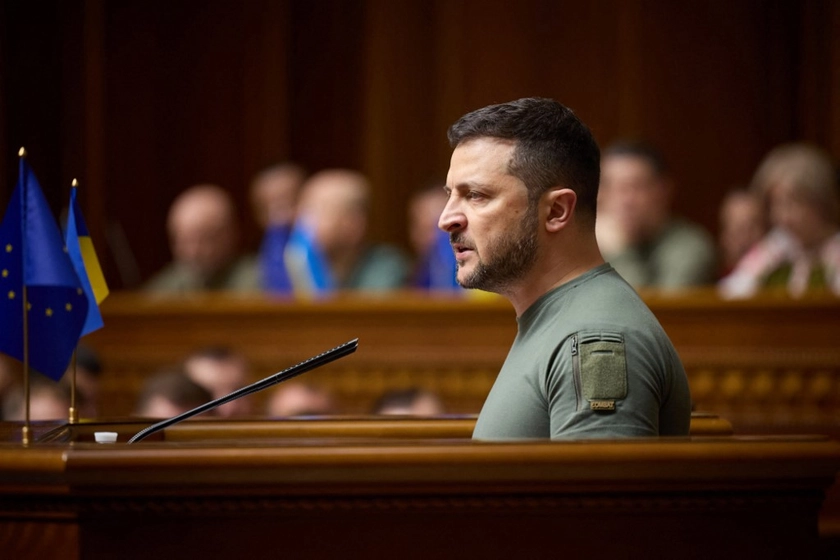
Several media outlets have already labeled the new government as President Volodymyr Zelensky’s government.
This is not only because many members have passed through the so-called “crucible” of the Presidential Office before joining the Cabinet – such as Deputy Prime Minister Oleksiy Kuleba and Prime Minister Yulia Svyrydenko – but also because, under Ukraine’s Constitution, the majority party (currently, that would be Zelensky’s own Servant of the People party) present the president with a candidate for the prime minister role. The president then nominates the prime minister for a parliamentary vote, which requires majority approval from the parliament.
Russian Guided Bombs in Kharkiv Kill Teen, Wound 32, Including Children
According to lawmakers, rather than them proposing a candidate to him, Zelensky introduced his proposed government lineup to his “Servant of the People” party the day before the vote.
Members of Zelensky’s party said they knew no more about the government reshuffle plans than the public, despite rumors of the prime minister’s replacement having circulated for a while, and Svyrydenko’s growing influence, particularly after signing the minerals deal with the US, being evident.
Notably, not everyone from the “Servant of the People” party voted for Svyrydenko or the new government. Out of 231 lawmakers from the party (the required parliamentary majority is 226), 194 voted in favor. Only two openly voted against; over 30 either abstained or did not vote.
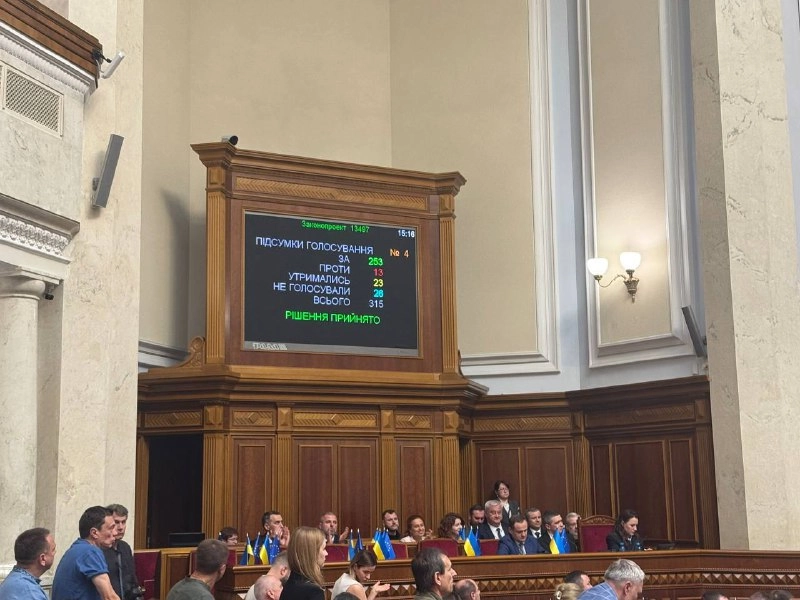
The shortfall in votes from the “Servant of the People” was generously made up for though by former members of the “Party of Regions” (the now banned pro-Russian party of ex-President Viktor Yanukovych) who formed new parties such as the “Platform for Life and Peace,” “For the Future,” and “Restoration of Ukraine” – with 36 votes. Support for “Servant of the People” is gradually shrinking in terms of loyal and active lawmakers.
A total 23 votes came from other lawmakers and independents. As a result, the government secured 253 votes.
“In fact, this is the new coalition,” said lawmaker Yaroslav Zhelezniak.
Who, where, and why
The new government is led by Svyrydenko, who is the former First Deputy Prime Minister and Minister of Economy. Kyiv Post previously wrote about her and her career.
This appointment, as well as the positions taken by Svyrydenko’s deputies in the new government, shows that the reset shifts the Cabinet’s focus toward the economy and modernization.
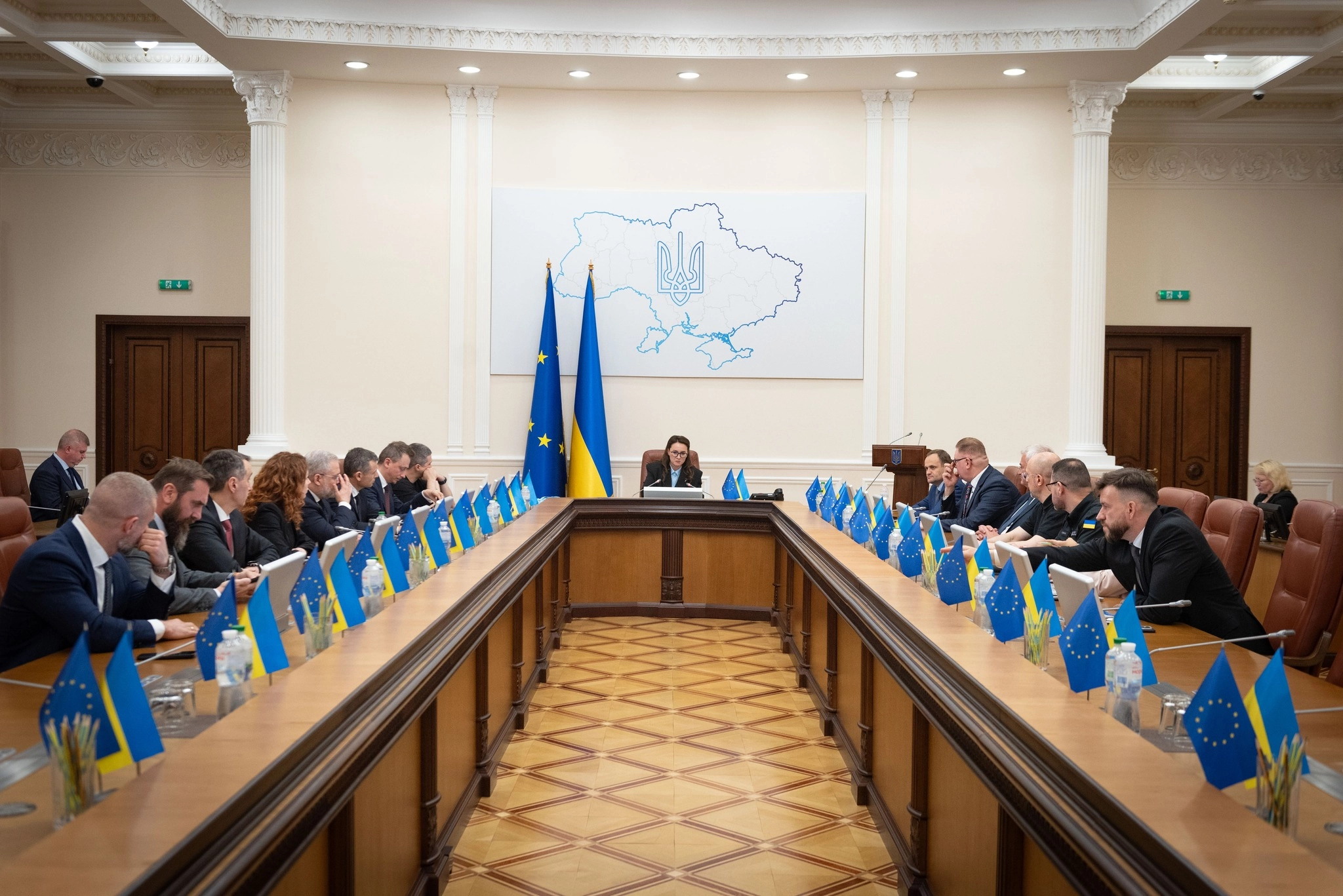
“Our priority steps in the first six months are the effective provision of the army, increasing domestic weapons production, and raising the technological level of the military,” Svyrydenko said after the vote.
“We will make every effort to support Ukrainian entrepreneurs. We need quick and tangible actions – we are talking about comprehensive deregulation, stopping unauthorized pressure on business, accelerating large-scale privatization, and further implementation of effective support mechanisms. So that everything is ‘Made in Ukraine,’” she added.
The new minister of economy is Oleksiy Sobolev, previously the deputy minister under Svyrydenko. He is highly regarded in the field.
“Oleksiy Sobolev is likely the strongest economy minister – at least in terms of understanding how the economy works – in Ukraine’s history. Anyone who attended his lectures won’t deny it,” wrote investment banker Serhiy Fursa.
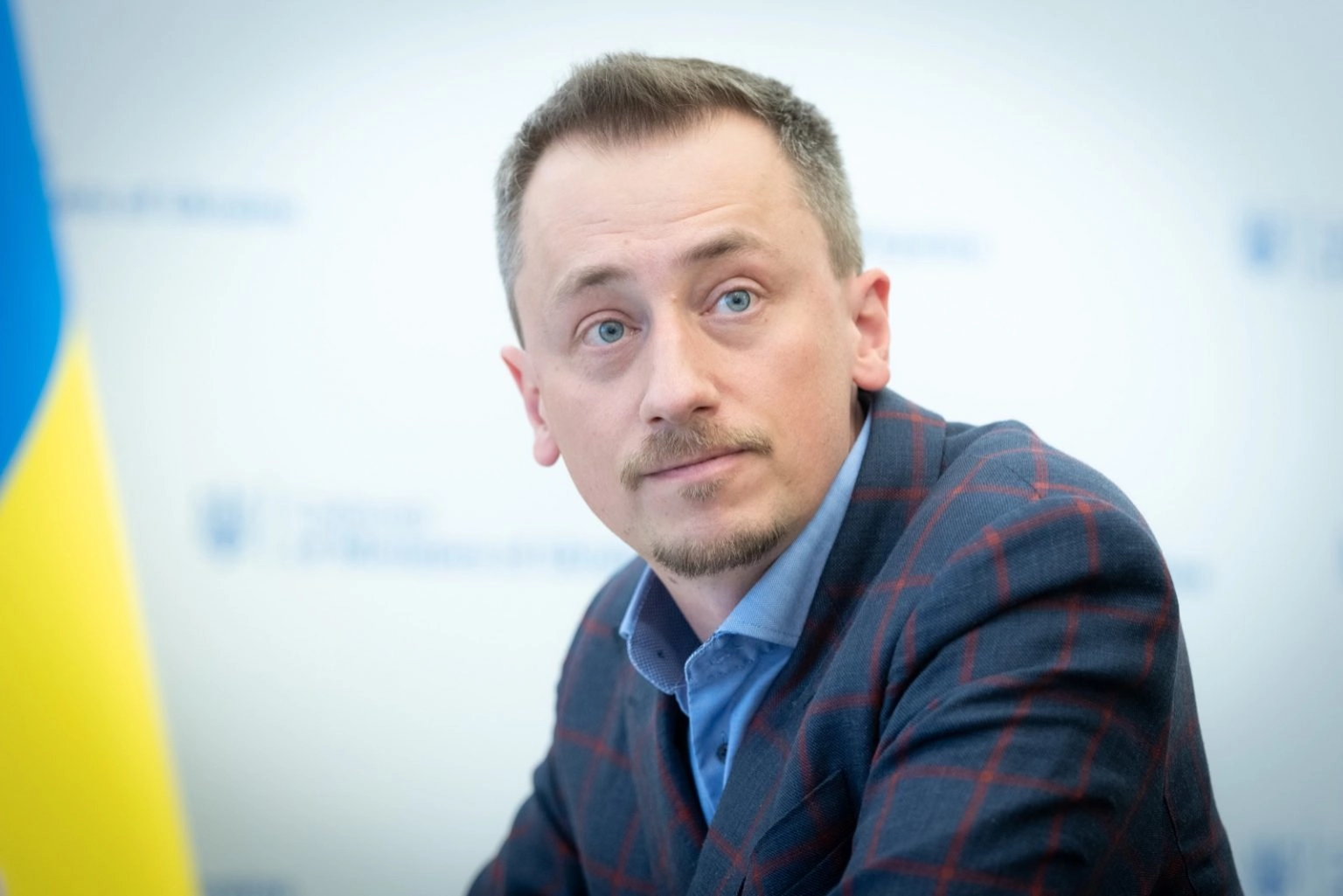
“He also has a very positive credit history, with success in Prozorro Sale and small-scale privatization, where he led the project and demonstrated his values. If anyone can deliver breakthroughs in deregulation (not to be confused with tax cuts), it’s him,” Fursa added.
Another of Svyrydenko’s former deputies, Taras Kachka – the former vice president for strategic development (since January 2014) and acting president (November 2014-April 2015) of the American Chamber of Commerce in Ukraine – became vice prime minister for European integration.
The author of this article spoke with Kachka several times, both as an expert and as the commissioner for business at the State Fiscal Service. Later, as deputy economy minister, he took part in negotiations with the US on the minerals deal.
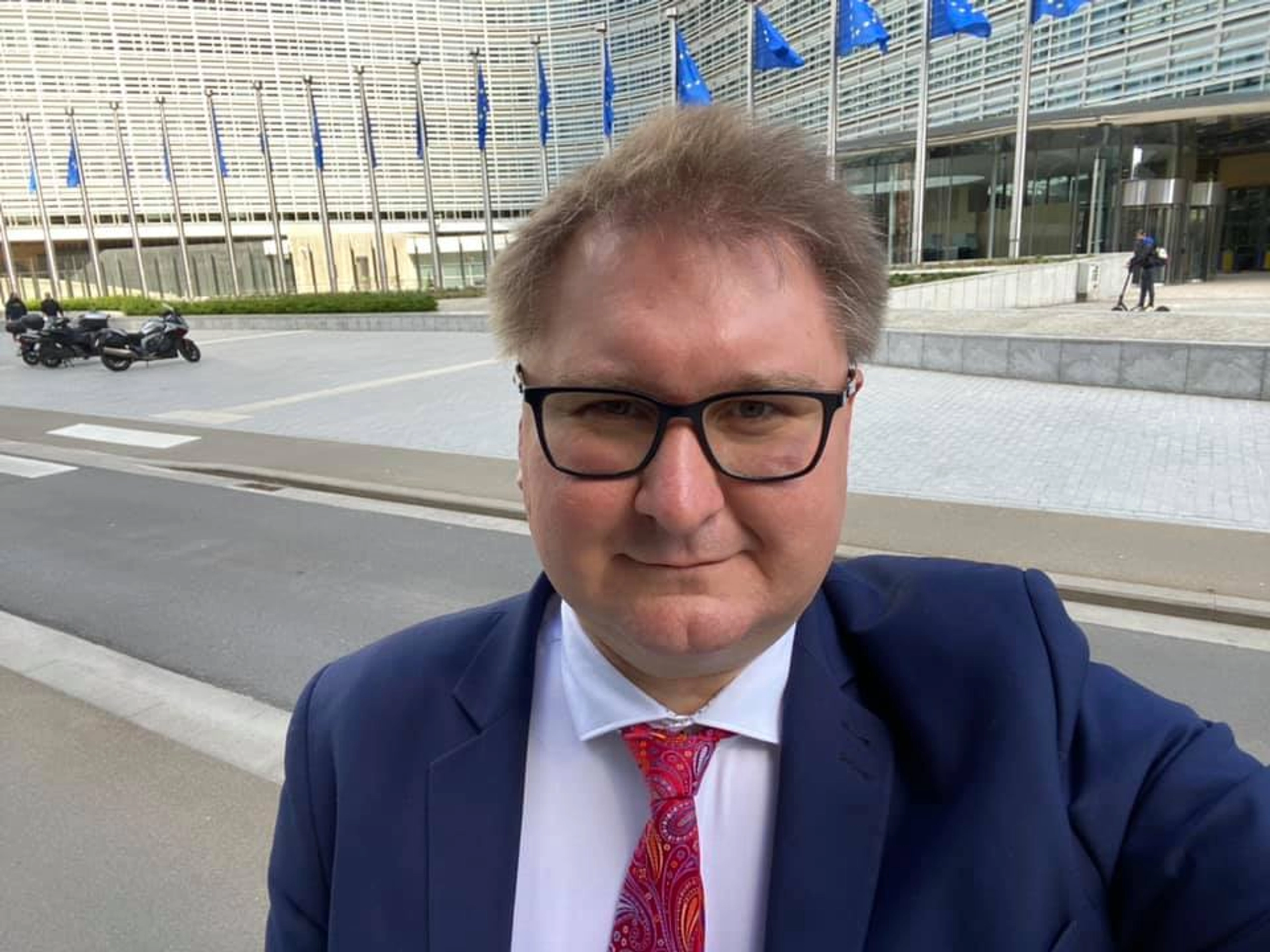
Kachka also led talks with Poland’s Agriculture Ministry during the blockade of the Polish-Ukrainian border by Polish farmers and haulers over cheaper Ukrainian grain exports.
His appointment reflects his qualities as an expert and negotiator, skills crucial for further EU integration, especially given resistance from some Eastern European states.
No changes for some ministers
As noted, most ministers kept their positions – even those long rumored in the media to be resigning.
The humanitarian sector remained unchanged: Minister of Education Oksen Lisovyi, Minister of Health Viktor Liashko, Minister of Youth and Sports Matviy Bidnyi, and Minister for Veterans Affairs Nataliia Kalmykova retained their positions.
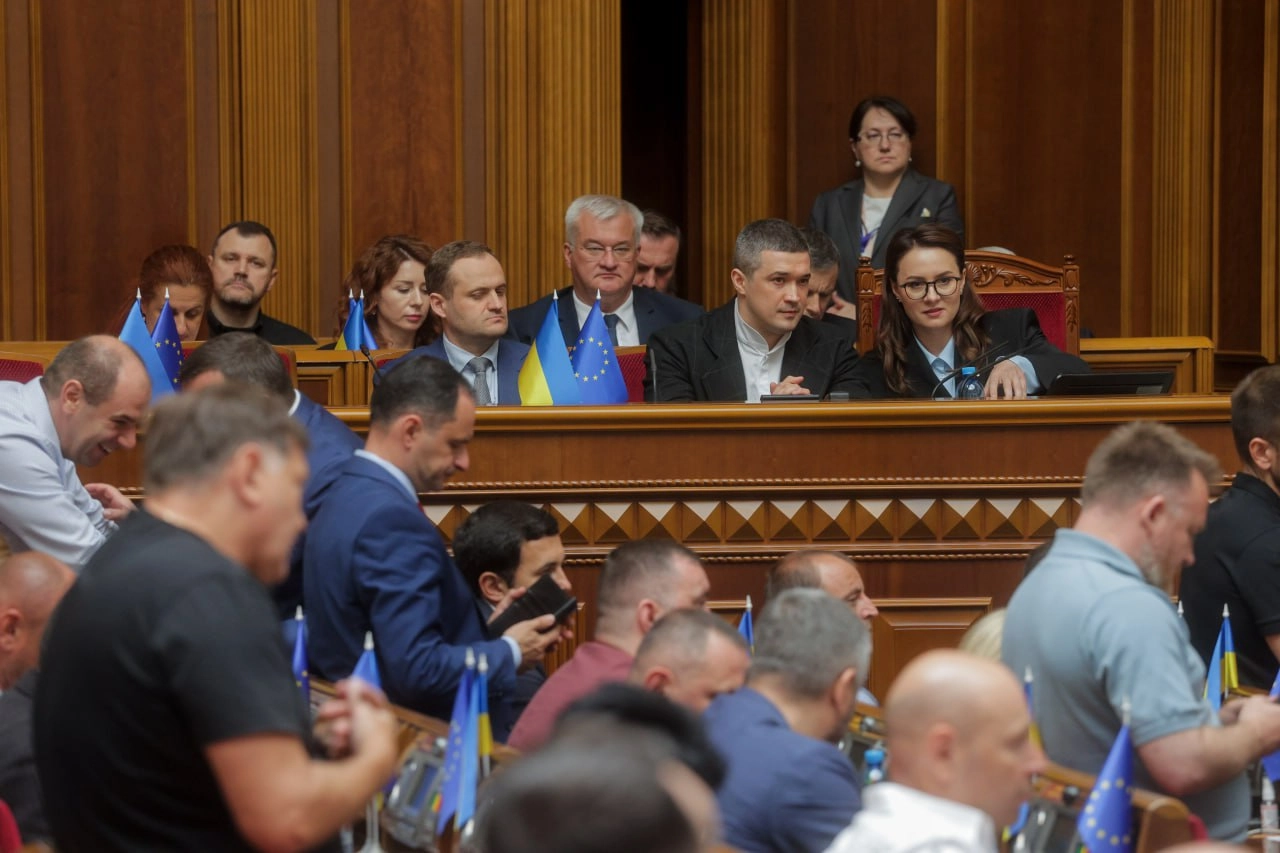
Vice Prime Minister for Recovery and Minister for Communities and Territories Development Oleksiy Kuleba also stayed on.
Other ministers who held their positions include Foreign Minister Andriy Sybiha, Interior Minister Ihor Klymenko, and Finance Minister Serhiy Marchenko.
Minister of Digital Transformation Mykhailo Fedorov was promoted from Deputy Prime Minister to First Deputy Prime Minister.
It’s worth noting that most of these officials started relatively recently, had no scandals, and there was no reason to expect their dismissal. Bidnyi, Kuleba, Kalmykova, and Sybiha have all served for less than a year.
The other three – Fedorov, Liashko and Marchenko – are experienced government officials.
Fedorov has been in office since 2019, leading a significant digital transformation of administrative services. Liashko was appointed during the COVID-19 pandemic in 2020 from his role as the chief sanitary doctor, and many experts viewed his actions at the time as timely and positive.
Marchenko has led the Ministry of Finance since spring 2020, with his work generally praised, especially his effective cooperation with the IMF and maintaining financial stability during the full-scale war.
One of Marchenko’s former deputies, Denys Uliutin, became Minister of Social Policy.
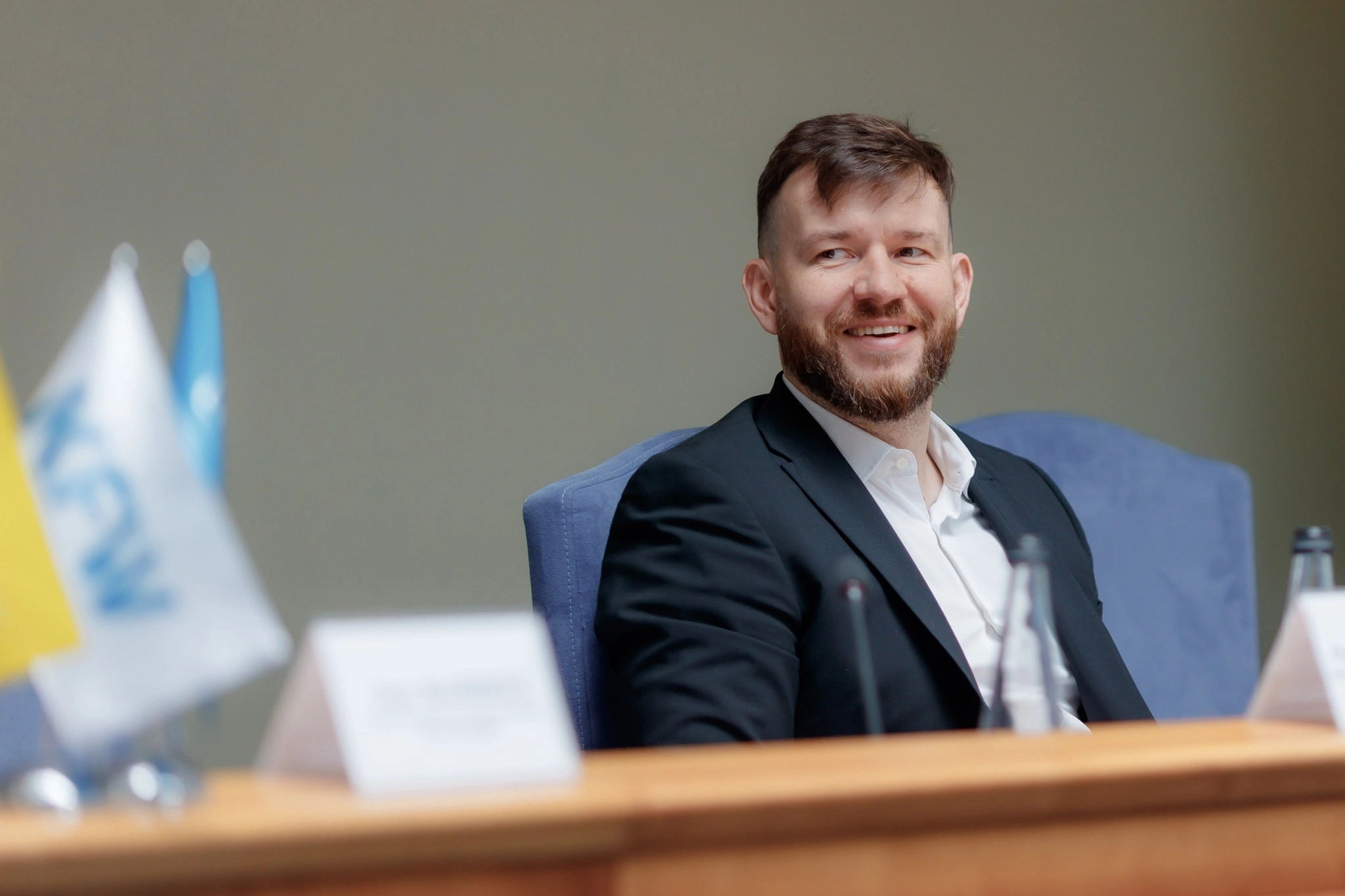
On the other hand, many officials were reshuffled, and former Ecology Minister Svitlana Hrynchuk became Minister of Energy. Notably, this is not a new role for her – she previously served as deputy minister of energy.
Former Energy Minister Herman Halushchenko now heads the Ministry of Justice, while former Justice Minister Olha Stefanishyna is expected to be appointed as a special representative to the US.
Shmyhal stays on
The most unexpected “reshuffle” in the government is former PM Shmyhal becoming the minister of defense.
The status of former Defense Minister Rustem Umerov – recently under fire from anti-corruption activists and journalists – is unclear. Rumors of his appointment as ambassador to the US remain unconfirmed.
As for Shmyhal, his appointment to head the defense ministry was not unexpected. Many in the public sector and the ministry itself anticipated it.
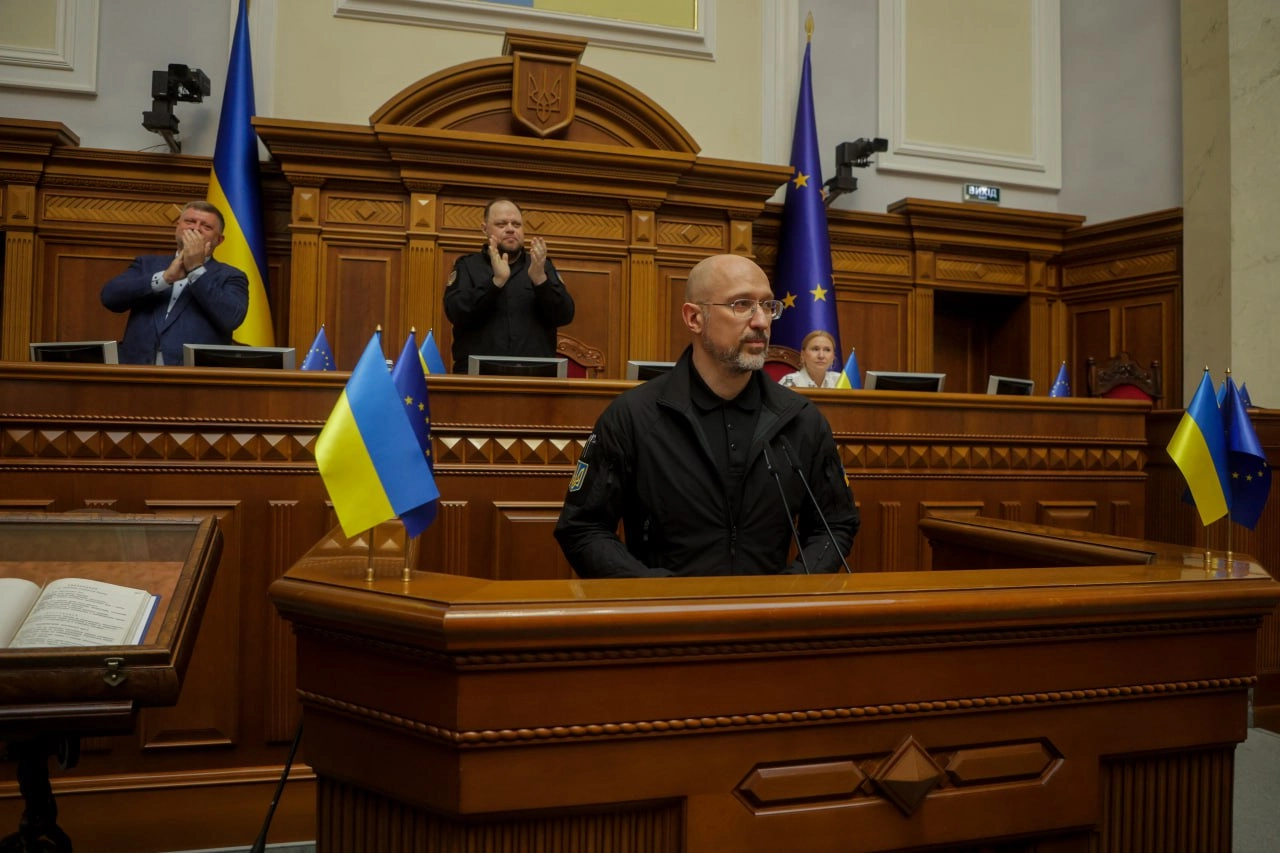
“Shmyhal has experience that Yulia Svyrydenko doesn’t yet. He’s clearly expected to streamline the Defense Ministry. Plus, he’ll oversee the biggest and most critical ministry, since the defense budget equals the state budget,” a Cabinet source told Kyiv Post.
“In fact, being the defense minister is like controlling half the Cabinet’s spending. I wouldn’t call it a demotion – it’s actually a concentration of responsibility,” the person added.
Small ministries eliminated
Some lost their Cabinet seats with no clear next steps – often coinciding with the elimination of their positions or entire ministries.
The new government will no longer have a minister of the Cabinet of Ministers, responsible for coordinating the Cabinet with other branches of power. The future of Minister Oleh Nemchinov – whose work drew no criticism from authorities – is unknown.
The same goes for former Social Policy Minister Oksana Zholnovych.
The Ministries of Ecology and Economy are merged into one.
Two more were effectively liquidated. One was the newly created Ministry of Unity of Ukraine (whose questionable functionality was covered by Kyiv Post about six months ago), which had done nothing before its minister, Oleksiy Chernyshov, was embroiled in a major corruption scandal.
As a result, this small ministry will be merged into the Ministry of Social Policy, now to be called the Ministry of Social Policy, Family, and Unity.
Another ministry that failed to make an impact was the Ministry of Strategic Industries (Minstrategprom), which was supposed to coordinate arms systems production, certification of foreign systems, etc.
But in practice, it duplicated many functions of the defense ministry, digital transformation ministry, or even Ukroboronprom, Ukraine’s arms conglomerate.
Unsurprisingly, its last head was Ukroboronprom’s chief, Herman Smetanin.
“We spent entire days doing tasks that would later be canceled – because it turned out the defense ministry had already been working on them for months. People quit because they didn’t want to do work that led nowhere,” one former Minstrategprom specialist told Kyiv Post.
As a result, this recently created ministry will be absorbed by the defense ministry.
The only exception on the list is the Ministry of Culture and Strategic Communications. Consultations are still ongoing regarding the candidate for the minister of culture.
You can also highlight the text and press Ctrl + Enter

Rada Ratifies Zelensky’s €90B EU Loan for Ukraine’s Defense and Budget Support