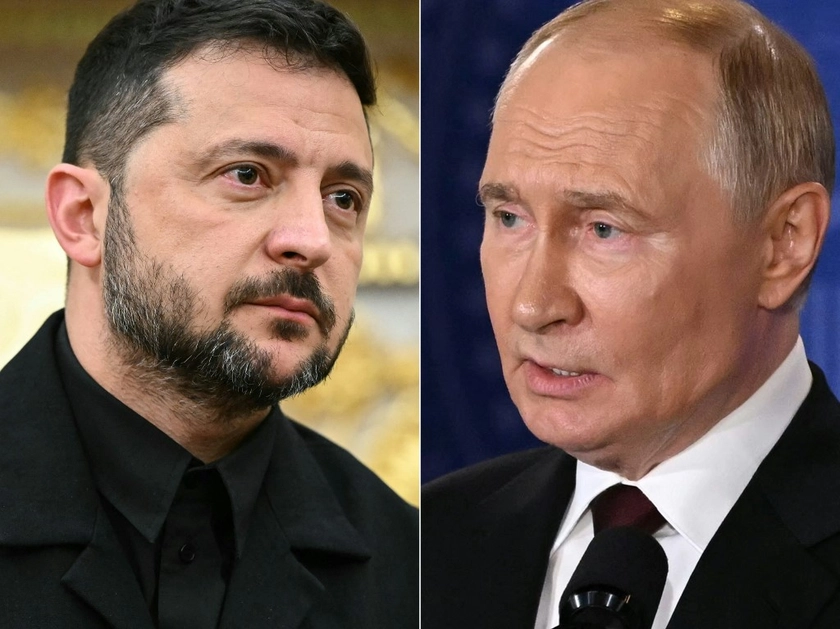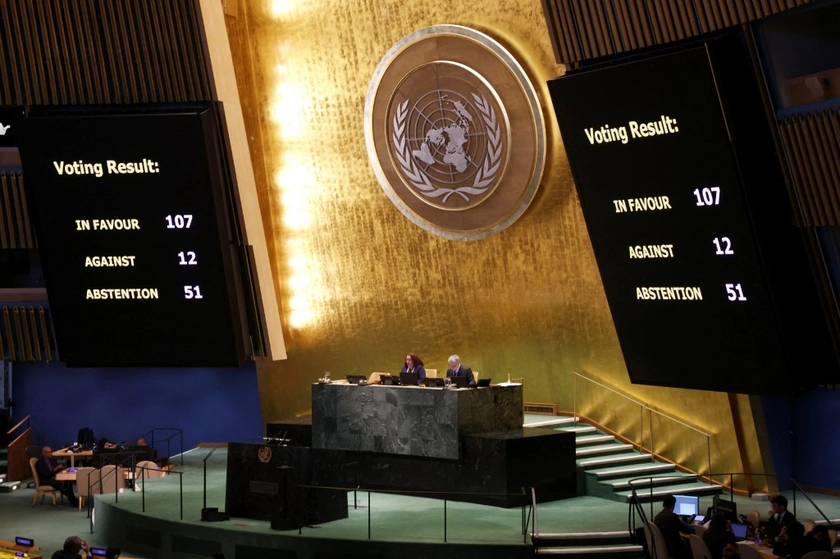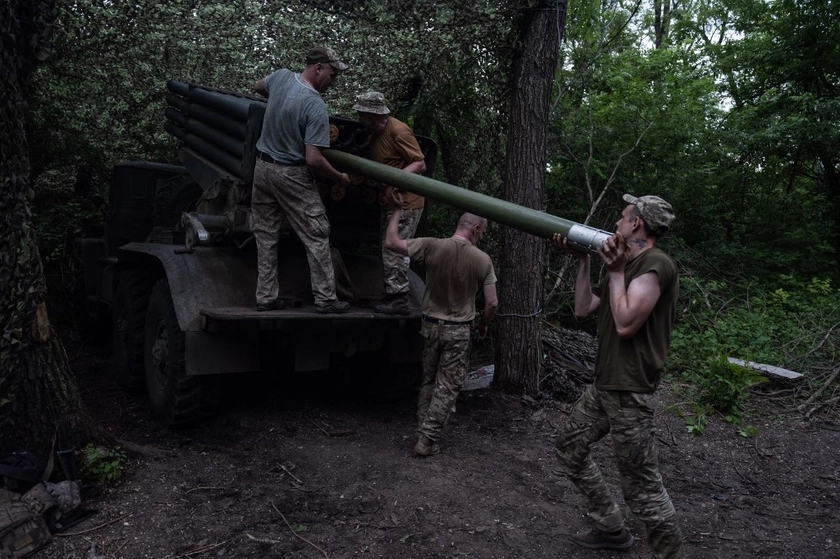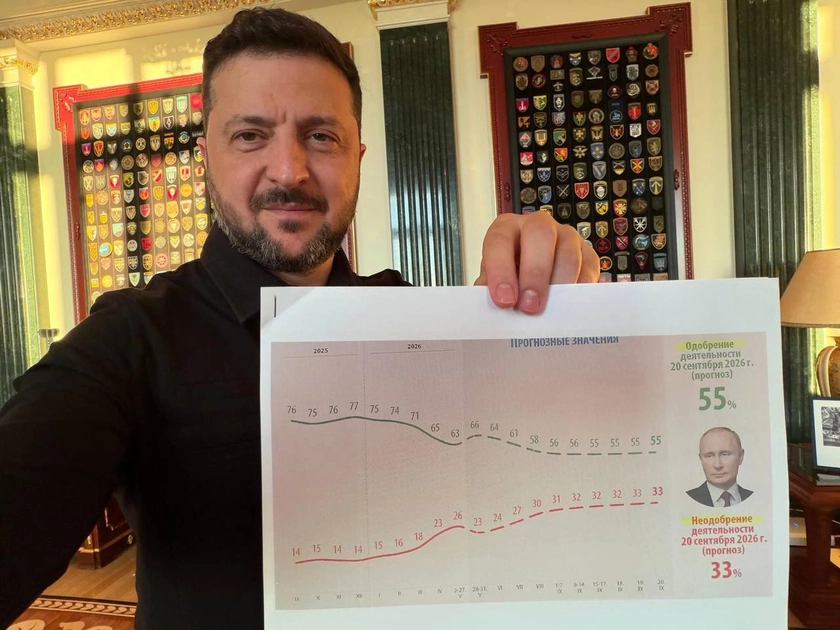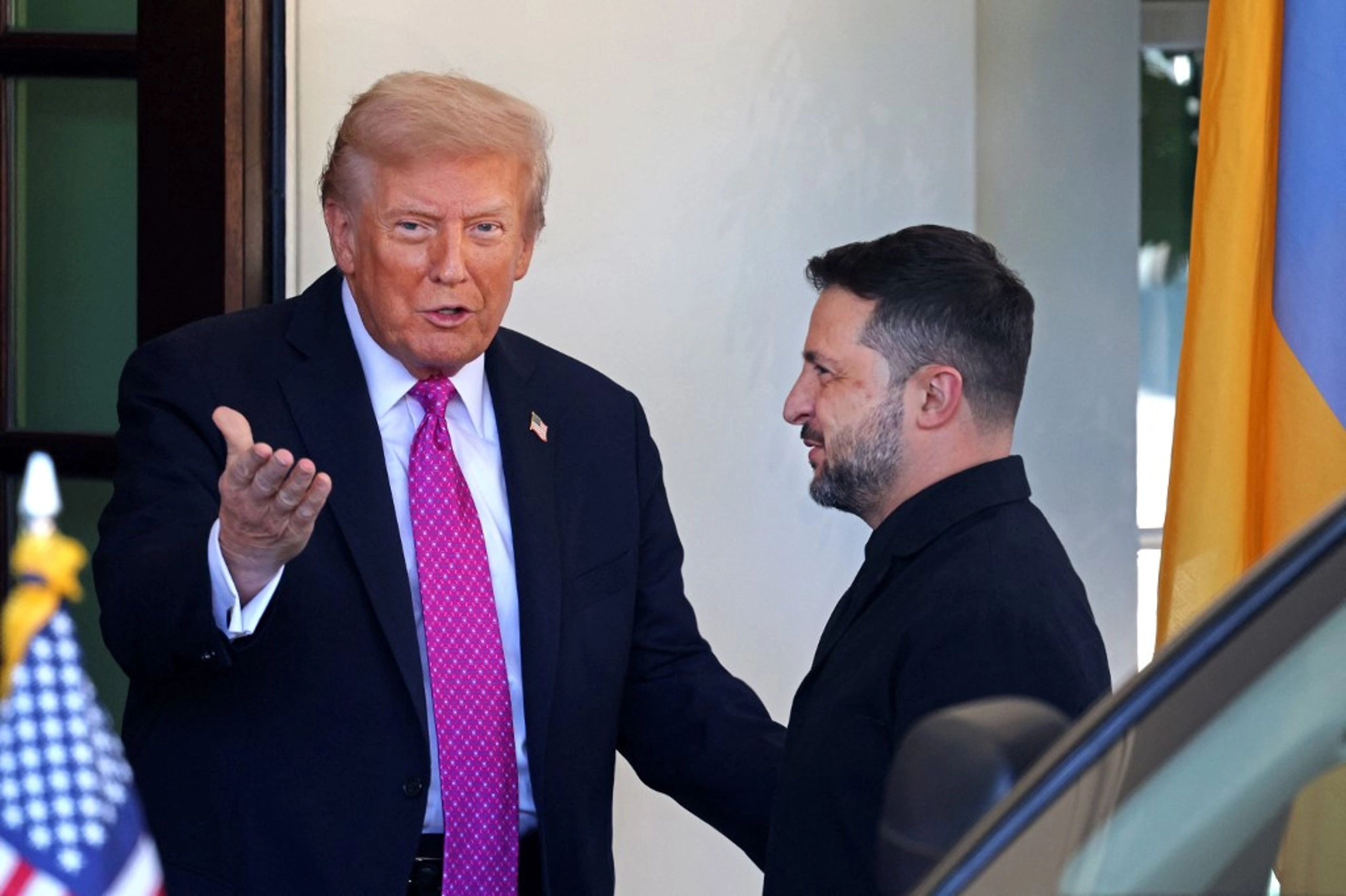
Donald Trump has again criticized President Volodymyr Zelensky for not holding elections during the ongoing war with Russia. Embattled Ukraine, he told Politico on Dec. 8, is “not a democracy anymore.”
Such a statement would be remarkable from any American president. Ukraine’s constitution explicitly prohibits elections during martial law to prevent the chaos and vulnerability that nationwide voting would create while the country fights for its survival.
JOIN US ON TELEGRAM
Follow our coverage of the war on the @Kyivpost_official.
But coming from Trump?
Ukraine has suspended elections in accordance with its constitution during an existential war. Trump attempted to overturn election results during peacetime because he lost. He pressured state officials to “find” votes and encouraged supporters who stormed the Capitol on Jan. 6, 2021.
He has shown contempt for the separation of powers, the rule of law, and the basic norms that sustain democratic governance. He abhors and regularly attacks and threatens the free press.
His rhetoric consistently echoes authoritarian leaders rather than democratic ones.
For such a president to question Ukraine’s democratic credentials while that nation’s citizens fight and die defending their freedom, and that of Europe, against Russian imperialism is blatant hypocrisy.
Trump’s pressure on Ukraine to hold elections during wartime only serves Vladimir Putin’s interests, for it would create division and vulnerability.
You Realize How Valuable Life Is When Death Feels Possible Every Day
Trump has refused to criticize Putin, accepted the Russian leader’s denials of election interference over his own intelligence agencies’ conclusions, attempted to pressure Ukraine’s president for political information, and suggested he would end support for Ukraine’s defense if returned to power.
Since returning to office, Trump’s statements about Ukraine sound less like an American president and more like Kremlin talking points.
He echoes Putin’s positions with consistency, jibing at Ukraine and its president, ignoring the principles of international law, dismissing European allies as weak, insisting Russia holds the stronger position, and suggesting there is no point in Ukraine resisting Russia’s war of aggression any further.
Trump has delayed and hesitated on standing firm with Ukraine and its Western supporters and instead signals he is hoping for a business deal with Putin at the cost of Ukraine’s territorial integrity, its integration into Euro-Atlantic structures, and the unity and credibility of NATO.
Trump’s geopolitical positions will ultimately matter more than his personal behavior in historical assessment.
What explains Trump’s relationship with Putin? Why is he so relentlessly hostile toward Ukraine? Why the reflexive defense of Russian interests? His contempt for European democracies and the solidarity of the free world?
Financial connections? Leverage of some kind? The specifics remain unclear, but the pattern is unmistakable.
Trump’s controversial personal history, including his association with Jeffrey Epstein, multiple allegations of sexual misconduct, once seemed like the primary measure of his unfitness for office.
But his approach to constitutional norms at home and to America’s friends and allies has become more worrying and inadmissible. Remember his attempted bullying of Canada, Greenland, Panama, and others? And now his treatment of democratic allies under existential threat? His apparent alignment with authoritarian adversaries?
These will prove to be the more consequential issues. Trump’s geopolitical positions will ultimately matter more than his personal behavior in historical assessment.
This presents a dilemma for Americans who care about democracy and constitutional governance. Shouldn’t those who profess democratic values demand accountability through every available constitutional means? Impeachment, invocation of the 25th Amendment, other mechanisms designed to protect the republic from leaders who betray their oaths?
Yet there’s a troubling complication: the alternative.
JD Vance, Trump’s successor if the president were removed or incapacitated, may represent an even more concerning prospect for American democracy. Trump’s chaotic approach and impulsive style sometimes limit the damage he can inflict. Vance appears more disciplined, more ideologically coherent, and potentially more effective at implementing an authoritarian agenda.
So, the prospect of replacing Trump with Vance offers little comfort.
Trump’s critique of Ukraine exposes not Ukrainian failures but American ones. The failure to defend democratic institutions against internal threats. The failure to distinguish between nations defending democracy and leaders undermining it.
Ukraine, under bombardment and occupation, maintains its constitutional order and fights for the freedom to hold elections in the future.
Trump’s projection of his own democratic deficits onto nations actually fighting for freedom is disconcerting and damaging enough. The question is whether American democracy and the solidarity of the free world can recover from the paralysis that allows such a projection to go unanswered and unaccountable.
The views expressed in this opinion article are the author’s and not necessarily those of Kyiv Post.
You can also highlight the text and press Ctrl + Enter