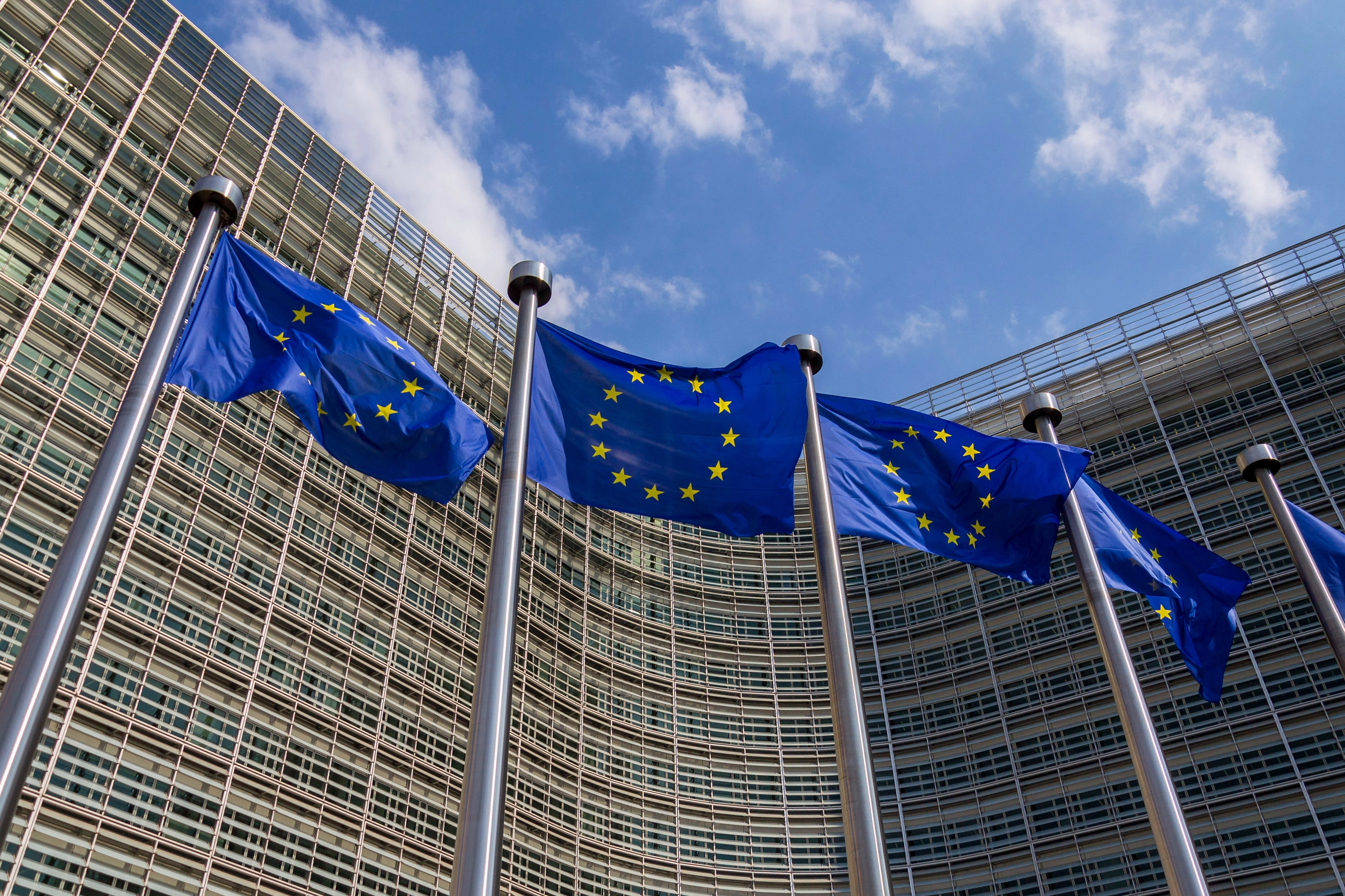
In the wee hours of Friday morning, EU leaders found a way to provide a €90 billion (about $106 billion) loan to Ukraine, even if it still has not found an agreement to use frozen Russian assets for such funding.
“We have a deal. Decision to provide 90 billion euros of support to Ukraine for 2026-27 approved,” EU chief Antonio Costa wrote on social media. “We committed, we delivered.”
JOIN US ON TELEGRAM
Follow our coverage of the war on the @Kyivpost_official.
German Chancellor Friedrich Merz confirmed the deal, which was reached at about 3 a.m. Friday Brussels time.
Before those marathon meetings in Brussels wound to a close, by 2 a.m. there was no consensus on using immobilized Russian assets to back reconstruction loans and other administrative funding for Kyiv, but Costa and others announced that the bloc would use its own budget to provide the aid all the same.
Under the current agreement, the funds will come through joint borrowing between 24 of the EU’s 27members.
Representatives from the European Union gathered in Belgium this week had vowed to meet as long as it takes to work out an agreement on whether to use frozen Russian assets to fund reparations to Kyiv to help cover billions of dollars in damages resulting from Moscow’s almost four-year, near-decimation of Ukraine’s economy.
Under such a plan, Kyiv would then only pay back the “reparations loan” once the Kremlin itself compensates it for its share of the damage.
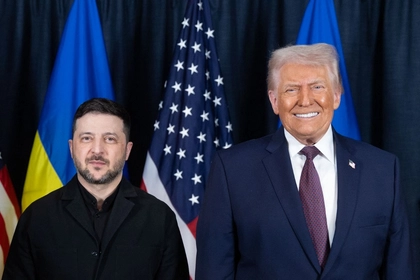
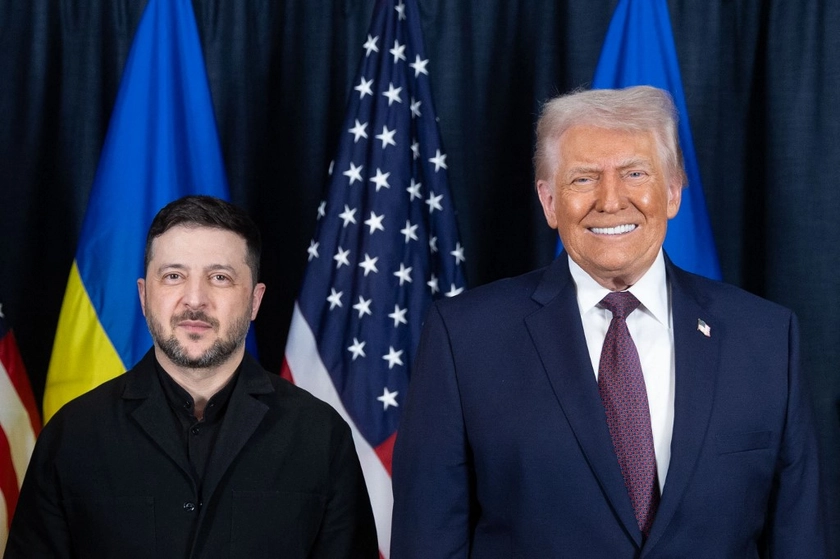
Trump to Join Zelensky for G7 Working Session on Ukraine Peace Conditions
But EU leaders on Thursday remained deadlocked in late-night talks over the issue, as echoes of President Volodymyr Zelensky’s insistence that they had the “moral” and legal right to make the move reverberated through the Berlyamont building on Rue de la Loi in Brussels.
It is Belgium itself leading the opposition to the measure in the 27-member block, as its own international deposit organization Euroclear holds the bulk of the frozen assets belonging to the Russian state and its once-omnipotent oligarchs. The Belgians worry that their financial institutions would face crippling legal and financial reprisals from Russia as a result.
Kremlin allies in Budapest and Bratislava are also skeptical of the move, to put it less than boldly, as their own domestic energy supplies are still heavily reliant on good relations with Moscow.
At stake are some €201 billion (about $217 billion) in confiscated Russian assets in Europe. The United States, by contrast, has immobilized about $5 billion in similar funds. Other Ukrainian allies, such as Japan, hold smaller amounts.
Unnamed US officials told AFP earlier this week that the administration of US President Donald Trump has quietly asked European leaders to back off of the measure, as they don’t want it to disrupt their so-far failed attempts at brokering a peace plan to end the Russian invasion, which, on his campaign trail, Trump initially boasted would be over before he even assumed office.
Trump has been in the Oval Office now for 334 days in his second term as of Thursday.
For its part, the Kremlin announced on Thursday that Russia’s central bank would broaden its legal response beyond its lawsuit against Euroclear and seek damages from European banks in a Russian court over attempts to use frozen Russian assets to help Ukraine.
“In view of the European Union authorities’ ongoing attempts to unlawfully seize and use assets held in EU financial institutions without the consent of the Bank of Russia, including through the permanent immobilization of its assets, the Bank of Russia, in line with its previously stated position on safeguarding its interests, announces that it will seek to recover damages from European banks in Russian arbitration courts,” the bank said in a statement.
Still, after a day of last-ditch negotiations on the sidelines of the summit, a new draft plan that appeared to cover most of Belgium’s worries was put to the leaders.
Among the key concessions it made to Belgian leader Bart De Wever, AFP reported, was to float other EU countries giving “uncapped” guarantees they would share any liabilities if Moscow sues, a move that diplomats said would be an unacceptable pill for many to swallow.
“The devil is in the details, and it remains to be seen whether the other member states are willing to grant open guarantees,” one EU diplomat told AFP on condition of anonymity.
The EU estimates Ukraine needs an extra €135 billion euros, about $159 billion, to stay financially afloat over the next two years, with the cash crunch set to start in April.
“Russian assets must be used to defend against Russian aggression and rebuild what was destroyed by Russian attacks. It’s moral. It’s fair. It’s legal,” Zelensky said.
“We have a simple choice: either money today, or blood tomorrow. I’m not talking about Ukraine only, I’m talking about Europe,” Polish Prime Minister Donald Tusk said.
You can also highlight the text and press Ctrl + Enter

Putin’s Worst Nightmare