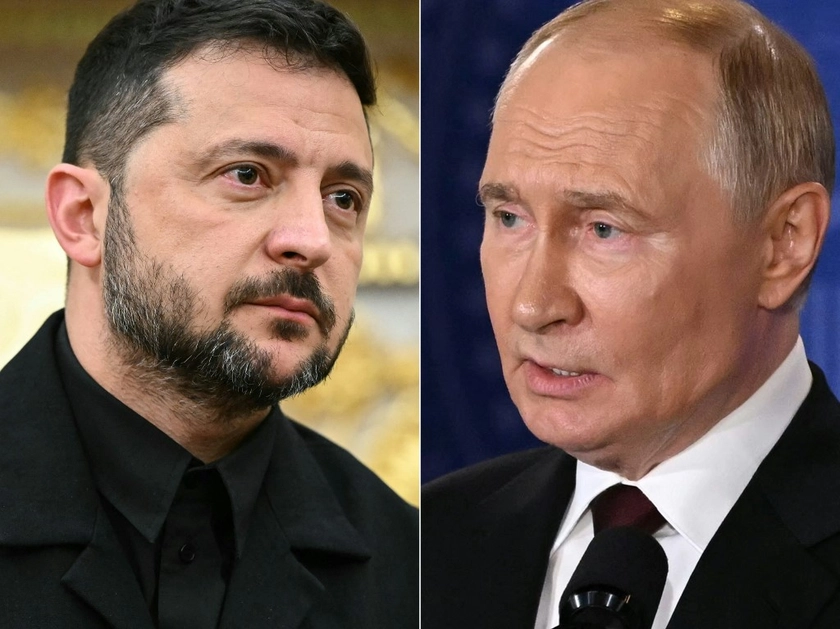
WASHINGTON, DC – President Volodymyr Zelensky’s newly unveiled 20-point peace plan is being pitched in Western capitals as progress. In practice, it functions more as a diagnostic – revealing where diplomacy stands after months of shuttle talks, revised drafts and rising impatience in Washington.
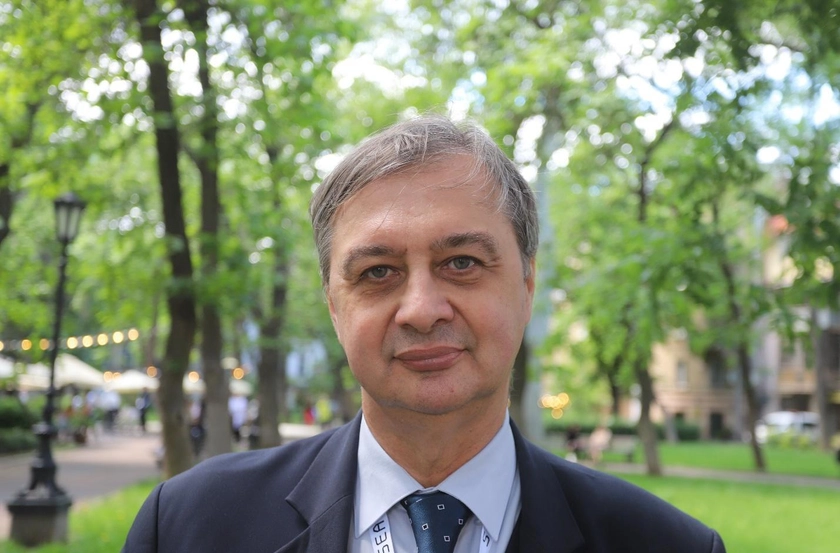
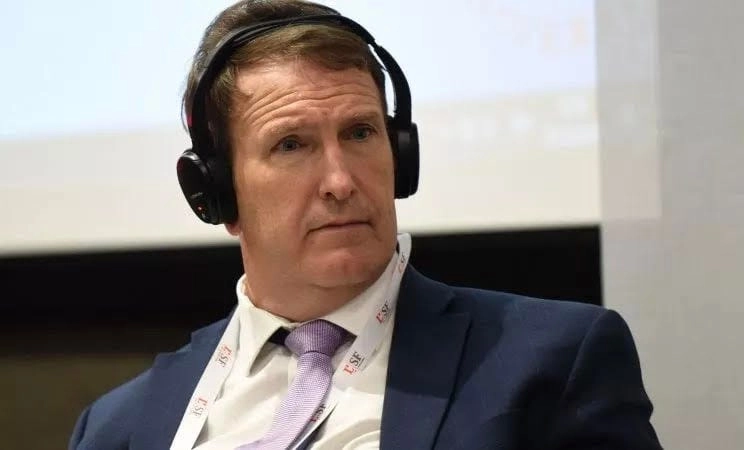
That is how Glen Howard, a veteran Russia strategist and president of the Saratoga Foundation, a Washington-based think tank, reads the moment. In an interview with Kyiv Post on Tuesday, Howard described the plan not as a breakthrough, but as the product of a long negotiation process that has clarified positions – and exposed how far apart they still are.
JOIN US ON TELEGRAM
Follow our coverage of the war on the @Kyivpost_official.
A plan rewritten – but not resolved
The revised framework pares back a 28-point proposal floated in the media this fall that Kyiv and several European governments viewed as overly accommodating to Moscow.
Ukraine secured changes it had previously resisted. The updated plan drops language that would have required Kyiv to immediately withdraw from parts of Donetsk or formally abandon its NATO ambitions. It also avoids recognizing Russian sovereignty over occupied territory.
Those shifts matter. But Howard argues they do not alter the fundamentals.
While Zelensky has moved from outright rejection of early proposals to cautious participation, Howard says the negotiations have reached a critical juncture – one defined less by momentum than by limits.
Intent in Plain Sight: the Politics of a UN-Recognized Genocide
Miami’s missed moment
Those limits were on display in Miami last weekend, where the Trump administration had quietly hoped to stage a trilateral meeting involving US, Ukrainian and Russian representatives.
It did not happen.
Howard says Washington wanted the talks to deliver something visible – proof that engagement could produce results.
Instead, Russia declined to meet with the Ukrainian side, reinforcing doubts about Moscow’s intentions even as it continues to signal openness to negotiations.
In Howard’s view, Russia is “playing along” just enough to avoid blame for a breakdown, without agreeing to terms that would constrain its military or political goals.
Where talks still break down
Despite revisions, two issues remain immovable: control of territory in eastern Ukraine and the Zaporizhzhia nuclear power plant.
Howard notes that Russia has effectively declared some matters non-negotiable – including Zaporizhzhia – making compromise difficult, if not impossible.
The inability to agree on demilitarized zones only underscores how far the sides are from a shared vision.
One lesser-known provision in the plan highlights the broader struggle. The US is pressing for the demilitarization of a strategic strip of land near the mouth of the Dnipro River to prevent Russia from restricting Ukrainian commerce.
Howard sees that as evidence the talks are not entirely tilted toward Moscow – but also as a reminder of how technical and contentious the negotiations have become.
Spin vs. substance in Washington
Publicly, US officials have emphasized progress, including statements suggesting Russia wants peace. Privately, Howard says, the administration understands the gap between rhetoric and results.
Trump entered office promising to end the war quickly. That has not happened – and Howard argues the White House now has a political incentive to frame incremental diplomacy as success, even when outcomes fall short.
The reality on the ground tells a different story. Civilian casualties are rising, fighting continues, and Moscow has shown little urgency to compromise.
Looking ahead, Howard expects more talks – but not a deal. Instead, he foresees a prolonged standstill, with negotiations continuing alongside ongoing combat.
Ukraine and its European partners, he says, have learned to push back more effectively, tying any territorial discussions to concrete security guarantees that increasingly resemble NATO-style commitments.
That shift has complicated Washington’s role. As US negotiators are forced to explain how guarantees would work in practice, the process bogs down in details – exposing the limits of fast, transactional diplomacy.
Pressure, not peace, in 2026
The expanding cast of negotiators – including Trump’s son-in-law Jared Kushner joining peace envoy Steve Witkoff, with Secretary of State Marco Rubio occasionally reappearing – reflects uncertainty inside the administration about how to move forward, Howard suggests.
What does seem consistent is Trump’s desire to retain leverage. Howard expects continued economic and energy pressure on Russia, along with sustained military assistance to Ukraine, including expanded support routed through a new NATO logistics hub in Romania.
The main lesson from the failed peace push of 2025, Howard argues, is that pressure works better than optimism. Energy measures and economic constraints have already had an impact – and more could follow.
What remains unpredictable is how far Washington is willing to go, and how abruptly its approach could change.
For now, Ukraine is playing a long game, Europe is recalibrating and Washington is trying to manage expectations without owning defeat.
And Zelensky’s revised plan, for all its edits and diplomacy, may ultimately be remembered less as a path to peace than as a snapshot of a war that diplomacy still cannot end.
You can also highlight the text and press Ctrl + Enter

Putin’s Worst Nightmare