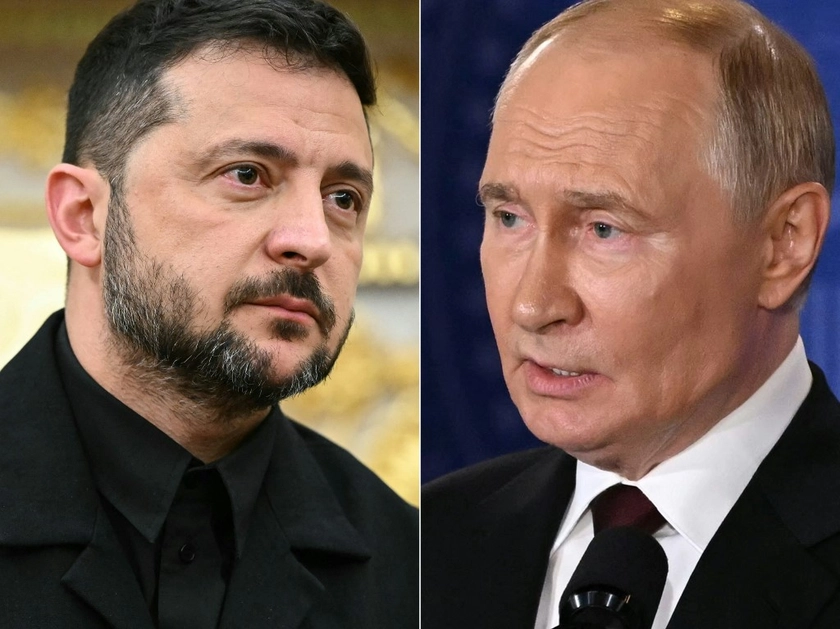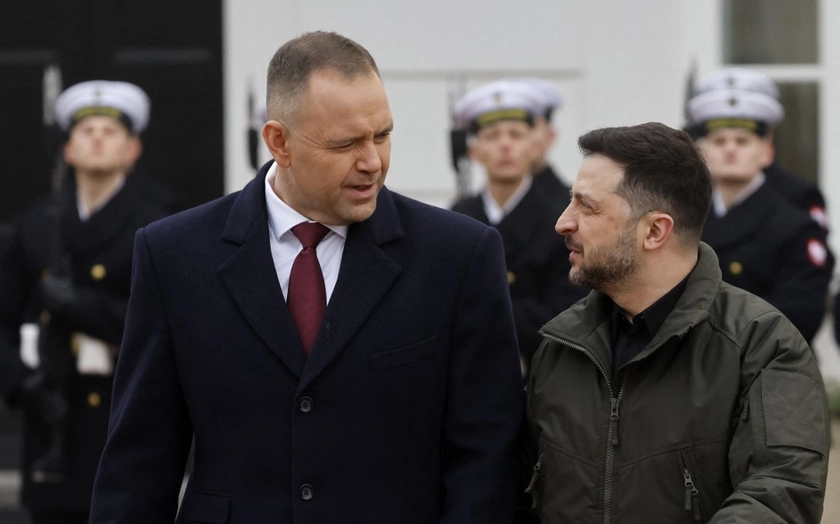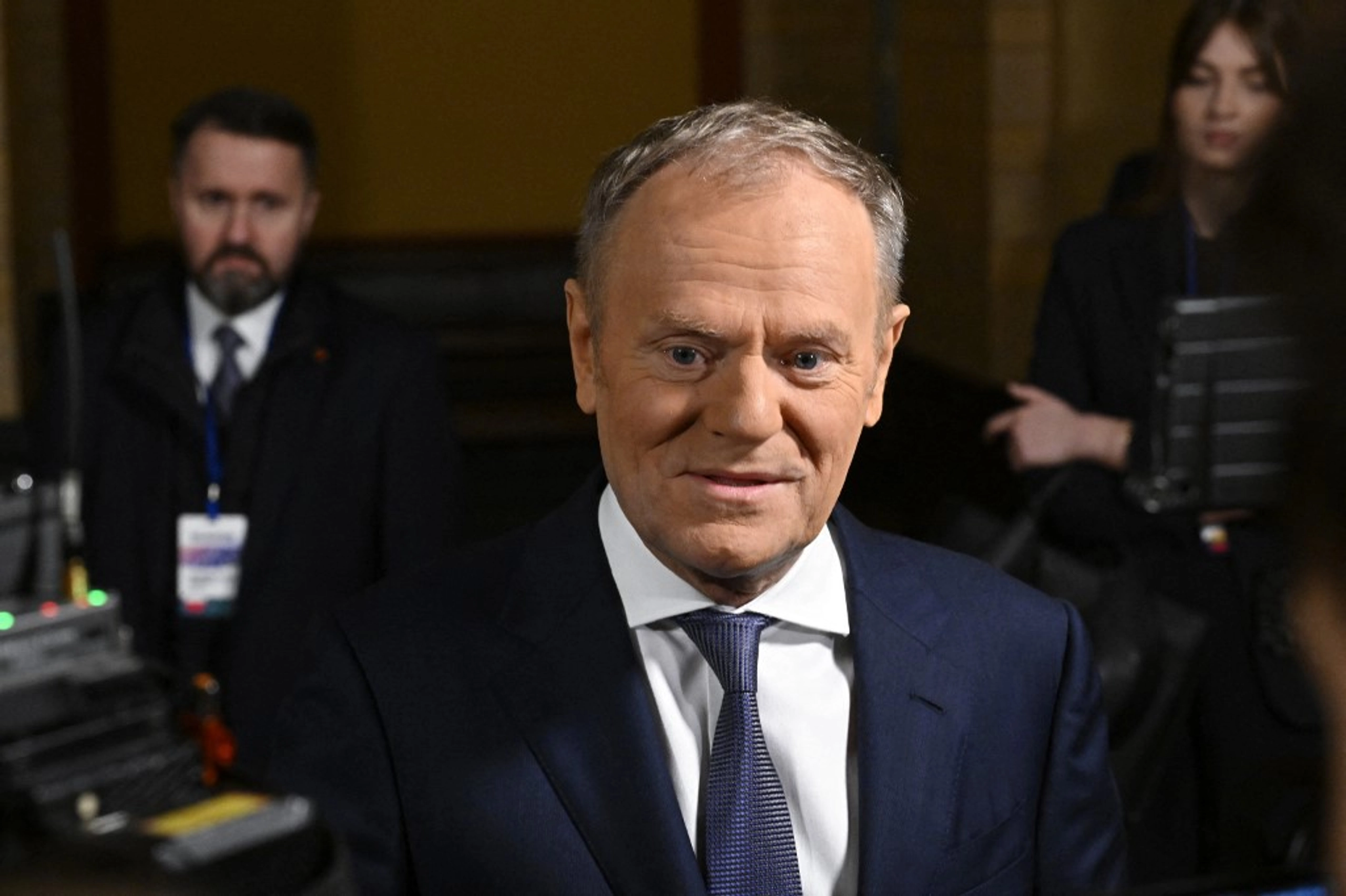
Polish Prime Minister Donald Tusk and President Karol Nawrocki have agreed to maintain a unified stance on security and defense, pledging to keep issues related to Ukraine and Russia outside domestic political disputes, the premier said.
The two leaders, who come from bitterly opposed political camps, met at the presidential palace in Warsaw on Friday for high-level talks after months of tension between the pair.
JOIN US ON TELEGRAM
Follow our coverage of the war on the @Kyivpost_official.
Afterwards, Tusk told reporters the two had agreed that issues concerning Ukraine, Russia and Poland’s security should be excluded from political disputes.
It must absolutely be a joint effort... together with President Nawrocki, we will seek to shape a single line for the entire Polish state on security issues,” added Tusk, a centrist.
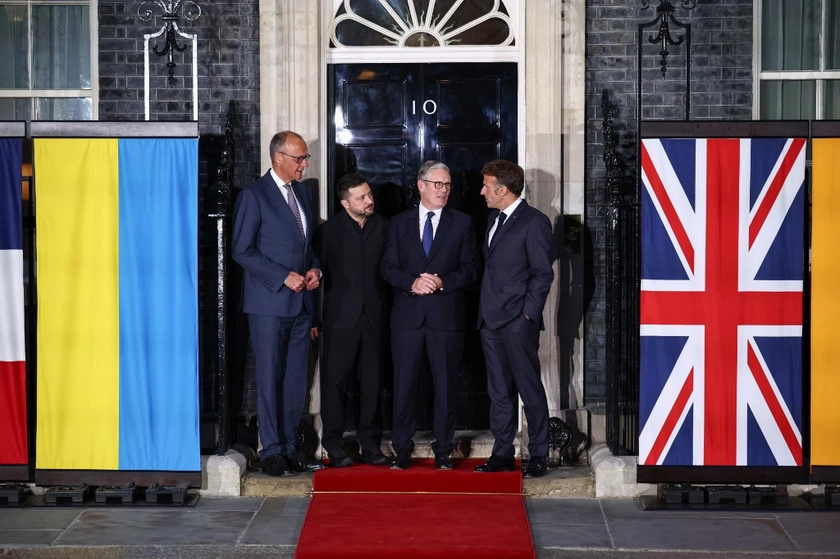
Tusk said he had briefed Nawrocki on ongoing talks toward a peace settlement in Ukraine and on commitments by countries in the “coalition of the willing” to provide security guarantees to Kyiv in the event of a ceasefire.
He stressed that Poland’s security largely depends on how the war ends and on Ukraine’s situation during negotiations and in the postwar period.
Nawrocki’s spokesman, Rafał Leśkiewicz, said the two leaders agreed on the principle that “nothing about Ukraine should be decided without Ukraine,” adding that any peace agreement aimed at ending Russia’s nearly four-year war must be on terms acceptable to Kyiv.
Germany Warns of Russian Orbital Nuclear Threat
‘Don’t trust Putin’
Leśkiewicz said Nawrocki also warned against trusting Russian President Vladimir Putin amid negotiations, adding that “attention should be paid not only to Moscow’s words and gestures, but also to what Putin and the Russian Federation actually do.”
Friday’s meeting came against the backdrop of deep domestic political friction. Since winning the presidency last June, Nawrocki, backed by Poland’s main right-wing opposition Law and Justice (PiS) party, has vetoed the government’s flagship legislation on everything from wind energy and aid for Ukrainians to minority rights and judicial reform.
He has stalled ambassadorial nominations, frozen officer promotions in the intelligence services and refused to appoint judges. Beyond obstruction, he has pursued a rival legislative program, submitting his own bills to compete directly with the cabinet.
On foreign policy, the government aligns tightly with the EU and Ukraine, while the president, who has been described as a Central European outpost of U.S. President Donald Trump’s MAGA movement, charts a nationalist course.
You can also highlight the text and press Ctrl + Enter
Poland, Germany Clash Over €6.6B in EU Funds for Ukraine