Polish concerns that risked slowing Ukraine’s EU accession talks have been defused as Brussels prepares a key decision on opening negotiations later this month.
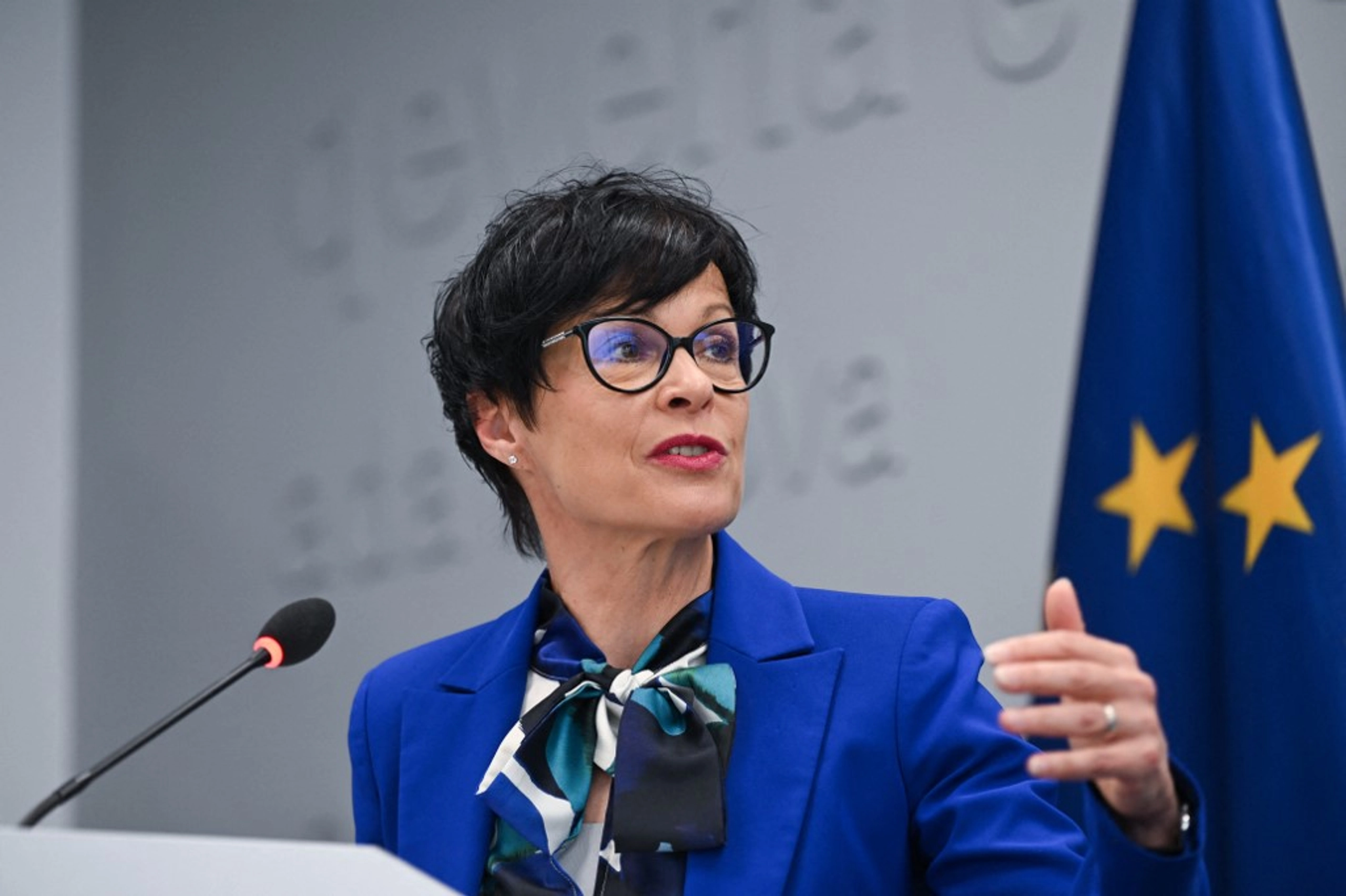
According to the European Commission’s press service, EU Commissioner for Enlargement Marta Kos visited Kyiv on Monday to meet with Deputy Prime Minister Yulia Svyrydenko and senior officials to discuss reform progress and EU support priorities, including preparations for the upcoming winter.
JOIN US ON TELEGRAM
Follow our coverage of the war on the @Kyivpost_official.
“Her visit will focus on supporting Ukraine’s EU accession reforms, wartime recovery, and strengthening of political and societal support for European integration,” the press service had said.
Kos told journalists that Polish objections to further advancing Ukraine’s accession talks “have been solved at the working level,” clearing the way for EU countries to agree to open the first “Fundamentals” cluster of talks on June 15, where all 27 EU-member countries will meet in Brussels to open the first of six so-called “enlargement clusters.”
Poland, France – previous concerns
Although Poland and France are not blocking the start of negotiations, their reservations have focused on sectors where they fear Ukrainian competition the most – agriculture and road transport, particularly farming and trucking.
According to The Ukrainian Review, Poland and France reportedly wanted to postpone the remaining five clusters of Ukraine’s EU bid. Their position was to avoid opening them at least until autumn, but many are pushing for faster opening.
Hungary Rejects EU Plan to Exclude Ukrainian Men of Military Age From Temporary Protection
“The absolute priority is the opening of the clusters,” Kos said, adding that she expects the remaining five to be opened by mid-July.
The obstacles raised by Poland and France, as well as other EU countries, are not linked to the EU’s membership criteria, but rather to domestic political issues.
“We do not want to see bilateral issues interfering in the accession process,” Kos said, adding that “We hope that countries are able to solve bilateral issues at the bilateral level.”
Hungary’s most recent stance
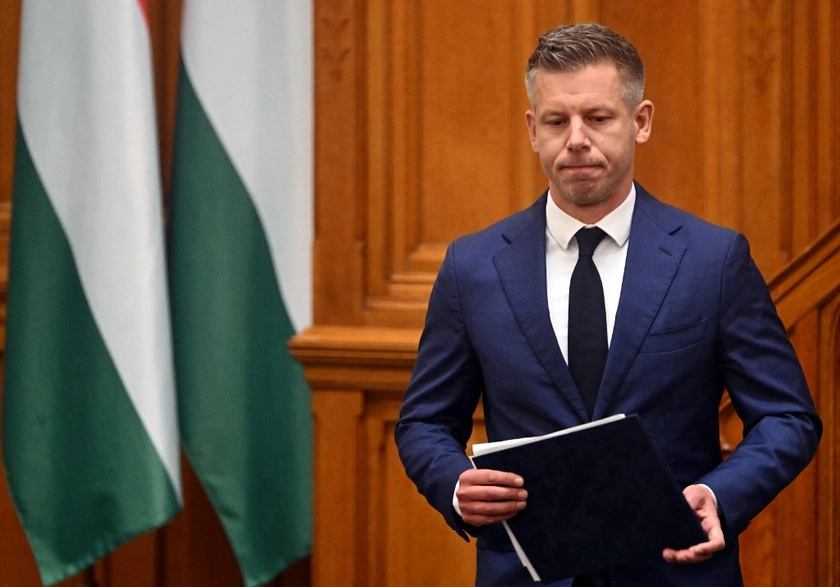
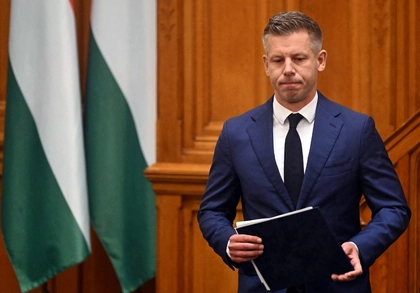
Hungarian Prime Minister Péter Magyar announced on June 4 that Hungary and Ukraine had reached a “comprehensive agreement” on the rights of around 100,000 ethnic Hungarians in Ukraine’s Zakarpattia region.
As a result, Hungary will now support opening the first negotiating cluster of Ukraine’s EU accession, ending a two-year block at the very start of Kyiv’s EU membership talks.
At the same time, Magyar stressed that once Ukraine finishes all 33 accession chapters, Hungary will hold a binding national referendum on whether to admit Ukraine to the EU or not, meaning that, although Hungary’s immediate veto is gone, a final decision has been postponed to a future nationwide vote.
You can also highlight the text and press Ctrl + Enter