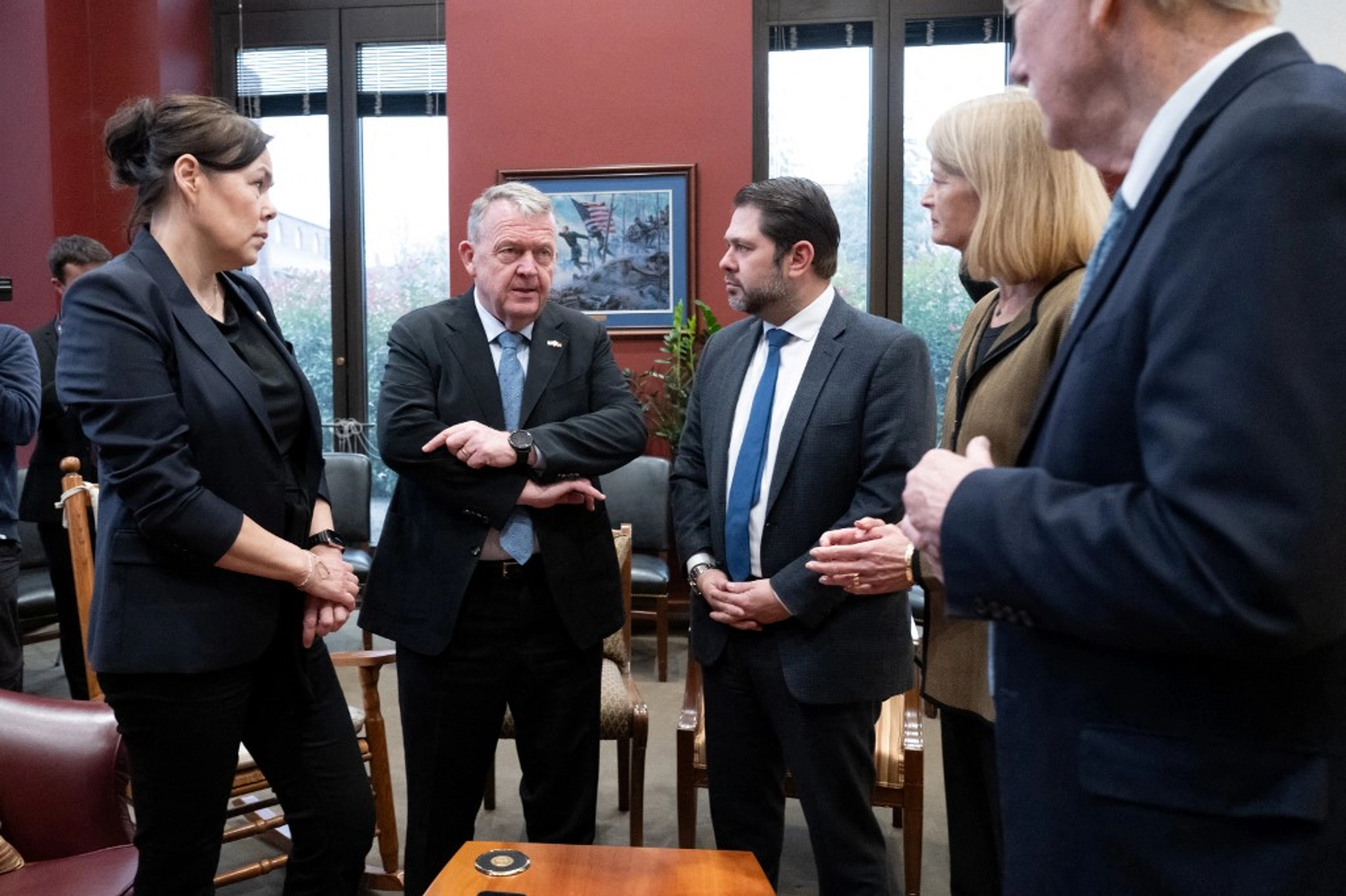
Danish Foreign Minister Lars Løkke Rasmussen said Denmark and the US remain in “fundamental disagreement” over Greenland but confirmed that talks would continue following a highly anticipated meeting in Washington on Wednesday involving officials from Denmark, Greenland, and the US.
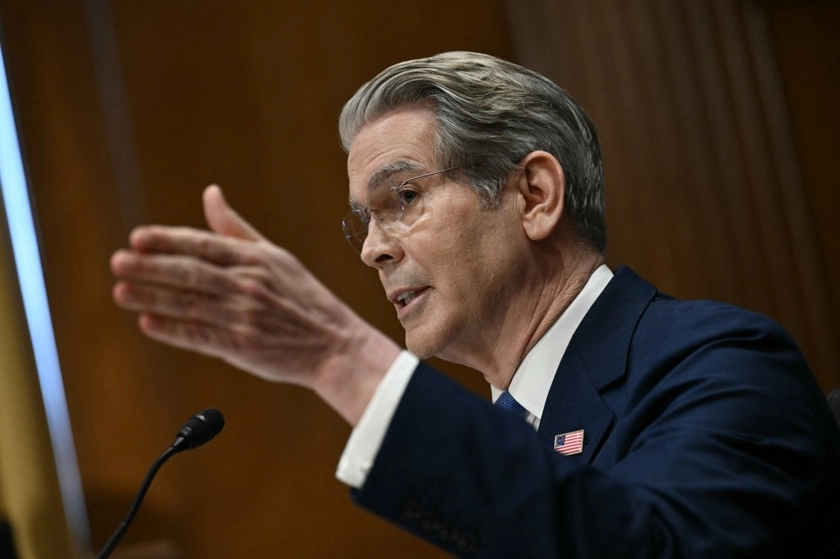
Speaking after discussions with US Vice President JD Vance and Secretary of State Marco Rubio – alongside Greenland’s Foreign Minister Vivian Motzfeldt – Rasmussen described the meeting as “frank but constructive,” while acknowledging that the two sides held “different positions” on the future of the Arctic island.
JOIN US ON TELEGRAM
Follow our coverage of the war on the @Kyivpost_official.
US President Donald Trump has in recent weeks escalated his rhetoric over Greenland, a semi-autonomous territory of Denmark, a Nato ally, insisting that Washington must take control of the island for national security reasons.
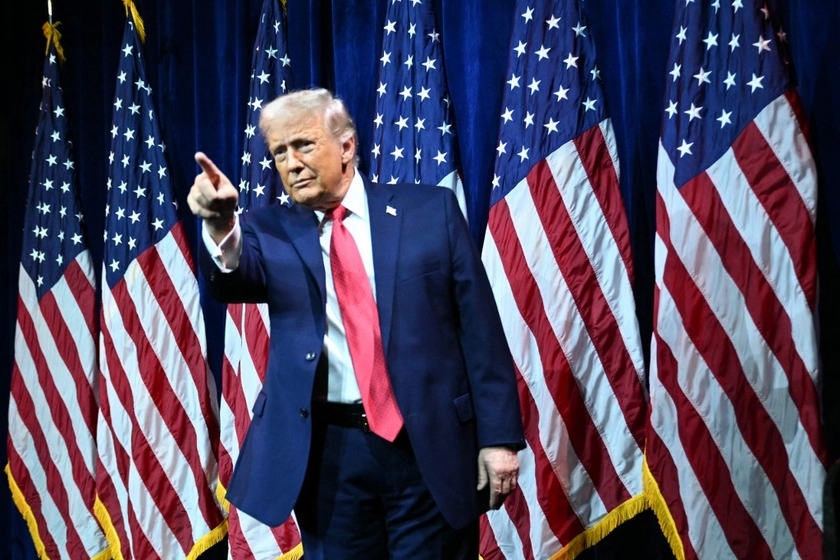
Following the more than hour-long trilateral meeting, Trump again doubled down on his stance. “We need Greenland for national security,” he said, warning that if the US did not act, “Russia is gonna go in and China is gonna go in.”
“There’s not a thing that Denmark can do about it. But we can do everything about it,” Trump told reporters. “I can’t rely on Denmark being able to fend themselves off.”
Despite the impasse, Danish and Greenlandic officials agreed to establish a high-level working group with the US to explore a possible way forward, Rasmussen said. The group – expected to include senior officials from all three parties – is expected to convene within weeks.
How Much Will Trump's Confusion About US Troops in Europe Cost Americans?
Leaving the US vice president’s office, not far from the White House, Rasmussen, a former Danish prime minister, was seen sharing a cigarette with his Greenlandic counterpart.
Earlier on Wednesday, Trump had said on social media that anything short of US control of Greenland was “unacceptable” and that NATO “should be leading the way” in securing it.
Trump’s insistence on acquiring Greenland has unsettled European capitals, raising concerns about NATO cohesion and stability in the strategically sensitive Arctic region.
Seeking common ground
The aim of the working group will be to bridge Danish and Greenlandic efforts to accommodate US security concerns with Washington’s far more expansive ambitions.
“Whether that is doable, I don’t know,” Rasmussen said, though he expressed hope that the talks would “take down the temperature.” Motzfeldt added that it was “in all our interests to find the right balances.”
“I am no Chamberlain saying ‘peace in our time’,” Rasmussen said, referring to the former UK prime minister’s ill-fated declaration in 1938, while stressing that Trump’s stated ambitions remained unchanged. “But one must seize the opportunities that arise.”
More talks welcomed
Danish officials cast the agreement to continue diplomatic talks as “the best possible outcome,” reflecting a clear preference for discreet, behind-the-scenes negotiations rather than public confrontation.
“Ideas that would not respect the territorial integrity of the Kingdom of Denmark and the right to self-determination of Greenland’s people are totally unacceptable,” Rasmussen said.
Motzfeldt echoed the sentiment, stressing Greenland’s desire to deepen cooperation with Washington while rejecting any notion of US ownership. “That doesn’t mean that we want to be owned by the United States,” she said. “As allies, how we strengthen our cooperation is in all our interests.”
Earlier on Wednesday, Denmark announced it would increase its military presence in Greenland, drawing on both its own forces and those of allies.
See the original article for Euractiv by Magnus Lund Nielsen here.
You can also highlight the text and press Ctrl + Enter