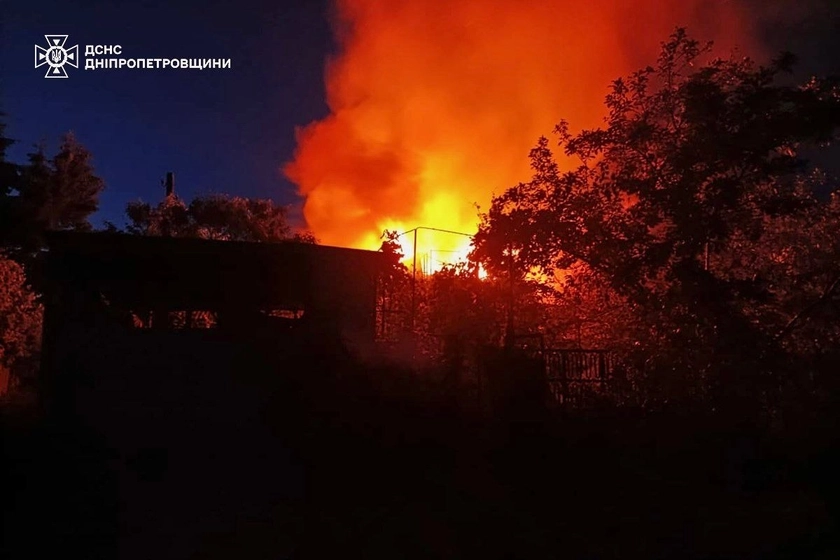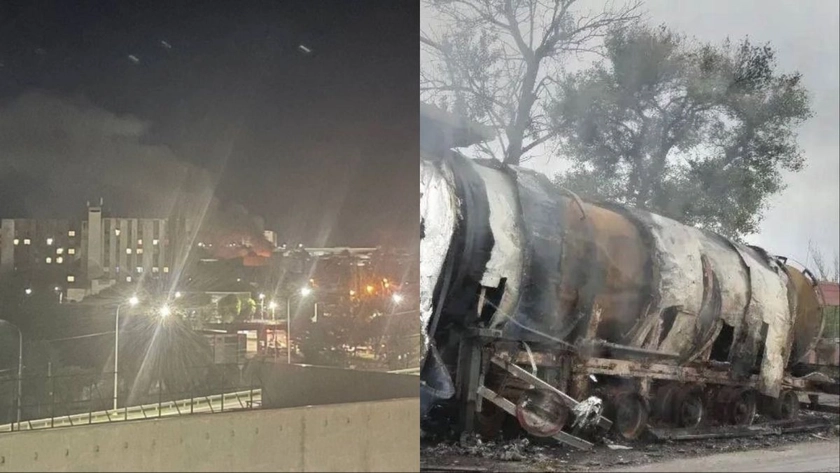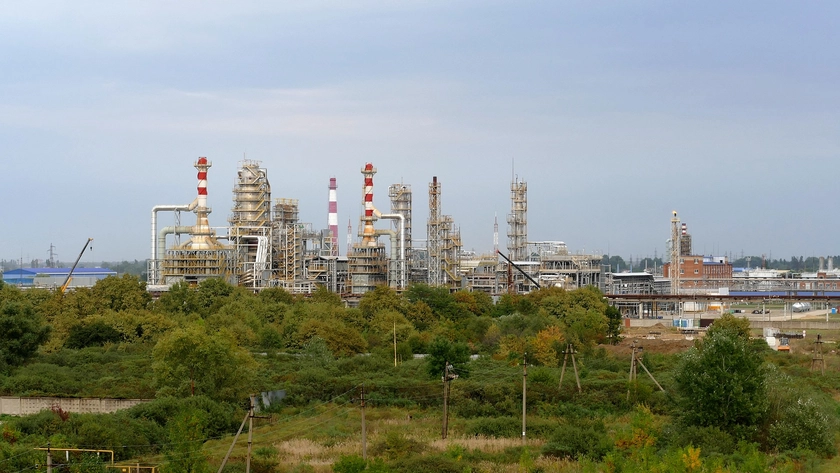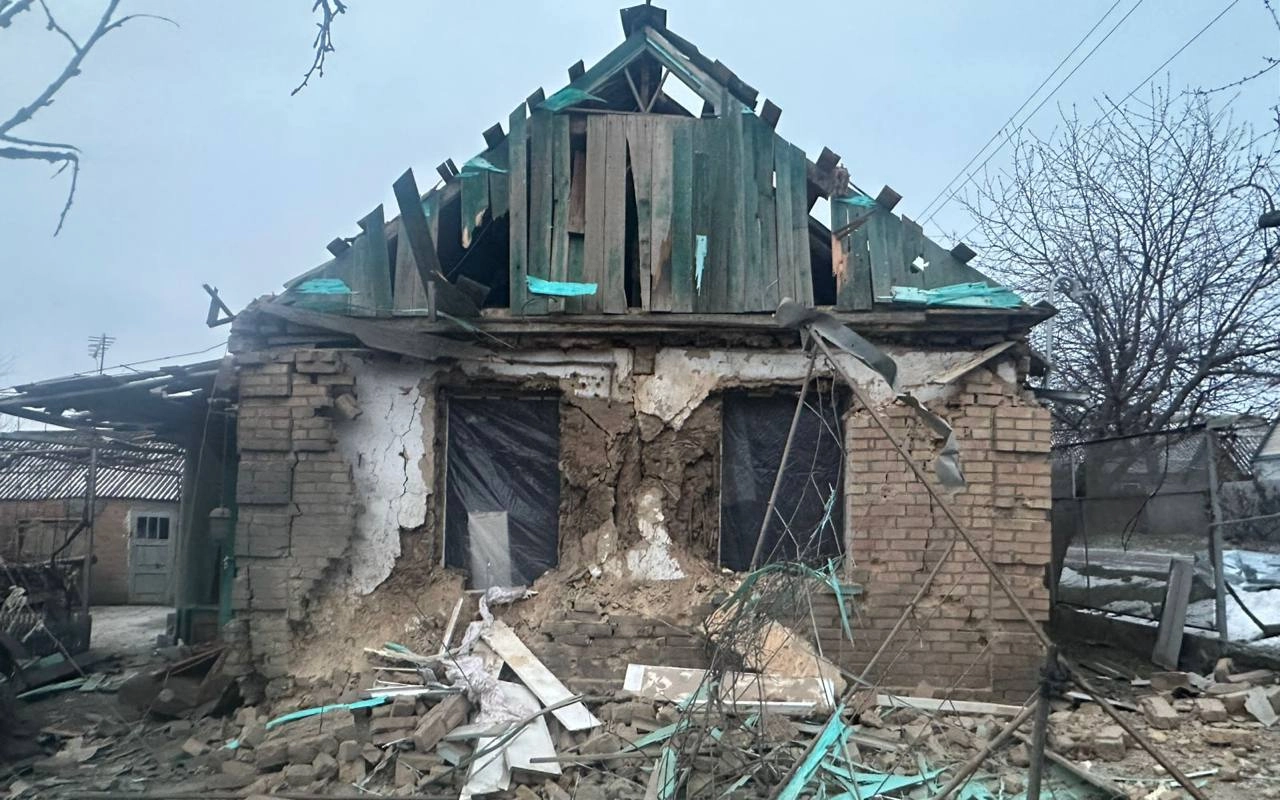
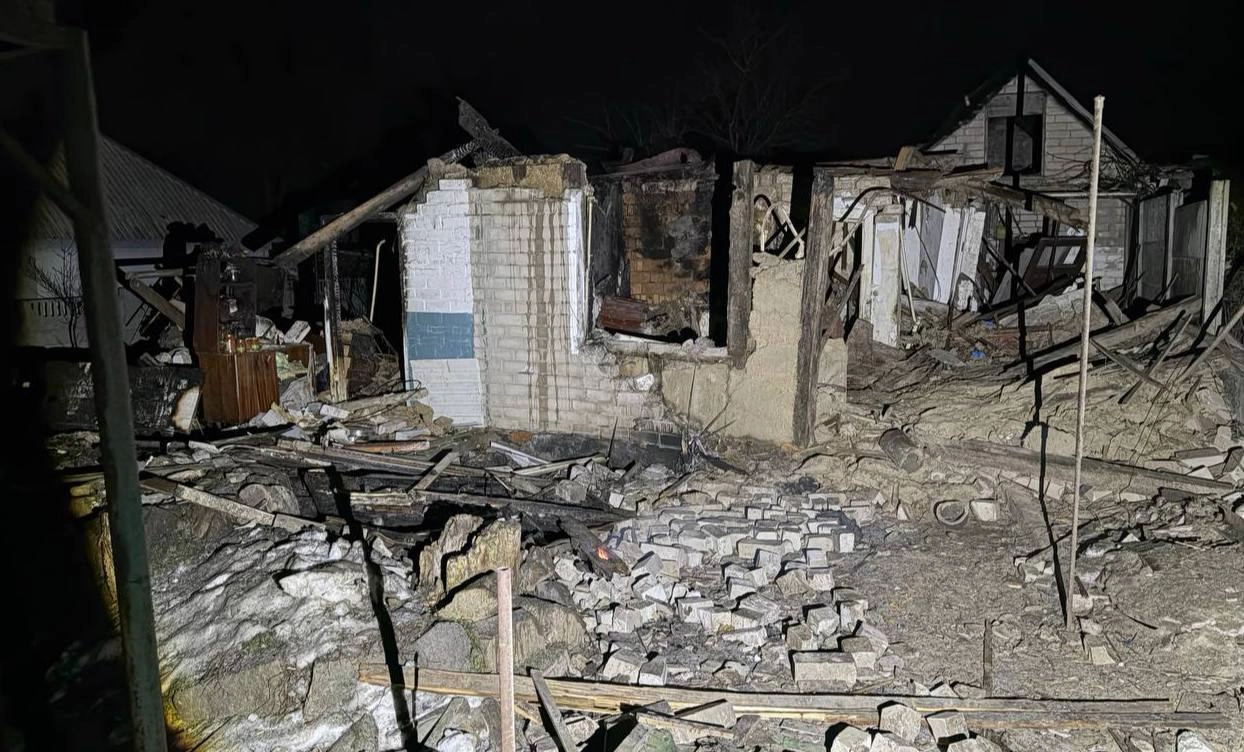
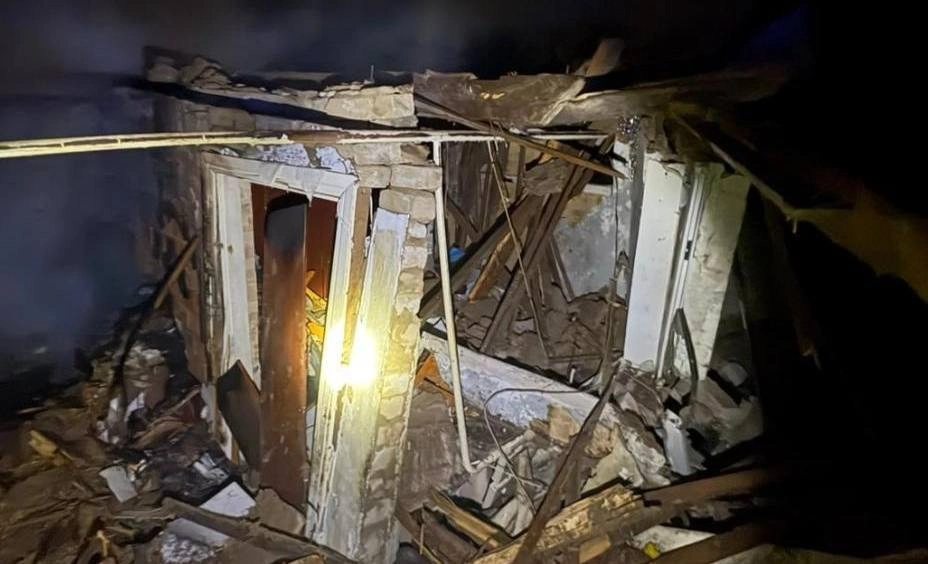
The city of Dnipro was attacked by a Russian drone early Sunday morning, February 1, killing two people - a woman and a man.
The head of the Dnipropetrovsk Regional Military Administration (OVA), Oleksandr Ganzha, said the drone destroyed a private house, causing a fire that killed both residents.
JOIN US ON TELEGRAM
Follow our coverage of the war on the @Kyivpost_official.
Two other houses and a car were also damaged. Emergency services quickly extinguished the blaze, though the consequences of the attack remain significant.
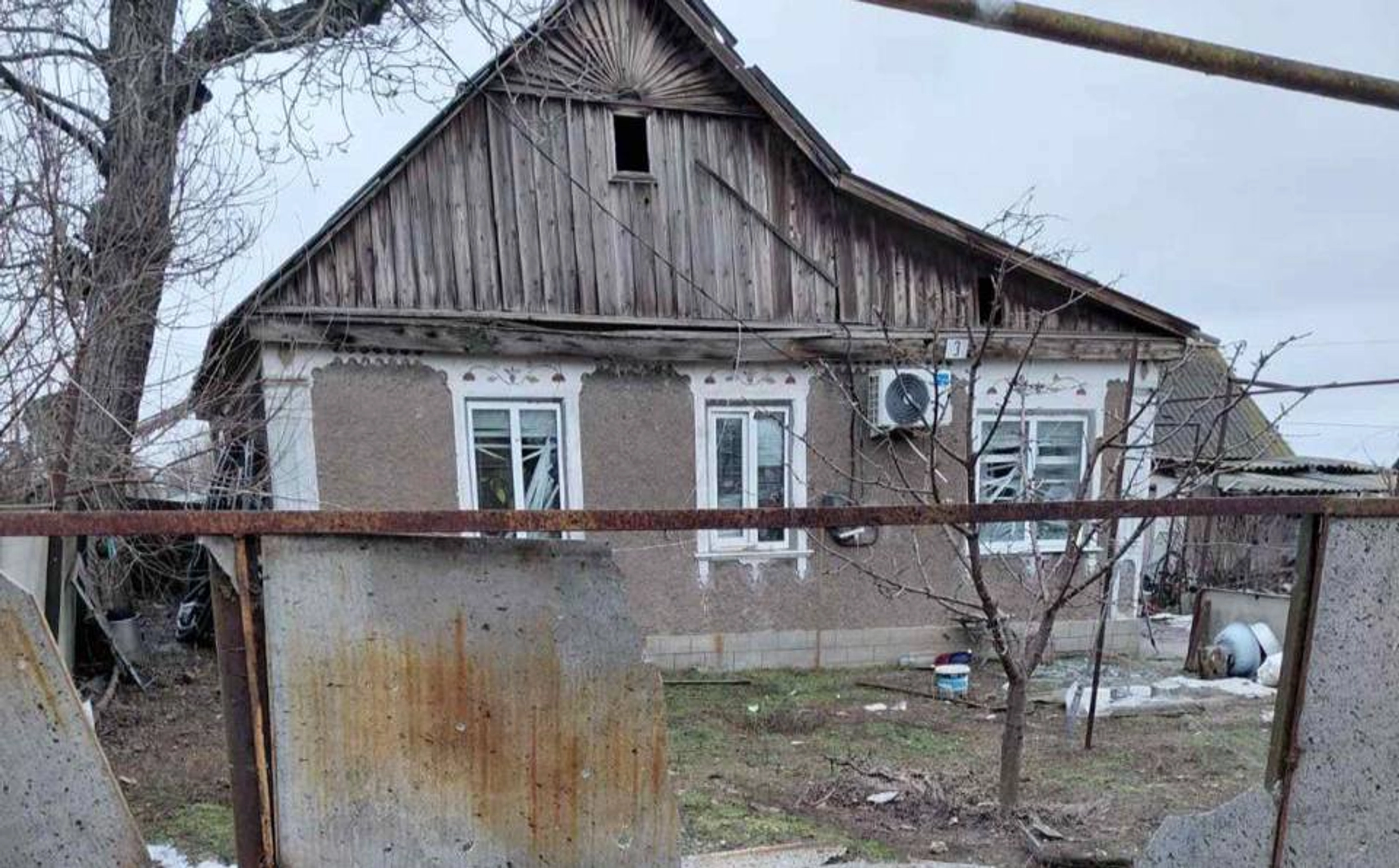
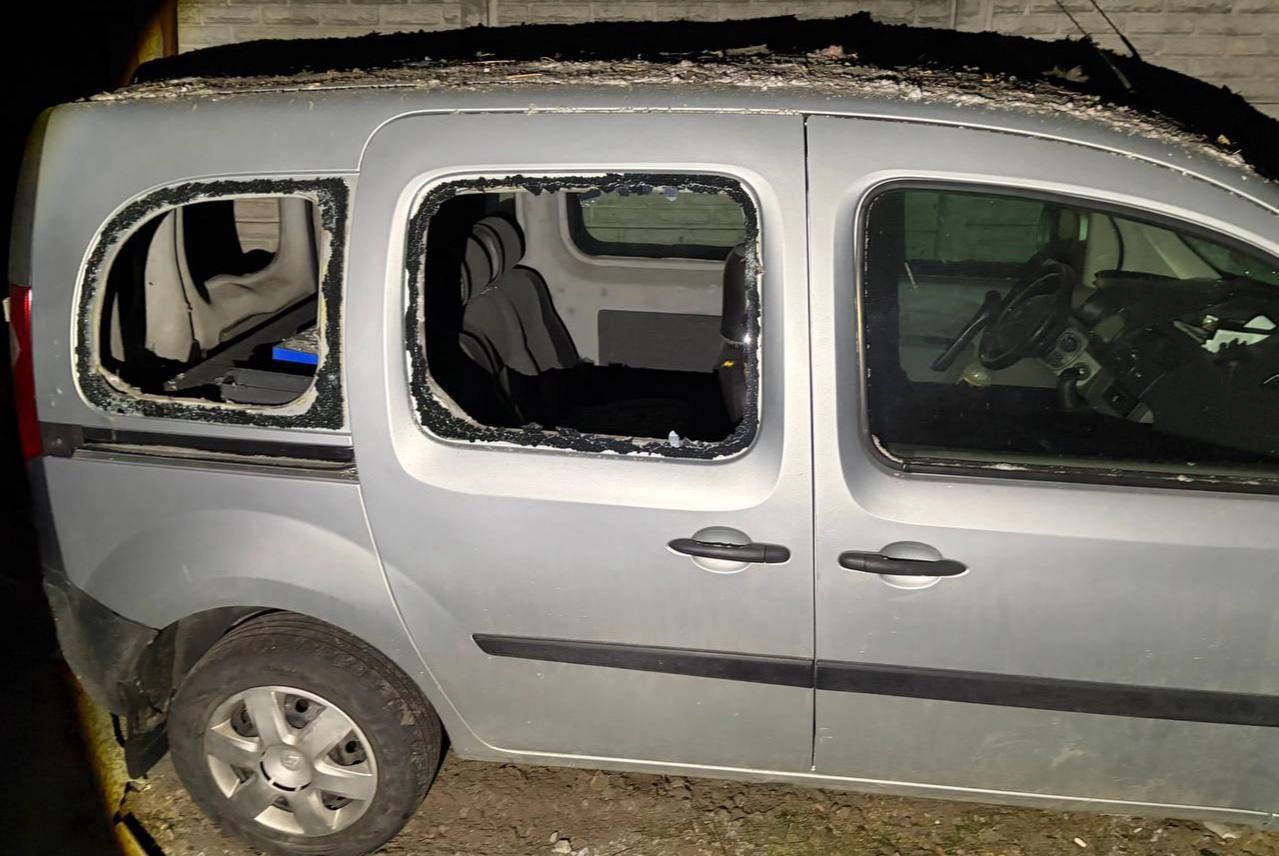
On Saturday evening and overnight, Russian forces intensified shelling of the Nikopol district of the Dnipropetrovsk region, using artillery and first-person view (FPV) drones. The district center and the Marhanets community came under fire.
The attacks damaged two apartment buildings, four private houses, an outbuilding, a café, several shops, and multiple vehicles.
A gas pipeline and a power line were also hit, posing additional risks to residents and infrastructure.
According to Ukraine’s Air Force, Russia launched 90 drones between 6 p.m. on Jan. 31 and the morning of Feb. 1, including Shahed, Gerbera and Italmas UAVs, around 60 of them Shaheds.
Ukrainian air defenses - including aviation, missile units, electronic warfare systems, unmanned systems and mobile fire groups - intercepted 76 drones in the north and east of the country as of 8:30 a.m.
At the same time, 14 strike UAVs were recorded hitting nine locations, while debris from downed drones fell in two other areas.
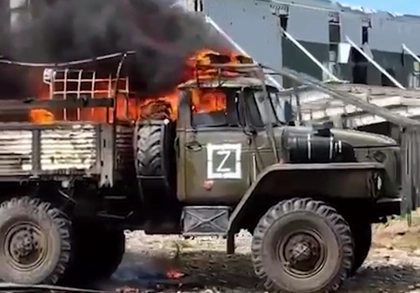
Bridge Strikes, Drone Swarms: Ukraine Targets Russia’s Key Crimea Supply Route
No attacks on energy infrastructure were reported by either side overnight.
On Jan. 30, Kremlin spokesman Dmitry Peskov said Russia had agreed to halt strikes on Ukraine’s energy facilities by Feb. 1 at the request of US President Donald Trump.
According to Peskov, the pause was intended to “create favorable conditions for negotiations,” outlining the Kremlin’s terms rather than a full ceasefire.
You can also highlight the text and press Ctrl + Enter

ANALYSIS: Russia’s Air Defense Problems Are Growing