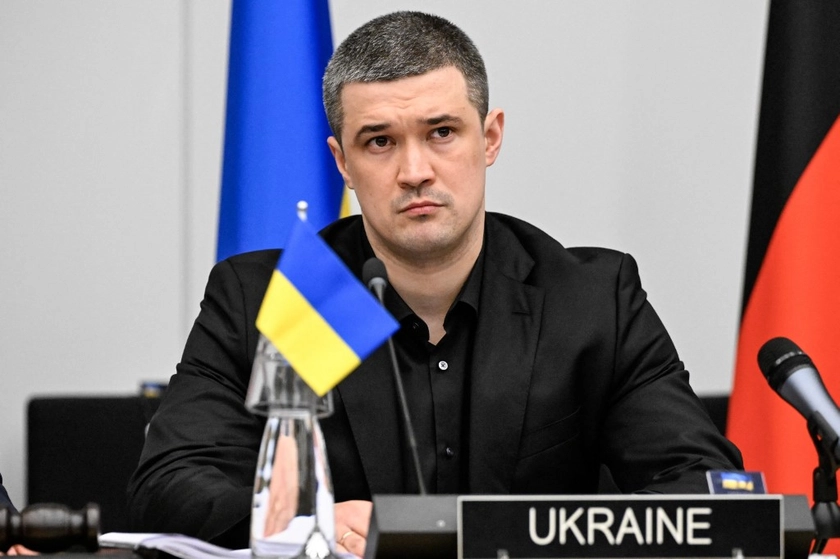
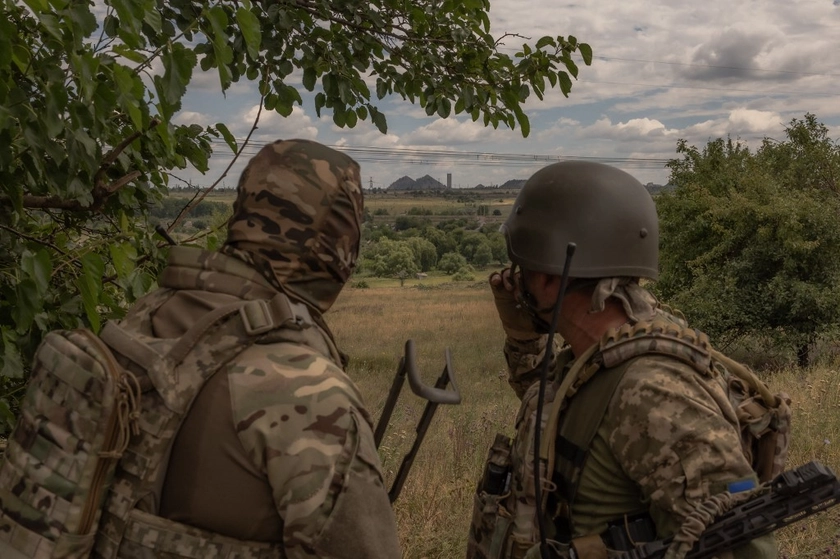
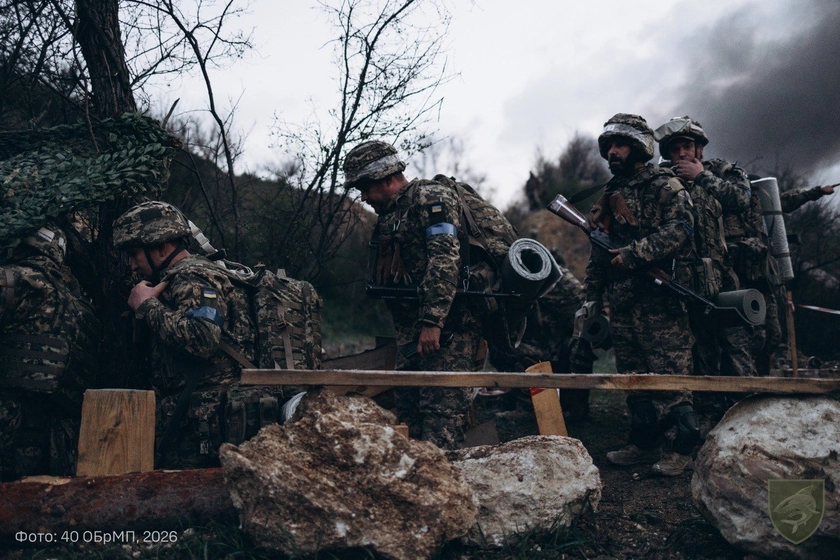
Ukraine has gained an edge over Russia in first-person view (FPV) drones and is outperforming Moscow in several aspects of drone development, Commander-in-Chief Oleksandr Syrsky said on Thursday, June 11.
Syrsky said Ukraine now holds a 1.5-to-1 advantage over Russian forces in FPV drones, with the gap widening further in Kyiv’s favor in recent months.
JOIN US ON TELEGRAM
Follow our coverage of the war on the @Kyivpost_official.
“We already have grounds to say that in this competition of technology, innovation and production capacity, Ukraine is at least not inferior to the enemy, and in some areas it is ahead of it,” Syrsky wrote on Telegram following a monthly review of Ukraine’s drone warfare capabilities.
Ukrainian drones hit 180,000 targets in May
Syrsky said Ukrainian drone units struck nearly 180,000 verified Russian targets in May, a 12.7% increase compared with April.
The commander also reported the destruction of approximately 4,000 Russian Shahed-type drones, up 27% from the previous month – with the overall number of drones launched against Ukraine also seeing an uptick in recent months.
In addition, Ukrainian forces targeted around 10,000 Russian drone operator positions during the month.
Syrsky also said Ukrainian drone operators have neutralized 12,500 more Russian troops since the start of 2026 than Russia has recruited into its unmanned systems units over the same period.
Long-range strikes continue to expand
Syrsky said Ukraine’s mid-strike campaign, which targets Russian forces at operational and tactical depths, has also yielded results.
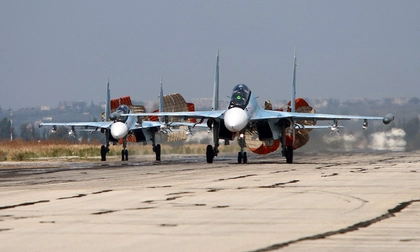
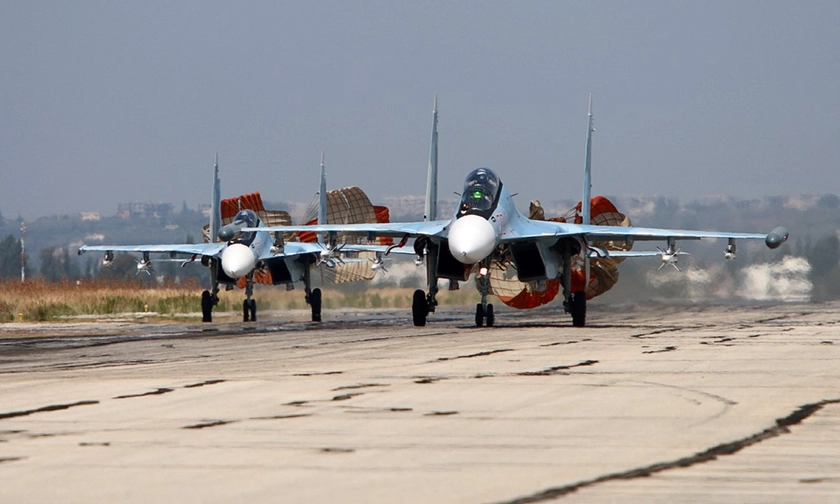
Ukraine Hits Russian Warplanes in Hangars at Crimea’s Saky Air Base
In May alone, Ukrainian forces carried out nearly 2,000 strikes using mid-strike systems.
Among the targets hit were 414 Russian headquarters, command posts, troop concentration areas and other high-value military facilities, Syrsky said.
According to Bloomberg, Russian refineries were attacked 38 times between January and May 2026, including 16 attacks in May alone – the highest monthly figure since the start of the full-scale war. Data from OilX indicates refinery utilization has fallen 14% since the beginning of the year and remains about 20% below pre-war levels.
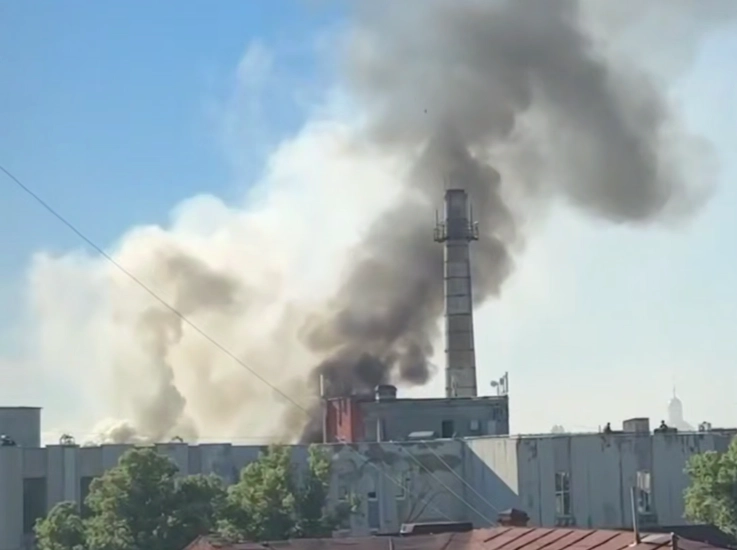
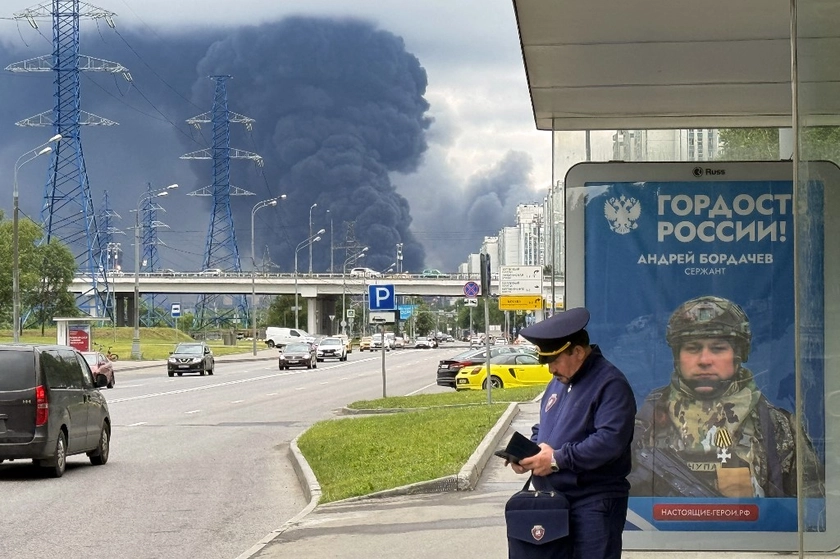
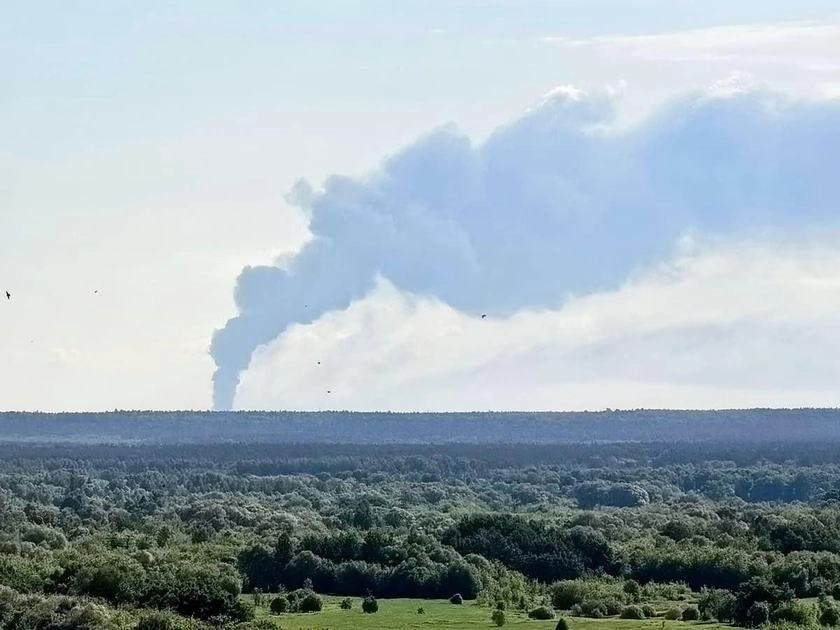
On Thursday, a fire broke out at Russia’s Afipsky oil refinery after a Ukrainian drone attack, while explosions and infrastructure damage were reported across occupied Crimea. Russian authorities claimed air defenses intercepted 330 drones overnight, as reports also emerged of strikes on several key bridges connecting Crimea with occupied southern Ukraine, potentially further complicating Russian military logistics.
Syrsky said the creation of dedicated coordination centers within army corps had improved cooperation between different branches of the Ukrainian military and contributed to the growing effectiveness of strikes against targets up to 200 kilometers (124 miles) behind the front line.
Ground robots face supply challenges
Syrsky said ground robotic systems have seen more usage on the front for logistics, ammunition deliveries and casualty evacuations in dangerous sectors.
Robotic platforms completed 12,500 missions in May alone, he said.
But he also acknowledged supply and procurement problems that have limited wider deployment of the systems since the beginning of the year, saying their potential can be “much greater.”
Russia struggles to recruit drone operators
While warning that Russia continues to copy successful Ukrainian technological and organizational innovations, Syrsky said Moscow faces significant manpower challenges in its drone forces.
According to Ukrainian military intelligence cited by Syrsky, Russia has recruited only 14,500 personnel into drone units since the beginning of 2026, approximately 21% of its annual target.
Attempts to recruit university students into such units have also fallen short of expectations, he said.
You can also highlight the text and press Ctrl + Enter

Russia Hit by 660-Drone Overnight Barrage Targeting Moscow, Crimea and Key Military Sites