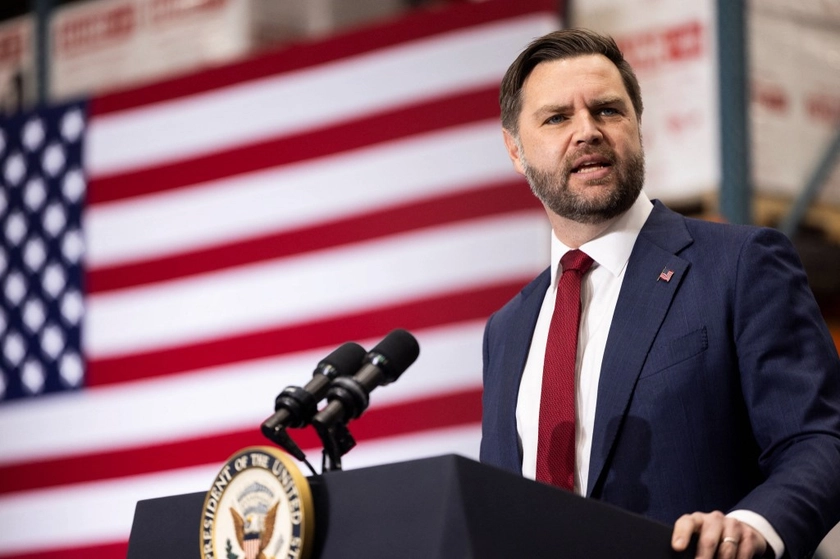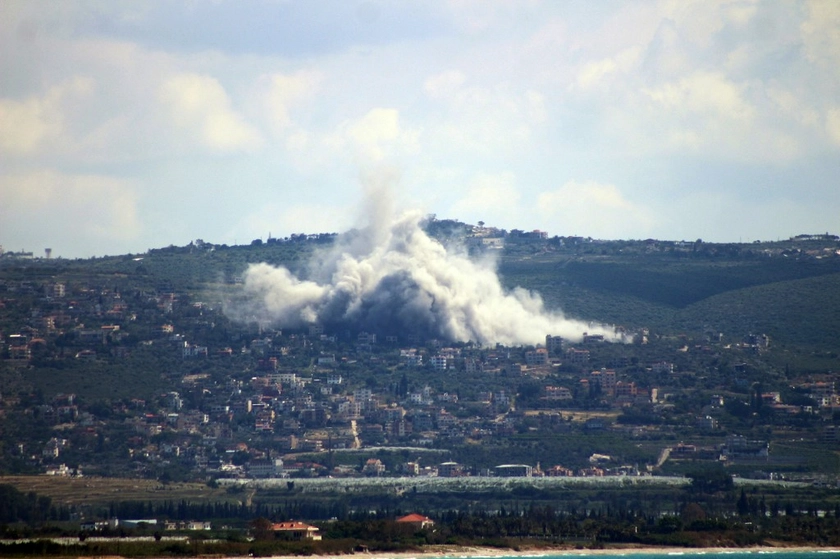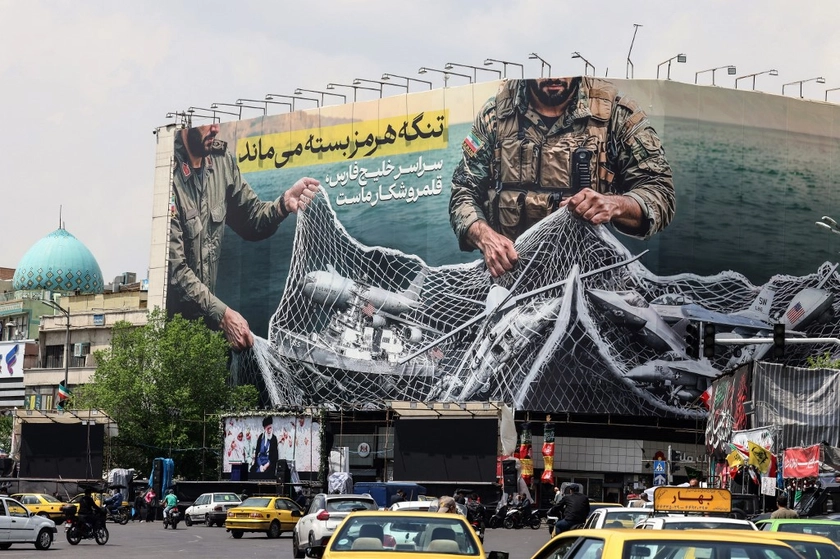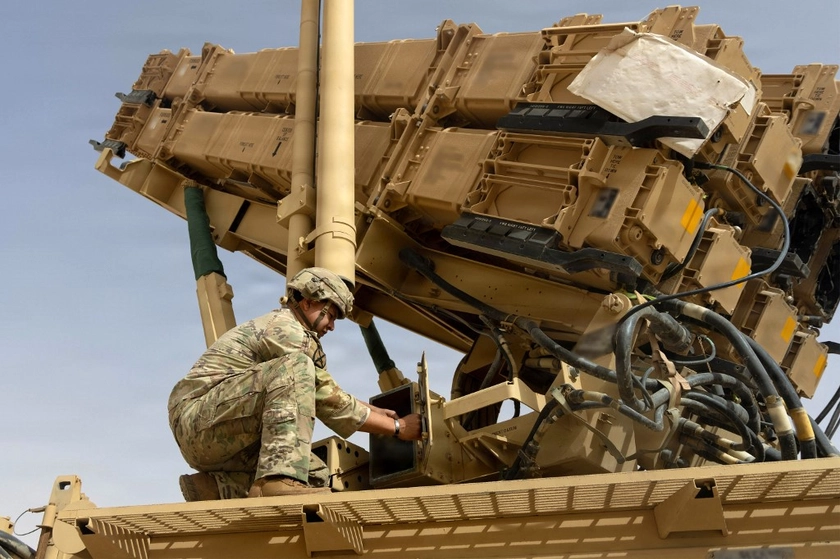
The joint US-Israeli strike on Iranian military facilities has scrambled calculations from Washington to Moscow to Kyiv. For Ukraine, fighting for survival against Russian aggression, the operation presents a paradox: weakening a key Russian ally helps, but the timing and US President Donald Trump’s motivations raise hard questions about whether this represents a genuine strategy or just another distraction from the hard work of defending European security, the Epstein revelations, and Trump’s stalled Ukraine peace plan.
Iran’s diminished capacity will hurt the Kremlin where it counts. Tehran has provided Russia with thousands of Shahed drones, which have rained down on Ukrainian cities, destroyed power grids, and killed hundreds of civilians. The Islamic Republic has kept Putin’s war machine running when Russia’s own factories couldn’t keep pace.
JOIN US ON TELEGRAM
Follow our coverage of the war on the @Kyivpost_official.
Damaging Iran’s military-industrial base directly impacts Russia’s ability to sustain its invasion. From Kyiv’s vantage point, that’s unambiguously good.
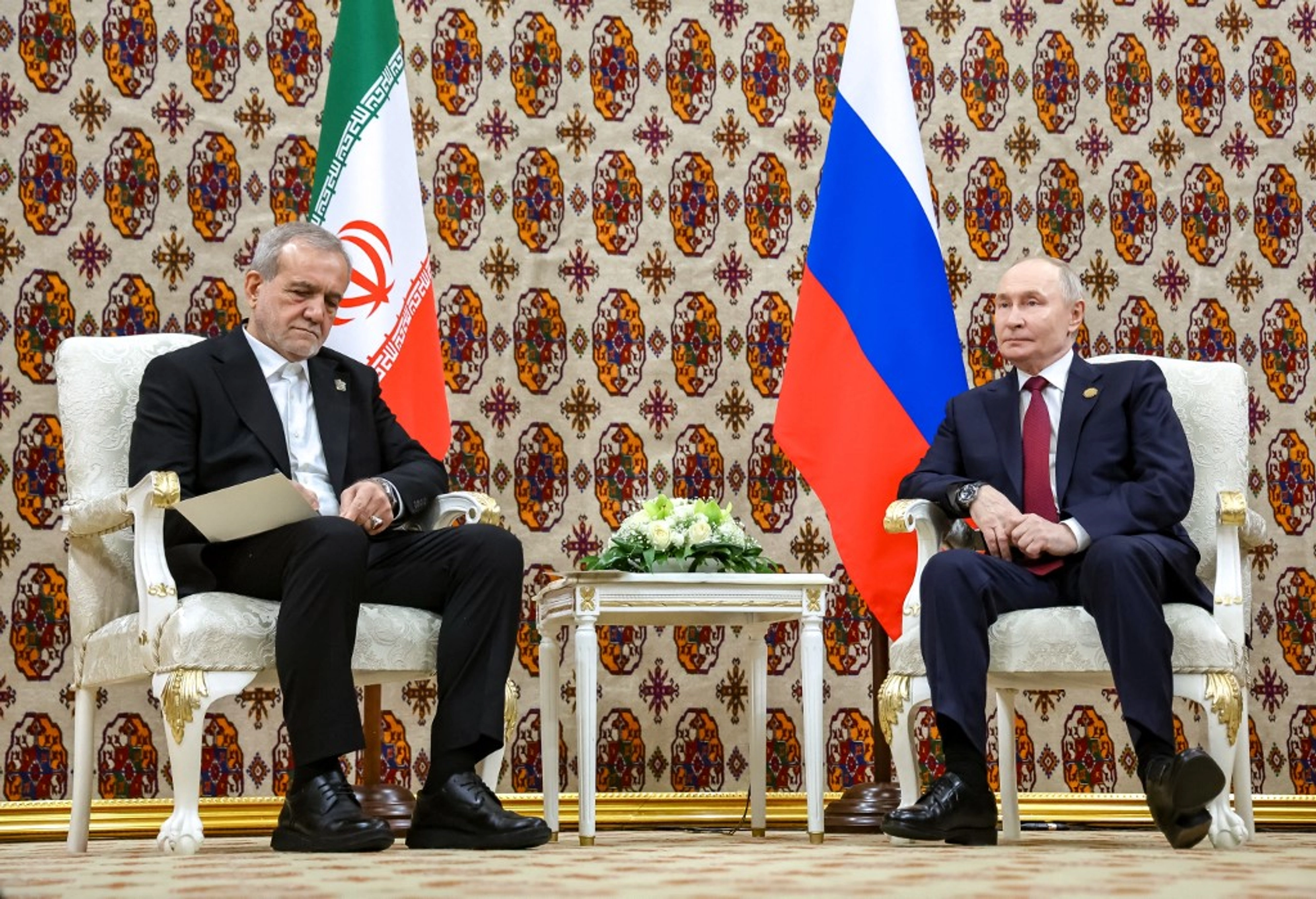
Trump’s delayed strike on Iran is also undoubtedly a blow to the mutually expedient relationship that he has developed with Russia’s criminal leader, Vladimir Putin. Already, Moscow is cynically branding the US attack as a violation of international law.
Ukrainian officials have threaded the needle in their response: they welcome anything that weakens the authoritarian axis threatening global stability, and they stand with the Iranian people who have suffered under theocratic brutality for decades.
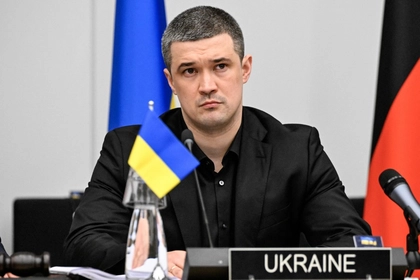
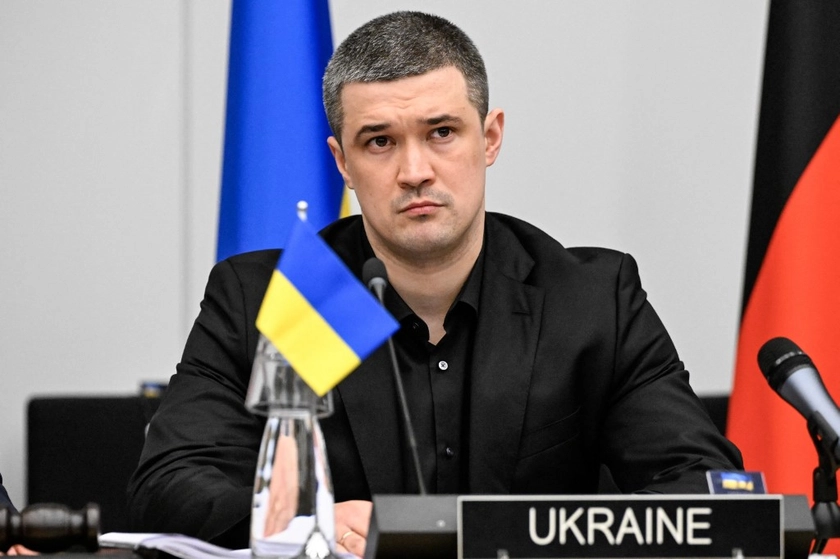
Ukraine Regained Battlefield Initiative but Needs More Aid to Keep It – Fedorov
Trump’s delayed strike on Iran is also undoubtedly a blow to the mutually expedient relationship that he has developed with Russia’s criminal leader, Vladimir Putin.
Kyiv has drawn a sharp line between the regime, which arms Russia’s war, and the people, who have shown extraordinary courage in protesting their oppressors. That distinction isn’t just a diplomatic nicety. It’s a strategic necessity.
But the strike’s impact on Russia goes deeper than logistics. Moscow’s partnership with Tehran is one of the few props holding up Putin’s pretense of great-power status. Cut off from the West, Russia has leaned hard on Iran, North Korea, and China to maintain the illusion of a multipolar world with Moscow as a pole that matters.
The US strike exposes how vulnerable Russia’s junior partners really are – and by extension, how empty Russian security guarantees have become. If Washington can hit Iran at will, what exactly can Russia do to protect its allies? Or itself?
Putin has staked political capital on the Iran relationship, holding it up as proof that Russia still matters on the world stage. The strike humiliates Moscow. When it counts, US military power still writes the rules in the Middle East, and Russia can’t do anything about it. This lands at an awkward moment for Putin’s courtship of Trump, which has lurched between talk of a “deal” on Ukraine and unpredictable American shows of force.
Which brings us to the question that matters: what is Trump actually doing? The timing reeks. Epstein files keep leaking. Trump’s domestic ratings are falling. Pressure is building for real action on Ukraine. Trump’s promised peace plan remains a no-show.
And suddenly, a spectacular military operation in the Middle East dominates every news cycle. Trump’s bombast around the strike – the chest-thumping, the made-for-TV presentation – looks less like serious statecraft and more like a ratings grab designed to change the channel.
That doesn’t mean the strike was wrong. Iran’s regional aggression, nuclear program, and proxy warfare have deserved a hard response for years. Especially in recent weeks, when the Iranian regime has killed thousands of protesters calling for regime change and hoping for Western intervention.
The timing and motivation matter for Ukraine.
If this operation signals that US foreign policy will now confront authoritarian aggression wherever it appears, Ukraine stands to gain. If this is just Trump using military action as domestic political theater, then Kyiv should expect more of the same: promises deferred, support delayed, commitments watered down.
The timing and motivation matter for Ukraine.
Europe’s reaction will tell the tale. Some capitals see the strike as overdue Western strength that should extend to Ukraine with equal force. Others fret about escalation, about getting pulled into conflicts beyond Europe’s borders; and about Trump’s erratic decision-making. Still others question the legality of unilateral military action without UN authorization, Congress’s approval or imminent threat.
The question European leaders face is stark: does the Iran strike mean the US will finally give Ukraine what it needs to win – or does it mean American attention and resources are being pulled away from Europe just when Ukraine needs them most?
For Ukraine, the stakes are existential. Every day the war grinds on, more Ukrainians die, more cities turn to rubble, more children lose their futures. Peace talks get dangled and then vanish into empty rhetoric and photo ops. Russian forces keep attacking. Ukrainian soldiers keep fighting with Western weapons they’re not allowed to use properly.
Weakening or removing the Iranian regime would reshape global security. A free Iran, run by its people instead of theocratic thugs, would transform the Middle East and cut Russia off from a critical partner.
But the question for Ukraine, Europe, and the world is whether this strike marks the start of a real strategy to push back authoritarian expansion – or whether it’s just another dramatic gesture from a foreign policy driven by impulse rather than coherence.
Ukraine is ready for American leadership in defense of freedom and sovereignty. But that leadership has to be consistent, sustained, and laser-focused on the biggest threat to European security since 1945. Weakening Iran is welcome.
Now the question is whether Washington will show the same resolve in backing Ukraine to victory and Russia to defeat. The Iranian people deserve freedom. So do Ukrainians. And for that matter, so do the Palestinians who are not xenophobic, anti-Western militants.
One strike doesn’t make a strategy, and Ukraine can’t afford the world’s attention constantly deflected from the war that will define this generation. The game may be changing.
But the outcome is still uncertain. So, as Russian missiles and drones continue to rain down daily on Ukraine, fingers crossed.
The views expressed in this opinion article are the author’s and not necessarily those of Kyiv Post.
You can also highlight the text and press Ctrl + Enter

Russia Hit by 660-Drone Overnight Barrage Targeting Moscow, Crimea and Key Military Sites