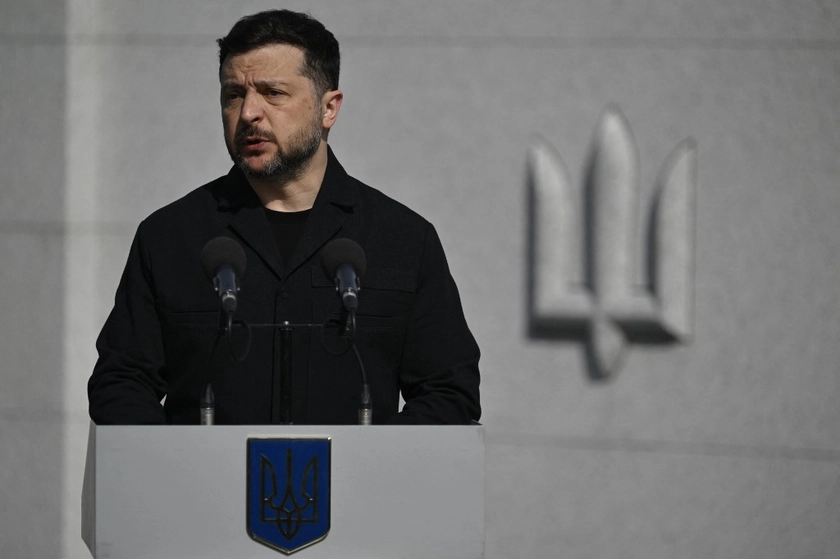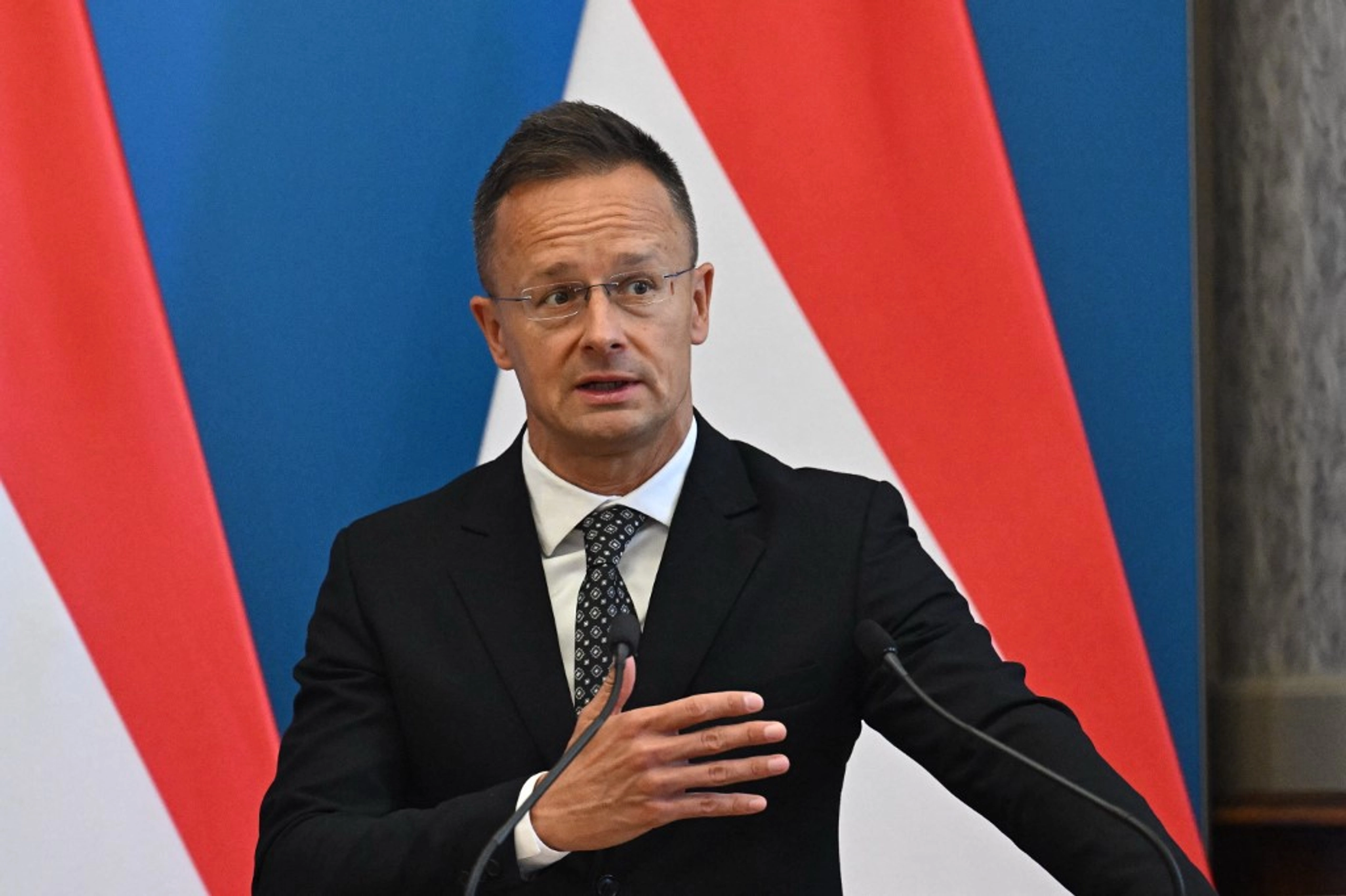
Hungary’s Foreign Minister Péter Szijjártó accused President Volodymyr Zelensky of committing what he described as an “attack against Hungary” by allegedly preventing the restart of oil deliveries through the Druzhba pipeline.
Speaking in an interview published Friday, March 3, in the Hungarian daily Magyar Nemzet, Szijjártó said there is no technical reason preventing oil transit via the pipeline.
JOIN US ON TELEGRAM
Follow our coverage of the war on the @Kyivpost_official.
“This is an attack against Hungary committed by President Zelensky,” Szijjártó said, alleging that there was a decision to block deliveries and that it was politically motivated.
He claimed the move was coordinated with what he described as a “Berlin-Brussels-Kyiv axis,” arguing that the goal was to create an oil supply crisis in Hungary ahead of elections.
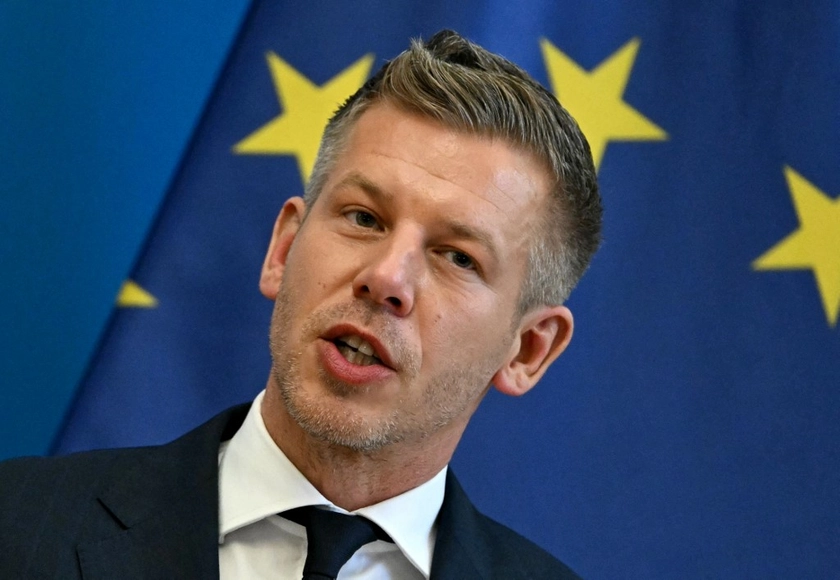
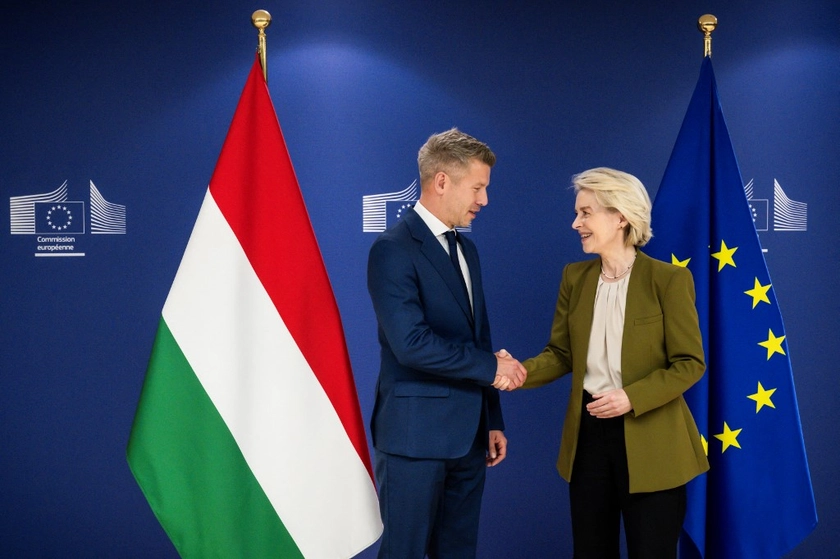
Prime Minister Viktor Orban will face his most significant challenge in 16 years in the April 12 parliamentary election, where he faces off against Peter Magyar, whose popularity has been buoyed by charges of widespread corruption against Orban and his Fidesz party as well as Orban’s warm relations with Russian President Vladimir Putin.
“There is no physical or technical obstacle to restarting deliveries. The reason is exclusively political,” Szijjártó claimed.
The Hungarian minister also rejected Zelensky’s earlier remarks suggesting that Hungary should be grateful the pipeline had operated previously, saying oil transit is a contractual obligation rather than a “favor.”
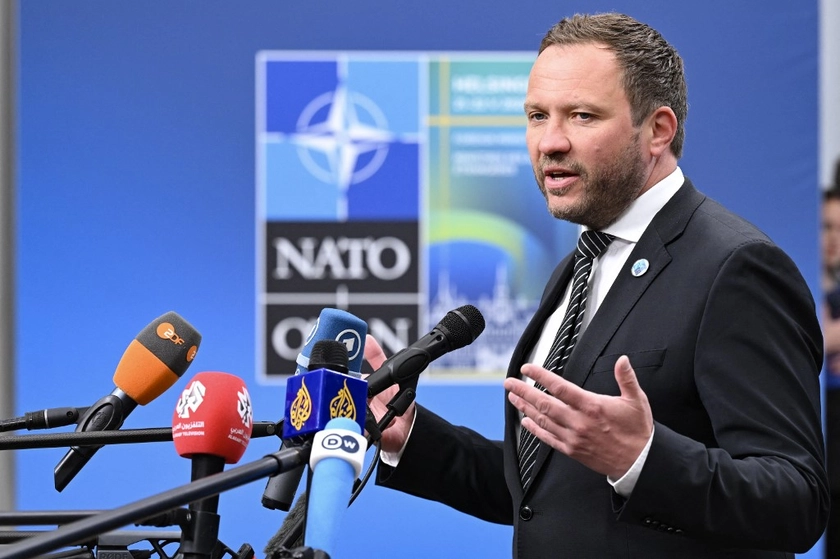
Estonia Urges EU Alumina Ban and Total Russian Energy Maritime Service Blockade
Szijjártó further said Hungary would block decisions in Brussels that are favorable to Kyiv as long as the oil transit issue remains unresolved.
Hungary, which continues to rely on cheap Russian oil, has maintained warm ties with Moscow despite its unprovoked full-scale invasion of Ukraine.
You can also highlight the text and press Ctrl + Enter