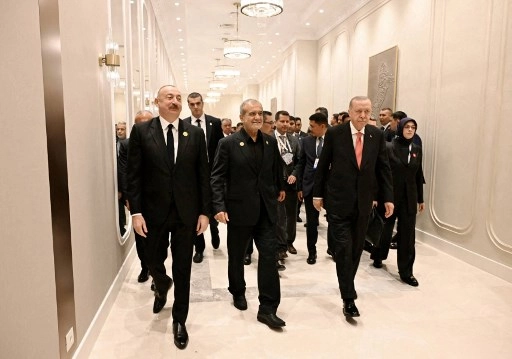
While eyes in Iran and abroad were fixed on the rise of Ayatollah Ali Khamenei’s son, President Masoud Pezeshkian was quietly working another track – speaking with regional leaders in an effort to ease tensions. He has been in contact with Russian President Vladimir Putin, Azerbaijani President Ilham Aliyev, and Turkish President Recep Tayyip Erdogan.
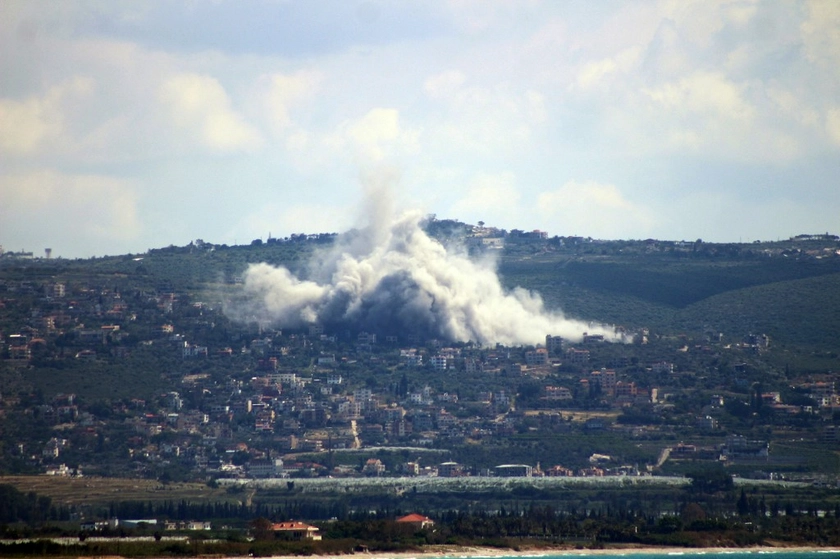
On Monday, as Pezeshkian tried to show that Iran does not want a wider regional war, NATO air defenses intercepted an Iranian missile in Turkish airspace – the second such incident in five days.
JOIN US ON TELEGRAM
Follow our coverage of the war on the @Kyivpost_official.
Turkish reaction
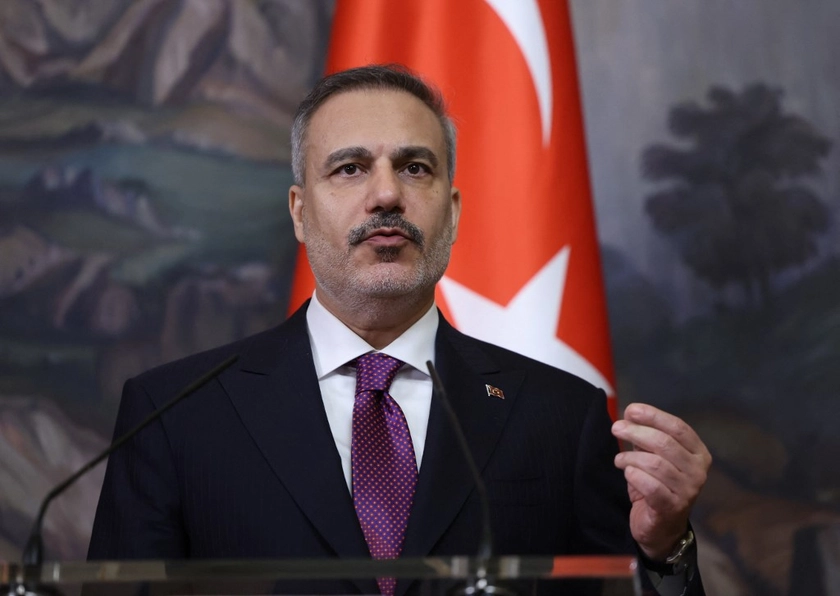
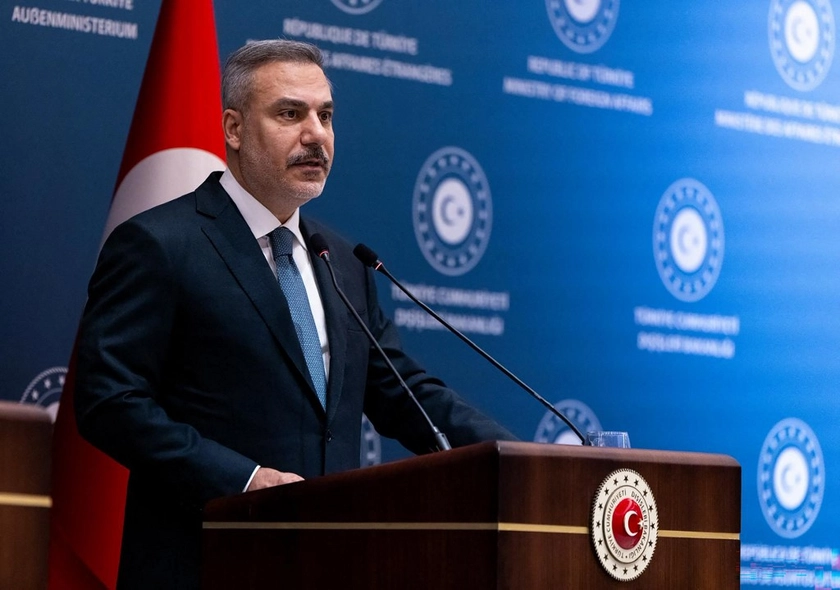
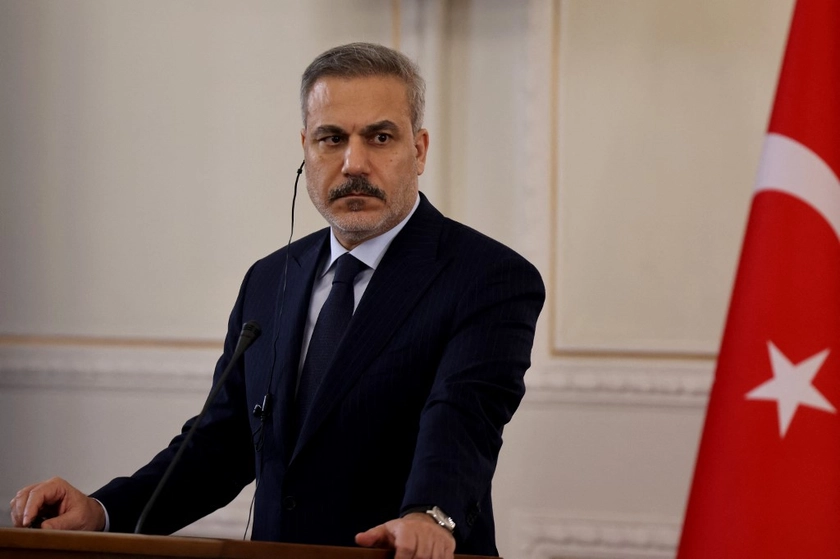
“Despite our sincere warnings, extremely wrong and provocative steps continue to be taken that will jeopardize Turkey’s friendship,” Erdogan said, commenting on the missile incident.
At the same time, Turkey did not seek to invoke NATO’s collective defense clause after the interceptions and tried to leave room for diplomacy. Erdogan has been one of the most vocal critics of the strikes on Iran, while also warning Tehran against further provocations.
Turkey matters because it is both Iran’s neighbor and a NATO member. That means any missile crossing into Turkish airspace raises the risk of a much larger crisis.
Turkey also has its own reasons to avoid a wider war. Ankara shares an interest with Tehran in preventing Kurdish militant groups from gaining ground during the conflict.
Some Turkish analysts say Ankara may be leaving room for the possibility that Iran’s security structures are not fully in control.
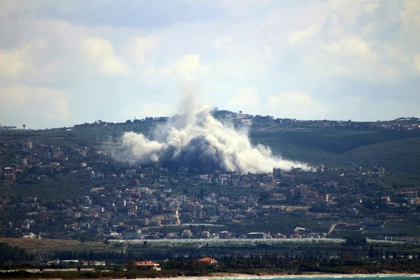
US and Iran Trade Strikes Over Gulf Shipping as Ceasefire Frays
Pezeshkian has also spoken with Putin and Aliyev. In his call with Aliyev, he denied Iranian involvement in the drone incident in Azerbaijan’s Nakhchivan exclave. In earlier remarks, he also apologized to Gulf partners affected by Iranian attacks.
Taken together, the calls suggest Tehran is trying to keep communication open with key regional players even as the attacks continue.
The oil angle
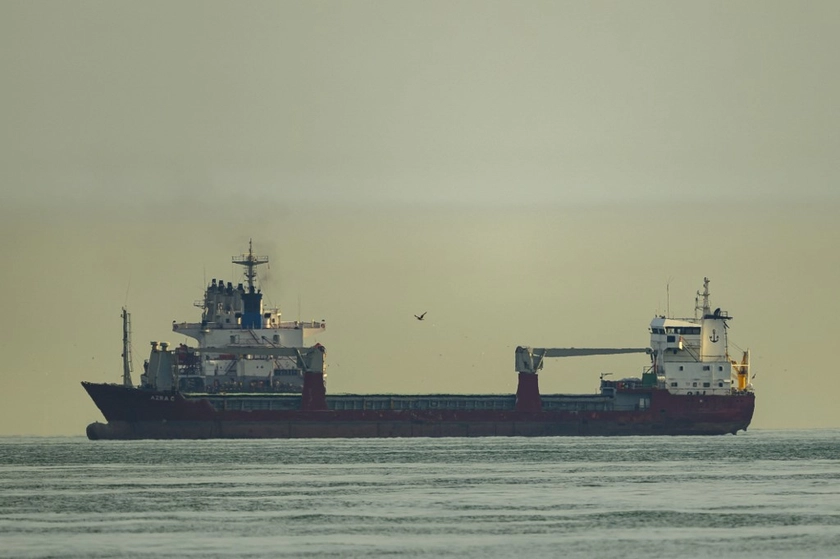
Pezeshkian’s diplomacy also overlaps with a wider oil and sanctions question. Iran’s war strategy has included not only missiles and drones, but also pressure on oil and gas infrastructure to raise energy prices and increase pressure on Washington and its partners.
At a March 9 press conference, Trump warned Tehran against disrupting global energy supplies, saying the Strait of Hormuz must remain open. He also said Washington may ease certain oil-related sanctions, without elaborating on which countries or under what conditions.
You can also highlight the text and press Ctrl + Enter
Russia Hit by 660-Drone Overnight Barrage Targeting Moscow, Crimea and Key Military Sites