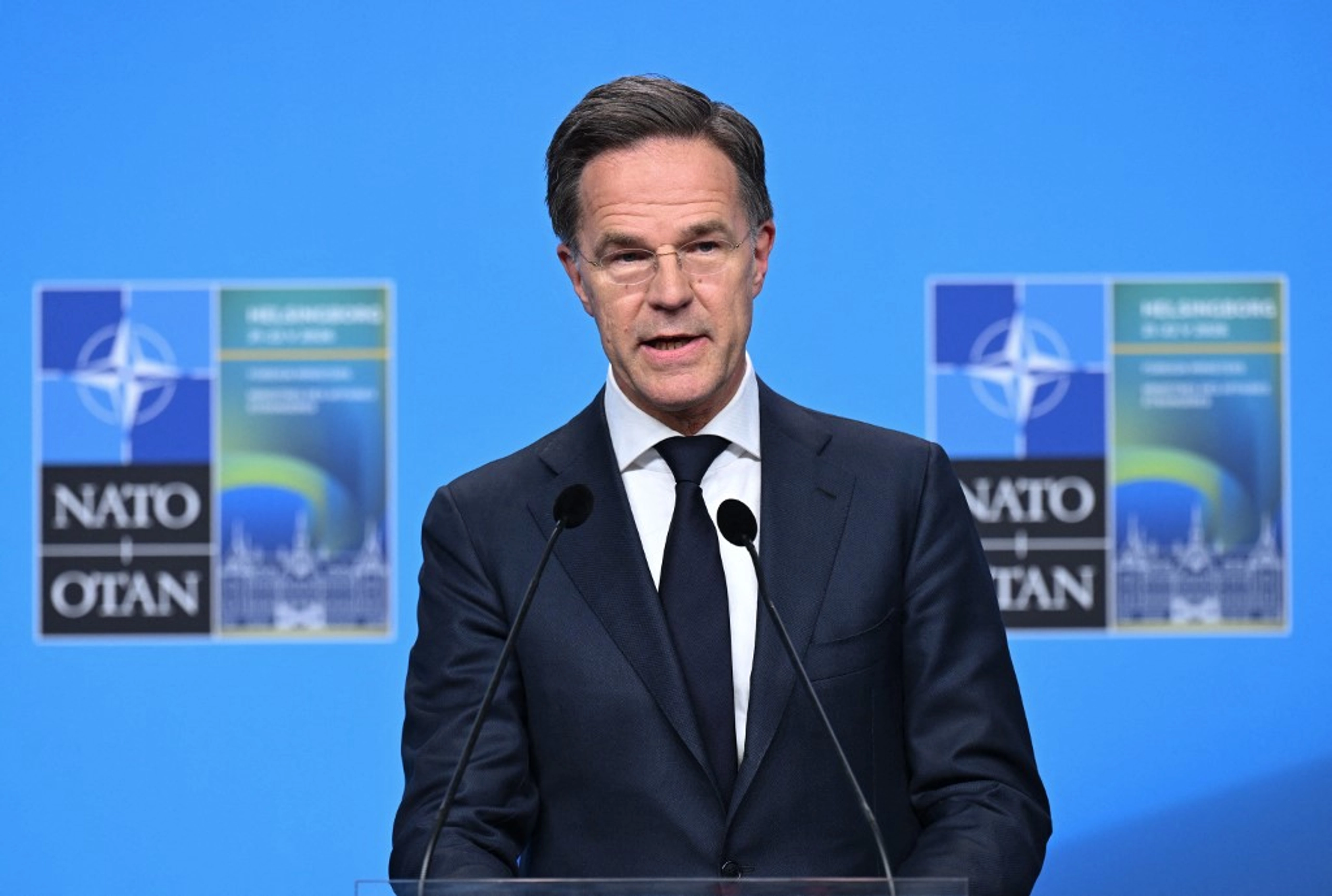
NATO allies are actively discussing a comprehensive new €70 billion military aid package for Ukraine.
The landmark funding framework is being positioned for a formal announcement during the upcoming NATO summit scheduled for July 7-8 in Ankara, Turkey, Politico reported.
JOIN US ON TELEGRAM
Follow our coverage of the war on the @Kyivpost_official.
A German initiative for transparent burden-sharing
The €70 billion ($80.6 billion) initiative was put forward by Germany. Beyond setting a substantial new financial target for Kyiv’s defense, the German proposal introduces a structural tracking mechanism designed to monitor the contributions of individual member states with greater transparency.
This institutional oversight is specifically aimed at addressing growing dissatisfaction among several allied nations who believe they are currently shouldering an unfair and disproportionate share of the collective financial burden required to sustain Ukraine’s defense. A fifth senior NATO diplomat emphasized that a key objective heading into the July summit is to secure a firm, long-term commitment from all alliance members on a more equitable and predictable basis.
An official representative speaking on behalf of the Alliance confirmed that internal deliberations are ongoing regarding how to preserve robust support for Ukraine while simultaneously ensuring a fairer distribution of defense workloads across the transatlantic partnership.
Structuring the funding framework
Approximately €30 billion ($34.6 billion) is slated to be drawn from a previously finalized €90 billion ($103.7 billion) EU loan facility. The remaining €40 ($46 billion) billion is expected to be raised directly from individual NATO member states through dedicated bilateral assistance channels.

Infantry Up Close, More and Better Bombardment, Helping America ‘Win’
A sixth high-ranking NATO diplomat defended this blended funding approach, noting that because the vast majority of NATO allies also hold membership within the EU, it is natural to harmonize the financial streams. The diplomat added that it would be counterproductive to demand that these nations effectively double-contribute to identical procurement goals.
However, the framework has met with caution from some corners of the Alliance; certain member states worry that individual capitals might use the influx of centralized EU funding as an excuse to prematurely scale back their own direct bilateral military aid to Kyiv.
Prioritizing Ukraine’s long-range capabilities
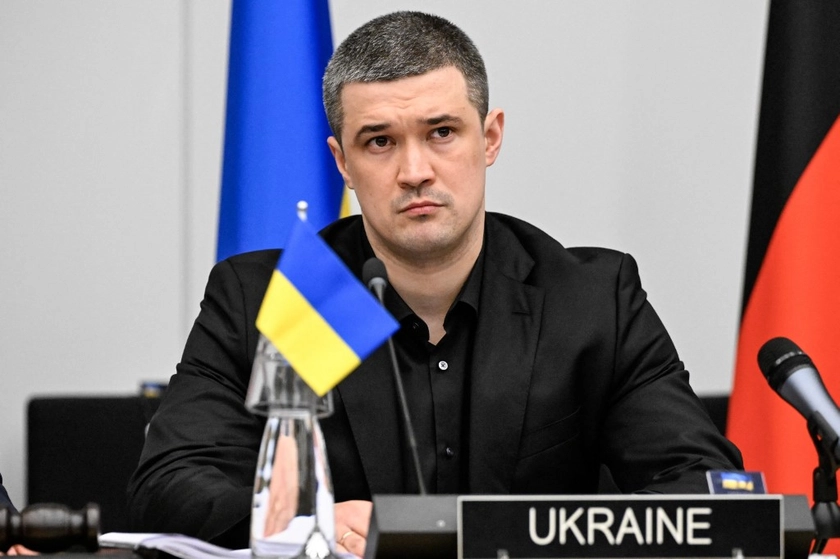
Alona Getmanchuk, Ukraine’s ambassador to NATO, responded to the ongoing negotiations by stressing that any newly established financial commitments must be explicitly aligned with Ukraine’s most critical battlefield requirements. Getmanchuk emphasized that the funding should prioritize advanced air defense systems, the expansion of domestic drone and missile manufacturing capabilities, and the steady supply of long-range ammunition.
The push for a unified, European-led funding mechanism arrives during a period of acute transatlantic tension. Ahead of the Ankara summit, German Chancellor Friedrich Merz is scheduled to host the leaders of France, the UK, Italy, and Poland – the “E5” group – in Berlin to coordinate a unified European strategy.
The E5 meeting aims to assemble a robust package demonstrating Europe’s willingness to take greater responsibility for regional defense, amid mounting friction with US President Donald Trump.
Following disagreements over maritime security campaigns in the Middle East, the White House recently announced the accelerated withdrawal of over 5,000 US troops from Germany and a 50% reduction in deep-strike capabilities on the continent.
You can also highlight the text and press Ctrl + Enter

OPINION: The New Line Kyiv Quietly Built Into NATO