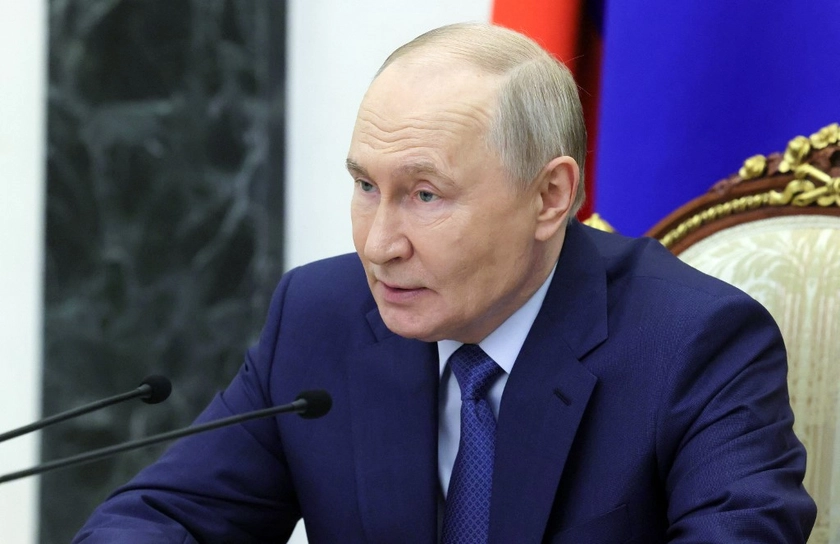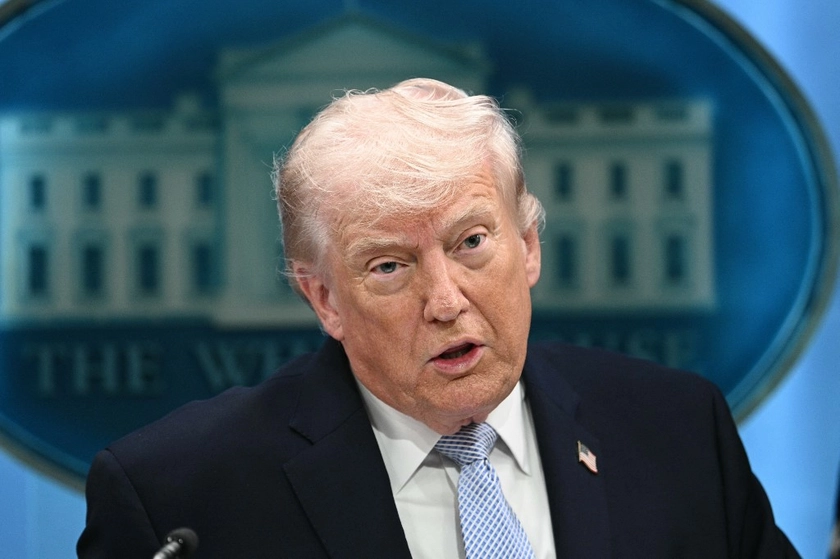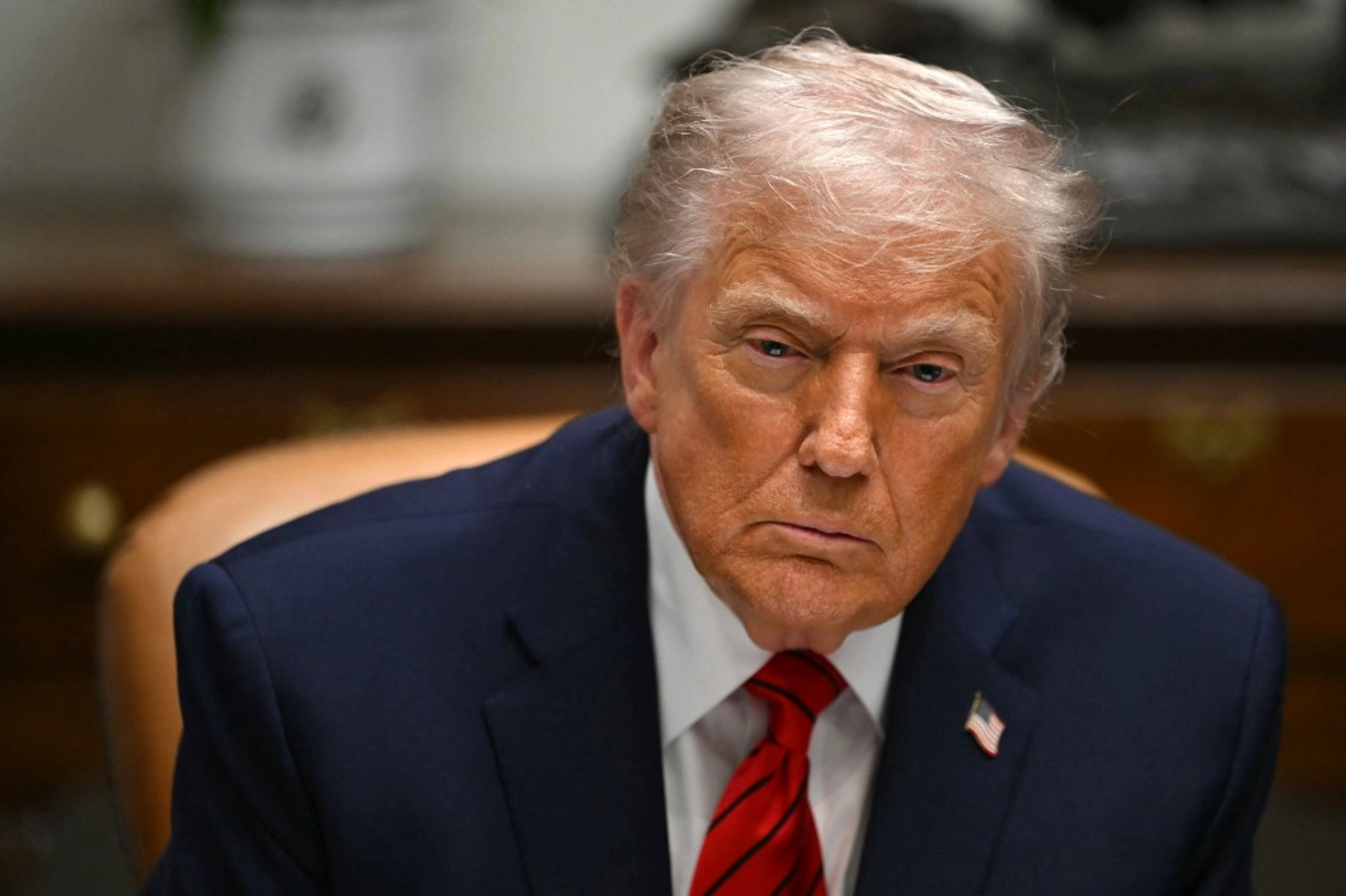
US President Donald Trump warned that NATO faces a “very bad” future if its members do not support Washington in its efforts to secure the Strait of Hormuz, a strategic waterway through which roughly one-fifth of global oil supplies pass.
“It’s only appropriate that people who are the beneficiaries of the Strait will help to make sure that nothing bad happens there,” Trump told the Financial Times. “If there’s no response or if it’s a negative response I think it will be very bad for the future of Nato.”
JOIN US ON TELEGRAM
Follow our coverage of the war on the @Kyivpost_official.
Trump said that Europe and China remain heavily dependent on oil shipped through the Gulf, unlike the United States, and argued that allies should contribute military resources to secure the route.
“We have a thing called NATO,” Trump said.
“We’ve been very sweet. We didn’t have to help them with Ukraine. Ukraine is thousands of miles away from us… But we helped them. Now we’ll see if they help us.”
Asked what kind of support he expected, Trump replied: “whatever it takes,” adding that allies should provide minesweepers and other assistance in response to threats near Iran’s coastline.
Trump also said he expects China to help reopen the strait before his planned trip to Beijing later this month and suggested his summit with Xi Jinping could be delayed.
“We’d like to know before that. It’s [two weeks is] a long time,” Trump said. “We may delay.”
US Lawmakers Push Bipartisan Bill to Mass-Produce Ukrainian Drones in America
According to The Wall Street Journal, the White House is expected to announce a coalition to escort commercial vessels through the Strait of Hormuz later this week. Earlier Donald Trump said several countries had committed to protecting shipping routes, though he did not identify which nations agreed to join the proposed corridor along Iran’s coastline.
The Strait of Hormuz carries around 20 percent of global oil supplies and up to 30 percent of liquefied natural gas shipments, making it one of the world’s most critical energy transit routes.
You can also highlight the text and press Ctrl + Enter

OPINION: The New Line Kyiv Quietly Built Into NATO