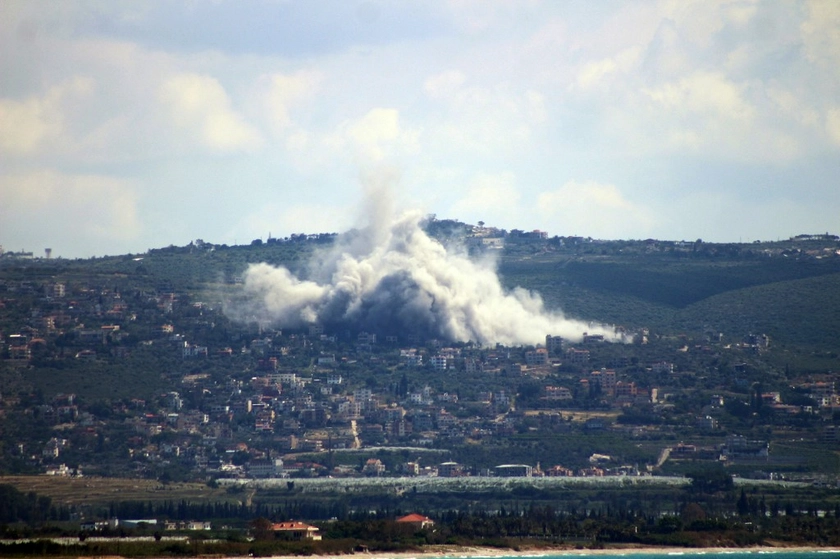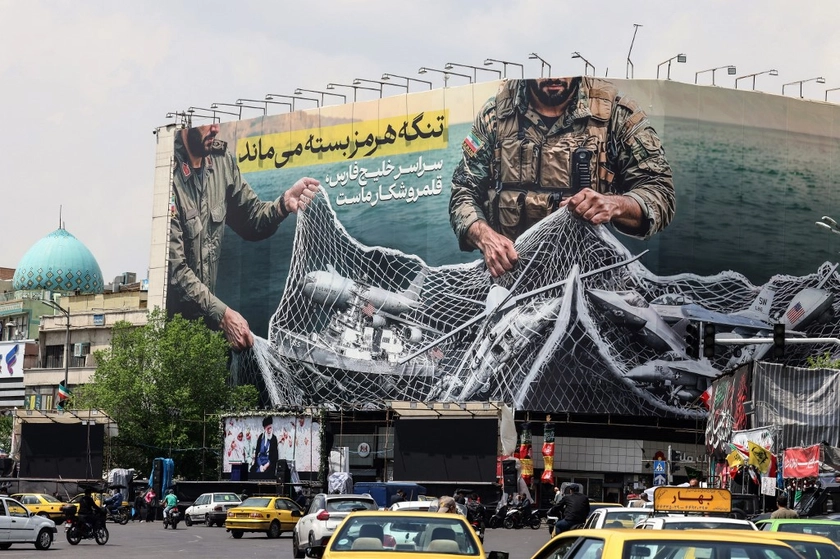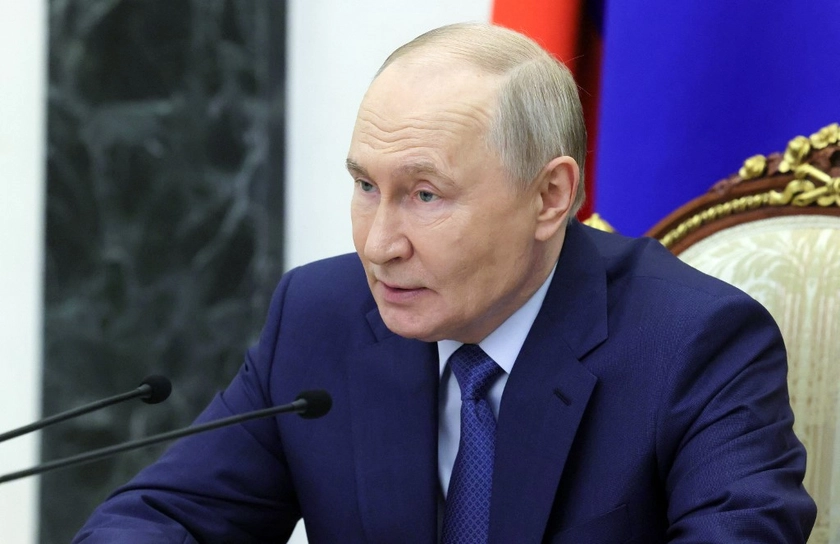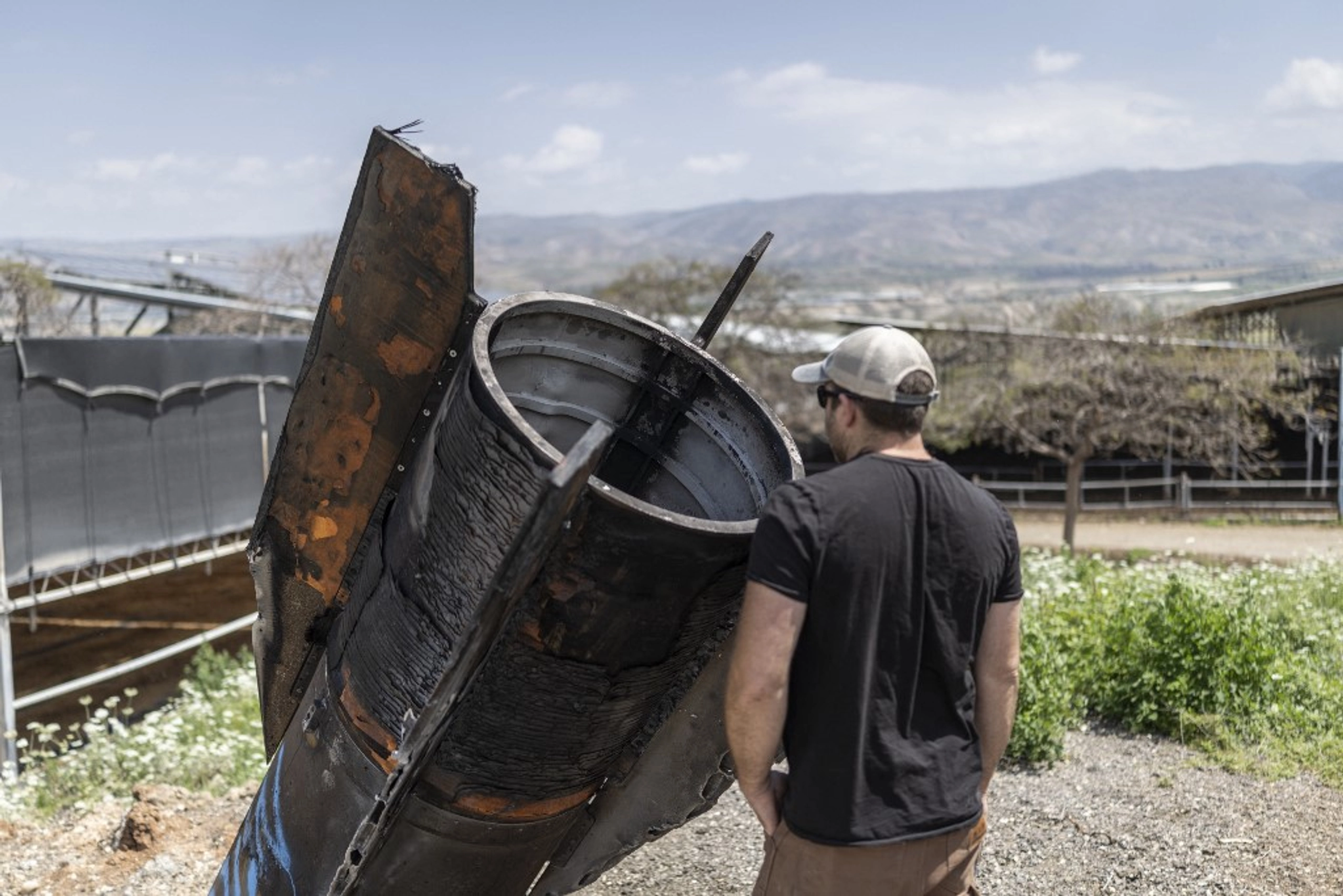
Iran still possesses thousands of ballistic missiles in its arsenal that can be deployed from underground storage facilities, according to a recent U.S. intelligence assessment reported by The Wall Street Journal on Saturday, April 11.
While American and Israeli officials estimate that more than half of Iran’s launchers have been destroyed or blocked underground, many of those remaining can be repaired or extracted from subterranean complexes. Tehran’s missile stockpiles have also been reduced by approximately 50% during the six-week-old conflict, yet the country maintains thousands of medium- and short-range ballistic missiles.
JOIN US ON TELEGRAM
Follow our coverage of the war on the @Kyivpost_official.
The major concern for U.S. officials is that Tehran may exploit the current two-week ceasefire to reconstruct its missile forces. “The regime could also purchase similar systems from Russia,” sources noted, specifically regarding strike drones, which have been depleted to less than 50% of their pre-war levels following U.S. and Israeli strikes on production facilities in Tehran.
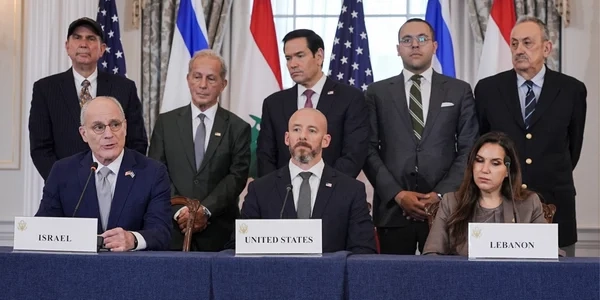
The intelligence report surfaces as high-level delegations, led by U.S. Vice President JD Vance and Iranian Foreign Minister Abbas Araghchi, meet in Islamabad for Pakistan-brokered negotiations. A key Iranian demand for ending the conflict is the lifting of all primary and secondary sanctions.
The disruption caused by the war continues to impact global markets. In Ukraine, the resulting energy spike has pushed diesel prices to Hr. 92 ($2.18) per liter, complicating the spring sowing season.

JD Vance Claims US “Wins Either Way” in Iran Nuclear Standoff
While President Donald Trump has prioritized restricting Iran’s nuclear program in the talks, U.S. officials emphasize that limiting Tehran’s future military capabilities will depend heavily on sustained export controls and sanctions, even if a formal truce is reached.
You can also highlight the text and press Ctrl + Enter