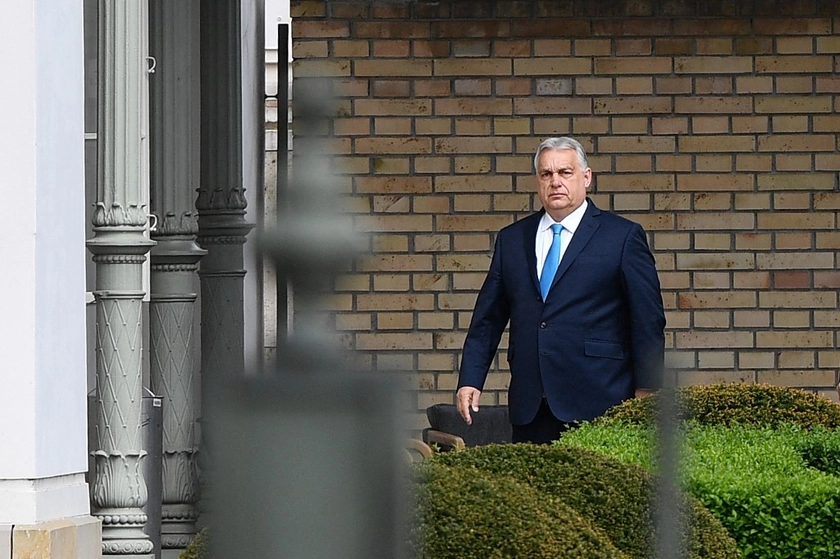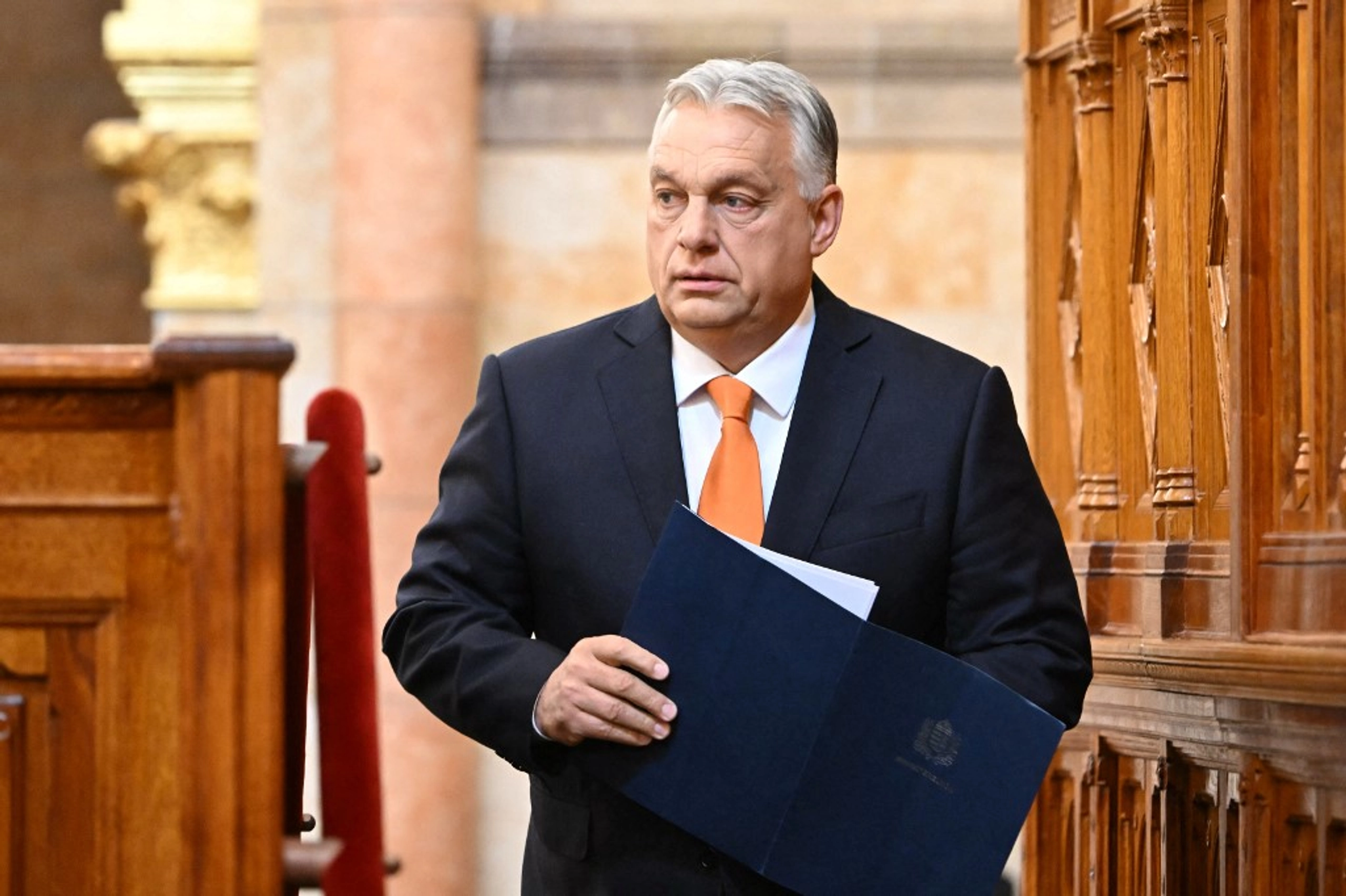
Outgoing Hungarian Prime Minister Viktor Orbán announced on Saturday, April 25, that he is resigning his seat in parliament following his party’s recent electoral defeat.
In a video message posted to social media, Orbán stated that he would not take up his mandate in the new legislative session, as he is currently needed to “reform the national camp” rather than serve on the opposition benches.
JOIN US ON TELEGRAM
Follow our coverage of the war on the @Kyivpost_official.
While stepping back from parliament, Orbán expressed his readiness to remain at the helm of the Fidesz party, which he has led since 1993, provided he receives the support of the party congress in June.
Gergely Gulyas, the former head of the Prime Minister’s Office, has been tapped to lead the restructured parliamentary faction.
Orban’s departure marks the end of a 16-year era of governance that began in 2010. His defeat has already triggered significant shifts in regional dynamics, particularly regarding the long-stalled €90-billion EU loan for Ukraine.
For months, Orbán used Hungary’s veto to block the financial package and new sanctions against Russia, often using oil transit through the Druzhba pipeline as leverage.
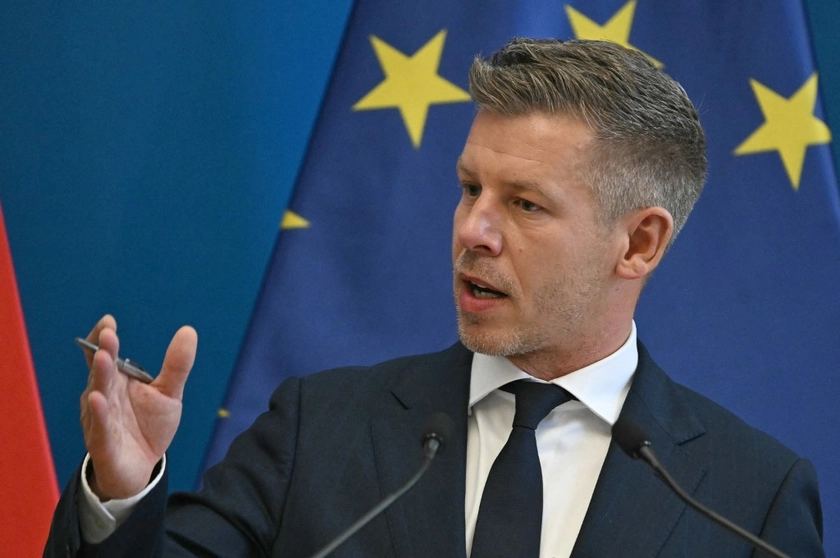
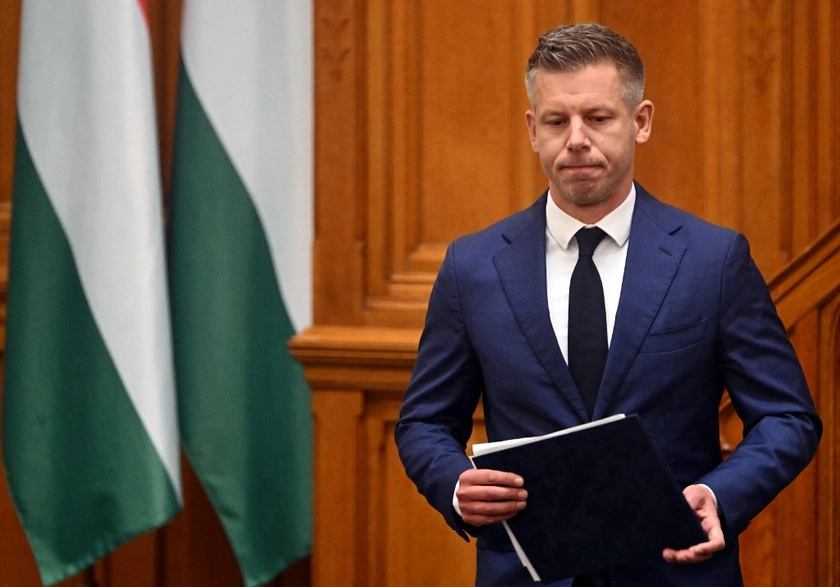
With Orbán’s successor, Peter Magyar, set to take office in May, there are widespread expectations of a swifter resolution to the deadlock in Brussels. Earlier this week, oil transit through the Druzhba pipeline resumed after repair work was completed on a damaged section in Ukraine, prompting Slovakia to drop its own objections to the funding.
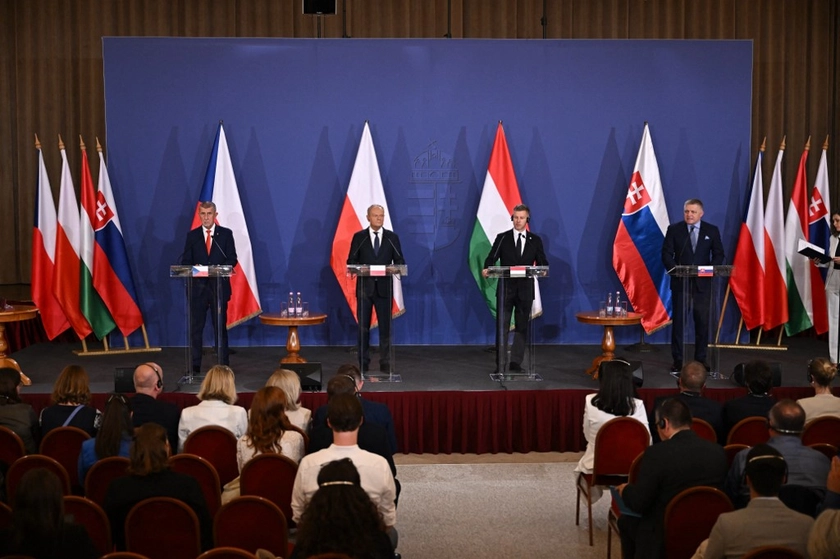
Ukraine Divisions Fade as Visegrád Leaders Reunite After Two-Year Rift
As the political landscape in Budapest shifts, international observers are closely watching whether Orbán’s focus on party reform will lead to a new brand of nationalist opposition or a more collaborative approach to European integration under the incoming administration.
You can also highlight the text and press Ctrl + Enter

Russia Hit by 660-Drone Overnight Barrage Targeting Moscow, Crimea and Key Military Sites