The US military has issued a clear warning regarding its readiness to reactivate kinetic operations against the Islamic Republic of Iran, explicitly conditioning the suspension of its global trade embargo on Tehran’s complete compliance with a pending diplomatic memorandum of understanding, Reuters reported.
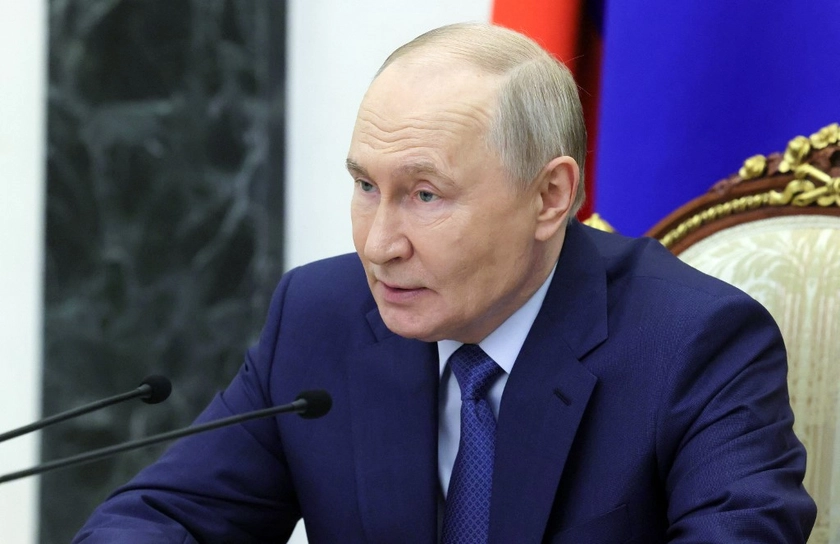
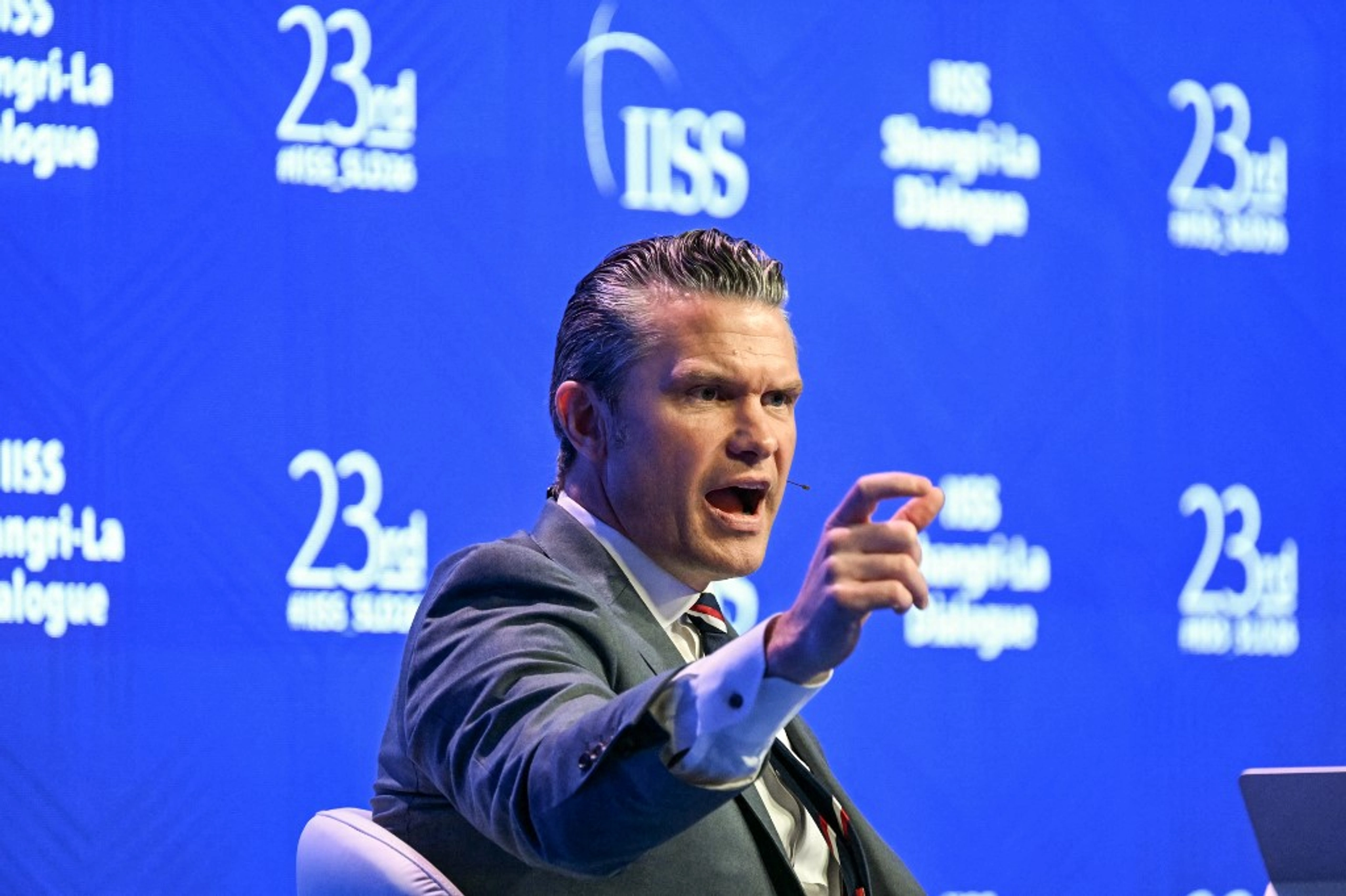
The warning was delivered by US Defense Secretary Pete Hegseth on Saturday, May 30, during an address at the Shangri-La Dialogue in Singapore – Asia’s premier security summit for international defense ministers, military commanders, and diplomats.
JOIN US ON TELEGRAM
Follow our coverage of the war on the @Kyivpost_official.
Hegseth’s remarks project a strict “peace through strength” posture while international negotiators work to secure a permanent end to the maritime war.
“We are capable of resuming strikes if it becomes necessary... we are entirely ready for this,” Hegseth stated during the Singapore forum. “We have sufficient reserves both in the region and across the world, so we are in a very good position.”
Trump’s “patient” search for a a favorable deal
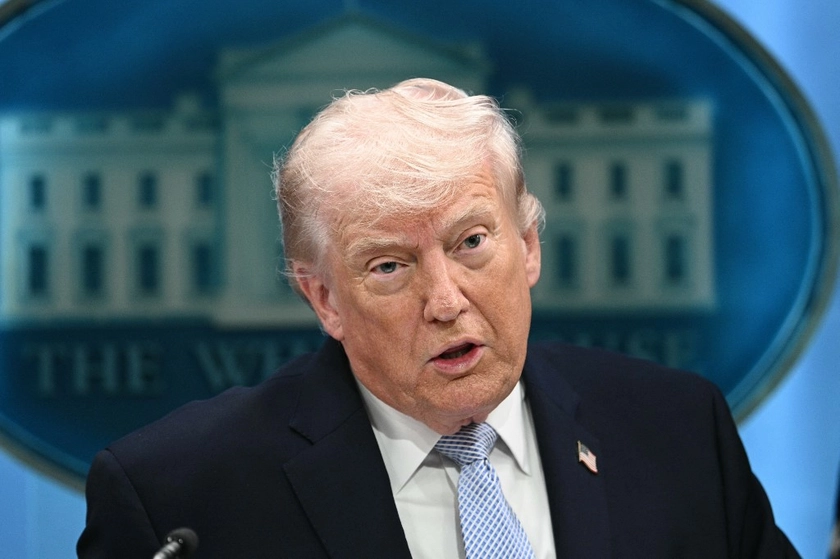
The Pentagon chief explained that while the US military remains on high alert. Meanwhile, US President Donald Trump is actively exercising patience to secure an advantageous structural arrangement.
The primary prerequisite for any binding document signed by the White House remains an absolute, verifiable guarantee that Iran will never develop or possess a functional nuclear weapon or bomb.

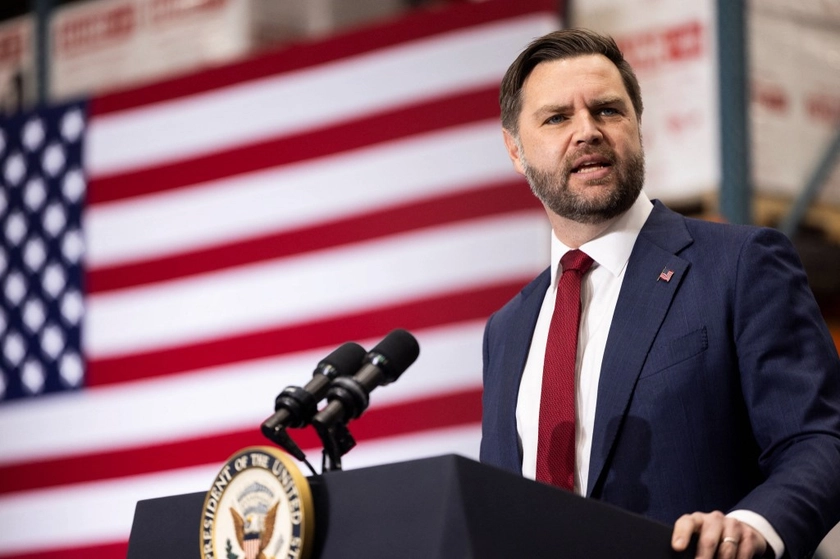
JD Vance Claims US “Wins Either Way” in Iran Nuclear Standoff
The active warning follows Trump’s announcement on Friday, May 29, that he had convened a high-level review inside the White House Situation Room to make a final determination on the proposal to end the war.
The strategic framework currently under review mandates a temporary 60-day prolongation of the regional ceasefire originally brokered on April 7, which recently neared a total breakdown following a direct exchange of fire between US Navy assets and Iranian coastal batteries inside the Strait of Hormuz.
The staggering cost of the Persian Gulf Standoff
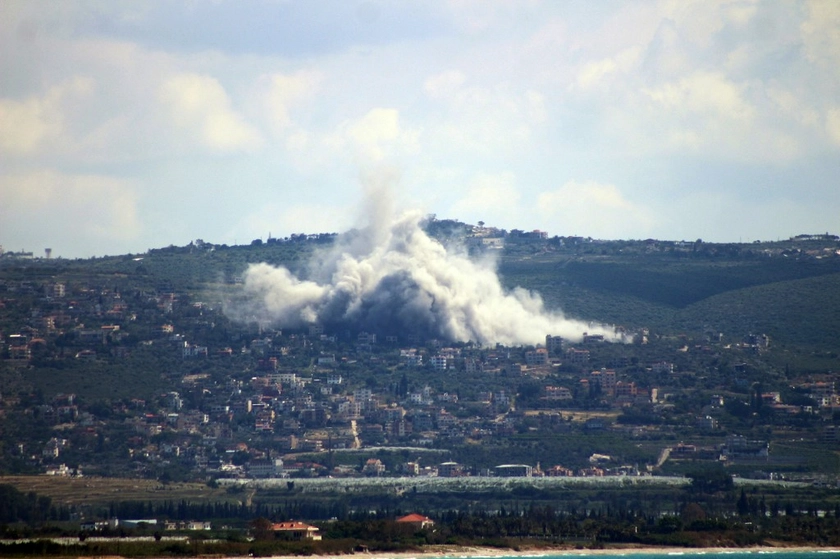
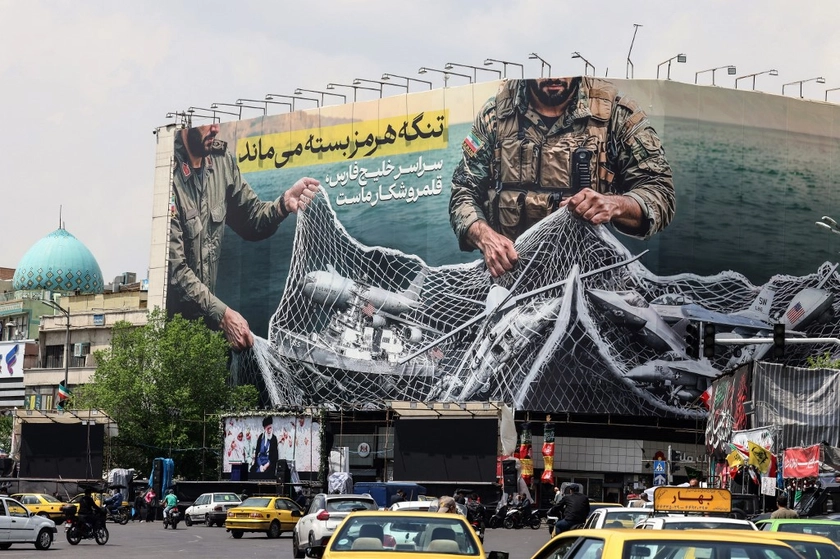
The conflict, which was jointly initiated by the US and Israel on Feb. 28, has induced widespread economic instability across the globe. Hostilities triggered a massive surge in international energy prices after Iran effectively closed off the Strait of Hormuz – a vital maritime shipping chokepoint that handles roughly 20% of global crude oil shipments.
To reverse the economic damage, the pending 60-day blueprint maps out a synchronized, step-by-step de-escalation path. Iran must completely clear its offensive naval mine networks within a strict 30-day window and guarantee unhindered shipping traffic through the Strait without arbitrary tolls or tracking fees.
In exact reciprocity for the open shipping lanes, the US will gradually lift the unprecedented naval blockade it clamped onto Iranian ports in mid-April. However, US officials note the withdrawal of American warships will be strictly matched to the volume of commercial shipping safely restored to the Gulf.
The agreement also establishes a joint US-Iranian-IAEA engineering mission to unearth and destroy highly enriched radioactive stockpiles – termed “Nuclear Dust” – currently trapped under mountains collapsed 11 months ago by high-yield American B-2 stealth bomber strikes.
Waiting for Tehran’s direct confirmation
Hegseth’s blunt warning at the Shangri-La Dialogue serves as a strategic reminder that Washington will not hesitate to reactivate its carrier strike groups if Iranian negotiators attempt to alter core tenets of the document.
According to White House intelligence briefs, Trump plans to take several days to finalize his signature. The administration is maintaining a strict verification policy, refusing to formally ratify the memorandum until electronic tracking channels can definitively confirm that Iran’s Supreme Leader, Mojtaba Khamenei, has personally signed off on every single paragraph – minimizing the risk of subsequent non-compliance or internal vetoes by hardline Iranian factions.
Until that verification is secured, the multi-billion-dollar international reconstruction fund earmarked for post-war rebuilding remains frozen, and the Pentagon’s combat assets remain cleared for immediate deployment.
You can also highlight the text and press Ctrl + Enter