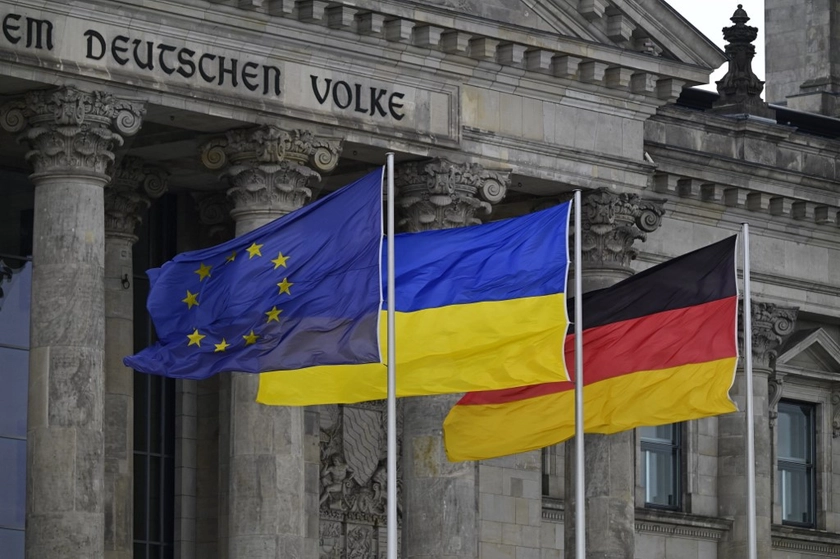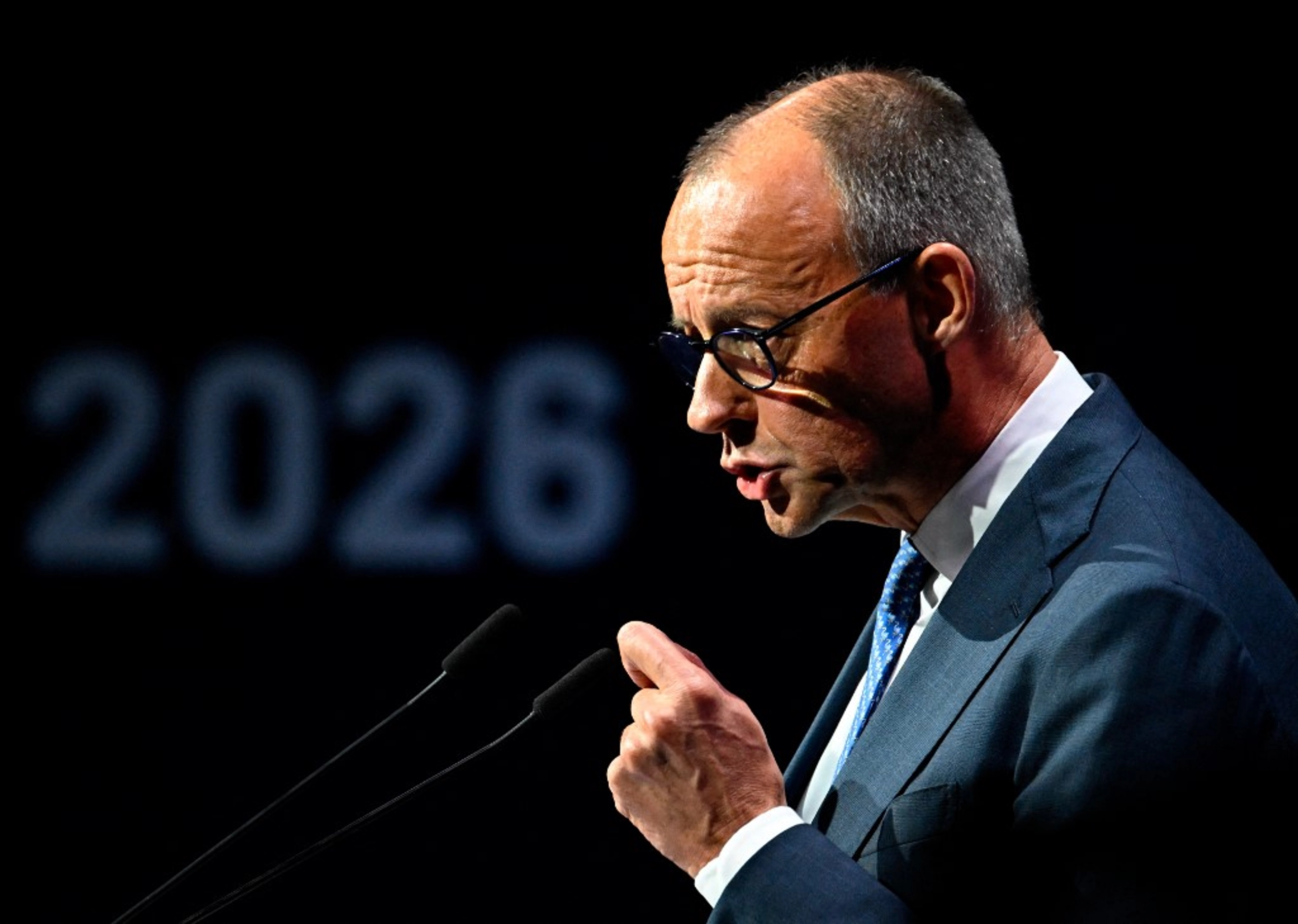
German Chancellor Friedrich Merz plans to host the leaders of five major European powers in Berlin later this month to coordinate a strategy ahead of the NATO summit and ease growing tensions with US President Donald Trump, Bloomberg reported on Monday, June 1.
According to Bloomberg, the leaders of Germany, France, the United Kingdom, Italy and Poland – the so-called E5 group – will meet to assemble a package of proposals demonstrating Europe’s willingness to take on greater responsibility for its own defense.
JOIN US ON TELEGRAM
Follow our coverage of the war on the @Kyivpost_official.
Merz is also expected to invite NATO Secretary General Mark Rutte to the gathering, Bloomberg reported, citing unnamed sources familiar with the discussions.
The initiative comes ahead of the NATO summit scheduled for July 7-8 in Ankara, where alliance members are expected to discuss defense spending, military readiness and transatlantic security cooperation.
Europe seeks to reassure Trump on defense spending
European leaders hope to present a united front and showcase recent increases in defense spending as concerns grow over Trump’s commitment to NATO.
Throughout both of his presidential terms, Trump has repeatedly criticized European allies for relying too heavily on US security guarantees and failing to contribute enough to collective defense.
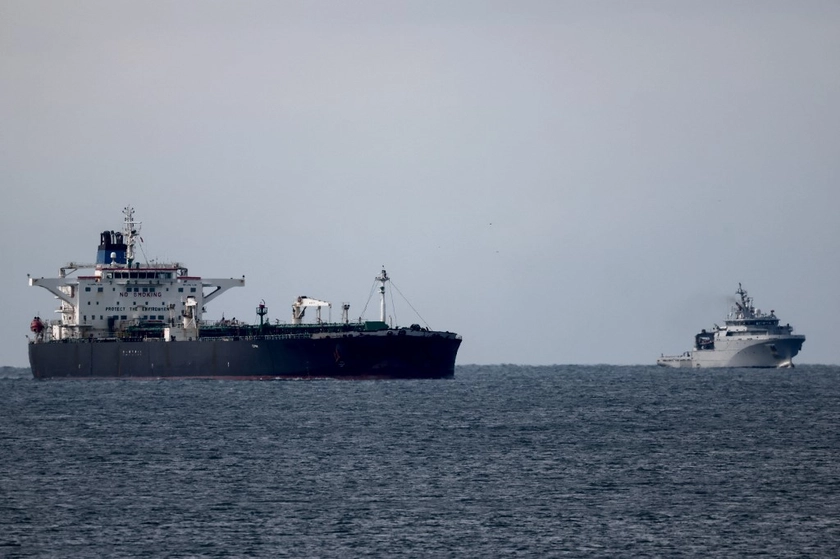
Tensions have intensified in recent months following disagreements over the US-led military campaign against Iran and efforts to secure maritime traffic through the Strait of Hormuz.
Zelensky: Russia Shifts Donetsk Capture Deadlines – Now at 15 Attempts
European governments were not consulted before Washington launched strikes against Iran and have largely refrained from publicly backing the operation.
Trump has since renewed criticism of NATO, calling the alliance a “paper tiger” and questioning whether allies are willing to bear the costs of collective security.
US Secretary of Defense Pete Hegseth echoed those concerns during remarks at the Shangri-La Dialogue security forum in Singapore over the weekend.
Merz among Trump’s recent targets
Merz has emerged as one of the European leaders most willing to publicly challenge Trump’s foreign policy decisions.
The German chancellor recently criticized what he described as a lack of US strategy in dealing with Iran and argued that American negotiators were being “humiliated” by their Iranian counterparts.
Trump responded by announcing the withdrawal of more than 5,000 US troops from Germany.
Despite those tensions, Merz has repeatedly stressed the importance of preserving NATO and maintaining close security ties with Washington.
“This alliance is, at least for the time being, irreplaceable,” Merz said in April.
Separately, E5 defense ministers are expected to meet in Paris on June 12 to coordinate positions ahead of the NATO summit and discuss command structures in the event of a broader conflict in Europe.
At last year’s NATO summit, all alliance members except Spain pledged to spend 5% of GDP on defense-related investments. Germany has since significantly increased military spending as part of a broader effort to strengthen European defense capabilities.
The US plans to present its NATO allies with proposals in June for the accelerated withdrawal of a portion of American military personnel from bases across Europe. According to sources within the Pentagon, Washington will officially unveil the accelerated drawdown schedules during an upcoming NATO force generation conference. The move follows a series of unilateral US drawing-down scripts – including a 50% cut to deep strike capabilities on the continent and a previously announced withdrawal of 5,000 troops from Germany.
You can also highlight the text and press Ctrl + Enter