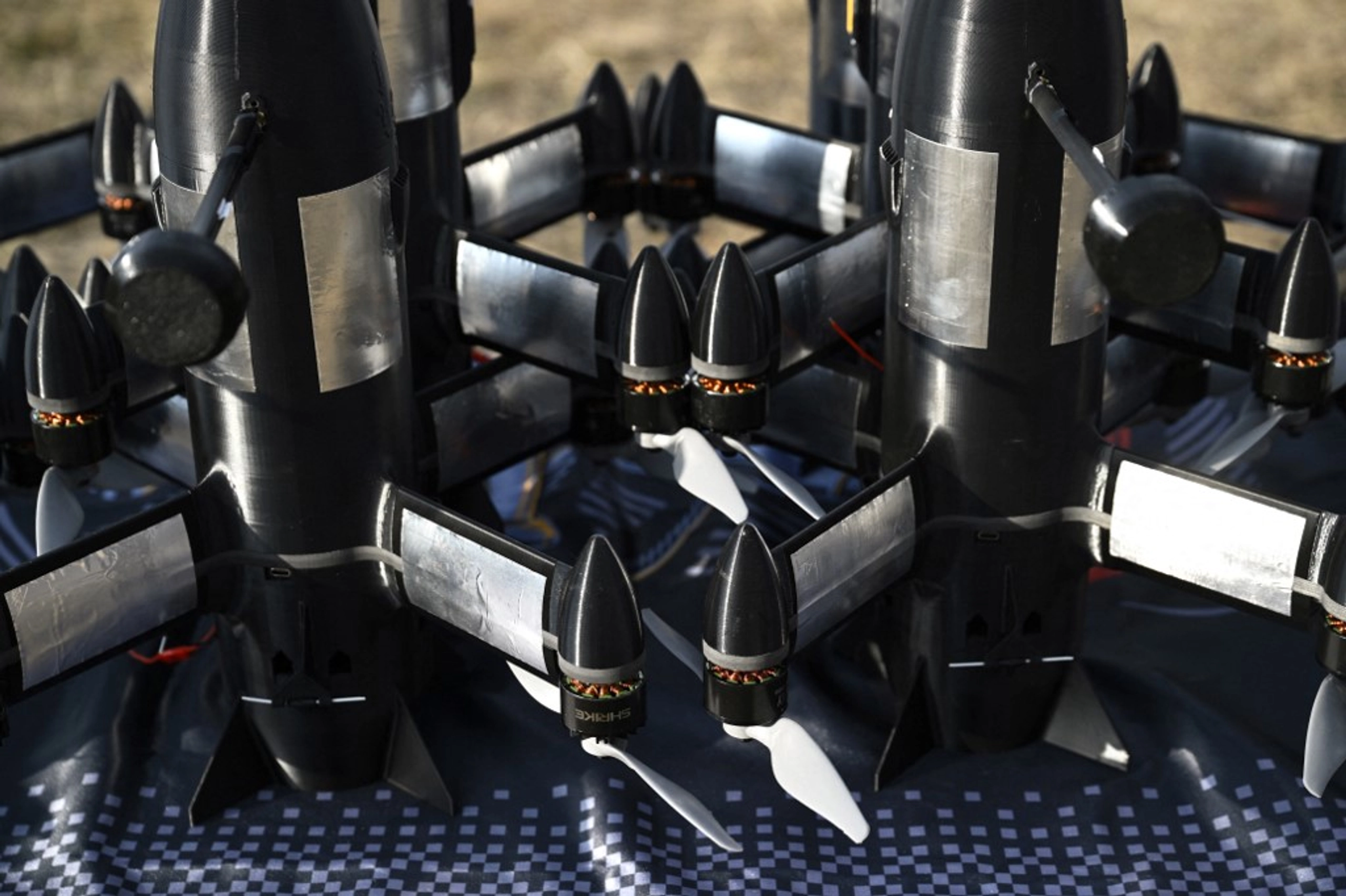
A senior Ukrainian official on Tuesday called on NATO state legislators to accelerate assistance and investment in Ukrainian defense production so that Kyiv’s already-teeming military drone swarms can expand to four or five times their current size.
Speaking during the Spring Session of the NATO Parliamentary Assembly, Deputy Defense Minister Mstislav Banik said Ukraine’s defense industry could produce 20 million military drones per year if allies commit sufficient resources to Ukrainian manufacturing, according to a defense ministry press release.
JOIN US ON TELEGRAM
Follow our coverage of the war on the @Kyivpost_official.
Most independent estimates suggest that Ukraine built four million robot aircraft and boats in 2025 and could be on track to increase that to five or six million units in 2026, more than any other country in the world.
Military analysts usually estimate annual Chinese drone output at around 2 million, mostly for civilian units. Russian industry – locked in a now 12-year-old war with Ukraine – likely produces between 1.2 and 1.8 million drones a year, according to Ukrainian intelligence estimates.
Banik said Ukraine’s drone fleet has been decisive to Kyiv’s battlefield success and called on international partners to strengthen support for Ukrainian drone production and to assist with the acquisition or production of other weapons in critical areas designated by the Prioritized Ukraine Requirements List (PURL).
Kasparov: Ukrainian Flag in Sevastopol Is the Shock Russia Needs to Accept Empire Is Dead
According to him, Ukraine has achieved a technological advantage over Russia in drones and other key sectors, and to help Ukraine maintain the edge, Kyiv is calling on its allies for military support and investment worth $60 billion in 2026.
In return, Ukraine will test new weapons in combat and share technology advances and data gained with partner states, as it has in the past, Banik said.
In April, the EU greenlit a support scheme that earmarks up to $104 billion in loans to Ukraine.
More than 50 states support Ukraine bilaterally.
In 2026, Germany was Ukraine’s most substantial bilateral supporter, with financial and material commitments estimated at $5.8 billion, followed by Norway with an estimated $2.8 billion and the UK with around $1.9 billion.
Ukraine, since early 2026, stepped up a strike campaign using long-range drones to target primarily Russian energy infrastructure, but also aiming at advanced weapons supply chain nodes and logistic routes to and from the Russia-occupied Crimea peninsula.
The strikes take place daily and have reached above 2,000 kilometers (1,243 miles) into Russian territory.
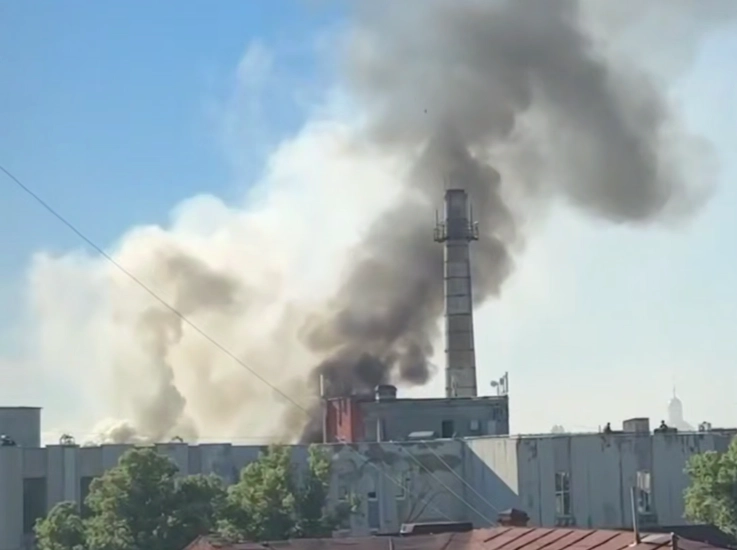
Following this, on Wednesday, Ukrainian drones set the St. Petersburg Oil Terminal on fire and hit a guided missile frigate in drydock in the adjacent naval base Kronshtadt, according to army-released footage.
Other strike packages reportedly hit an arms manufacturing facility in the central Russian city of Tambov and a Russian-operated military air base in occupied Crimea.
You can also highlight the text and press Ctrl + Enter