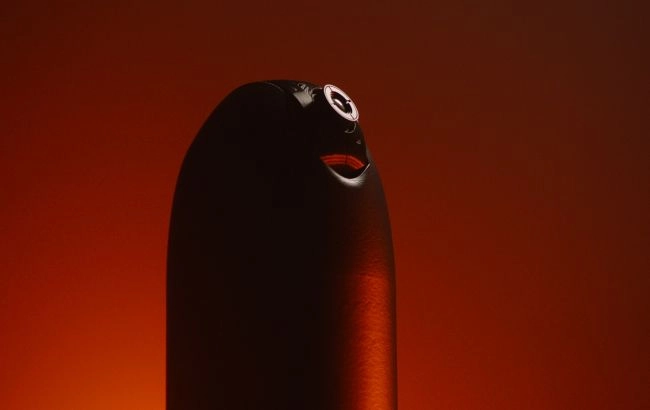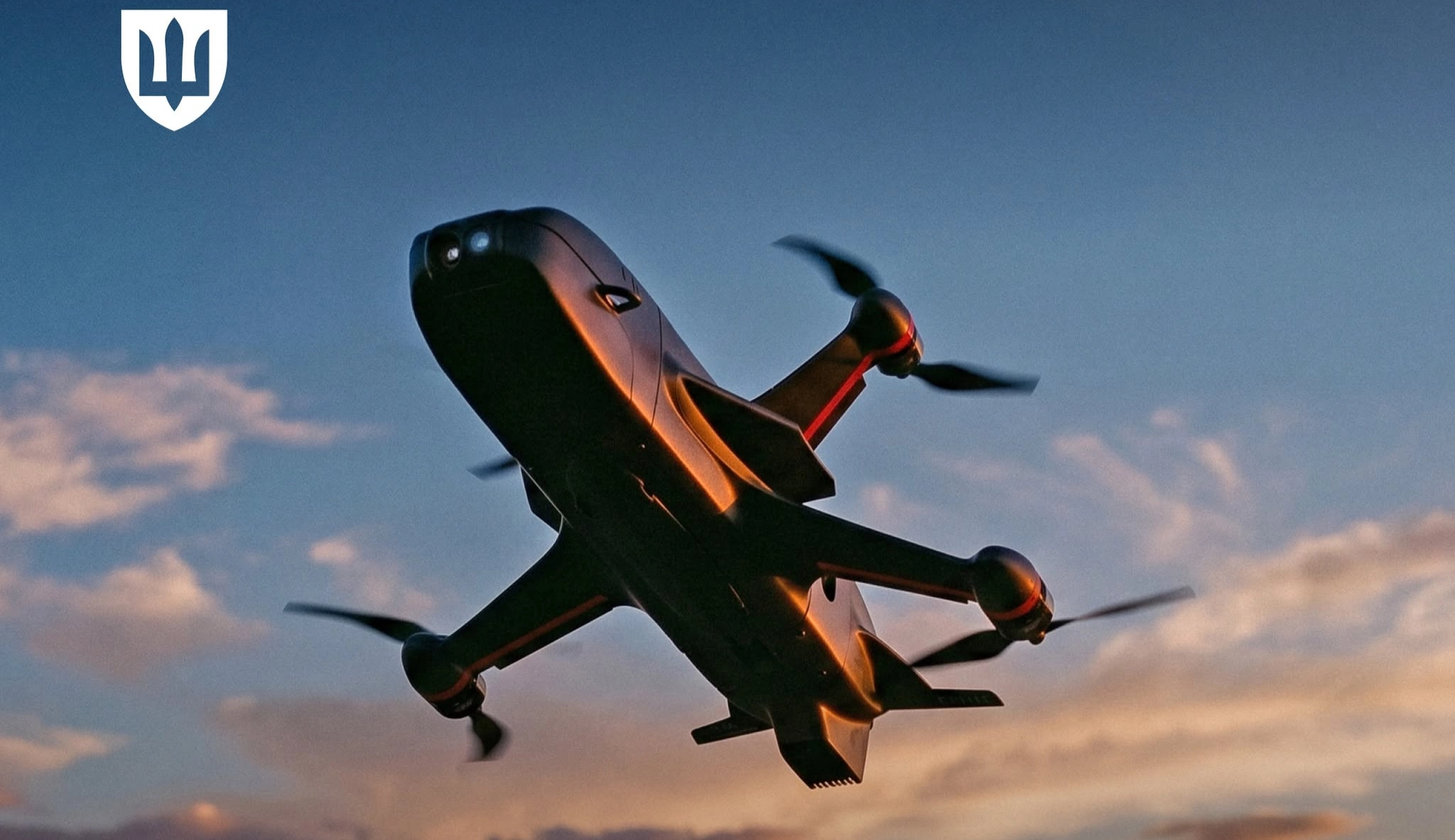
Ukraine’s defense ministry published details of the LITAVR interceptor drones on Monday.
The LITAVR, made by Ukrainian company F-Drones, is capable of pursuing aerial targets at speeds of up to 350 km/h (217 mph) and destroying them using an automated targeting system, according to the ministry’s update.
JOIN US ON TELEGRAM
Follow our coverage of the war on the @Kyivpost_official.
Designed to engage both airborne and ground targets, the ministry said LITAVR is one of the latest additions to Ukraine’s rapidly expanding unmanned systems arsenal.
The ministry said the drone’s development began in fall 2024 and was tested and codified in the summer of 2025. Serial production and deliveries to the military started in fall 2025, and the system is listed in the closed Brave1 (BraveMarket) catalog, where units can request it.
The ministry also boasted of the drone’s domestic nature.
“The manufacturer, F-Drones, independently develops software, electronics, and its own engines, governors, and flight controllers, consistently reducing dependence on Chinese components,” the update says.
Performance characteristics
The drone’s declared maximum speed is 350 km/h (217 mph).
According to the manufacturer, it has:
- An operating radius of 40 km (25 miles)
- A maximum altitude of 9 km (close to 30,000 feet)
- Daytime and thermal imaging cameras
- A proprietary non-GPS navigation system
However, operators from Ukraine’s Unmanned Systems Forces (USF) reportedly recorded a flight exceeding 80 km (50 miles) from the launch point, surpassing the stated range.
The drone can switch between optical and thermal cameras during flight, allowing operators to adapt to changing weather, visibility, and combat conditions.

Ukraine Approves National Pantheon Law to Honor State Builders, Military Leaders and Cultural Icons
How does the automatic targeting system work?
One of LITAVR’s key features is its Last Mile (Pixel Lock) automatic guidance system.
According to the update, the technology identifies and locks onto a target before initiating the final attack sequence. During this stage, the operator only controls the drone’s speed, while the guidance system manages target tracking and interception.
The drone is also integrated with radar systems through the LARAG software suite, which supports operators during missions.
The system is backward compatible with the company’s older drones, the update says, adding that both hardware and software updates can be done free of charge to enable the Last Mile system.
H2: Can it be operated remotely?
The drone can be controlled remotely “hundreds or even thousands of kilometers from the interception point,” according to the ministry.
The means of communication to control the drone were not specified.
If a target is not detected, the operator can switch the initiation board into safe mode and return the drone to base, the update says.
What type of warhead does it use?
The drone has a nose-mounted warhead, with two configurations:
- An empty container that military units can equip with explosives on site
- A ready-made warhead supplied as part of the system and carrying a NATO classification code
Ukrainian interceptor drones target Shaheds
Ukrainian interceptor drones are already autonomously downing Russian Shaheds, Defense Minister Mykhailo Fedorov said on Monday.
According to him, systems developed within the Brave1 platform automate up to 95% of the interception process, from launch to target destruction. The technology has undergone combat testing in the Kharkiv region.
Once launched, the interceptor can track, identify, and engage targets with minimal operator control.
Fedorov said autonomy is a key direction in modern air defense development, enabling faster responses to large-scale drone attacks to help protect Ukrainian cities.
The minister added that Ukraine is scaling up combat-proven systems, with the strategic goal of reaching a 95% interception rate.
He also said the share of Shaheds destroyed by interceptor drones has doubled in the past four months, even as Russia increases drone launches by around 35% monthly.
You can also highlight the text and press Ctrl + Enter

Russia Hit by 660-Drone Overnight Barrage Targeting Moscow, Crimea and Key Military Sites