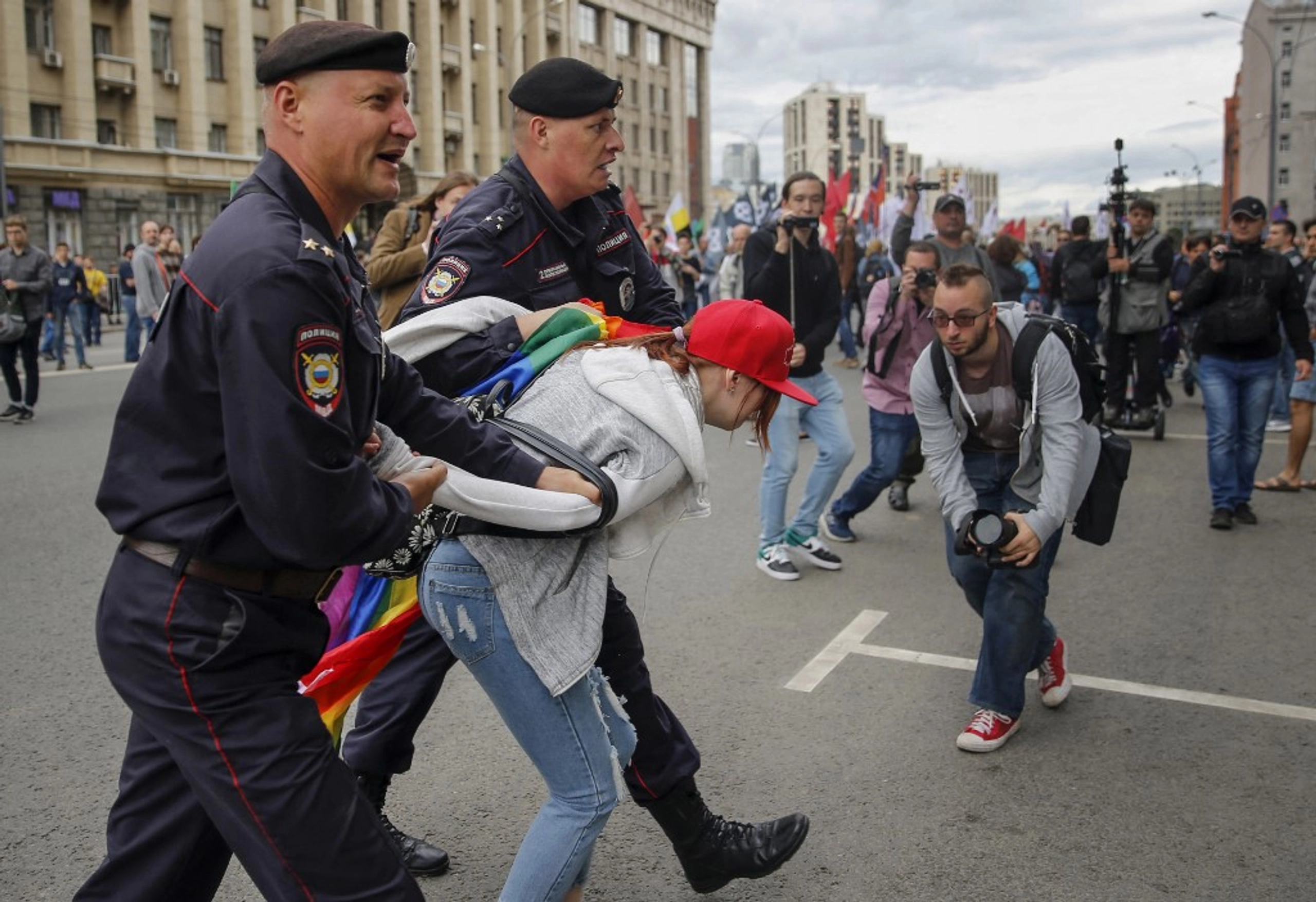
Criticism of Russia’s war against Ukraine, calls for sanctions, or any other action the Kremlin deems a threat to its interests could soon cost Russian citizens their homes, bank accounts, and other assets.
According to the Russian independent media outlet Meduza, Kremlin leader Vladimir Putin signed a new law that would enable authorities to seize the property of citizens living abroad for a wide range of so-called administrative offenses committed “against the interests of the Russian Federation.”
JOIN US ON TELEGRAM
Follow our coverage of the war on the @Kyivpost_official.
International and independent media reports that the law, set to take effect on Sept. 1, will target Russians who left the country but challenged official narratives or were vocally against the war.
Grounds for property seizure include “discrediting” the Russian army, calling for sanctions against Russia, distributing “extremist” materials (a deliberately vague term – for example, LGBTQ+ rights are banned in Russia due to being seen as ‘extremist’), “promoting Nazi symbols,” failing to pay fines for such offenses and publicly equating Soviet leadership with Nazi Germany.
Insulting the head of state or other officials, violating foreign-agent rules, spreading “fake information” and participating in “undesirable” organizations also fall under the expanded list of trigger offenses.
The law allows for assets to be seized as a “precautionary measure,” even before a final court ruling is issued. In practice, this means that property can be frozen and remain under restriction until any imposed fine is paid.
Hungary Rejects EU Plan to Exclude Ukrainian Men of Military Age From Temporary Protection
Notably, the value of seized property does not have to be proportionate to the size of the fine, opening the door for apartments, houses or substantial savings to be taken over relatively minor alleged violations.
While Russian courts have already been imposing administrative fines on citizens outside of Russia, this law formalizes the state’s financial tools, giving authorities clear legal mechanisms to go after the domestic assets of exiled citizens, even if they have not returned to Russia.
Reportedly, if a citizen residing abroad cannot be notified about the initiation of proceedings, courts are instructed to appoint a defense lawyer to represent them. Should the case later be dismissed, the lawyer’s fees are to be reimbursed from the federal budget.
According to the explanatory note accompanying the document, the measure is aimed at Russians who, after leaving, engage in activities “contrary to Russia’s territorial integrity and constitutional order.”
The new law comes amid recent reports of Russia’s economic pressures and major troop losses on the battlefield. Ukraine’s Foreign Intelligence Service has reported that, amid acute labor shortages, the Kremlin is increasingly relying on retirees and people nearing retirement age to fill gaps in various industries, including healthcare and logistics.
At the same time, Moscow is widening the legal sanctions it can deploy against critics beyond its borders, signaling that the cost of dissent for Russians may no longer be confined to criminal cases in absentia, but could soon reach directly into their homes and bank accounts.
You can also highlight the text and press Ctrl + Enter

Russia Hit by 660-Drone Overnight Barrage Targeting Moscow, Crimea and Key Military Sites