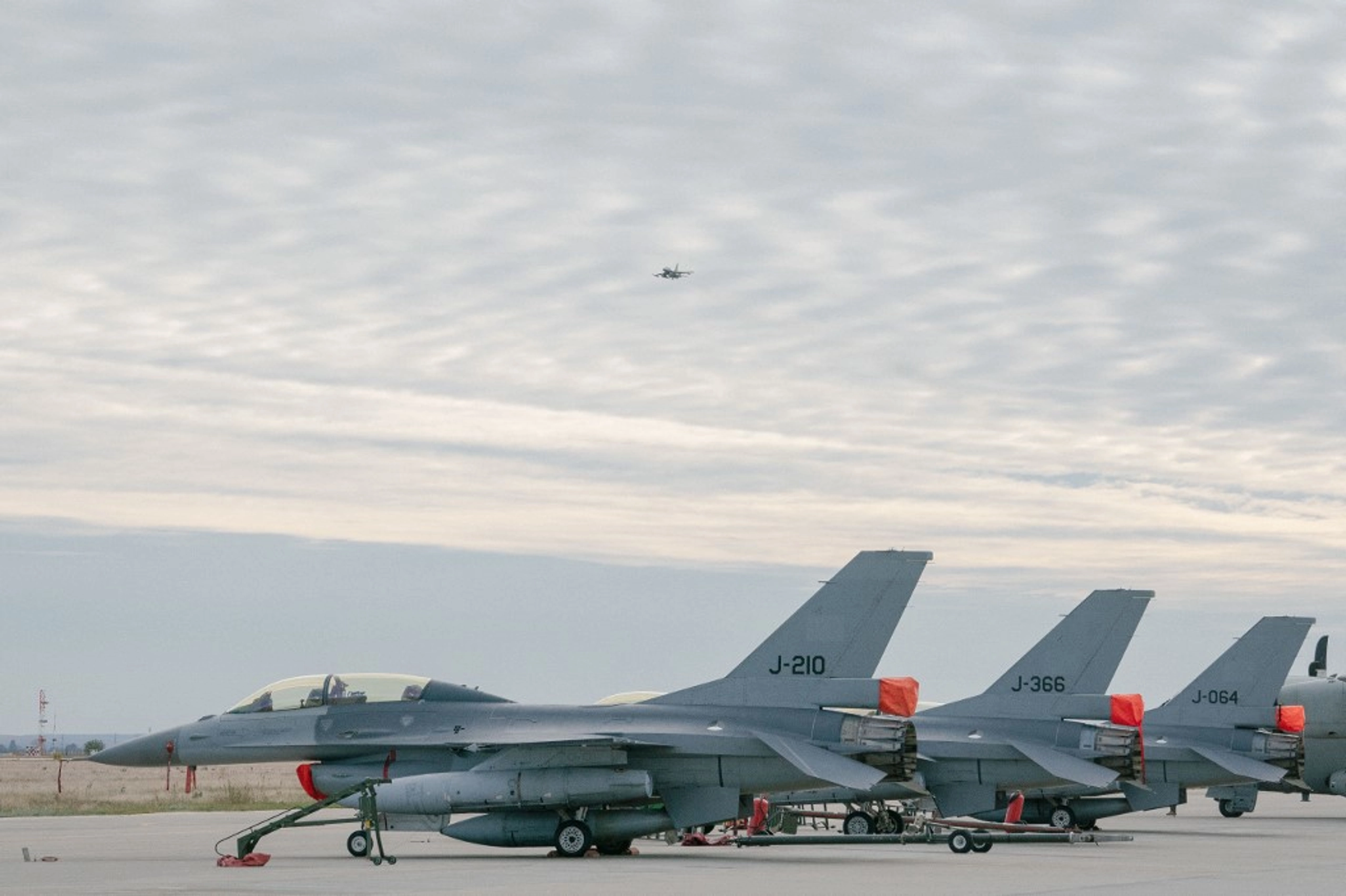
The United States plans to slash the number of fighter jets and warships it provides to NATO in Europe, the New York Times reported on Thursday.
The reported cutbacks come as European nations race to bolster their defense capacities since Russia’s full-scale invasion of Ukraine in 2022 sparked fears that Moscow could attack a NATO country.
JOIN US ON TELEGRAM
Follow our coverage of the war on the @Kyivpost_official.
US President Donald Trump has called the alliance a “paper tiger” and its members “cowards” in frustration that they have not joined the US-Israeli war against Iran.
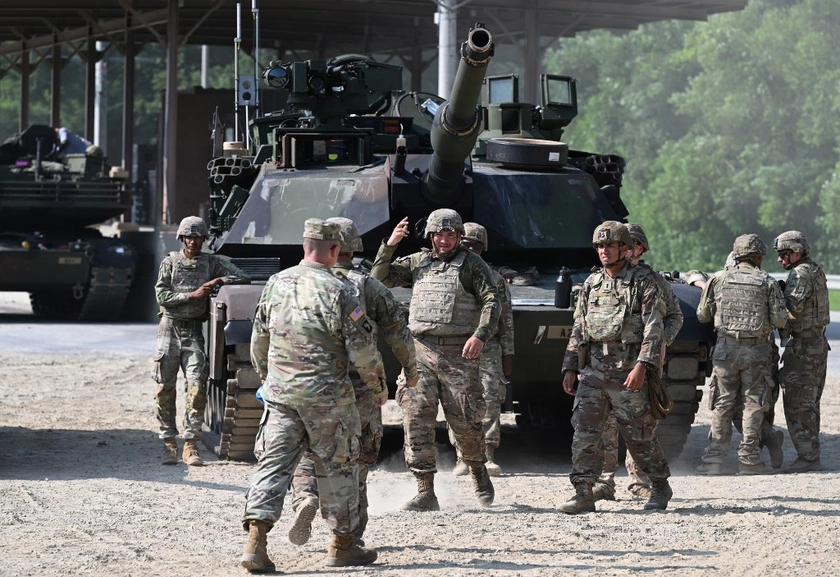
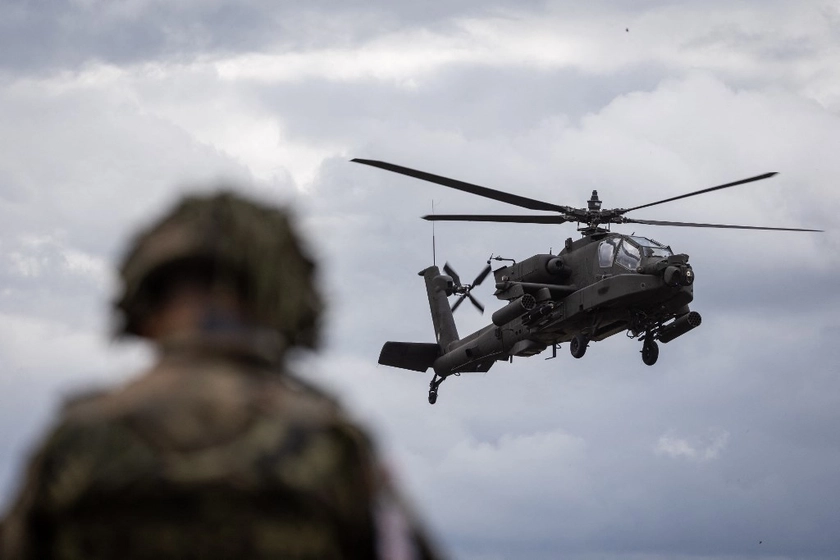
Washington plans to reduce the number of fighter jets it supplies to Europe by one third, cut all eight aerial refueling tankers and reduce maritime reconnaissance aircraft, the New York Times reported, citing two unidentified senior European officials.
Other assets to be reallocated include a missile-launching submarine, an aircraft carrier, a group of bomber aircraft and several jets and warships.
AFP has contacted the Pentagon for comment.
The US European Command said this month that it would reassess Washington’s contributions to NATO to “ensure Europe takes primary responsibility for its own conventional defense.”
US General Alexus Grynkewich accused Europe of “an unhealthy co-dependence” on US forces.
The 32-member NATO bloc was founded in 1949 and its collective security is based on the principle that if one member is attacked, the entire alliance comes to its defense.

Infantry Up Close, More and Better Bombardment, Helping America ‘Win’
US Secretary of State Marco Rubio said last week that Trump will attend a NATO summit in Turkey in July. Rubio described it as “probably the most important meeting in NATO’s history, because there’s some things that need to be cleared up and fixed.”
You can also highlight the text and press Ctrl + Enter

Russia Hit by 660-Drone Overnight Barrage Targeting Moscow, Crimea and Key Military Sites