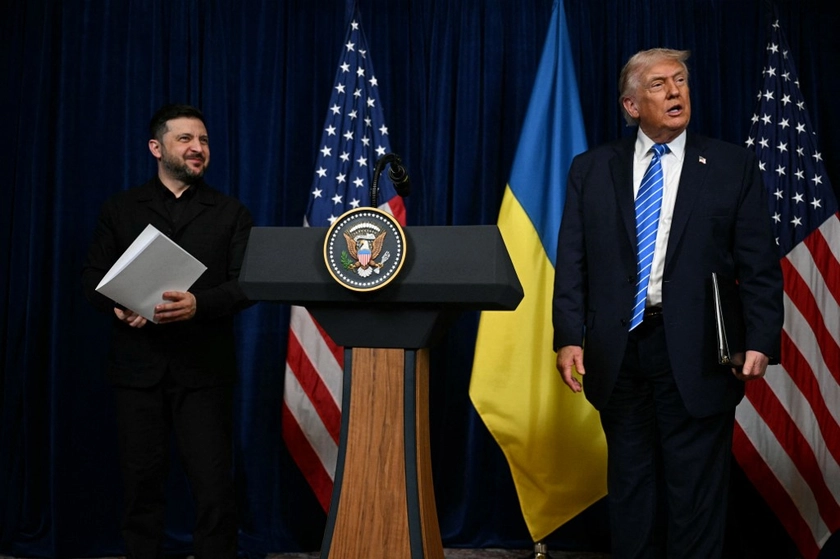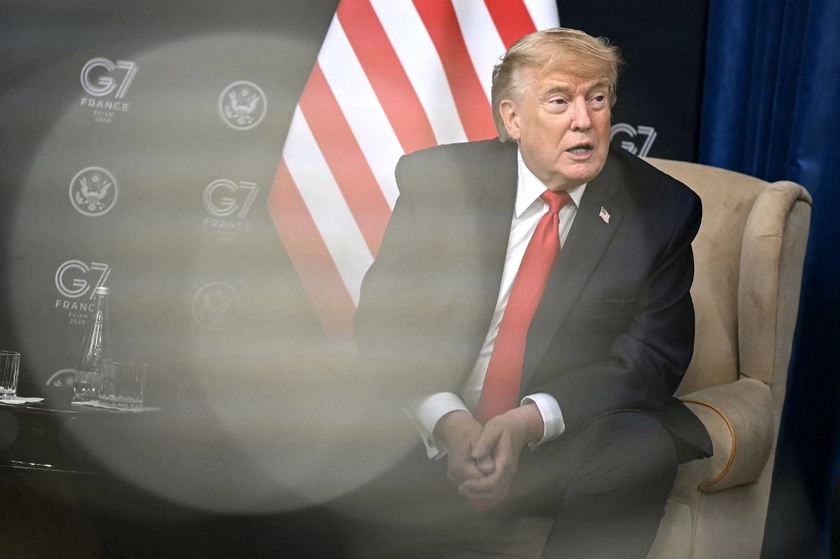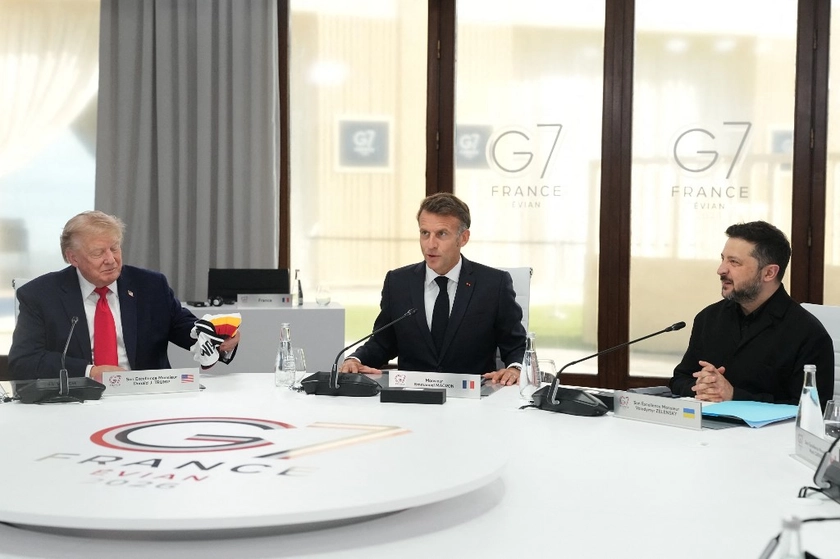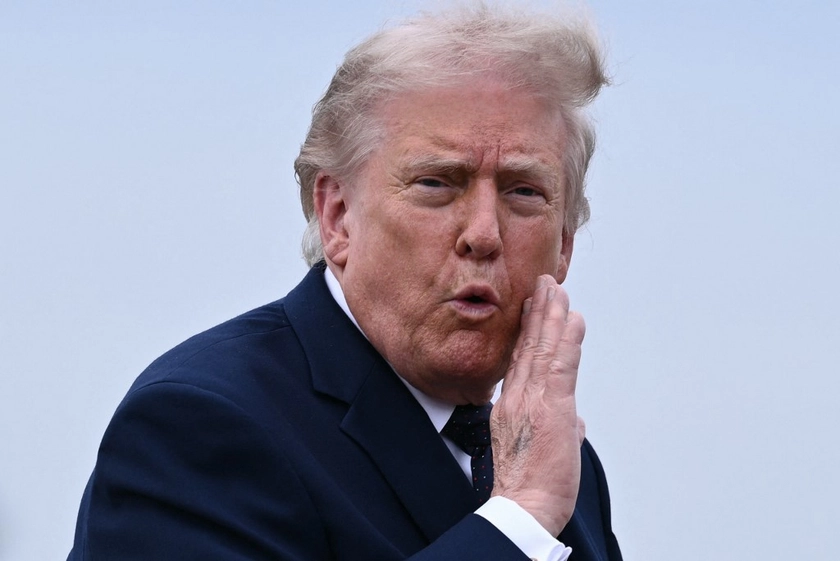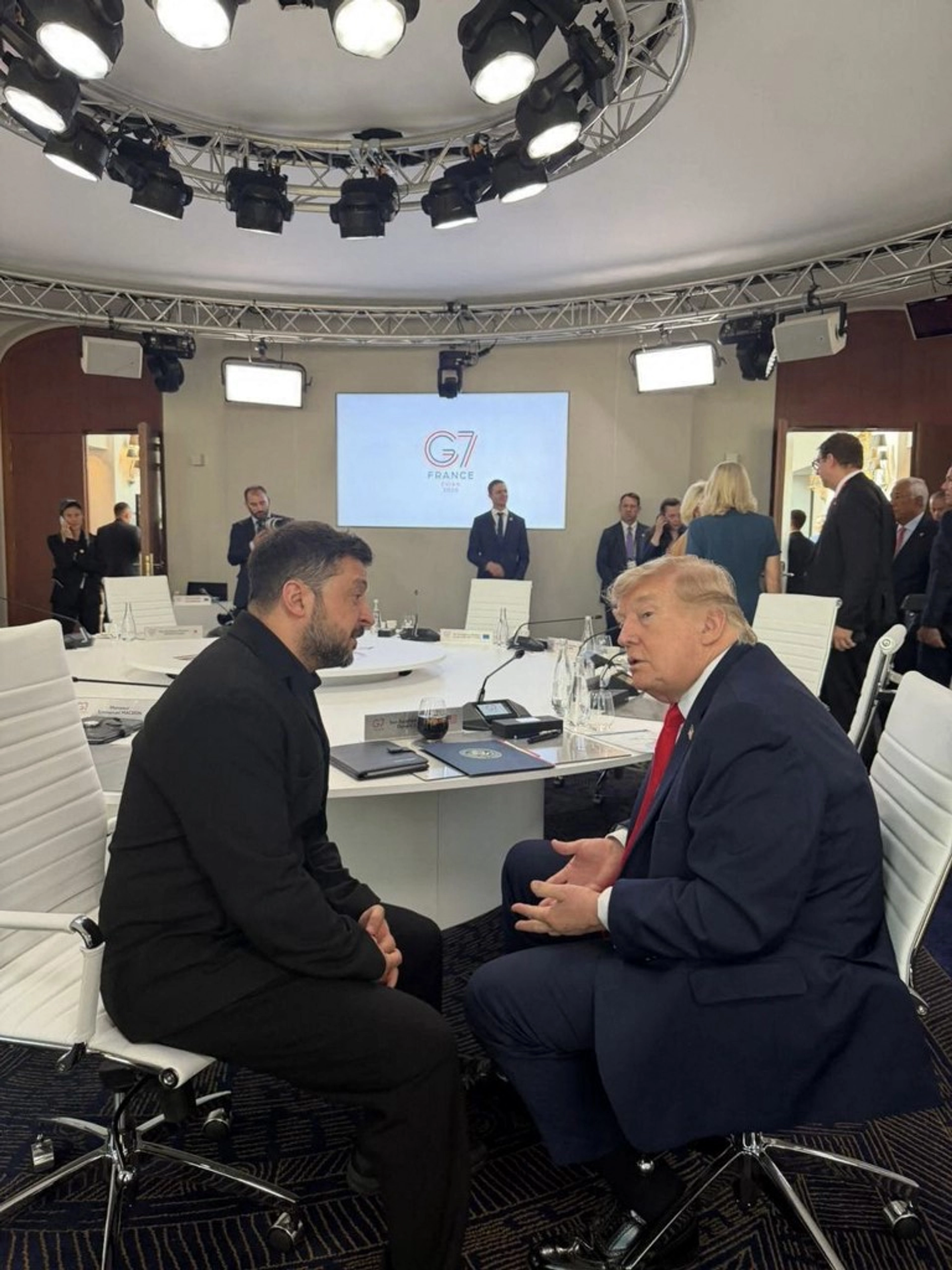
Ukraine is seeking US approval to manufacture anti-ballistic missile systems and interceptors domestically, President Volodymyr Zelensky said following talks with US President Donald Trump.
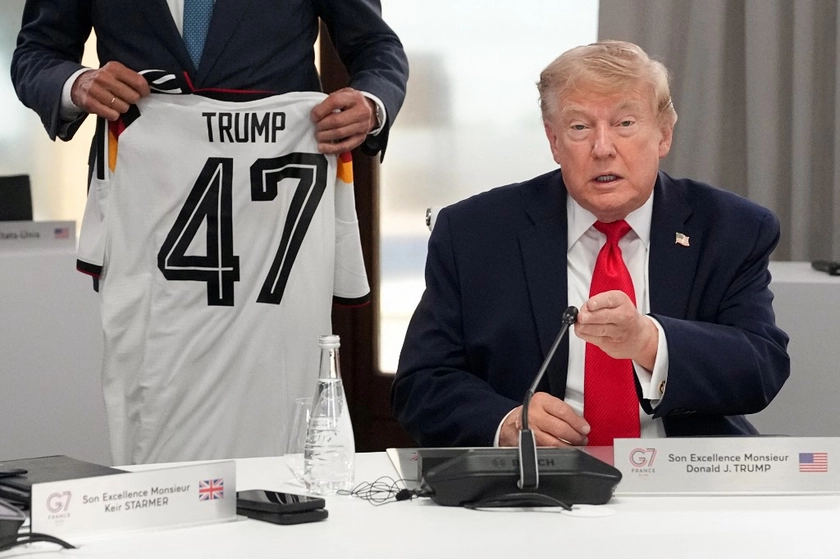
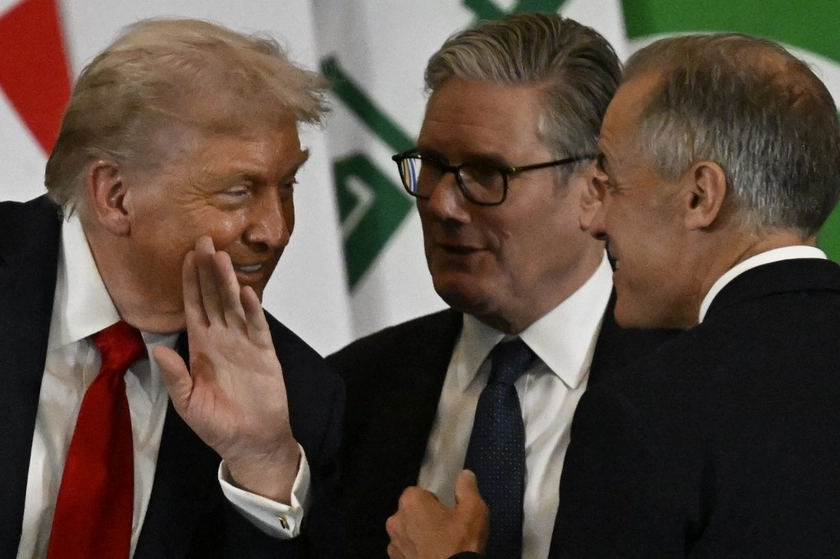
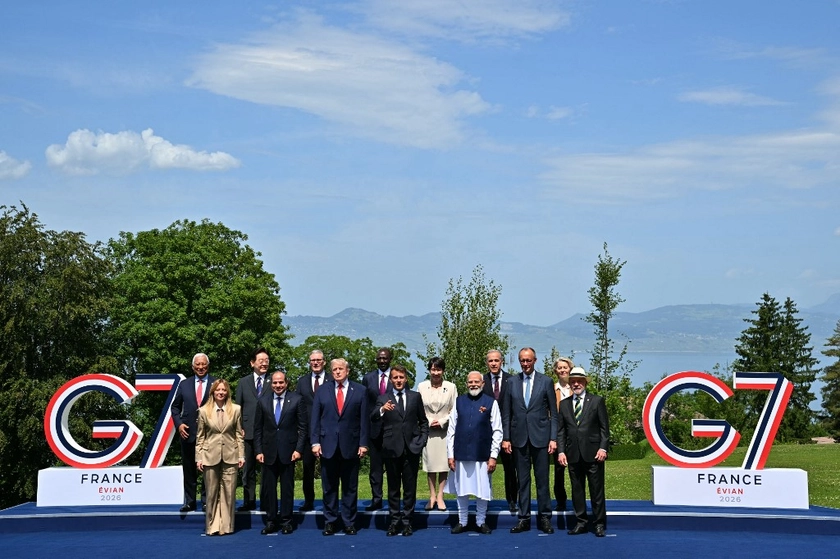
Speaking to reporters after meetings with Group of Seven (G7) leaders on Tuesday, Zelensky said the issue was discussed directly with Trump on the sidelines of the summit in France.
JOIN US ON TELEGRAM
Follow our coverage of the war on the @Kyivpost_official.
“Our teams will continue working on this,” Zelensky said. “God willing, this time we will succeed in obtaining licenses to produce the relevant anti-ballistic systems and missiles.”
However, he did not disclose which systems were under discussion.
The issue was among key topics on the second day of the summit, where Zelensky took part in a session titled “Building Peace and Security for Ukraine and for Europe.”
The remarks came as Zelensky described broad support from G7 leaders for Ukraine, alongside renewed commitments to strengthen the country’s air defenses.
All G7 nations condemned Russia’s latest strikes on civilian infrastructure and expressed support for increasing pressure on Moscow, Zelensky said.
“Everyone believes the war must be stopped,” he said. “Everyone sees that Russia has no desire to end it and is simply playing games.”
The Ukrainian leader added that discussions focused heavily on expanding Ukraine’s air defense network, including additional systems and interceptor missiles.
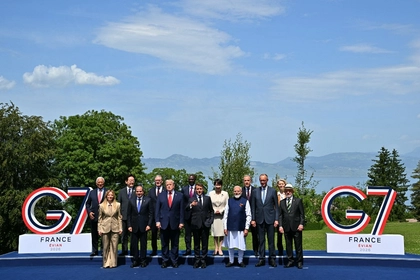
G7 Powers Push Russia to End Ukraine War
“All of the G7 will work on strengthening our protection,” he said.
Zelensky said Trump had responded positively to the request for additional missiles for the Patriot systems, but had not publicly confirmed that a final decision had been made.
Speaking to journalists on the sidelines of the summit, Zelensky noted that one of the main challenges remains the limited production capacity for such missiles.
“First of all, he [Trump] was very positive about the fact that they can help us more with missiles,” Zelensky said. “And this is indeed a major challenge, because production isn’t as high as our needs. Production takes place in the US.”
Further support
Beyond military assistance, Zelensky outlined what he described as a future “winter package” designed to help Ukraine navigate another heating season under continued Russian attacks on energy infrastructure.
The proposal includes funding for physical protection of energy facilities, expanded air defense coverage, and emergency supplies of diesel, gasoline, and natural gas in the event of further attacks on Ukraine’s energy sector.
“If the war is not over by winter and shortages emerge, all our partners will support us,” Zelensky said.
He added that leaders from Canada, Germany, Japan, and other countries had expressed support for the initiative.
Zelensky also said EU officials reaffirmed support for Ukraine’s membership bid and expressed confidence that accession negotiations would continue despite the ongoing war.
“Everyone recognizes that Ukraine has fairly earned the opening of negotiation clusters,” Zelensky said.
The president additionally highlighted growing international interest in Ukraine’s drone warfare expertise, saying Kyiv and Ottawa were working on what he described as a potential “drone deal.”
“We already see how our long-range sanctions are affecting Russia,” Zelensky said, referring to Ukrainian drone strikes against Russian energy infrastructure. “They have serious problems.”
His comments came as one of Russia’s largest oil companies, Tatneft, introduced temporary fuel purchase limits at gas stations across the country following months of Ukrainian attacks on Russia’s refining sector.
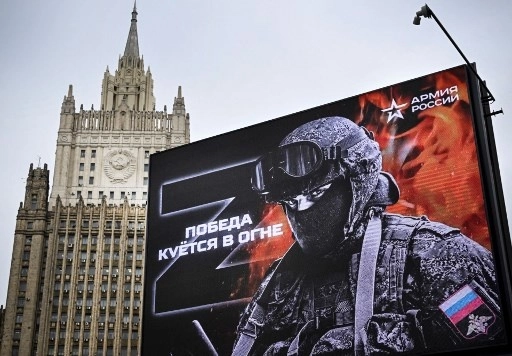
While the Kremlin has continued to reject calls for a ceasefire, Zelensky said G7 leaders broadly agreed that Moscow must face increased pressure if it refuses to end the war.
“Everyone recognizes that Russia needs to end this war urgently,” he said. “Otherwise, support for Ukraine will only increase.”
You can also highlight the text and press Ctrl + Enter

FACT-CHECK: Is Donald J. Trump Truthful About Ukraine?
OPINION: Crimea Cuts, St. Pete Double Tap, Boats Bashed
Oleksandr Usyk Meets Donald Trump at the White House