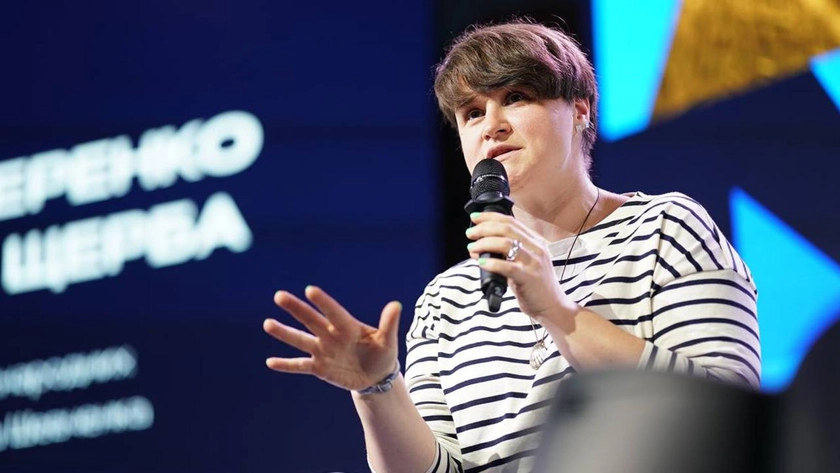
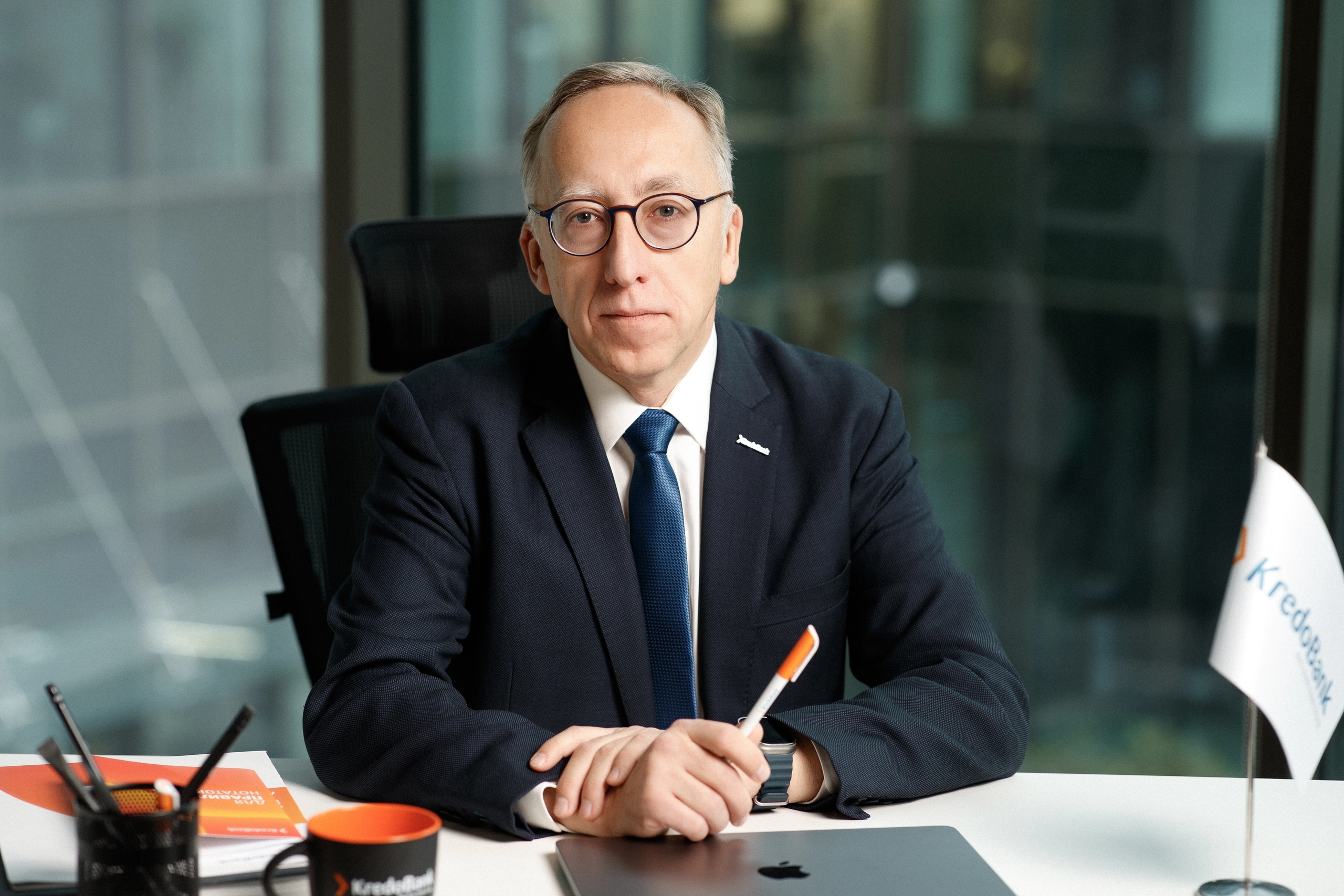
On June 25-26, Gdańsk will host the Ukraine Recovery Conference. Kyiv Post spoke with Jakub Karnowski, president of KredoBank and a lecturer at the Warsaw School of Economics (SGH), about what lies behind the concept of “recovery” and the state of Polish-Ukrainian economic relations.
JOIN US ON TELEGRAM
Follow our coverage of the war on the @Kyivpost_official.
Michał Kujawski: What lies behind the term “Ukraine’s recovery”? It seems that it does not literally mean rebuilding what has been destroyed.
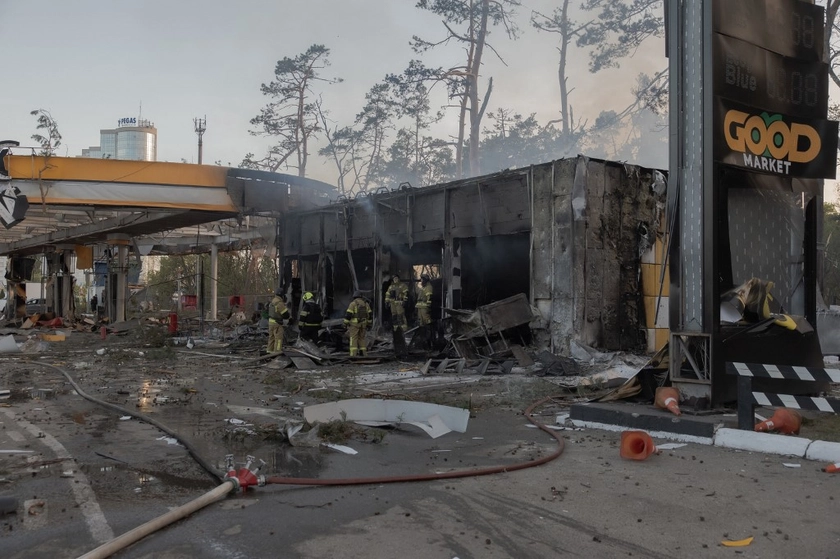
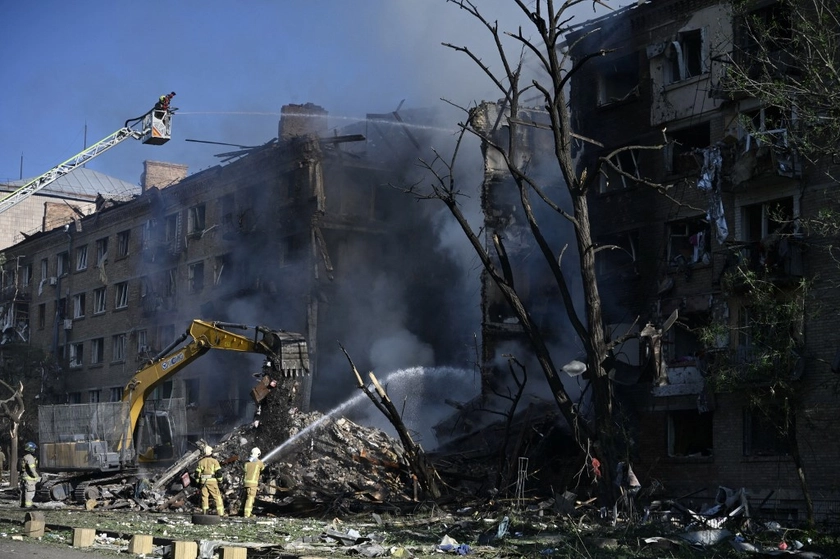
Jakub Karnowski: Reconstruction usually begins when destruction ends. However, we still do not know when the war will end or under what conditions. We continue to witness barbaric attacks on Kyiv, such as the one at the end of May, which began during the final hours of Polish Finance Minister Andrzej Domański’s visit to the Ukrainian capital. During that visit, among other things, the issue of reconstruction was discussed. At the time, we did not yet know that the Chornobyl Museum, destroyed that very night, would also have to be rebuilt.
At both the Warsaw School of Economics (SGH) and KredoBank, we often discuss what reconstruction actually means – whether it is better described as recovery or reconstruction. It is obvious that what has been destroyed will not be rebuilt on a one-to-one basis. Ukraine faces a massive demographic challenge, and its economy is changing as well. Recovery also means adapting to new realities. The Ukraine Recovery Conference in Gdańsk is part of this broader debate.
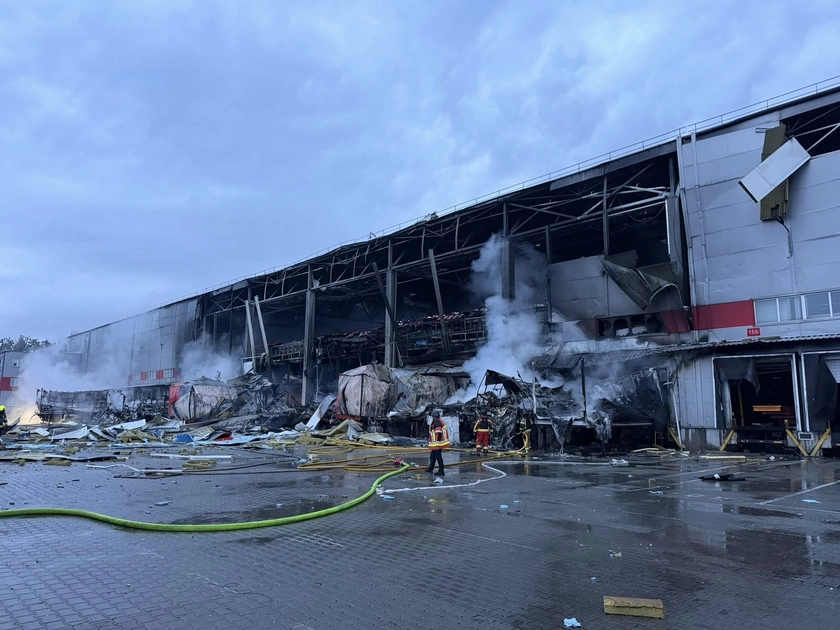
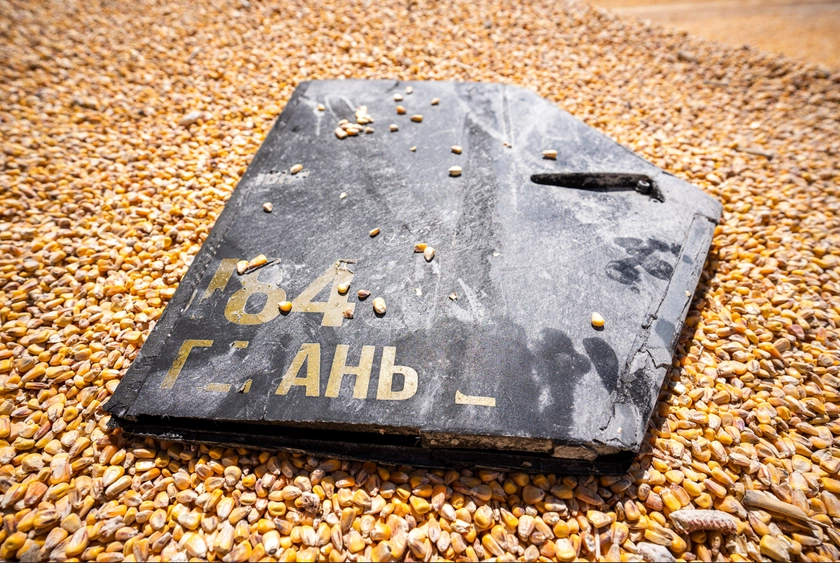
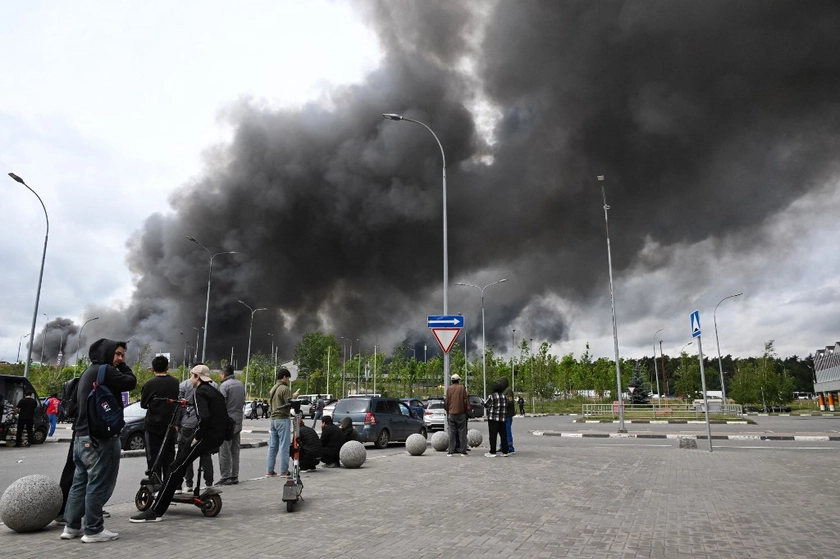
Russian Drones Hit Multiple Ukrainian Food, Grain and Delivery Firms Within Days
Which direction is the Ukrainian economy heading in?
It is moving toward Europe. Ukraine and Europe need each other, and this is not a matter of romanticism. Let us look at Poland and where it stands today. We have seen enormous benefits from EU membership, and I am not referring only to direct transfers, for example to agriculture, but also to the organization of the state and access to the European market. These changes have generated significant benefits for everyone.
Even the large-scale migration of Poles to Western Europe proved beneficial. Today, many of those people are returning to Poland, bringing with them experience and know-how. Their children are accustomed to living in competitive economies and democratic societies. The sum of all these factors is Poland’s economic success. Ukraine has an opportunity to benefit in a similar way.
The process works both ways. Sticking with the Polish example, Polish entrepreneurs will also benefit. Regardless of when and under what conditions Ukraine joins the EU, the entire convergence process generates long-term benefits spread over many years.
Polish companies will benefit from Ukraine’s recovery, although not every sector will benefit equally.
Today, Poland is already benefiting, as exports to Ukraine are roughly three times higher than imports.
German and French companies benefited in a similar way when Poland joined the EU. At the time, there were many fears in Western Europe about a flood of Polish immigrants, and those concerns were exploited by far-right political forces. However, those forces were weaker then than they are today.
To sum up, Polish companies will benefit from Ukraine’s recovery, although not every sector will benefit equally.
How should we understand the word “recovery”? Investment in many sectors remains slow. The war is one reason, but labor shortages are another. Recovery seems to imply modernization as well, including softer elements such as legal reforms. Simplifying regulations, for example, can be done today.
And it is happening. However, it is easier to change laws than to change how they are enforced, especially in post-communist countries. Ukraine was part of the Soviet Union; Poland was fortunate not to be, although it was, of course, part of the Eastern Bloc.
The Soviet Constitution was arguably the most liberal constitution in the world on paper, granting citizens virtually every right imaginable. In practice, reality was entirely different. Changing laws is the easiest part.
That said, Ukraine has been undergoing reforms since 2014, with a notable acceleration in 2016 and 2017. Those reforms also helped Ukraine defend itself. This does not mean there are no problems – scandals continue to emerge from time to time. On the other hand, Ukrainian cities are experiencing something that European cities have not seen since World War II.
Russia’s attacks and bombardments represent what Anne Applebaum calls a “war of worlds” – a conflict between the world we know, with all its strengths and weaknesses, and Moscow’s world, which resembles what Stalin once built.
Which sectors of the Ukrainian economy have the greatest need for investment?
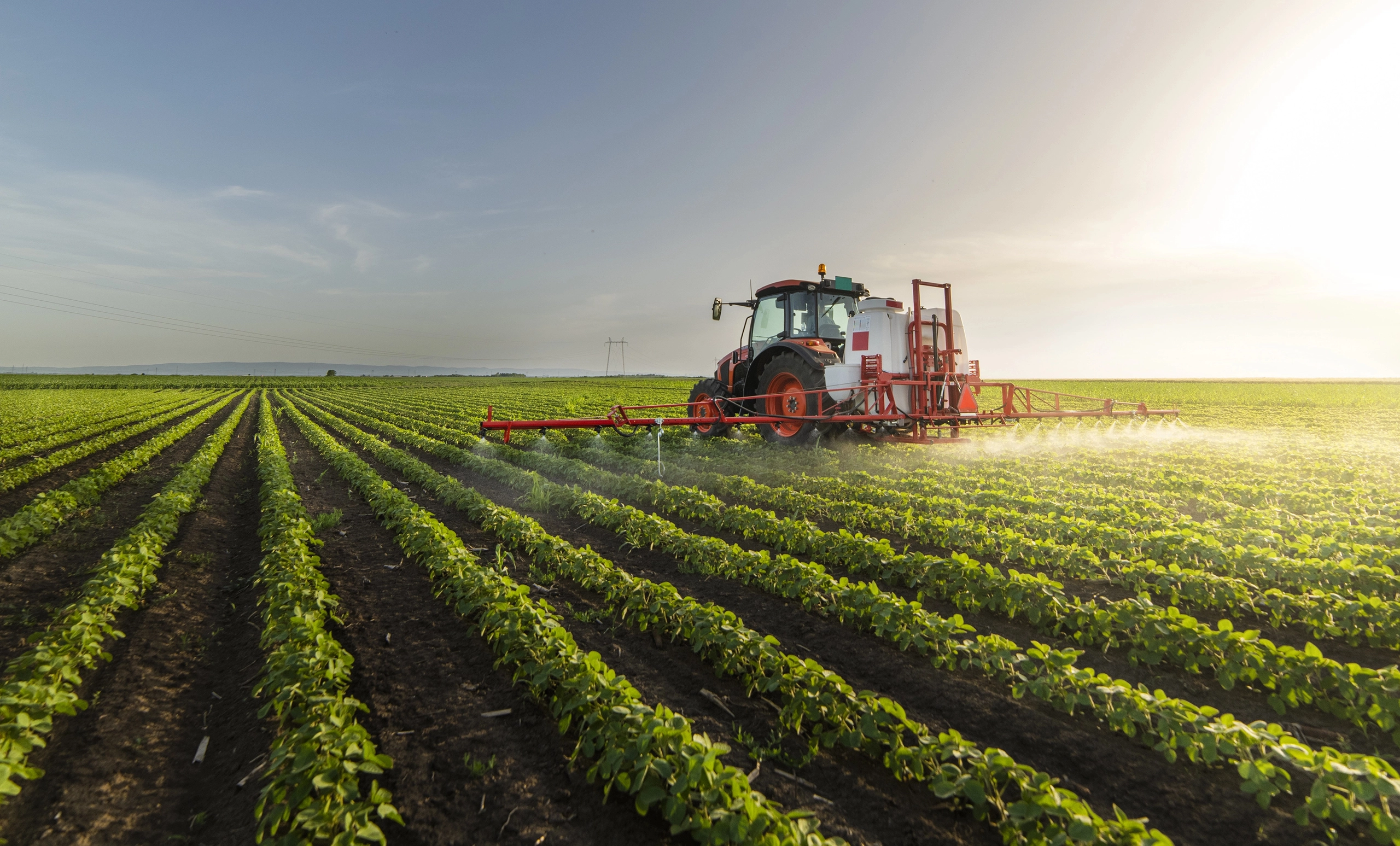
Agriculture is certainly one of them, although it also generates many concerns. Ukraine’s agricultural sector is dominated by highly competitive large-scale agribusiness conglomerates. We need to consider both the benefits for consumers and the costs that producers will have to bear.
EU integration and the resulting changes in agriculture present enormous opportunities for European food processors. Competition always brings both opportunities and risks.
Some of those large agricultural conglomerates are already owned by Western European entities.
That simply shows how a free market works. It is also worth paying attention to the IT sector, logistics, and defense manufacturing, all of which are developing rapidly.
It is easier to change laws than to change how they are enforced.
The debate about support for Ukraine often focuses on military aid and resource transfers. Yet we increasingly see cooperation based on joint ventures and commercial partnerships. Has the public debate fallen behind reality?
Yes, it has evolved. Of course, we can only discuss what we know, and the defense industry is not fully transparent. Recently, we have witnessed Ukraine’s ability to produce large numbers of highly effective drone systems capable of operating deep inside Russia. Many of the manufacturers are private companies.
Their production capacity and product quality are attracting considerable international interest. Ukraine is keeping pace with change, unlike the old Russian-Soviet generation of generals. It is becoming an attractive partner for countries such as the Gulf states threatened by Iran and for Scandinavian nations.
Once the war ends permanently, Ukraine will be able to commercialize the know-how it has developed in this sector. Ukraine is no longer merely a recipient of security assistance. It is increasingly becoming a provider of security as well. That is added value.
When discussing cooperation with Ukraine, we mostly focus on sectors with relatively low wartime risk – trade, services, and so on. We hear much less about strategic investment.
That is simply the nature of the situation. As long as Putin can destroy buildings in central Kyiv, he can destroy almost anything else. That is the essence of Russian terror.
Investing in the expansion of ports, for example, involves enormous risks, and risk translates directly into cost. Strategic investments will accelerate once Russian missiles stop flying. Finance, and particularly banking, is a different matter because it affects the entire economy.
Since 2022, Ukraine’s financial sector has demonstrated remarkable resilience.
That is true, and it has not changed. KredoBank, a member of PKO Bank Polski, has generated solid profits throughout the full-scale invasion. Not long ago, we received an award from a well-known media group Focus.ua, recognizing us as Ukraine’s most reliable bank, which we are proud of.
This demonstrates that the sector is functioning well. Many people feared otherwise in 2022. The war affects us too, however. After every major nighttime attack, we assess its impact on our operations.
Just as drones and missiles are Russia’s kinetic weapons against Ukraine, cyberattacks are among the tools used against KredoBank. We face such threats far more frequently than most banks operating elsewhere in Europe. Our resilience against these challenges gives us objective reasons to be proud.
How do you see Ukraine’s banking sector developing in the future?
We can once again look at Poland’s experience and the development of its banking and insurance sectors over the 36 years since the democratic transition.
Ukraine can benefit from Polish know-how in areas such as privatization and institutional organization.
Poland and Ukraine will become increasingly economically interdependent.
The privatization of parts of Ukraine’s financial sector was recently unfrozen. Has anything happened as a result?
Generally speaking, very little. As a member of the Ukraine Expert Panel advising the President of the World Bank, and as someone who spent many years working at the World Bank, I can say that Ukraine has no alternative but to sell part of its state-owned assets.
There should be no stigma attached to the word “privatization,” especially if Ukraine intends to join the EU. Today, nearly 70% of Ukraine’s banking sector remains in state hands, making it vulnerable to political influence. We periodically witness various scandals, including corruption scandals, involving banks.
There is no alternative to selling banks to credible and reliable investors.
So foreign capital in the financial sector will continue to grow, while stability should be maintained?
The financial sector is extremely sensitive, and the entire economy depends on it. Privatization has been delayed because the war has dragged on longer than many expected. There were high hopes that it would end sooner.
Regardless of when the war ends, Ukraine must continue to develop. The financial sector must develop as well, and foreign investment is essential.
Years ago, the World Bank concluded that Poland’s financial system had proven to be a model during the 2008 financial crisis. A significant share of the market belonged to PKO BP – partly privatized but still state-controlled – which is also the owner of KredoBank. The remaining commercial banks were owned by financial institutions from other countries, mostly private but not exclusively.
Polish-Ukrainian economic relations continue to grow and remain stable. Political relations, however, can be much more volatile. How does politics affect business and the economy?
At this stage, only to a limited extent. As an economist, I can say that Poland and Ukraine will become increasingly economically interdependent.
In my view, day-to-day politics does not significantly affect economic relations. Individual incidents that receive widespread media attention have even less impact. They do not directly affect the economy. In civilized countries, such episodes do not have long-term consequences.
You can also highlight the text and press Ctrl + Enter

Zelensky Reveals Intercepted Intel From Putin’s Desk