The North Atlantic Treaty Organization’s (NATO) most important summit since its founding in 1949 will be held on July 7 and 8 in Ankara, Turkey. Ironically, NATO was created to deter Russian expansion in Europe, and yet Russia remains its biggest problem. But now it must also deal with US President Donald Trump’s waning support for the organization.
In June, he threatened to skip the summit in protest because his allies in NATO would not help him force Iran to open the Strait of Hormuz. However, NATO only defends the geographic region of its members: Europe, North America, and Turkey. But Trump’s grievance was also based on the fact that most NATO members haven’t pulled their weight in defense spending for years. “I just want their loyalty,” he complained. “We’re so loyal to them, we’re always fighting for them.”
JOIN US ON TELEGRAM
Follow our coverage of the war on the @Kyivpost_official.
Trump is a geopolitical loose cannon and represents an existential threat to NATO if his grievances are not addressed.
His hectoring about underinvestment in defense by Europe was correct and is being addressed, but his demand that NATO should declare war against Iran is irrational. Even so, the organization is rattled, and should be, because America has borne 70% of NATO’s post-war military costs. Washington also provided a significant portion of funding and military support during the initial years of Ukraine’s war against Russia. Now it provides weapons, and Europeans pay for them, and Trump has pushed NATO members to more than double their defense spending.
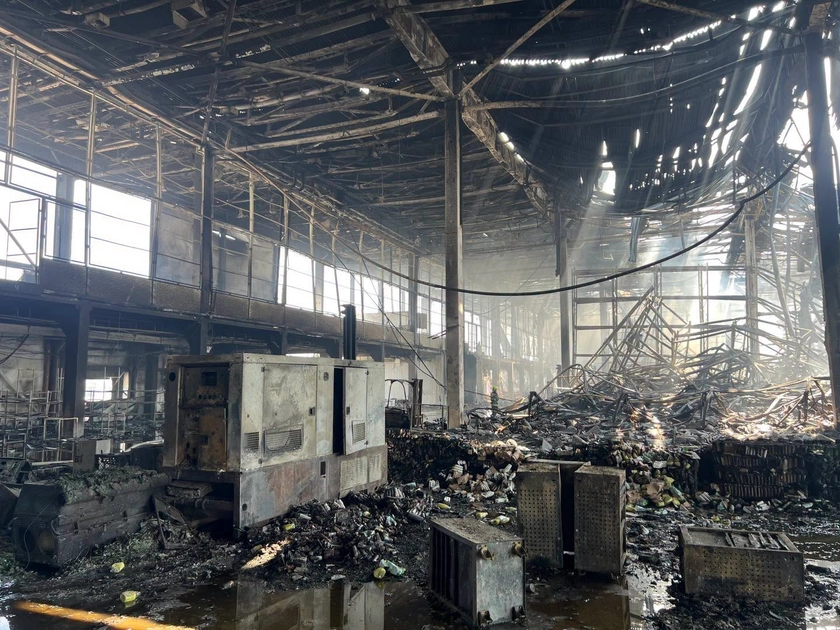
ERC and Moyo Warehouses Destroyed, Porsche Dealership Hit in Overnight Russian Strike on Kyiv
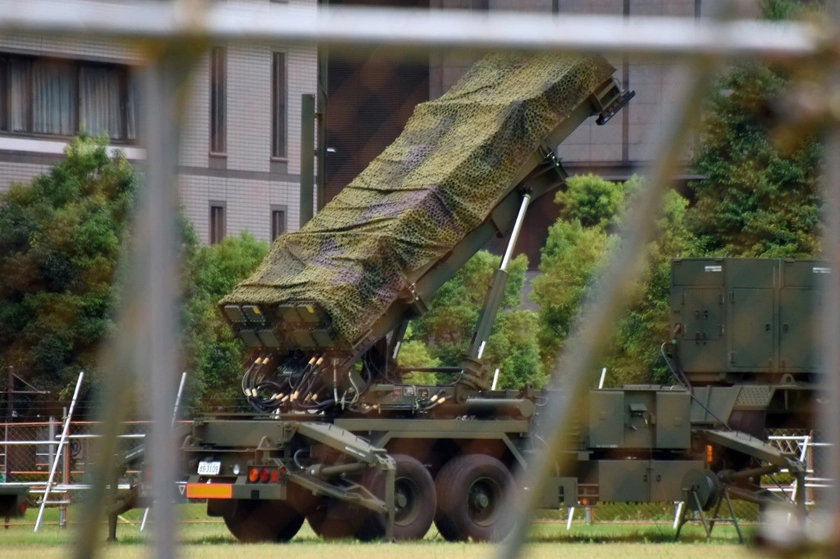
Even so, the alliance might be wise to pay attention to Trump’s request for help in reopening the Strait of Hormuz. It’s technically outside their jurisdiction, but to be fair, Iran’s blockade adversely affects Europe’s oil prices, economies, and security. A few have stepped forward, but Trump has started to draw down NATO deployments in Germany and Poland. The Pentagon also plans to reduce the number of fighter aircraft and destroyers, reconnaissance assets, and strategic bomber commitments allocated to Europe. Soon, 5,000 US troops will leave, and Trump’s Secretary of War, Pete Hegseth, has announced a review of all involvement in Europe.
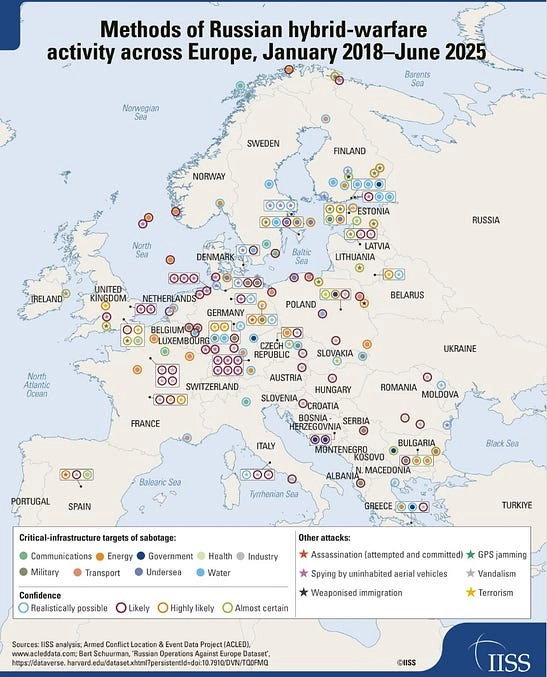
These issues will be addressed at the Ankara Summit, including the fact that warfare has changed and NATO must adapt. Russia fights Ukraine conventionally, but also wages increasingly intensive hybrid warfare against NATO members with cyberattacks, espionage, sabotage, disinformation campaigns, election interference, undersea cable attacks, and assassinations.
These incursions are currently below the threshold that would trigger Article 5 – an attack on one member is an attack on all – but failure to respond weakens the alliance and should be addressed. Russian President Vladimir Putin is testing and embarrassing NATO with these breaches, and allies must figure out how they can retaliate in kind without triggering full-scale war.
Fortunately, Trump’s NATO-bashing has made the alliance stronger. Secretary-General Mark Rutte estimated that since Trump’s first election, European governments have undertaken the largest military rearmament since the Second World War. He estimated that more than $1.2 trillion in additional European and Canadian defense commitments have been pledged as a direct result, which he dubbed “The Trump Trillion.”
However, NATO’S biggest challenge is not Russia nor the United States but Ukraine, which currently protects Europe’s eastern flank from its nemesis Moscow and still is not a member. Its accession was put on hold for years because of Putin’s threats and worries that the country would become a drain on the alliance. Even Ukrainians, a few years ago, voted against seeking NATO membership because of fear it would provoke Russia. But the current reality is precisely the opposite. Ukraine is not a drain on NATO but has built one of Europe’s greatest military assets, possessing combat experience, technological innovation and industrial flexibility unmatched anywhere.
Unfortunately, Ukraine won’t join NATO in the near future, even though its membership is both desirable and inevitable. That is because concerns remain: Even Kyiv in peace talks offered to abandon its NATO aspirations in return for binding international security guarantees to protect it against Russia. But while the war is underway, Europe and NATO need Ukraine like oxygen and vice versa. It’s a powerhouse and its military-industrial sector is bigger than all others in NATO, except America’s and Turkey’s.
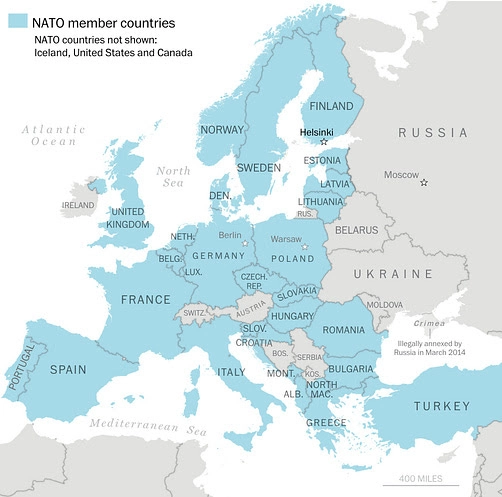
Unfortunately, NATO’s divisions and disagreements are music to Putin’s ears. He views NATO as a hostile bloc and the justification behind his invasion of Ukraine, Georgia, and Moldova. But his war has backfired, and NATO, with Ukraine and new members from Scandinavia, now encompasses a region that stretches from the Arctic to the Black Sea with the firepower to contain Russia. Besides that, Trump fusses but cannot unilaterally pull America out of NATO because he needs Congressional approval, which is nonexistent in terms of votes and polling among Americans.
Even so, Russia will continue to test NATO’s cohesion, which is why the Ankara summit should send three unmistakable messages. First, NATO remains united. Second, Europe is assuming greater responsibility for its own defense. And third, Ukraine is a key player within Europe’s long-term security architecture. Europe becomes stronger, and American strategic nuclear deterrence will underpin overall security. NATO’s objective is not to replace America, but to reduce excessive dependence upon it.
Some leaders propose NATO 3.0, which would require Europe to assume responsibility for all conventional defense in Europe, and involve the US as a critical backstop concerning intelligence and nuclear capability. This will require more retooling in Europe of defense production and guaranteed support for Ukraine. But as Turkey’s President Recep Tayyip Erdoğan said on the eve of the summit, NATO must remain united and must create a security and defense network stretching “from Texas to Ankara.” “We are in the midst of a period of uncertainty where tension is escalating instead of stability, chaos instead of order, predictability is decreasing, and no one can know what they will face in the morning.”
Reprinted from [email protected] – Diane Francis on America and the World.
The views expressed in this opinion article are the author’s and not necessarily those of Kyiv Post.
You can also highlight the text and press Ctrl + Enter