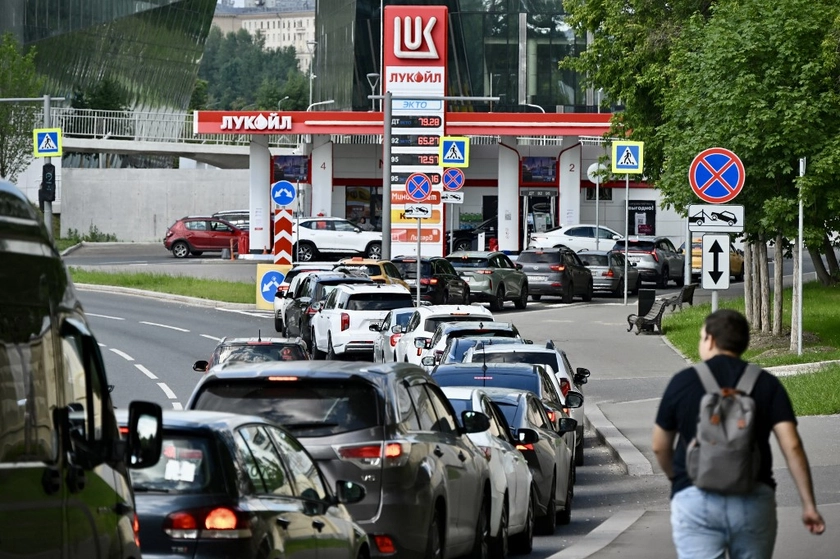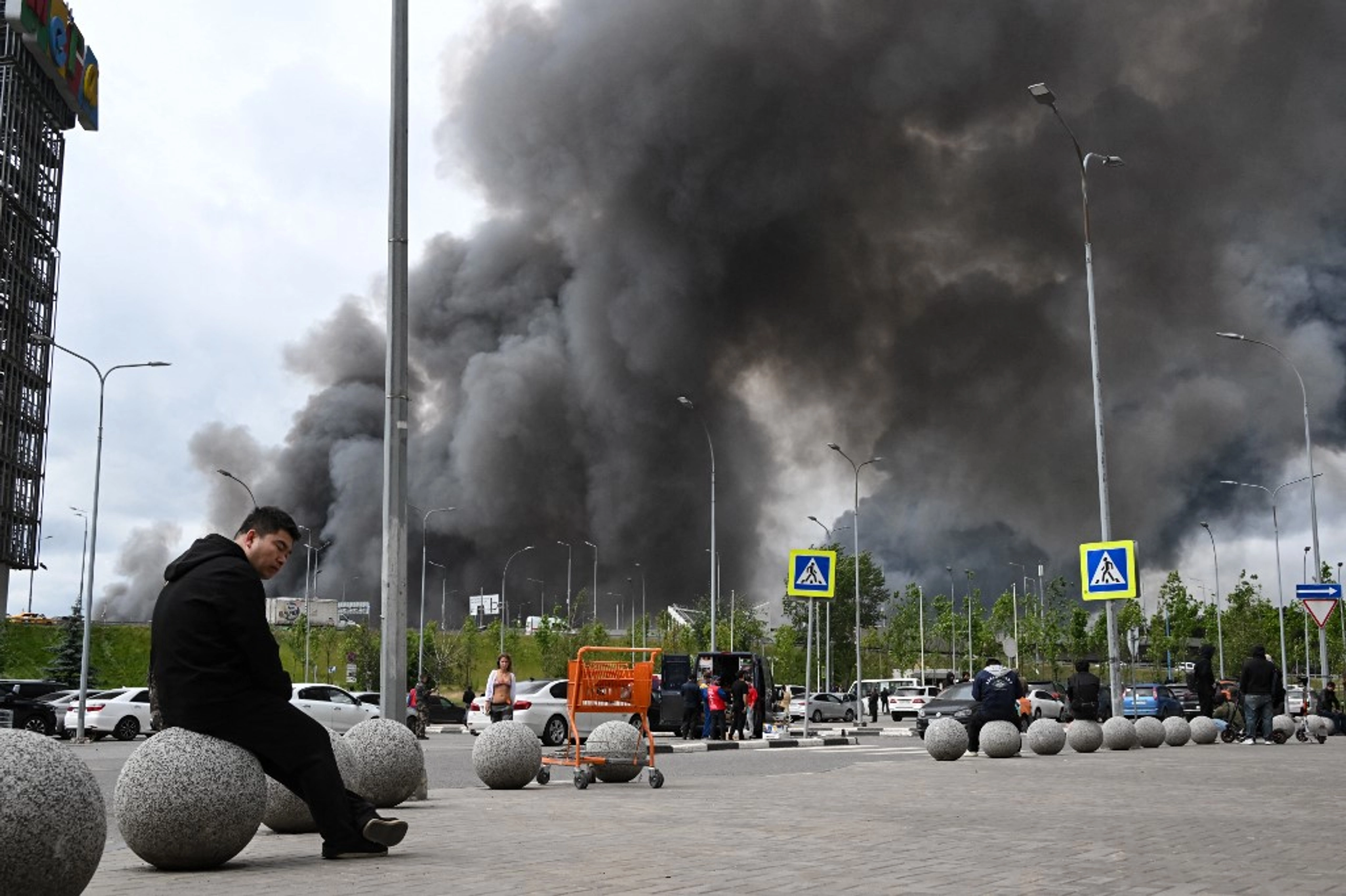
Kazakhstan has restricted the entry of passenger and cargo vehicles from neighboring countries to once a day in an effort to curb illegal fuel exports, as Russian citizens seek cheaper gasoline amid a deepening fuel crisis.
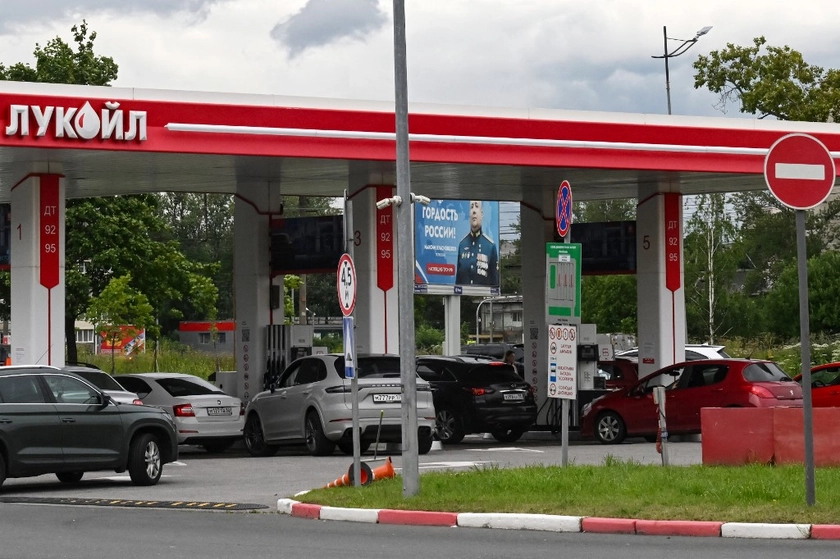
Deputy Energy Minister Kayirkhan Tutkyshbayev noted a sharp rise in gasoline demand in regions bordering Russia, including West Kazakhstan, Aktobe and Pavlodar, where lines have begun forming at local gas stations, according to Kazakh outlet Tengri News.
JOIN US ON TELEGRAM
Follow our coverage of the war on the @Kyivpost_official.
“The main work is now underway to identify cars with additional fuel tanks that are used for ‘gray’ export of fuel,” Tutkyshbayev said, adding that “this work is jointly carried out by the Ministry of Internal Affairs, the Financial Monitoring Agency, the Border Service and the customs authorities.”
A price gap driving “gasoline tourism”
According to Forbes Kazakhstan, drivers from Russia’s Samara, Saratov, Orenburg, Astrakhan, Volgograd, Novosibirsk, and Omsk regions have been crossing into Kazakhstan for cheaper fuel, with the heaviest traffic reported in Uralsk, roughly 200 kilometers (124 miles) from Samara.
The outlet reported that a liter of AI-95 gasoline in Uralsk costs around 45 rubles ($0.59) on average, compared to roughly 74 rubles ($0.96) for the same fuel in Russia, prompting Russian citizens to travel to Kazakhstan in search of gasoline. Diesel and AI-92 fuel showed similarly wide price gaps between the two countries, Forbes Kazakhstan reported.
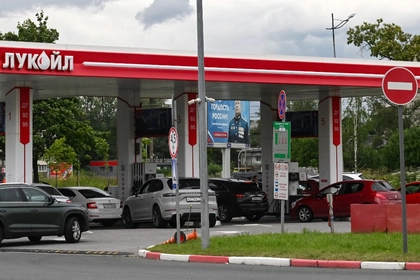
Russia Bans Diesel Exports as Ukrainian Strikes Intensify Fuel Crisis
Simultaneously, prices at some gas stations in Russia have reportedly climbed above 100 rubles ($1.30) per liter.
The Moscow Times, citing Kazakh authorities, reported stopping 61 attempts to export more than 3 tons (about 6,000 pounds) of fuel in additional canisters and tanks, in just two days at border checkpoints.
Russia bans diesel export
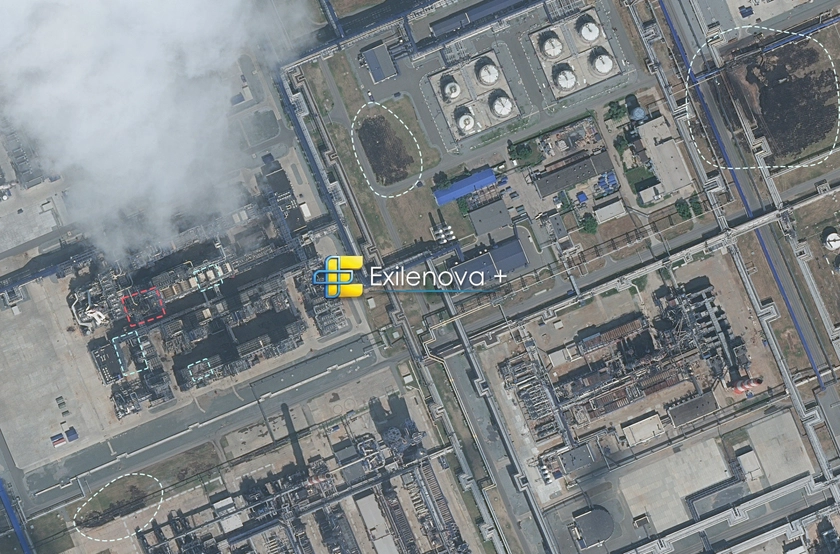
In an attempt to slow down Russia’s war, Ukraine has increased its strikes on Russian oil and energy infrastructure, pushing Moscow’s refinery output to multi-year lows.
Meanwhile, in order to boost domestic supplies, Russia has temporarily banned diesel exports as of Wednesday, with Deputy Prime Minister Alexander Novak saying the ban will remain in place until July 31.
More than 90% of Russian regions have experienced fuel rationing or shortages since June, according to local media reports and statements from officials, AFP reported.
“The decision was made to maintain stability in the domestic fuel market,” a government statement read, adding that “the restrictions will not apply to diesel fuel exported from Russia under international intergovernmental agreements.”
Putin’s response
Russian President Vladimir Putin, who recently acknowledged the fuel shortages but said they were “not critical,” said that Kyiv was trying to create a “nervous situation in society” as well as “damage Russia’s economy” – a task he deemed “unachievable,” claiming Russia’s energy system had one of the “highest safety margins in the world.”
He has also ordered officials to solve the fuel crisis “as soon as possible” in Russian-occupied Crimea, where shortages have been especially severe.
Ukraine has targeted Russian energy infrastructure – especially oil refineries and depots – for months, in retribution for Moscow’s dragging offensive and in a bid to force Russia to the negotiating table.
Escalating Ukrainian strikes on refineries
In May alone, Ukraine set an all-time wartime record by launching drone attacks against Russian oil refineries 16 times, alongside 10 additional strikes on transit pipelines, storage depots, and maritime export terminals.
Around the same time, 10 Russian refineries had been compromised within a 30-day period, forcing six to completely halt operations. President Volodymyr Zelensky verified that the precision raids knocked offline a massive chunk of the Kremlin’s domestic refining capacity.
Moscow enacted a total ban on jet fuel exports in June, lasting through Nov. 30.
On June 14, major gas station chains across several Russian regions, including Moscow, St. Petersburg, and the Republic of Tatarstan, began rationing automotive fuel, with the most severe restrictions documented at Tatneft stations, which capped sales at a meager 20 liters of gasoline and 40 liters of diesel per vehicle nationwide.
The General Staff of the Armed Forces of Ukraine announced that ongoing strikes have disabled 42.7% of Russia’s total oil refining capacity, inflicting an estimated $13.5 billion in industry losses since August 2025.
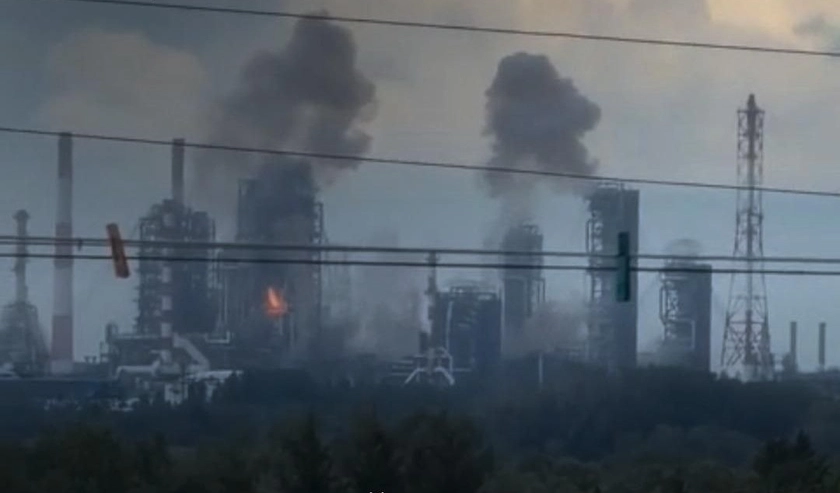
On Wednesday, Ukraine struck Russia’s largest oil refinery and “top producer of gasoline” in Omsk, owned by Gazprom Neft, forcing it to halt operations.
Zelensky called the strikes a “fair response” to Russia’s attacks on Ukraine, saying Russians “must feel” the consequences of the war.
Special Operations Forces (SSO) said their Deep Strike units had successfully struck two major oil refineries in Nizhnekamsk and Tatarstan, including the TANECO refinery complex and the TAIF-NK refinery.
You can also highlight the text and press Ctrl + Enter